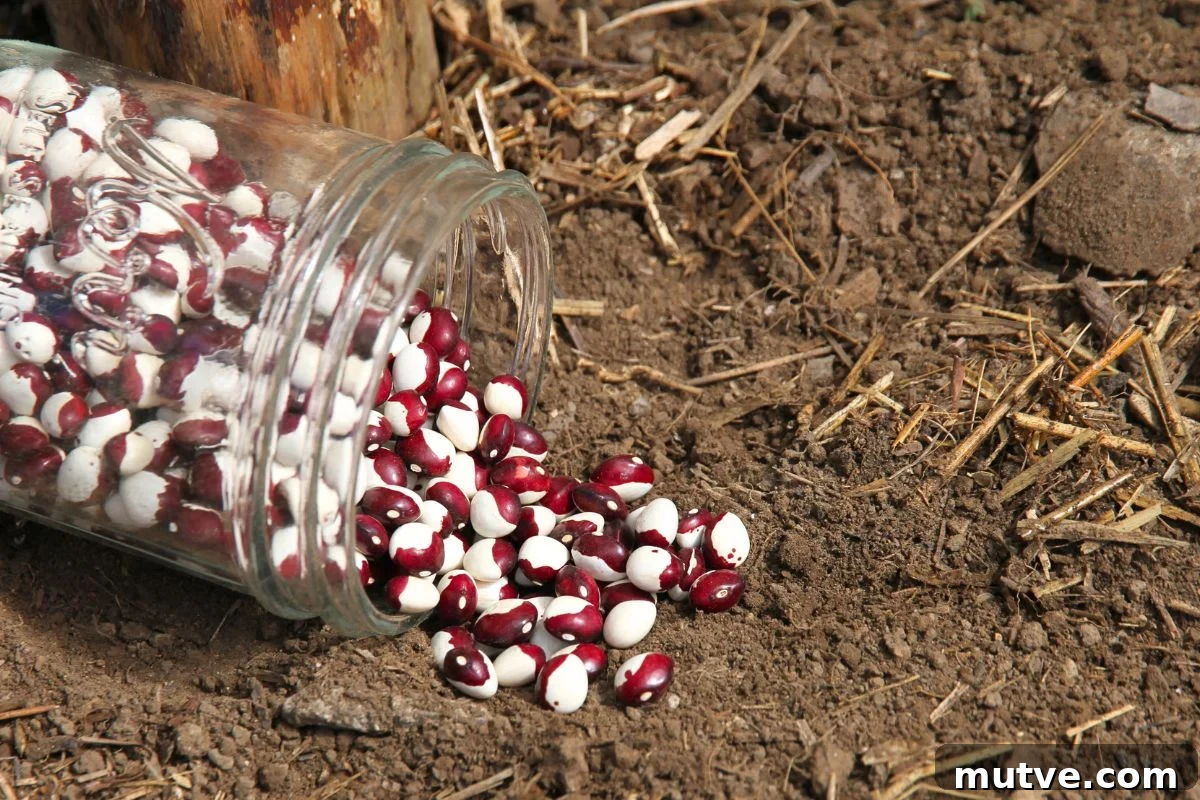
Learn how to grow and harvest your own dry shelling beans for everyday cooking. Once you taste the rich, buttery flavor of homegrown and home-dried beans, you’ll likely prefer them to store-bought varieties.
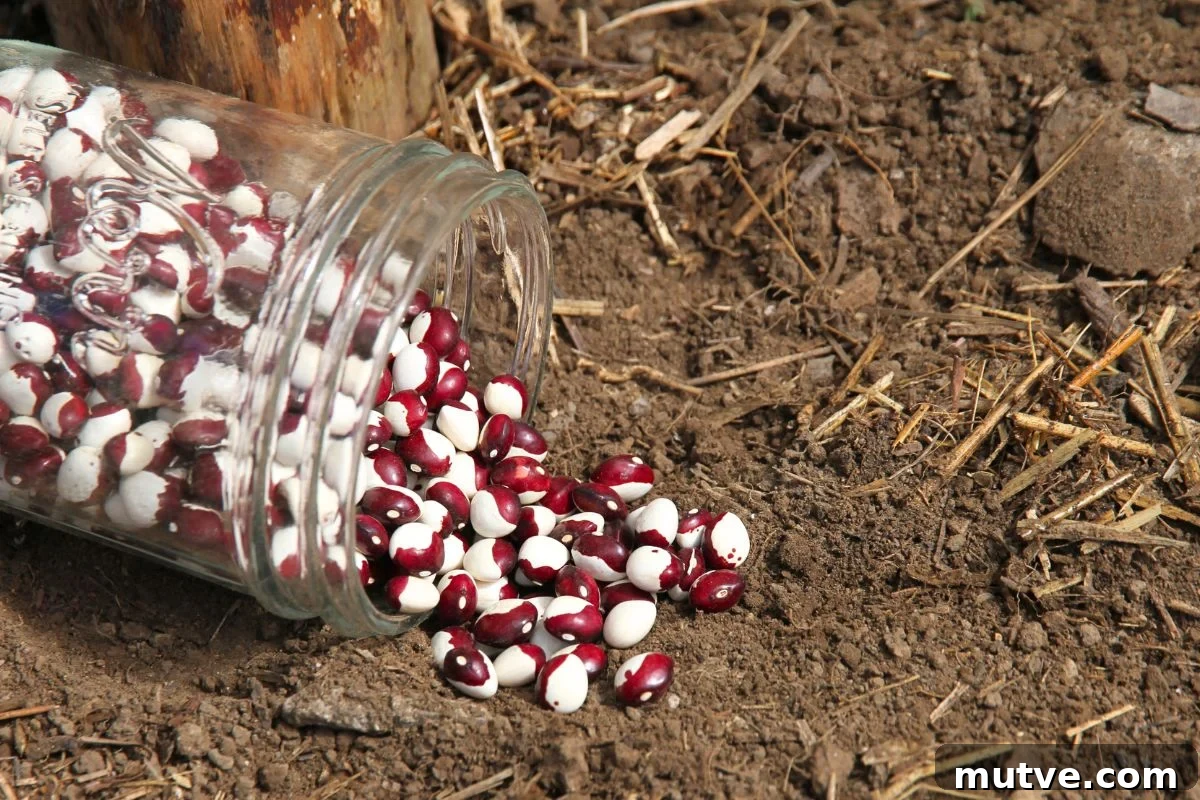
I grew up in a gardening family and we often planted bush beans in the large garden behind our farmhouse. Beans thrived in our soil, and as children we would snack on fresh green beans straight from the bush. We ate so many that very few ever reached the kitchen!
As an adult, I discovered pole beans and the joy of growing beans to maturity for drying. After we moved to the countryside and built a small cottage, I set up a productive vegetable garden and began experimenting with pole varieties for fresh eating and for drying.
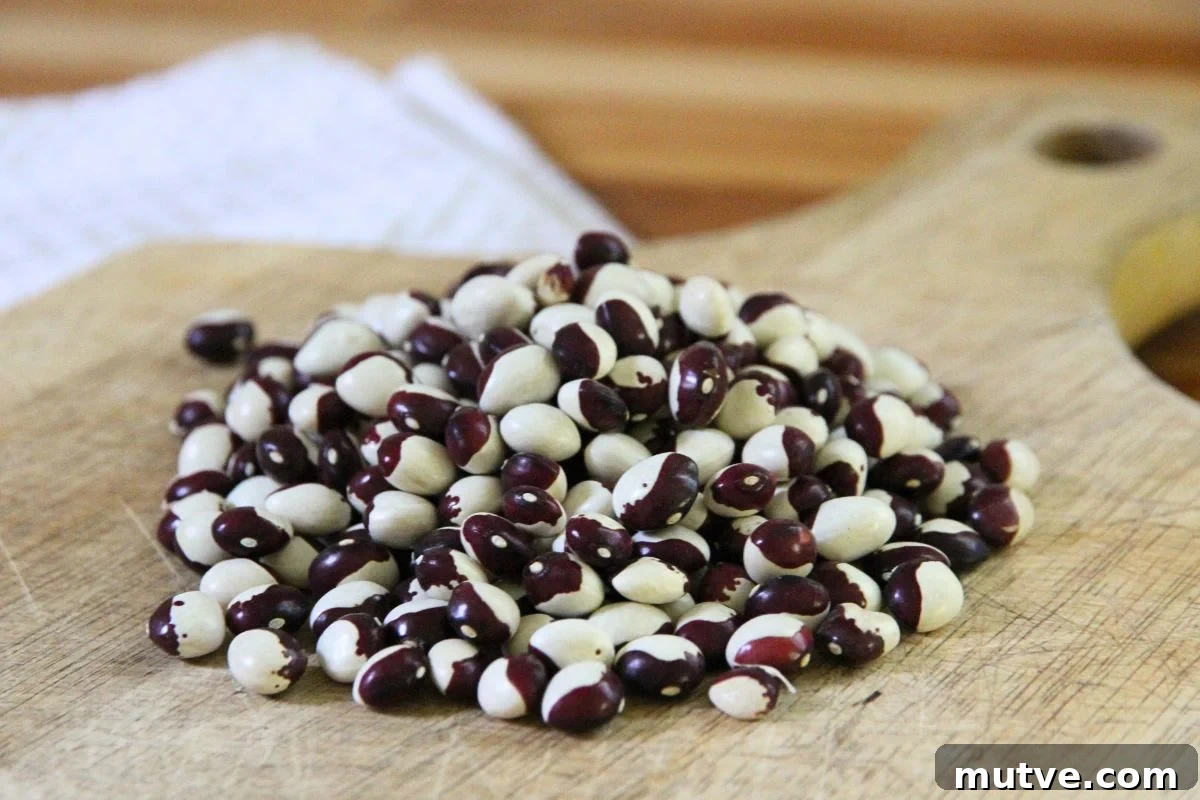
I started with varieties like Kentucky Wonder and Blue Lake, then learned that certain cranberry-type beans give excellent fresh snap beans and also dry into flavorful, creamy seeds. I tried the heirloom Annie Jackson pole bean and was delighted—picked early it makes a fine green bean, and left to mature it produces sweet, buttery dried beans.
I use home-dried beans quickly, so I often wish for a dedicated patch of Annie Jackson beans. If you value homegrown food and have space, growing shelling beans is an easy, rewarding option.
Reasons to Grow Your Own Shelling Beans
- You can harvest the same plant as fresh snap beans early in the season, then let pods mature to dry beans.
- Shelling beans (bush or pole) are straightforward to plant and tend to outgrow weeds once established.
- They require little maintenance: plant in spring and leave them to mature through summer into fall.
- Dry pods are easy to harvest at season’s end and can be stored until you have time to shell them.
- Homegrown dry beans retain their flavor and texture far better than many commercial dried beans.
Why You’ll Love Using Homegrown Shelling Beans in the Kitchen
- Flavor: home-dried beans often have a rich, buttery taste that makes even simple preparations delicious.
- Texture: they tend to be velvety and consistent, without the hard spots sometimes found in store-bought bags.
- Cooking time: freshly dried garden beans usually cook faster than older commercial beans.
- Digestibility: many people find homegrown beans easier on the stomach than some purchased varieties.
Pole Beans vs Bush Beans
Both pole and bush varieties can produce excellent dry beans. If you prefer a low-maintenance bed without trellises, many bush beans dry well and are a good choice. I favor pole beans for their vertical beauty and ease of harvest—standing to pick saves the back, and a single row of pole beans can fit neatly down the middle of a wide bed to maximize space.
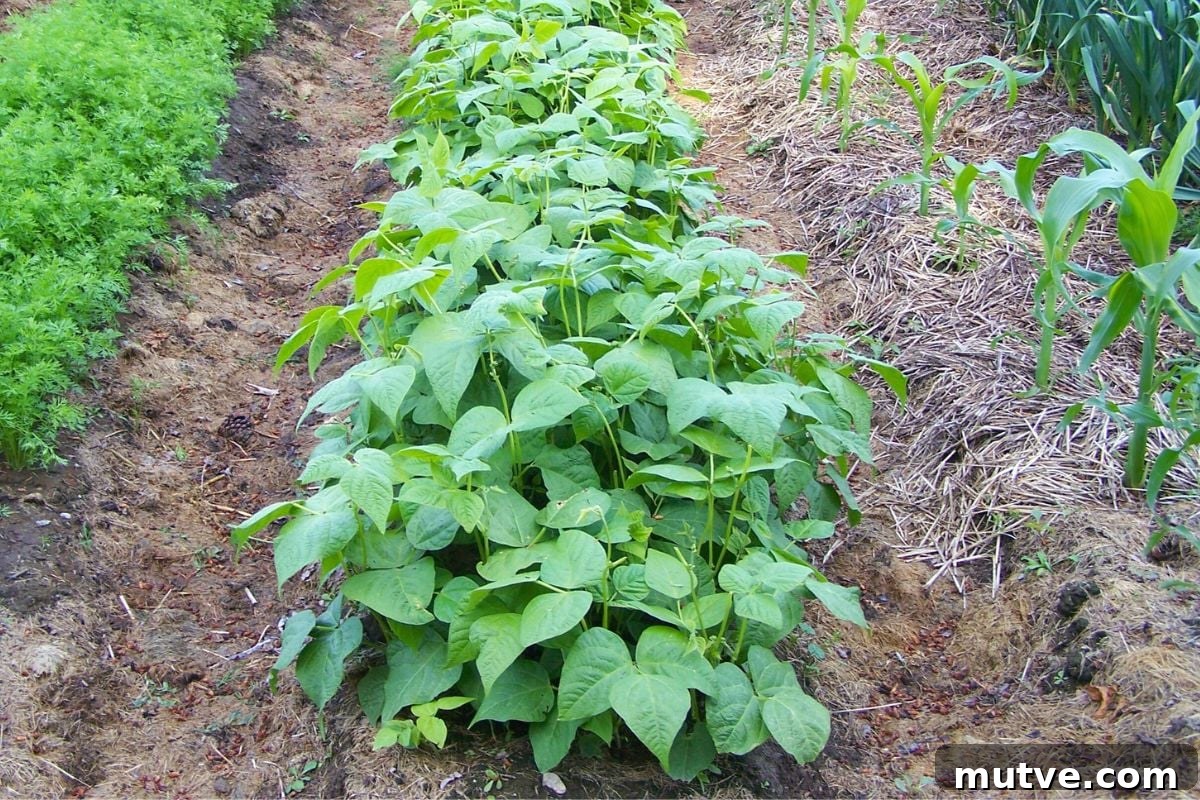
Tip: avoid planting beans beside beets—they don’t share soil and root space well. I plant pole beans in north-south beds so both sides get good sun and neighboring rows aren’t shaded.
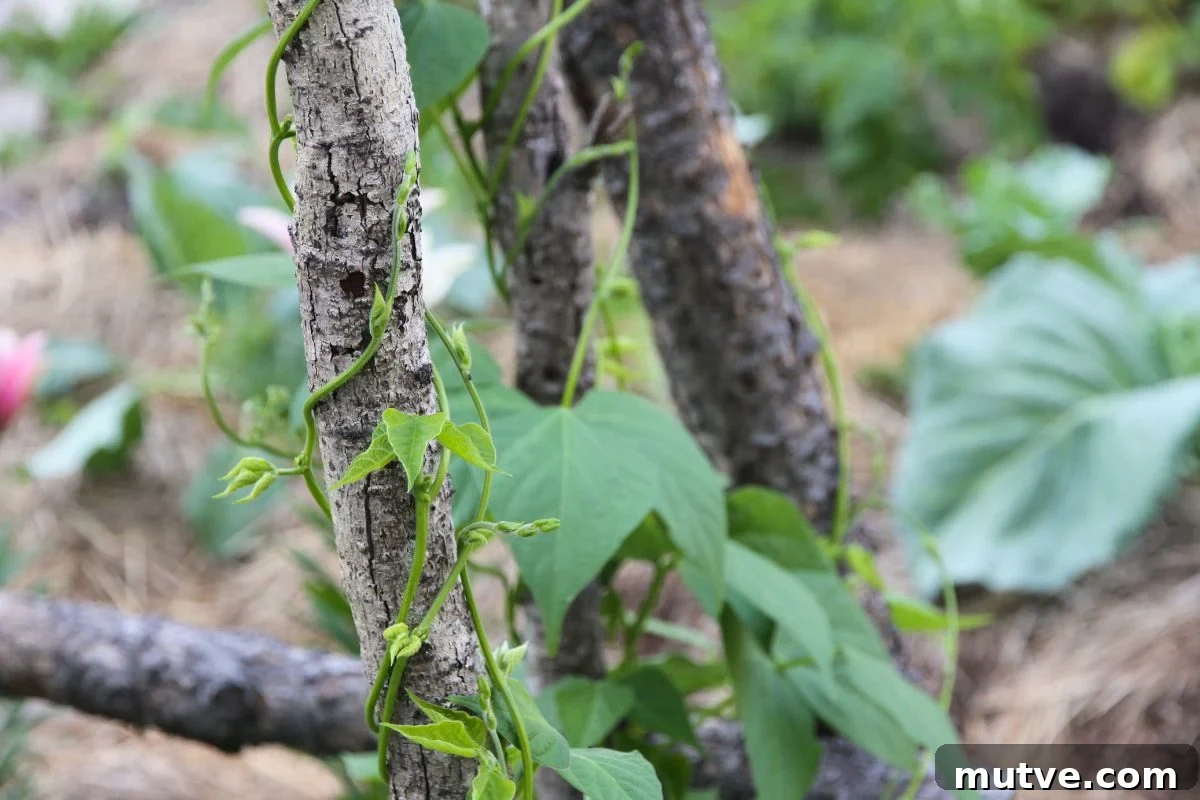
Tips for Choosing a Shelling Bean Variety
- Check days to maturity to ensure your season is long enough for the seeds to fully mature.
- Choose varieties noted for good cooking quality rather than common grocery types; seek beans bred for flavor and texture when dried.
- Cranberry-type beans and other heirloom cooking varieties are often praised for their flavor—Annie Jackson is a classic example.
- Talk to local gardeners about varieties that perform well in your climate for practical, region-specific advice.
Dry Bean Varieties You Can Grow
Dry beans were widely grown a century ago, and many heirloom and reliable varieties are still available. Heirlooms are particularly useful if you want to save seed and replant in future years.
Bush Beans
- Calypso
- Dixie Speckled Butterpea
- Fire Tongue
- Hutterite Soup Bean
- Jacob’s Shelling Bean
- Taylor Horticultural
Pole Beans
- Cherokee Trail of Tears
- Coco Sophie
- Good Mother Stallard
- Lazywife (Lazy Housewife)
- Scarlet Runner
- Red Cranberry Pole Bean
How to Prepare the Garden for Shelling Beans
Beans prefer full sun, which is especially important in northern climates. For pole beans, orient beds north-south so both sides receive good light. Improve heavy clay or very sandy soil with well-rotted compost or animal manure, and work the bed lightly with a broadfork or pitchfork to loosen compacted areas.
- Loosen compacted soil and remove weeds.
- Add 1–2 inches of compost or organic matter to boost fertility.
- Mulch with straw, leaves, or grass clippings to conserve moisture and suppress weeds.
- If planting pole beans, set up trellises or supports before planting so you can sow precisely.
- Plant seeds about 1 inch from the trellis edge if you want vines to climb immediately.
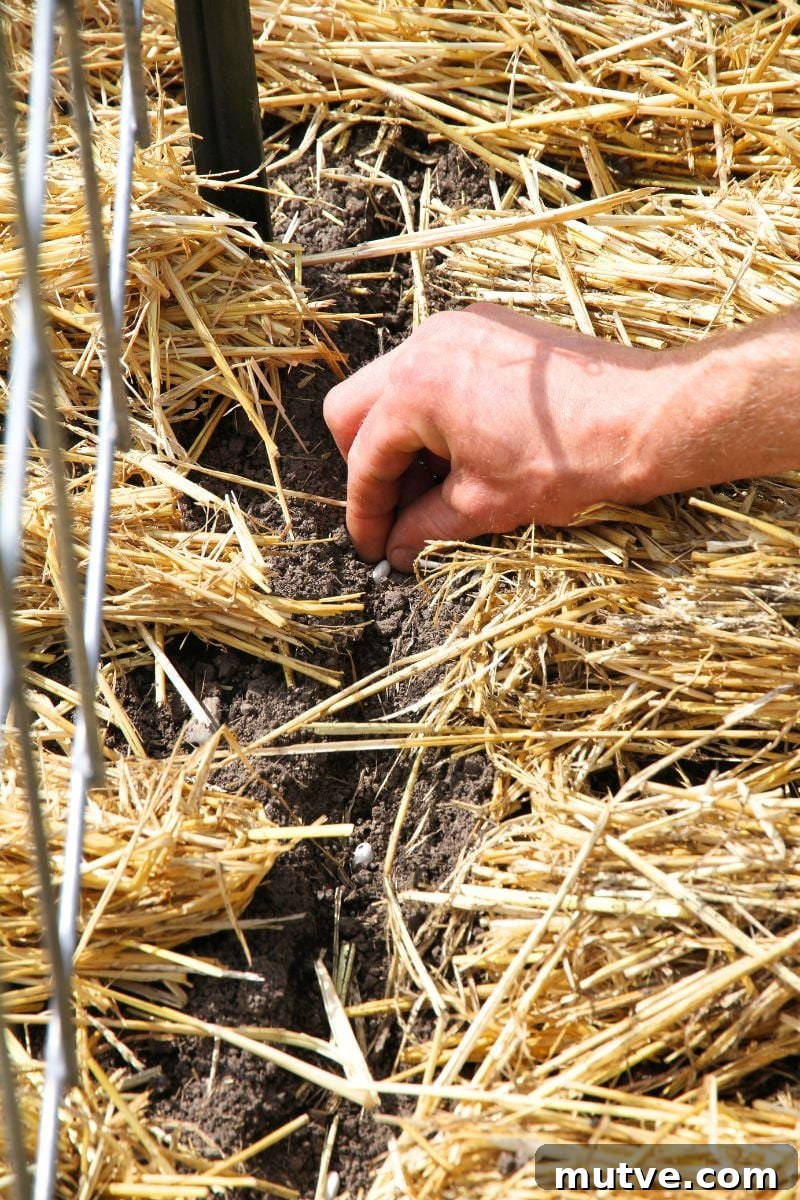
Helpful reminder: erect trellises or teepees first so you have clear planting locations and won’t need to install supports when seedlings are already up.
Simple Trellis Ideas for Pole Beans
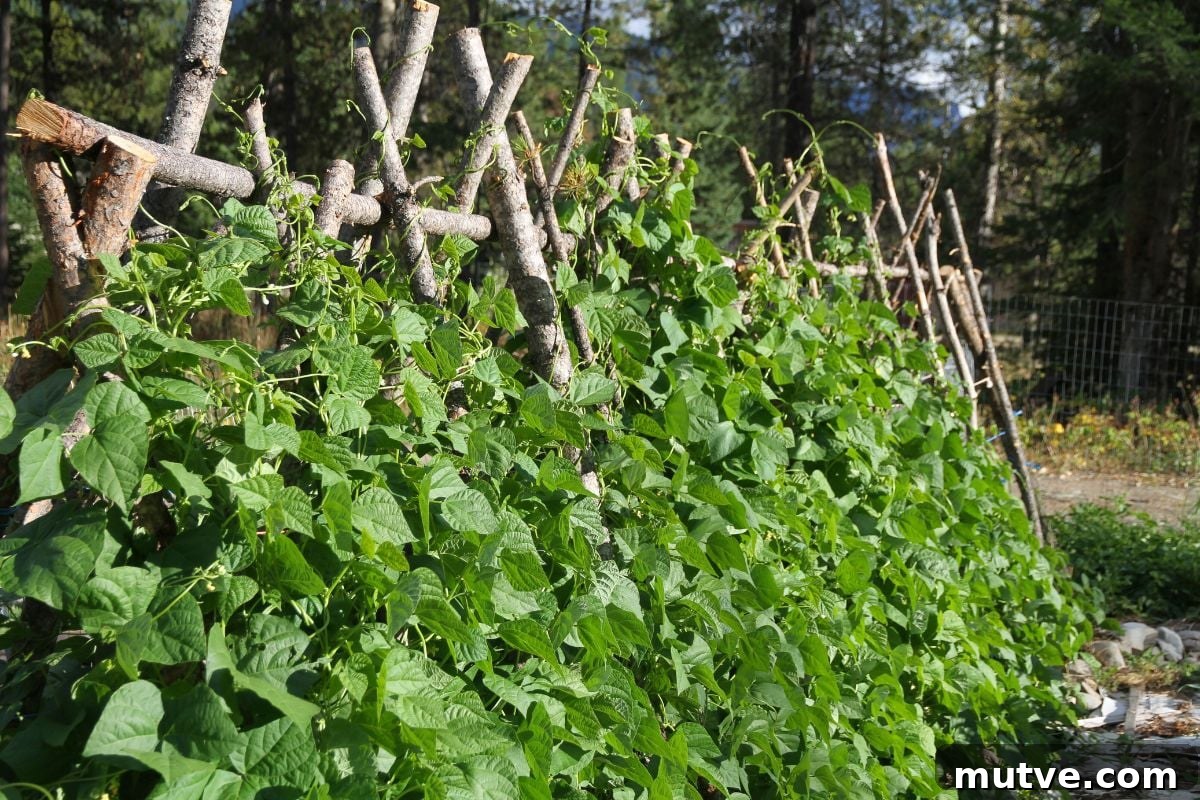
Pole beans can reach 6–10 feet and will cling to twine, poles, or larger supports. Simple trellis options include:
- Make a pole teepee and plant on all sides.
- Lean single poles against an A-frame, wall, or beam.
- Use cattle or hog panels propped with fence posts.
- Build a wood frame and fasten vertical strands of twine or wire for vines to climb.
When to Plant Shelling Beans
Shelling beans are warm-season crops. Plant only after the danger of frost has passed, since even a light frost can kill bean plants.
How to Plant and Grow Shelling Beans
Beans are among the easiest seeds to sow, making them a great choice for gardeners of all ages. Follow these simple steps:
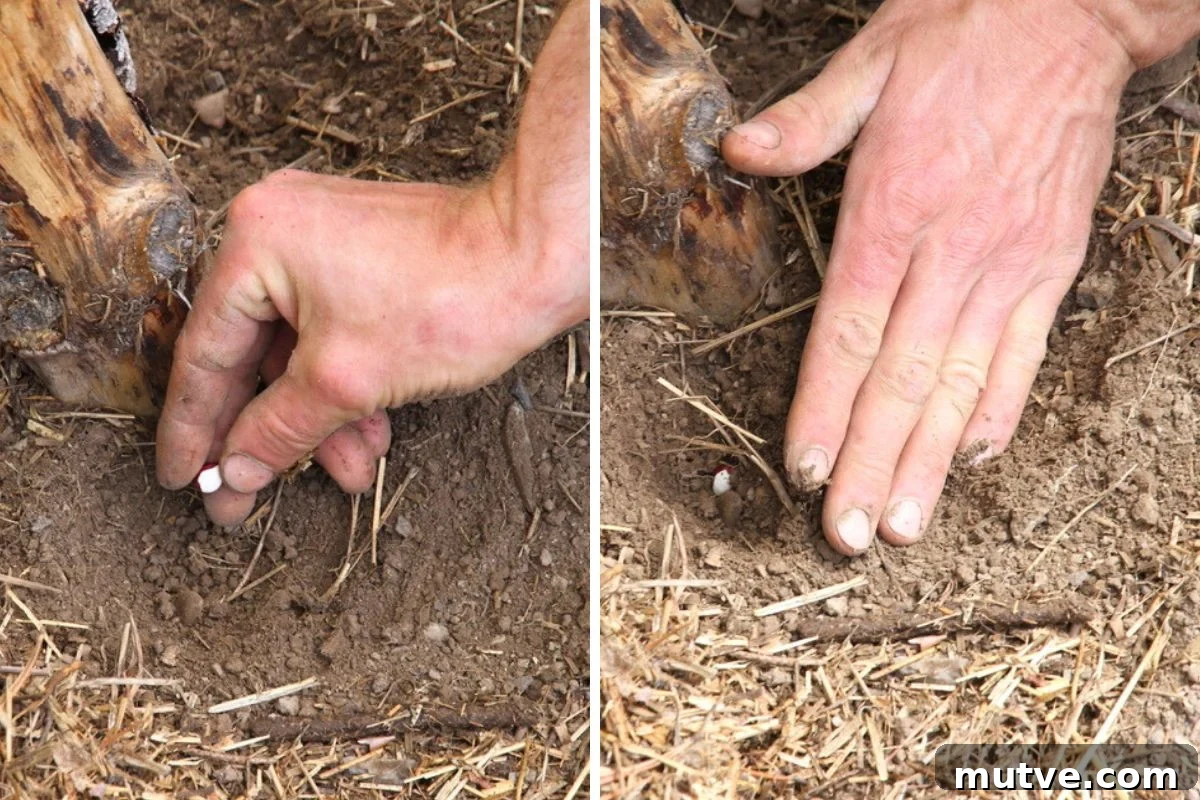
- Part the mulch and make a 1-inch-deep trench or individual holes about 1 inch from the trellis line.
- Drop seeds into the trench or holes and cover with soil.
- For bush beans, space rows roughly 6 inches apart unless the variety specifies otherwise.
- Keep soil evenly moist until seedlings emerge.
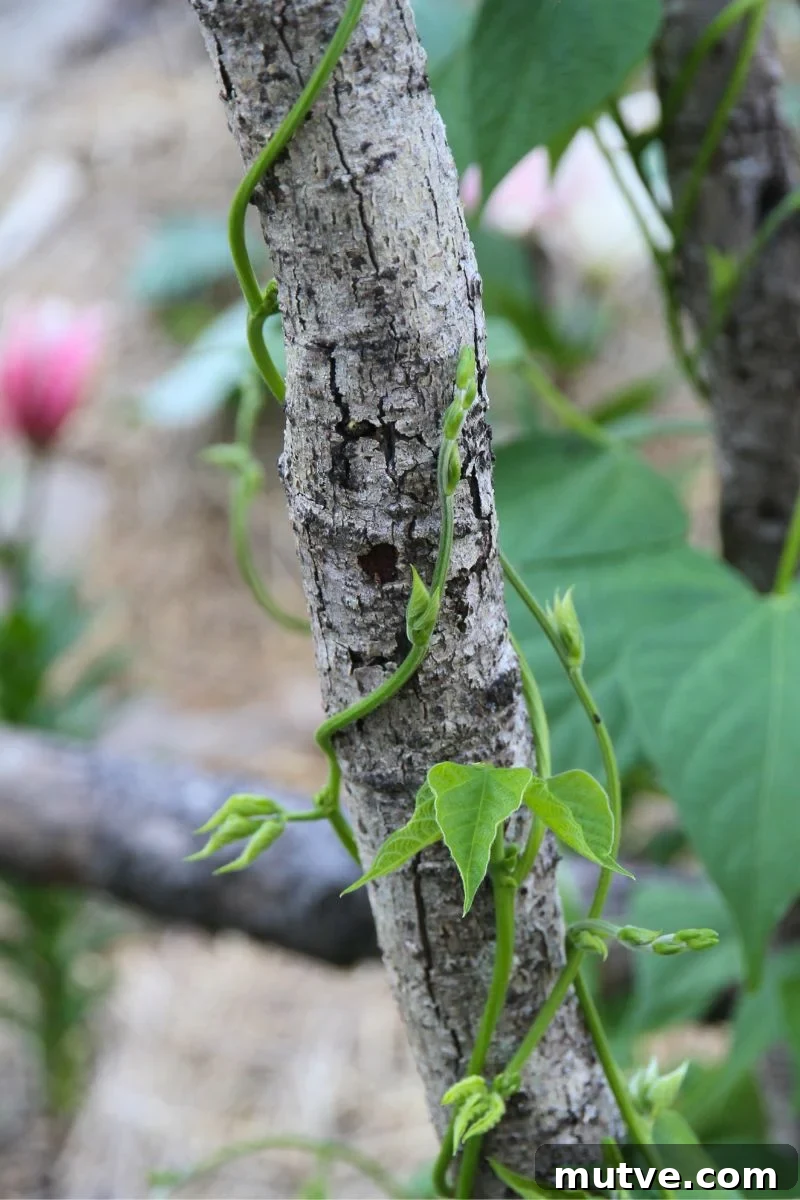
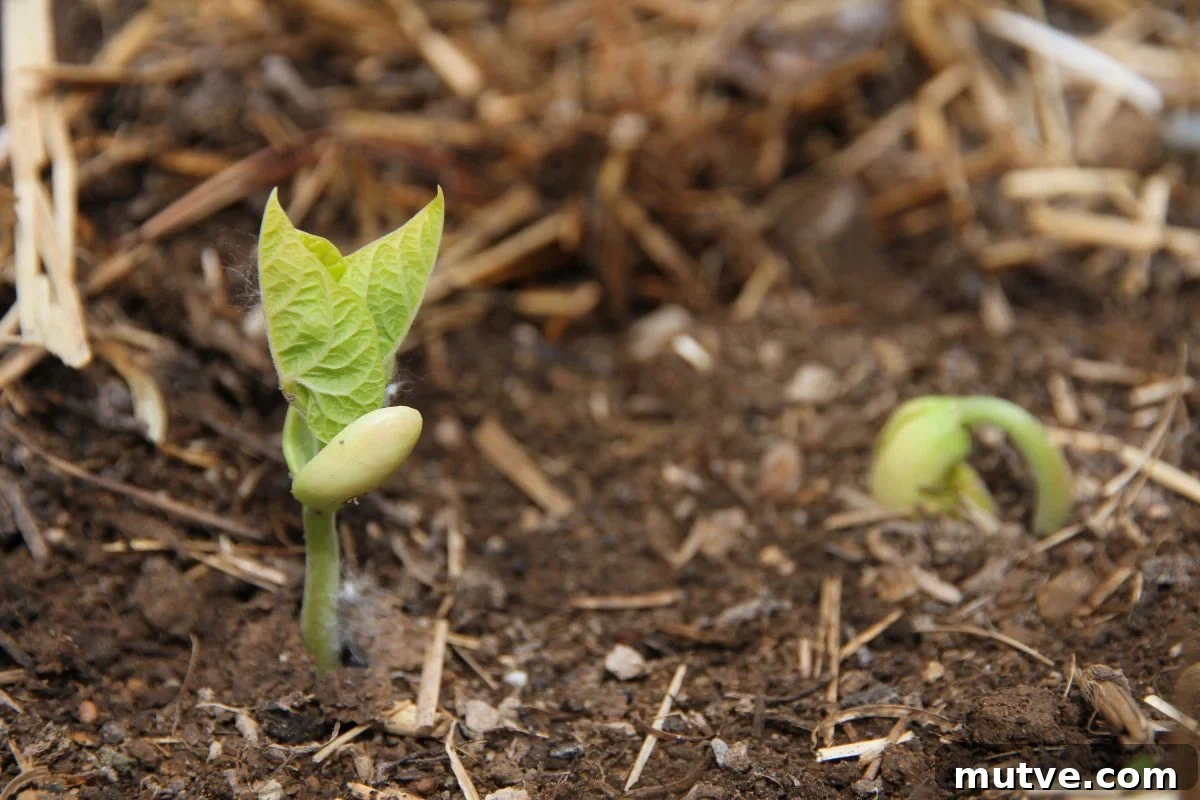
Pole beans are vigorous climbers and will quickly find and ascend your trellis. You may need to guide a few vines early on, but if planted close to supports they typically wrap and climb on their own.
When to Harvest Shelling Beans
As a Fresh Green Bean
Pick shelling beans early if you want snap beans. Check seed packet recommendations because size at maturity varies by variety. Generally, pods around 6–8 inches that still look smooth and lack pronounced bumps are ready as fresh beans.
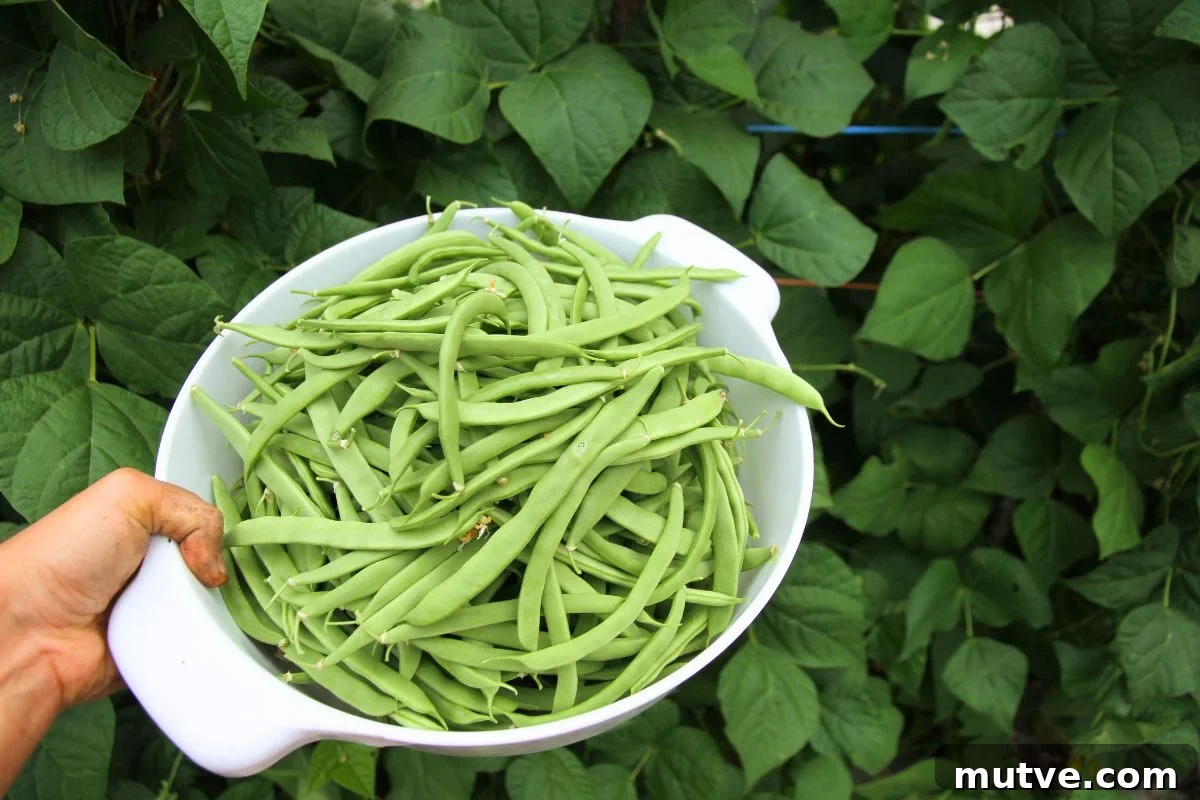
Helpful tip: smooth, round pods indicate immature seeds; bumpy pods mean seeds are filling the pod and may soon be too tough for fresh eating.
As a Dried Bean for Shelling
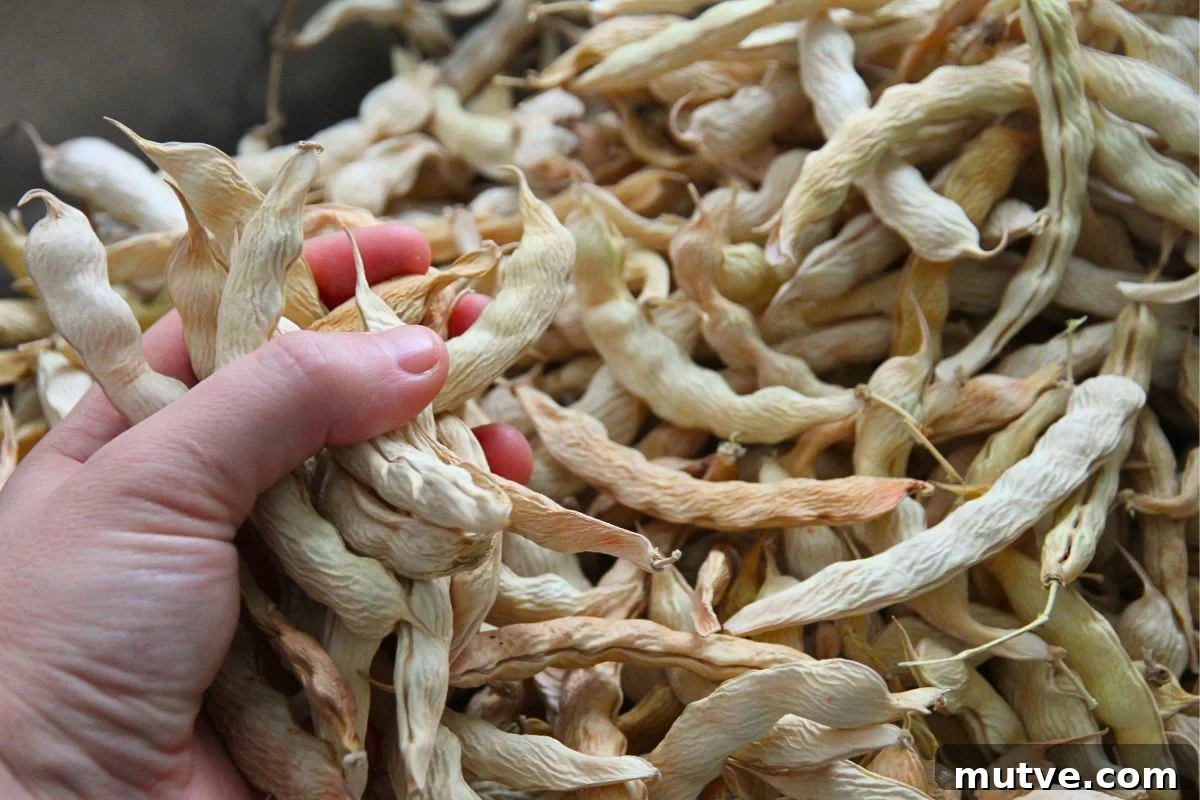
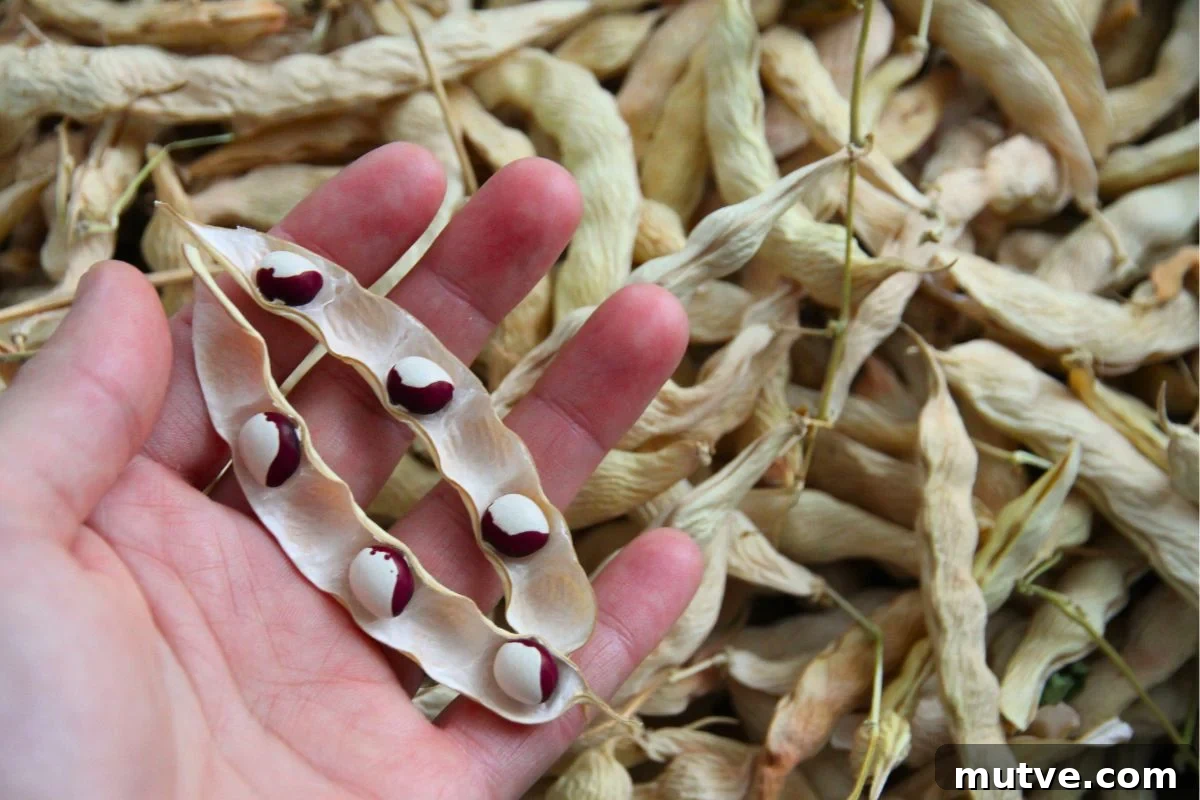
Leave pods on the vine for mature, plump seeds. As seeds develop the pod walls will thin and color will fade—green pods may turn dull yellow while patterned pods retain some markings. When pods begin to shrivel and become brittle, they are ready to harvest for drying.
How to Harvest Shelling Beans
If frost threatens, harvest pods early and finish drying them indoors in a warm, airy spot. Alternatively, pull entire plants and hang them in a dry, ventilated barn or shed so pods can dry on the vine. When drying individual pods, spread them in a single layer with good airflow to prevent mold.
How to Thresh Dried Bean Pods
Threshing is simple. You can shell pods by hand while relaxing indoors, or bundle dried stems in a sack and beat them to release the seeds. Many gardeners enjoy hand-shelling a pail of pods by the stove during winter—it’s a slow, satisfying task that connects you to the seasonality of food.
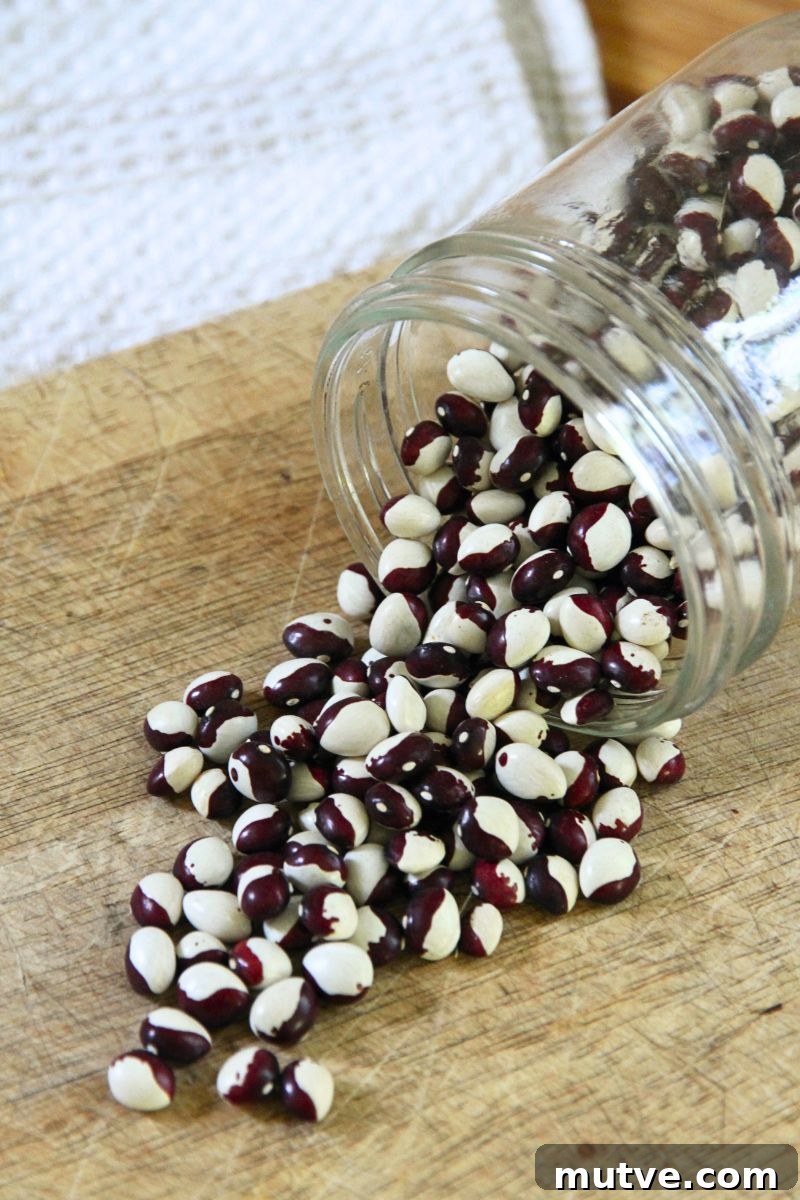
Growing shelling beans is a low-maintenance way to add flavor and nutrition to your pantry. If you enjoy gardening and cooking, consider planting a patch this season—you might be surprised at how rewarding and tasty home-dried beans can be.
I hope you’ll give shelling beans a try in your garden.