Yes — you can soften butter in the microwave without melting it. Below is a simple, reliable method to get perfectly softened butter quickly so you can bake without the wait.
If you often find yourself inspired to bake but your butter is rock hard, this microwave method will save time and prevent accidental melting. The goal is to bring a stick of butter from cold straight from the fridge to soft and spreadable — not liquid. With a few short bursts and a little judgment, you can get consistent results and avoid wasting butter.
How to Soften Butter the Easy Way
Equipment
- Microwave-safe dish
- Microwave
Ingredients
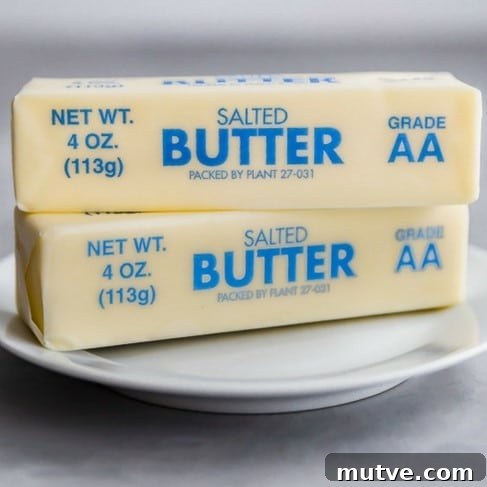
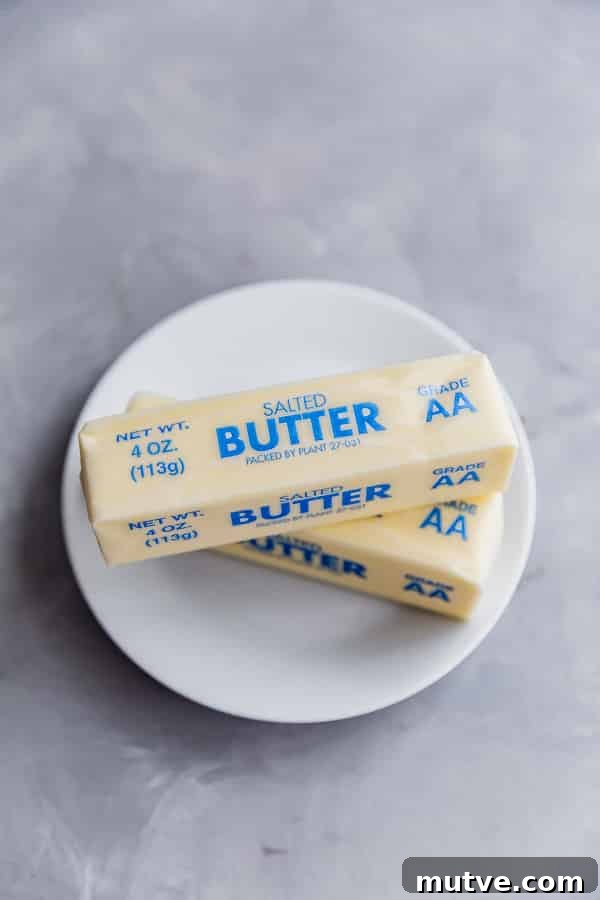
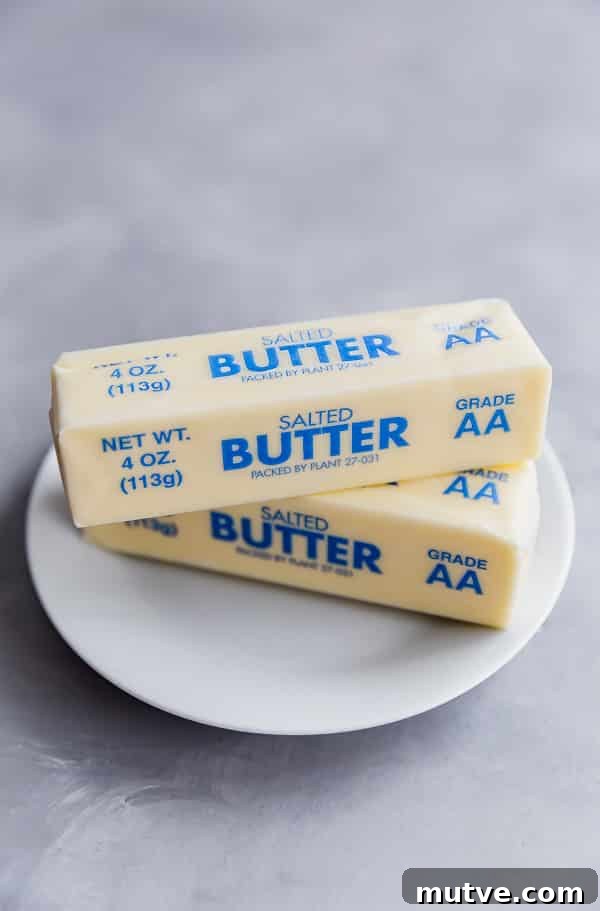
- 1 stick butter, cold (in its wrapper)
Instructions
- Keep the butter in its wrapper. Place the wrapped stick on a microwave-safe plate or dish so any small amount of softened fat is contained.
- Put the dish in the microwave and close the door.
- Microwave on full power for 10 seconds. This short burst warms the outer layer without melting the interior.
- Open the microwave and gently press or feel the butter through the wrapper. You’re looking for a texture that is no longer rock hard but not warm or oily — slightly yielding to gentle pressure.
- If the stick still feels cold and firm, turn it over and microwave for an additional 15 seconds. Check again.
- If it feels a little softer than the initial check but not fully ready, flip it and microwave for 5 more seconds. Small increments are safer than longer bursts.
- If the butter feels just right (soft, spreadable, not shiny or puddled), carefully remove the wrapper and proceed with your recipe.
Notes
This technique relies on short microwave bursts and checking by touch. Microwaves vary in power, so the exact timing can differ. After you try this once or twice with your microwave, you’ll quickly learn the ideal sequence for consistent results.
For best results, use a microwave-safe dish and keep the wrapper on while microwaving — that reduces the risk of melting and keeps hands clean. If you accidentally notice the butter getting shiny or any pooled liquid, stop and allow it to cool briefly; a quick chill will firm it up again so you can continue.
Softened butter is essential for many baking tasks: creaming with sugar for cookies, easy spreading on toast, or incorporating into batters. This method helps you get there fast without waiting for room temperature.
Nutrition (approximate per 1/4 cup)
Serving size: 0.25 cup (approximate). Nutrition values vary by product; treat these as general estimates.
- Calories: varies
- Fat: varies
After a couple of tries you’ll know how your microwave behaves and how long to nudge the butter. This quick microwave softening technique saves time and prevents the frustration of melted butter when you need it softened for baking. With practice, you’ll always have perfectly softened butter available for cookies, cakes or spreading.
You can find a full index of recipes on the original site. Follow the blog or bookmark this post for easy reference and more kitchen tips and tricks.