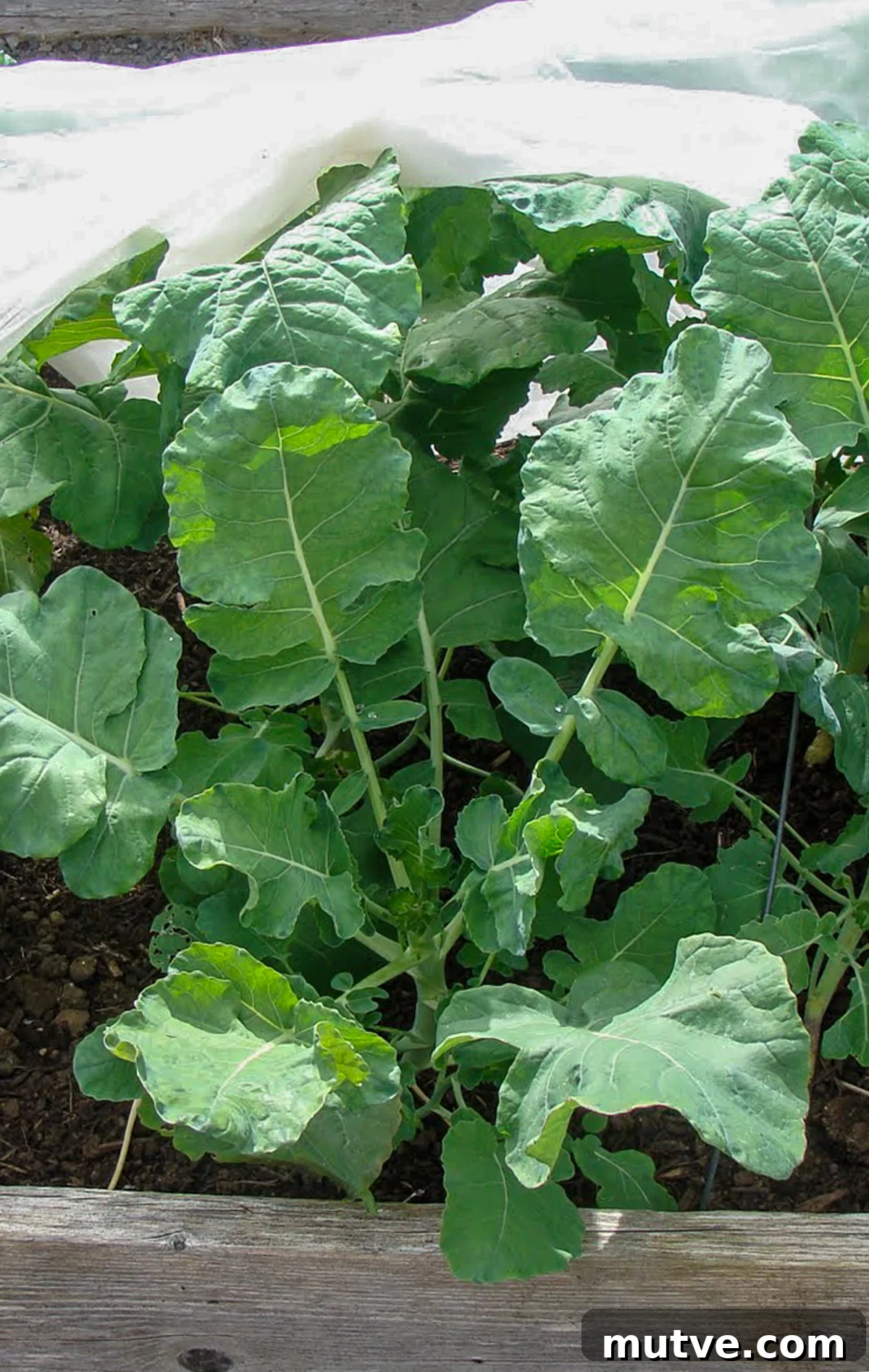
Row covers are an easy, effective way to protect brassicas like broccoli, cabbage, and cauliflower while simplifying garden care. Both lightweight frost covers and insect netting reduce pest damage and shield plants from harsh weather, helping them grow stronger and more productive. Adding covers is simple and can dramatically improve performance for these cool-season crops.
Some links in this article are affiliate links and if you click on them I may receive a small commission at no cost to you.
From trial and error, I’ve learned that early spring cool-season vegetables—broccoli, cabbage, and cauliflower (all brassicas)—thrive under a lightweight cover. Row covers not only moderate temperature but also provide reliable pest protection. In my garden they’ve been the difference between harvesting plenty of clean heads and having nothing but ruined crops.
The Problem with Garden Broccoli
My first year growing broccoli I ended up discarding every single head because aphids infested the centres. I tried several home remedies but they couldn’t reach deep into the folds, and the damage was extensive.
The following season I covered the bed with a light floating row cover, sometimes called remay or garden fabric, to keep insects out. The result was dramatic. Aphids and most cabbage loopers were kept at bay, and we finally tasted tender, home-grown broccoli with stems that weren’t tough at all.
Since that experience I’ve always protected my brassicas with covers. I plant broccoli, cabbage, and cauliflower together and cover the whole bed. The plants under fabric are consistently healthier, grow faster, and produce sooner than those left exposed.
How to Use Row Covers
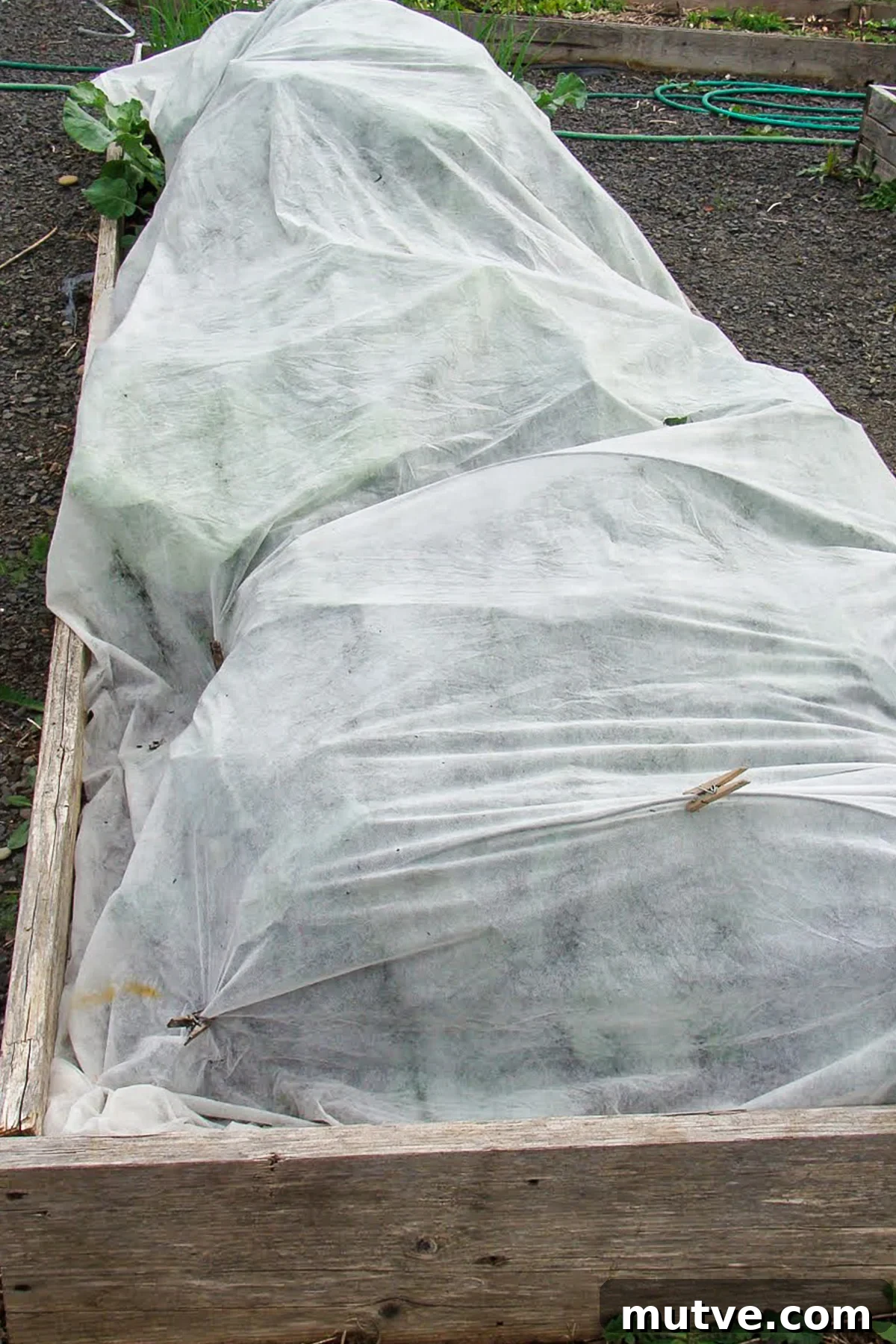
Below is the basic approach I use on a 4′ x 12′ raised bed planted with broccoli, cabbage, and cauliflower:
- Plant the seedlings (these were started earlier in spring).
- Place short hoops—portable metal hoops or bent PVC—about 2 feet apart along the bed to create a support frame.
- Drape a floating row cover over the hoops and secure it with clothespins or garden clips.
- Weigh the edges down with rocks or use earth staples to hold the fabric firmly against wind.
Tip: The fabric is light enough to lie directly on the plants, so hoops are optional, but I prefer hoops to prevent damage from heavy spring rains and to allow extra air circulation as the plants grow.
Next steps: As the plants get taller, loosen clips or move weights to allow for growth. Regular checks make it easy to prevent fabric from rubbing on succulent growth.
Why to Use Row Covers
Row covers protect brassicas from aphids, cabbage loopers, flea beetles, and other pests. They also create a slightly warmer, calmer microclimate—usually 5–10 degrees warmer—which encourages faster growth and earlier maturity. Covers help shelter plants from wind, heavy spring rains, and hail, reducing stress and physical damage.
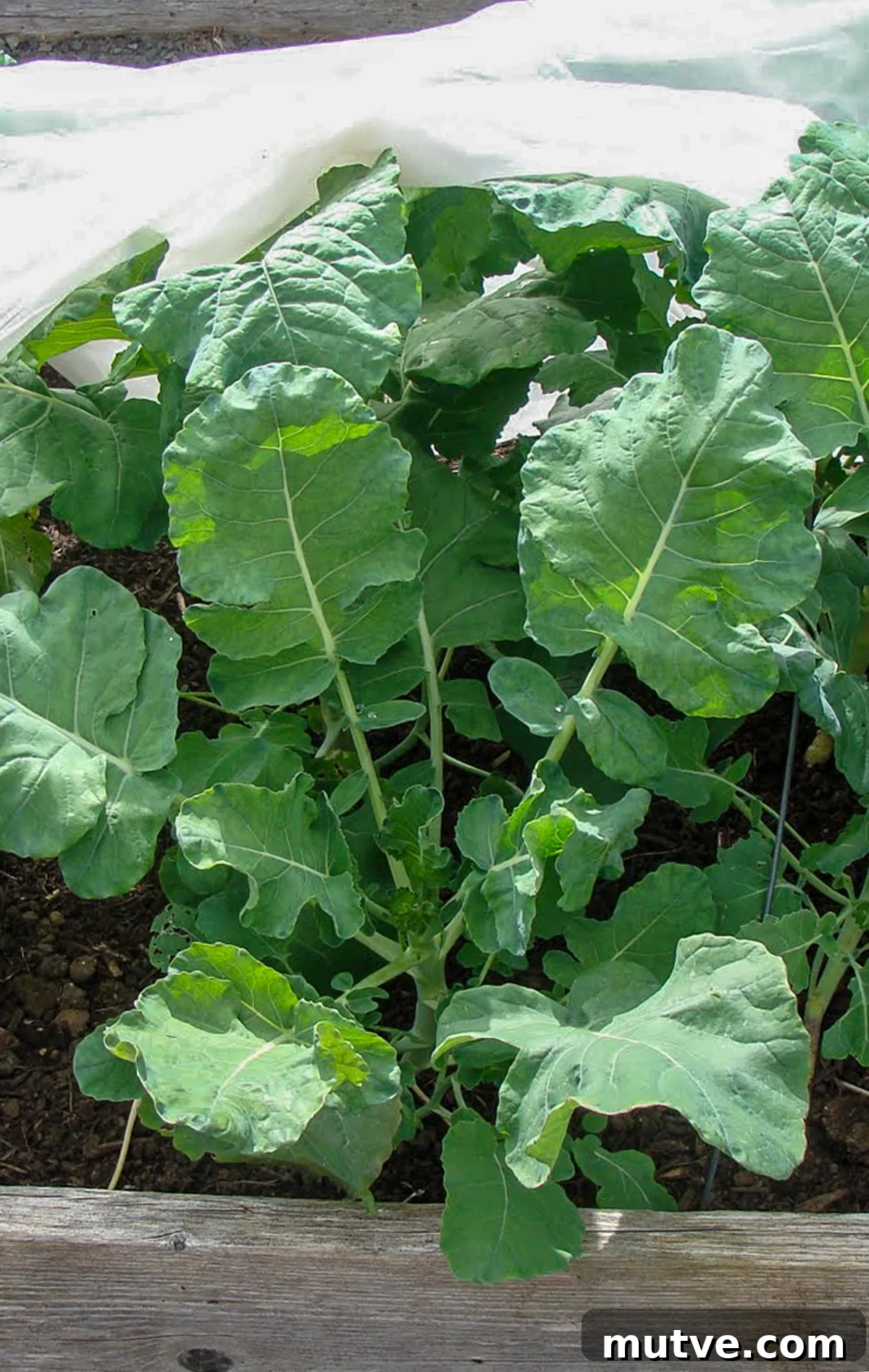
With Covers
The plants under the cover put out vigorous, green growth thanks to the added warmth and protection. Covers also reduce mechanical damage from wind and rain and can lessen the need for pest controls.
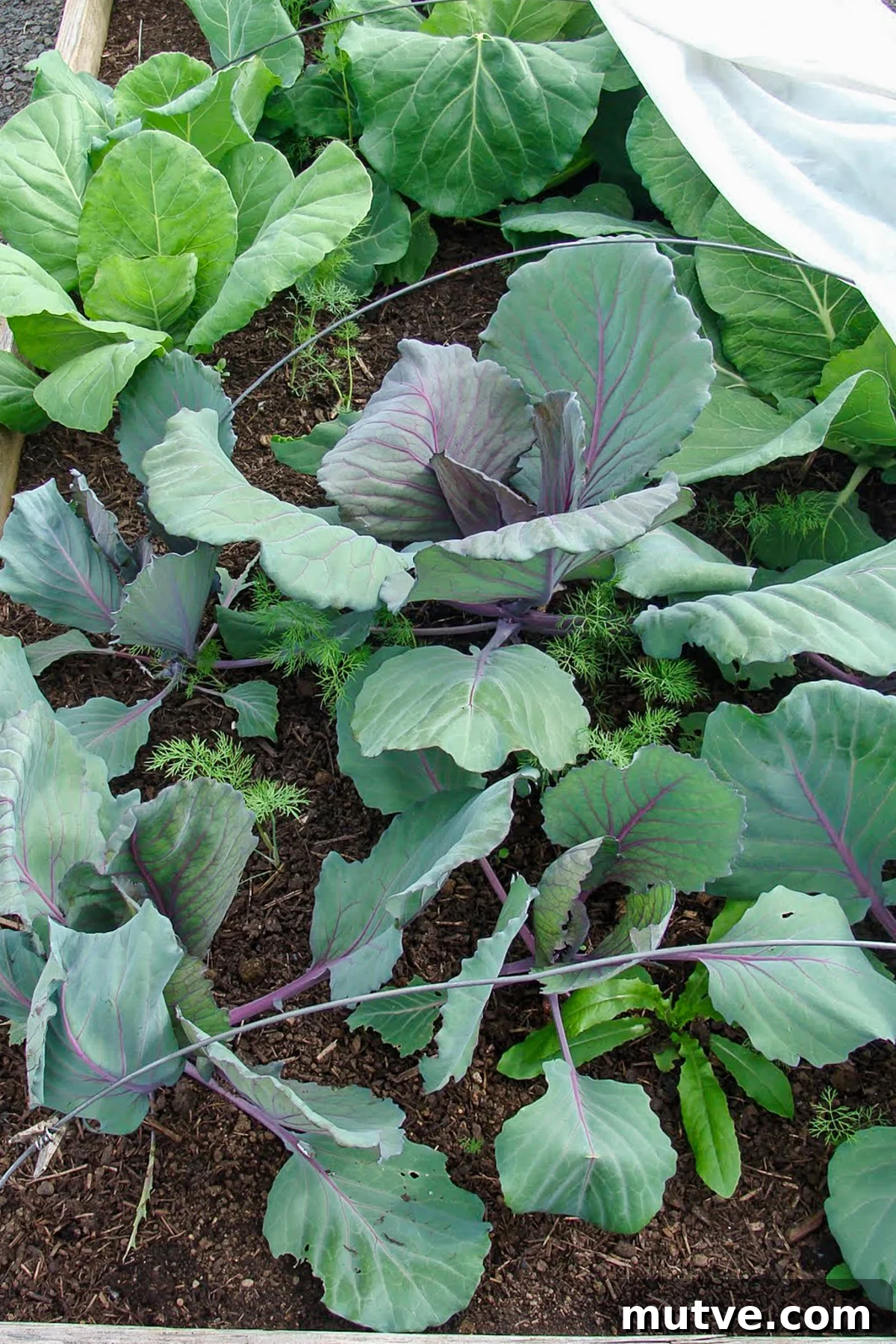
Without Covers
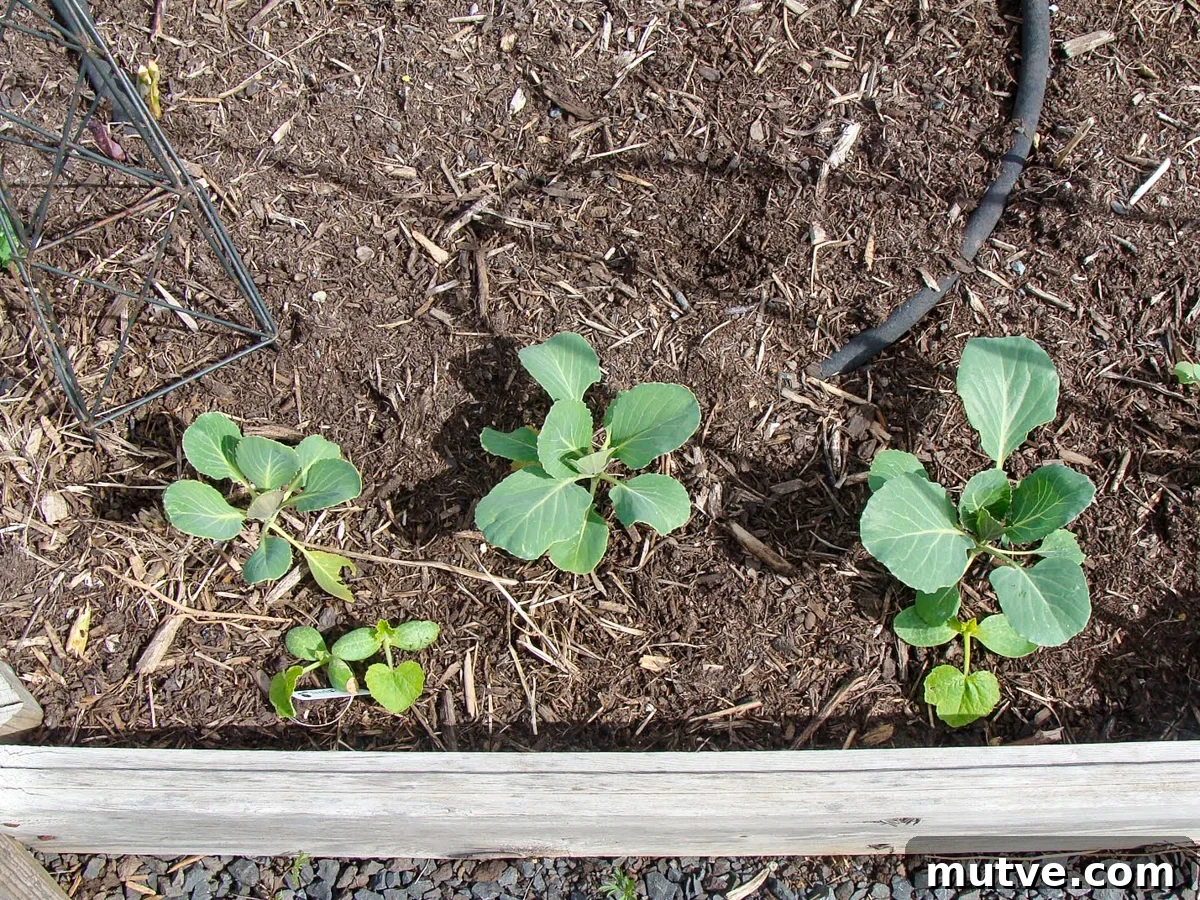
Just a few feet away, uncovered plants planted at the same time are noticeably smaller. They received the same soil amendments and water but lacked the microclimate and insect barrier the covered beds enjoyed. The contrast highlights how much covers can accelerate growth and reduce pest pressure.
Clean Broccoli
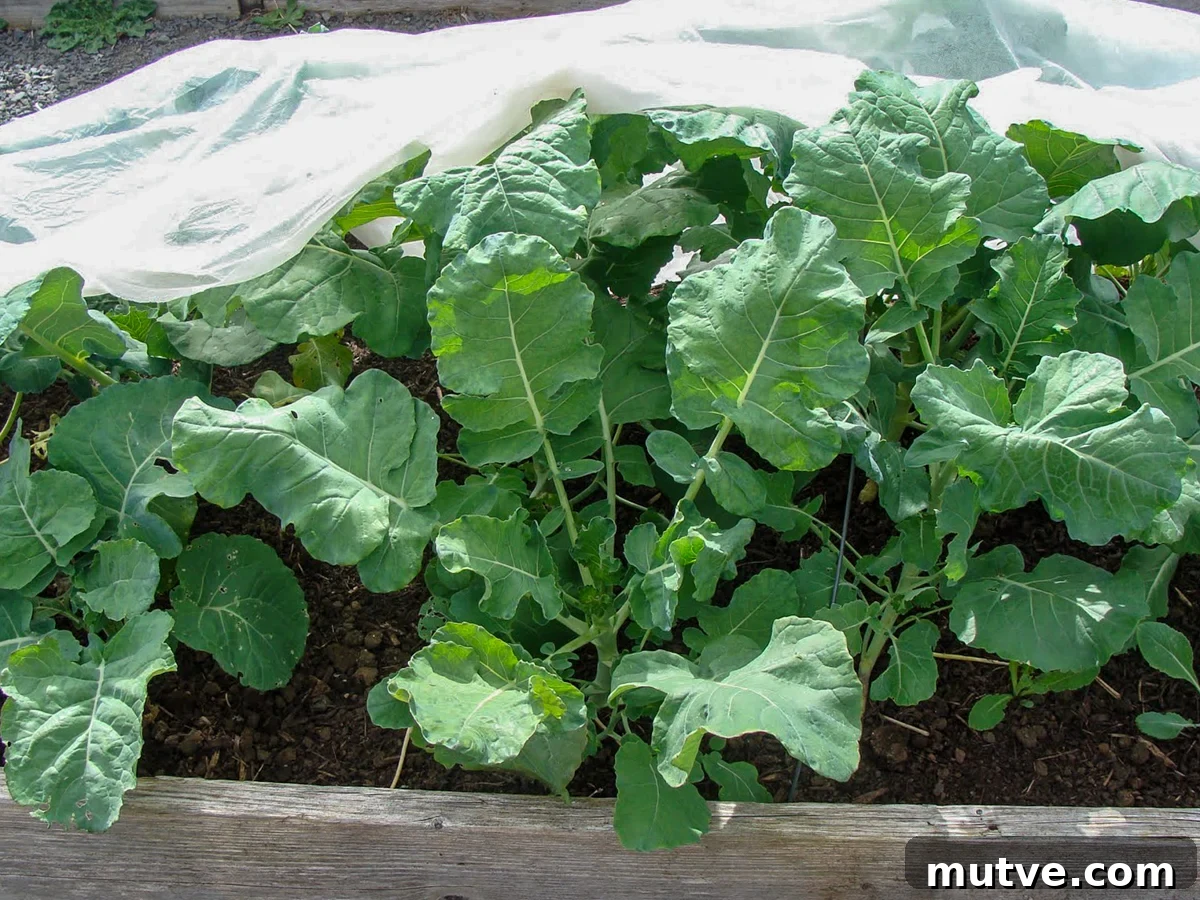
Broccoli under cover grows quickly and begins to bud earlier. Leaves are largely free of flea beetle and looper damage, and aphids are significantly reduced or absent. Using covers is a straightforward, organic way to get clean, harvestable broccoli straight from the garden.
More On Using Row Covers
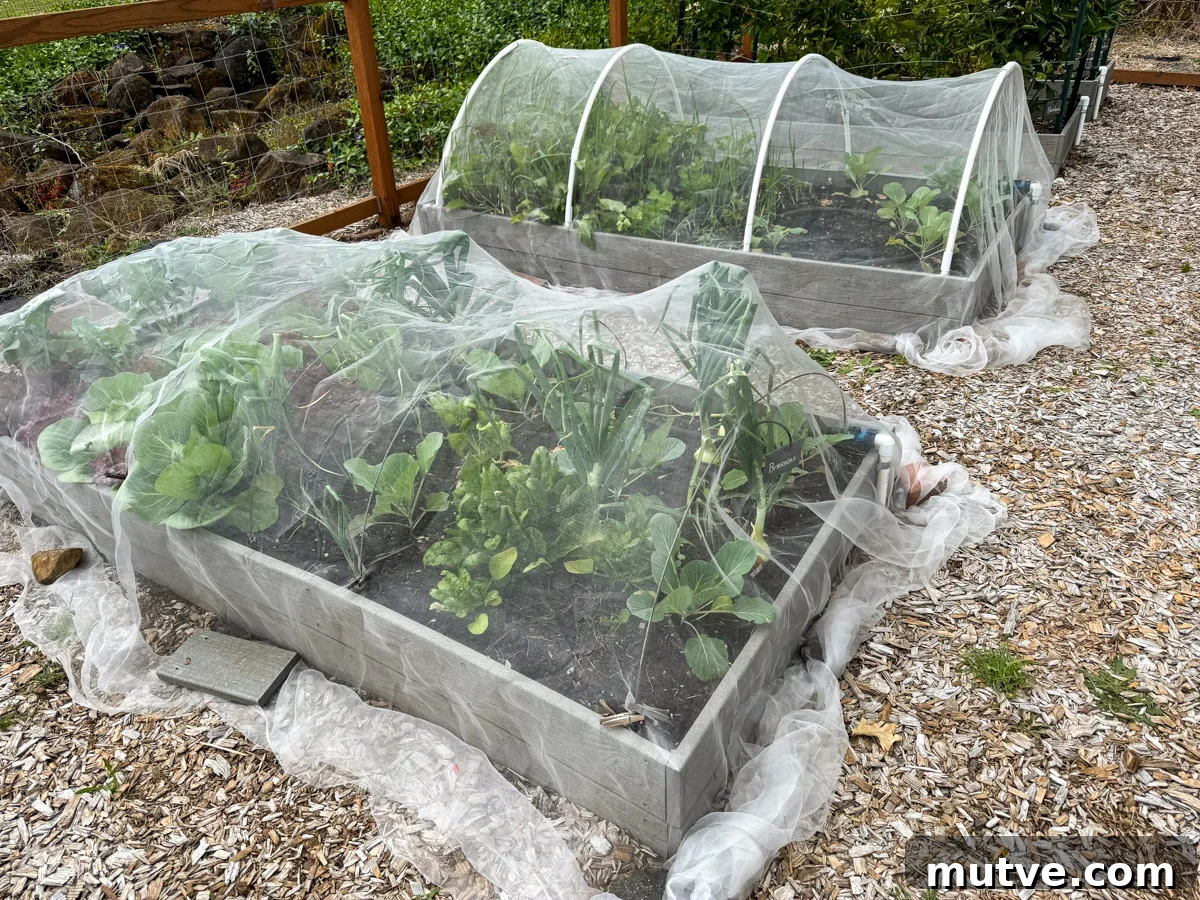
For later plantings or warmer seasons, switch to insect netting with a larger weave that still excludes larger pests but allows more airflow. I often leave insect netting on beds all season when ground squirrels or other larger pests are a problem. Netting reduces much of the insect pressure while keeping out nibbling mammals.
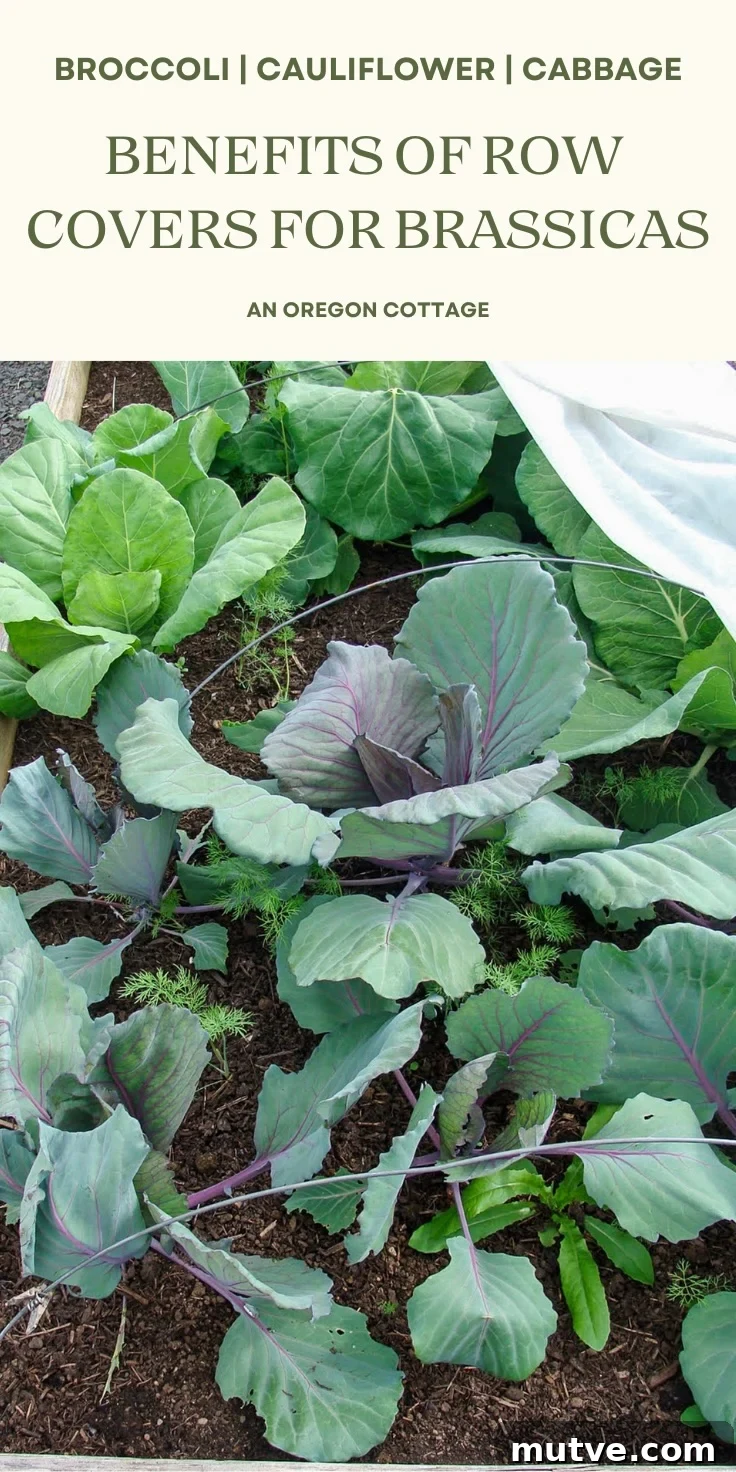
I’ve also found companion planting can help in some situations. For example, cabbages planted with onions around them stayed quite clean in my garden. The onion barrier seemed to deter cabbage loopers until the onions were removed. While companion planting can reduce some pests, row covers remain the most reliable method to prevent aphids on broccoli.
So, what are the benefits of using row covers again?
In short, covering broccoli, cabbage, and cauliflower offers several clear advantages:
- Reduced insect damage and cleaner harvests
- Faster maturity and earlier harvests
- Healthier, more vigorous plants
- Protection from wind, heavy rain, and hail
This article has been updated — it was originally published in 2010.
Disclosure: affiliate links in this article may earn commission based on sales, but this does not change your price.