
Chef Anne Burrell didn’t just teach recipes—she inspired a love of cooking. With her energetic presentation, signature wild blond hair, and infectious enthusiasm for food, she turned ordinary meals into celebrations. Watching her felt like receiving a lively cooking lesson and a pep talk at the same time.
She made the kitchen feel inviting rather than intimidating, whether she was insisting “brown food tastes good!” or showing how to make pasta by hand. These are the cooking lessons from Anne Burrell that stick with us—practical, passionate, and simple to use every day.
Season everything with heart
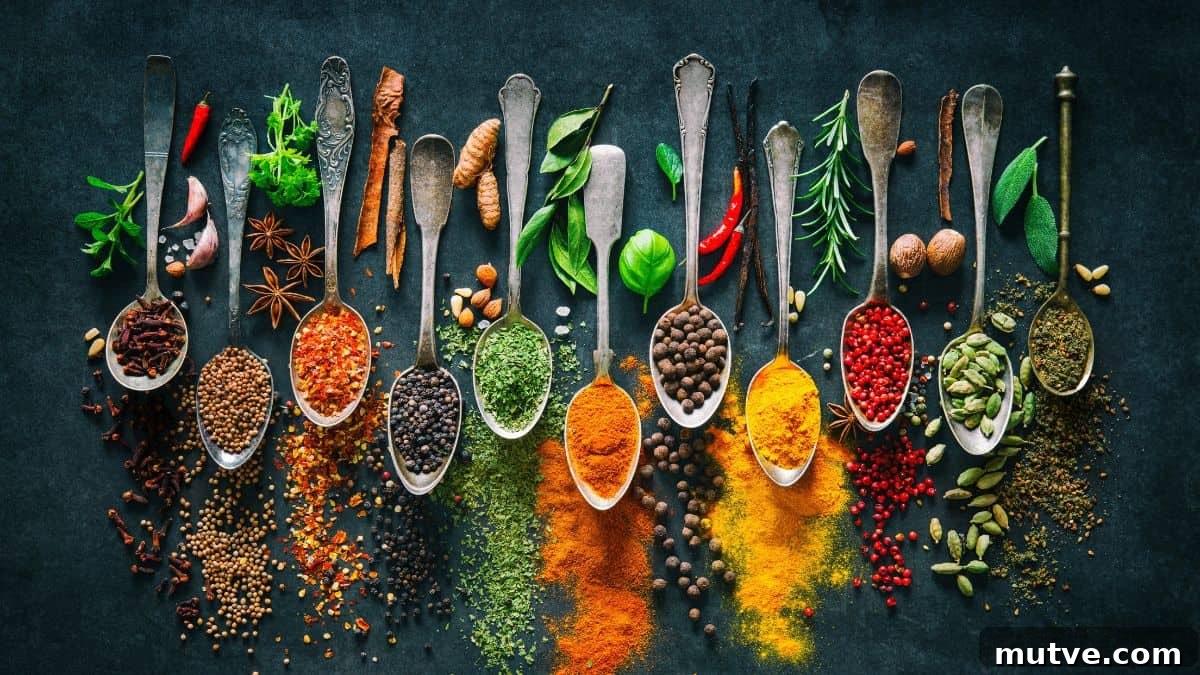
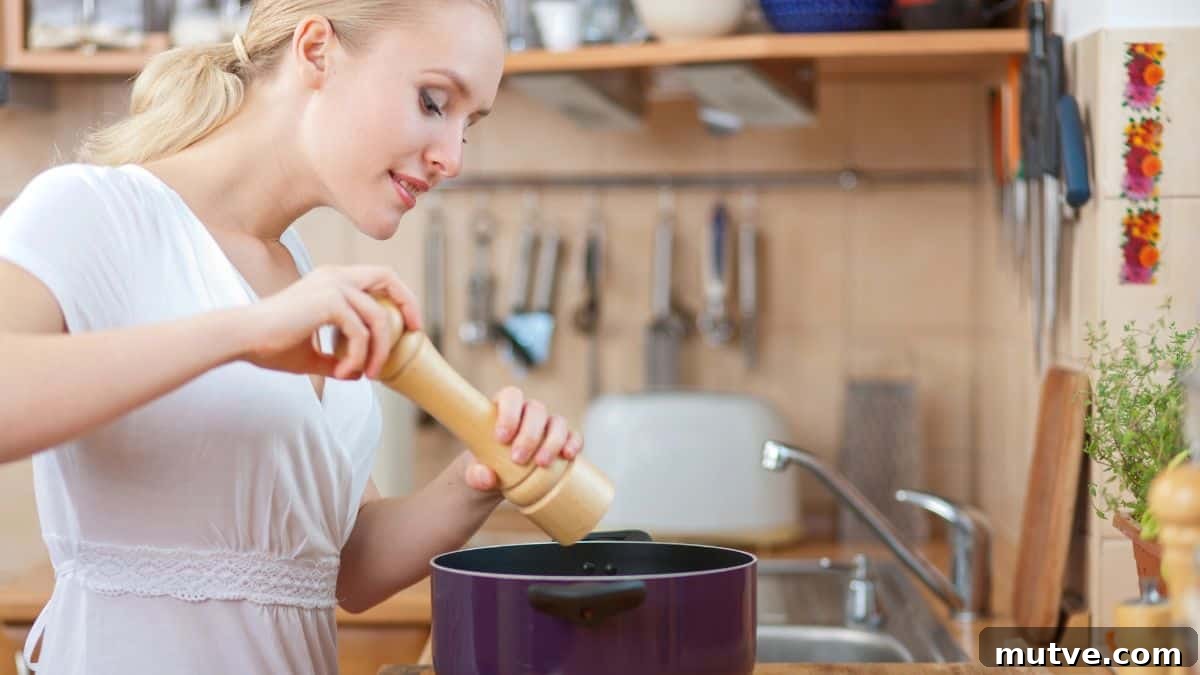
Anne made seasoning feel intentional. Rather than adding salt only at the end, she advocated seasoning each layer of a dish so flavors build naturally. That simple habit elevates everything from sauces to roasted vegetables.
It wasn’t just about salt—her point was to pay attention to balance and depth. Seasoning with care turns basic ingredients into memorable food.
Believe in yourself in the kitchen
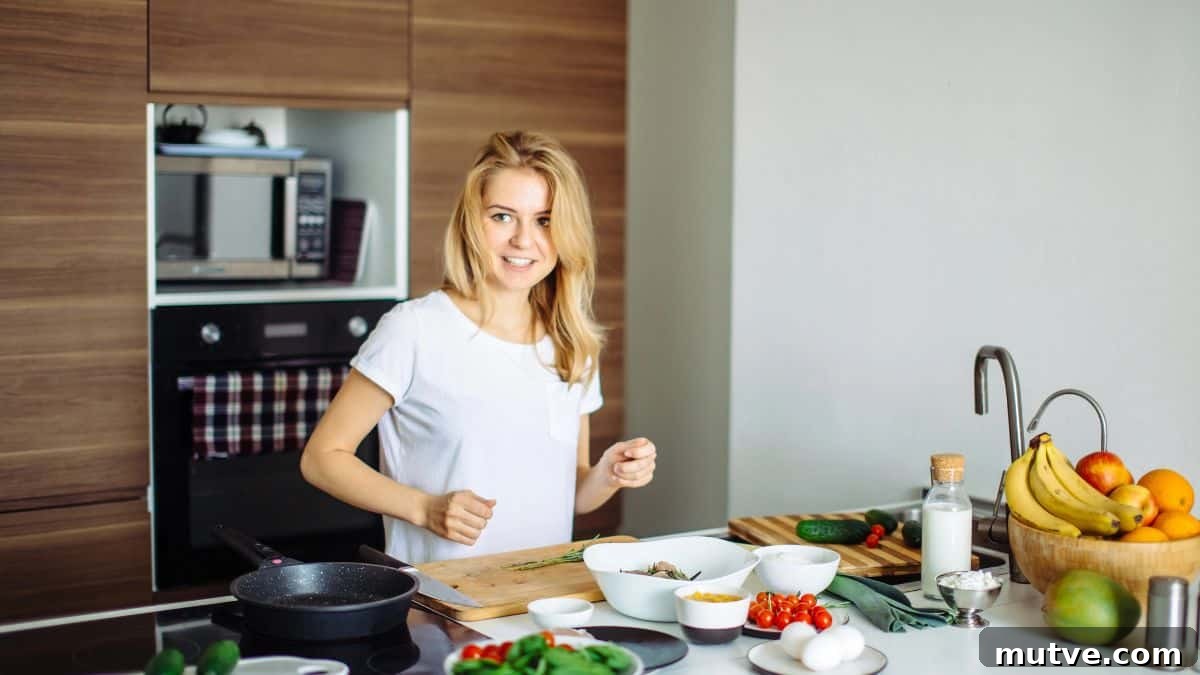
Confidence was one of Anne’s core lessons. She urged cooks to trust their instincts, taste as they go, and not fear mistakes. Cooking is a process of experimentation—tasting, adjusting, and learning.
When you cook with confidence, you make bolder choices, adapt recipes, and ultimately enjoy the kitchen more. Treat confidence like an ingredient you add freely.
Let the onions take their time
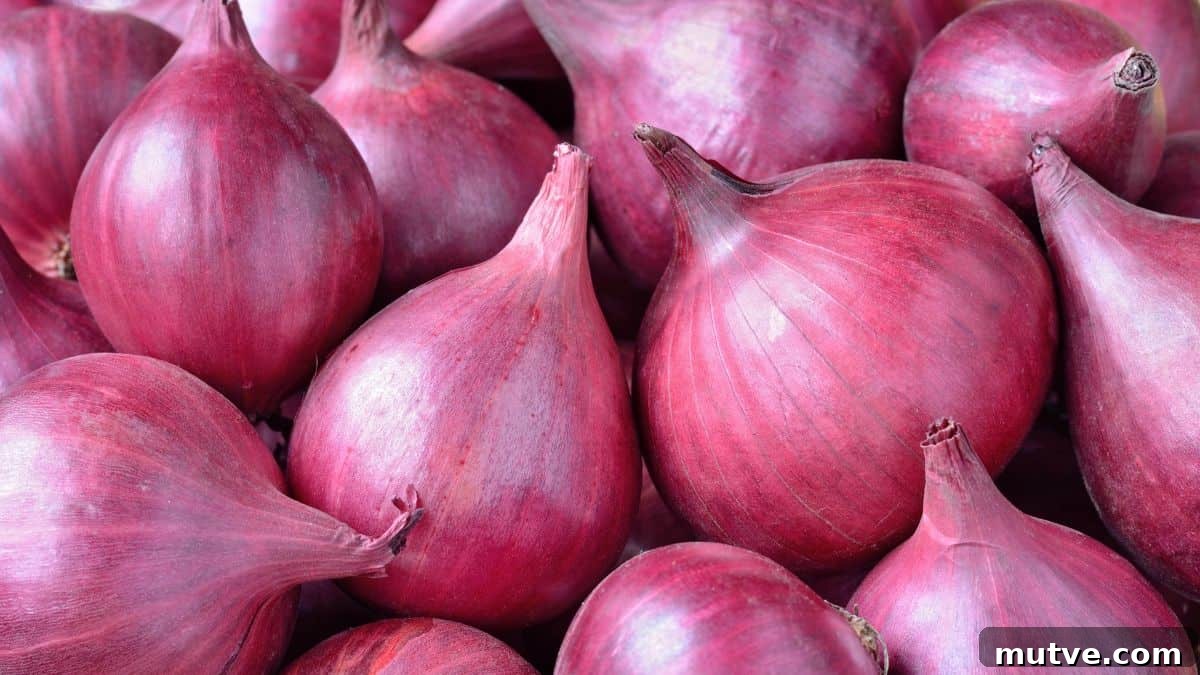
Slow-cooked onions release sweetness and depth you can’t achieve quickly. Anne’s advice to let onions brown patiently transforms soups, sauces, and braises by adding complex savory-sweet notes.
Her mantra that “brown food tastes good” is a reminder that patience in the pan rewards you with richer, more interesting flavors.
Be ready before you start
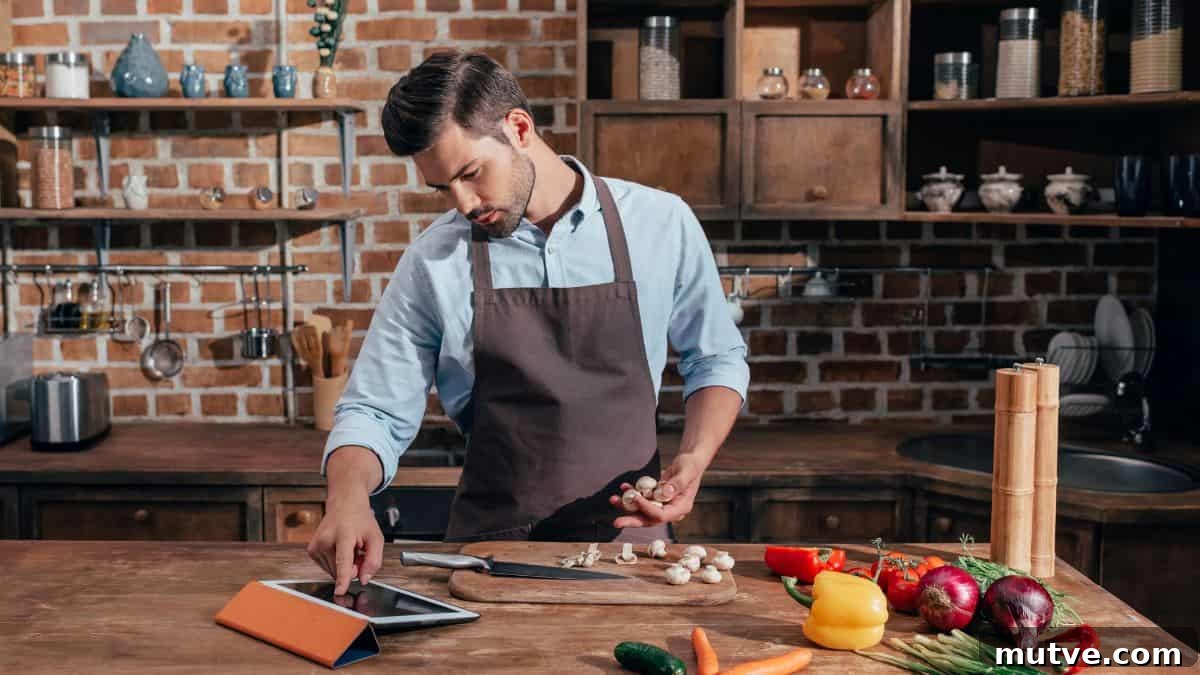
Mise en place—having ingredients prepped and organized—is more than a clever phrase; it’s a workflow that keeps cooking calm and efficient. Anne emphasized prepping everything before turning on the heat.
When you have a clear plan and all components at hand, the process becomes smoother and the results better. This is a foundational cooking tip for home cooks and pros alike.
Use the good olive oil
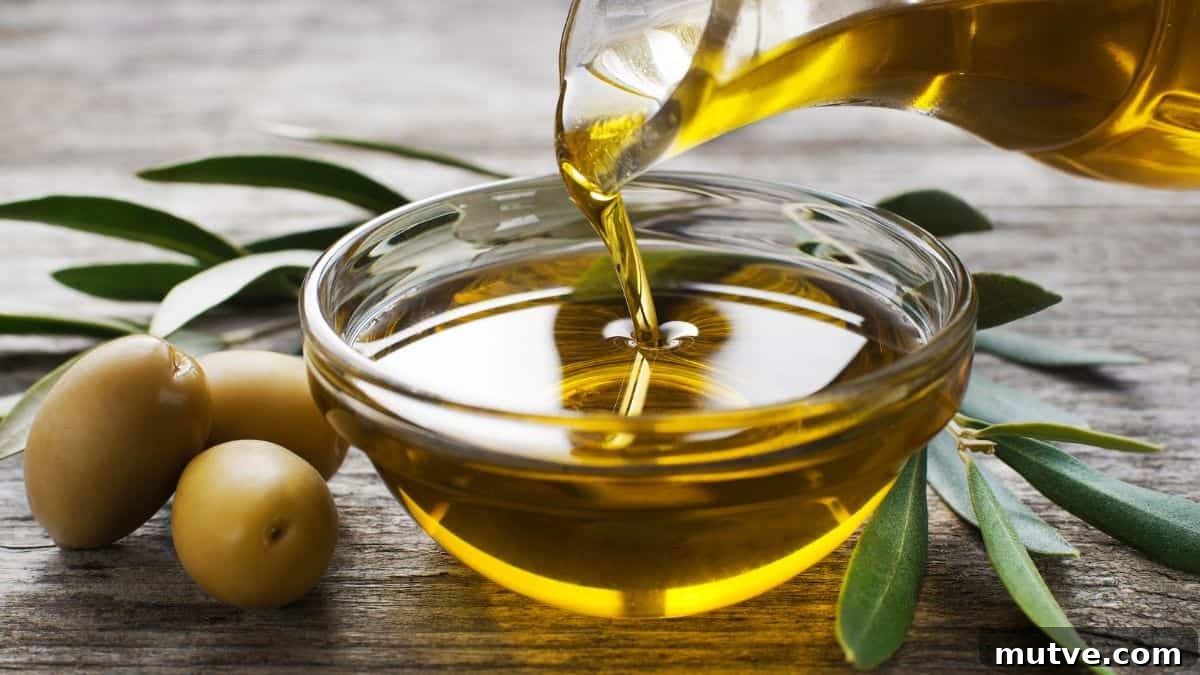
Quality ingredients matter. Anne often pointed out how a good olive oil—used for finishing or dressing—can make simple food shine. Simple touches like a drizzle of excellent oil add aroma and roundness to a dish.
Choosing ingredients that taste good to you is part of caring for the food you prepare. Good oil is one of those easy investments with a big payoff.
Respect the ingredients
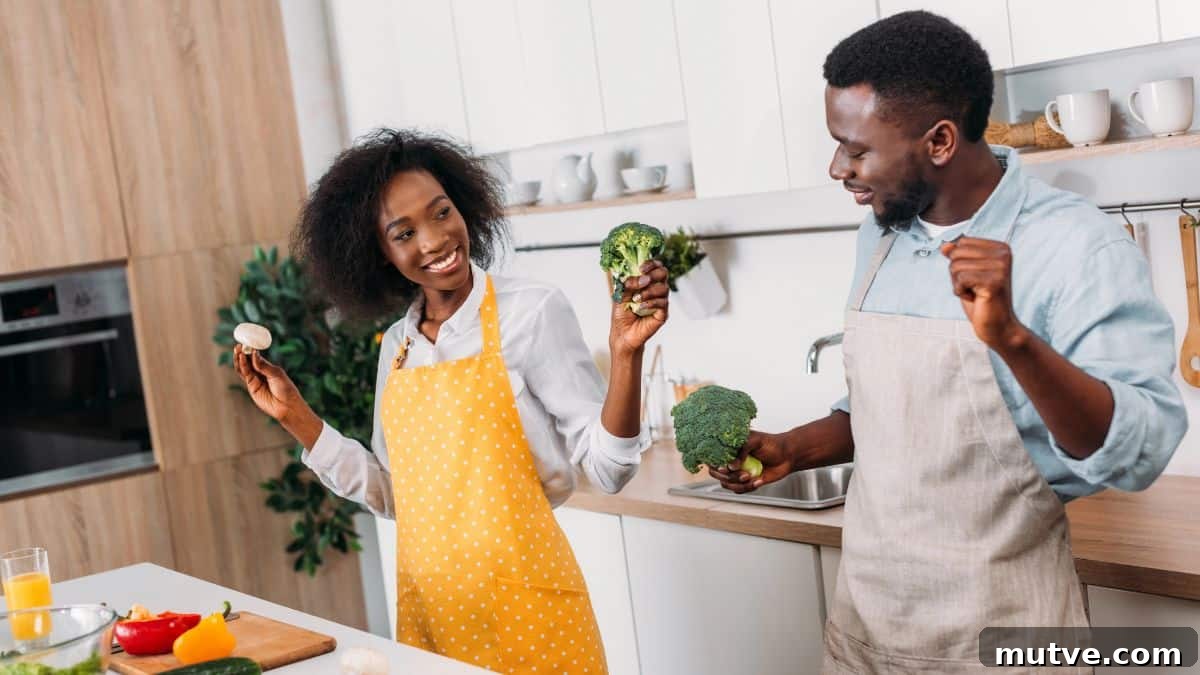
Anne handled ingredients thoughtfully, coaxing flavor out of each element rather than overwhelming them. Treating produce and proteins with care yields better texture and taste.
Respecting ingredients means learning how to handle, season, and cook them to their strengths—simple choices that improve every recipe.
Don’t be afraid of heat
High heat is a tool. Anne taught that searing and browning require confidence with the flame to develop crusts and caramelization. Learning how to control heat gives you more flavorful outcomes.
Once you understand when to turn the heat up or down, you gain control over texture and color—two big parts of what makes food appealing.
Save the pasta water
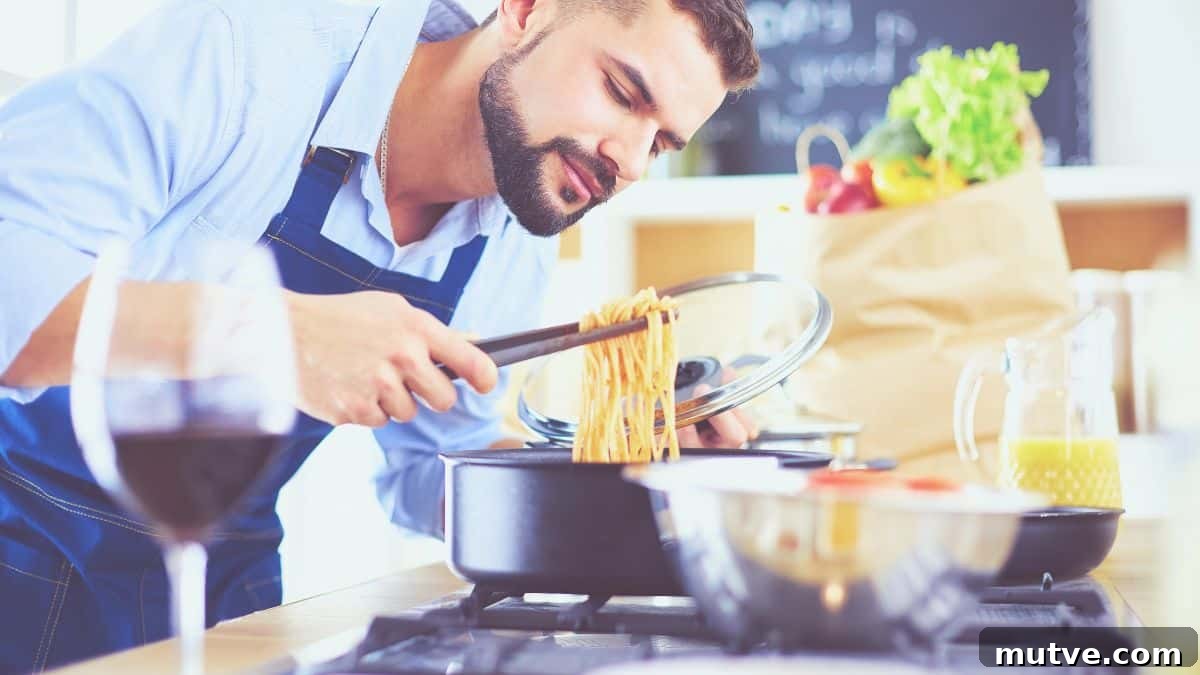
Pasta water is a simple, powerful trick. The starchy water helps emulsify and loosen sauces so they cling to pasta, creating a silkier, more cohesive dish. Anne called it a secret weapon for achieving professional results.
Keeping a small ladle of that water handy lets you adjust texture without adding extra fat or heavy liquids.
Clean as you go
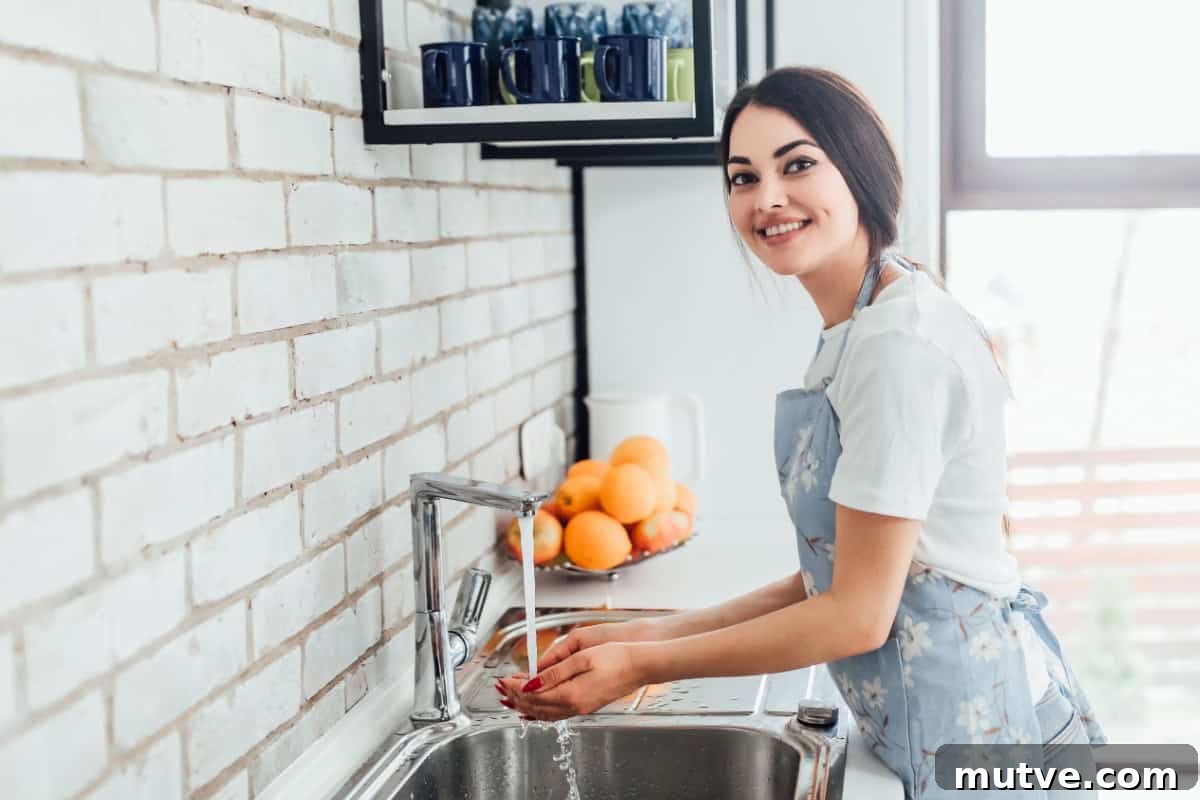
Practical habits matter. Anne advocated cleaning while you cook to keep the workspace manageable and the final cleanup light. This makes cooking less stressful and keeps the kitchen inviting.
Working in a tidy space also helps prevent mistakes and keeps you focused on the dish rather than the mess.
Taste, taste, taste

Tasting at every stage is essential. Anne modeled constant tasting so you can adjust seasoning, acidity, and texture before it’s too late. Think of tasting as an ongoing conversation with your food.
When you taste repeatedly, you learn to recognize what a dish needs and how flavors develop during cooking.
Keep practicing
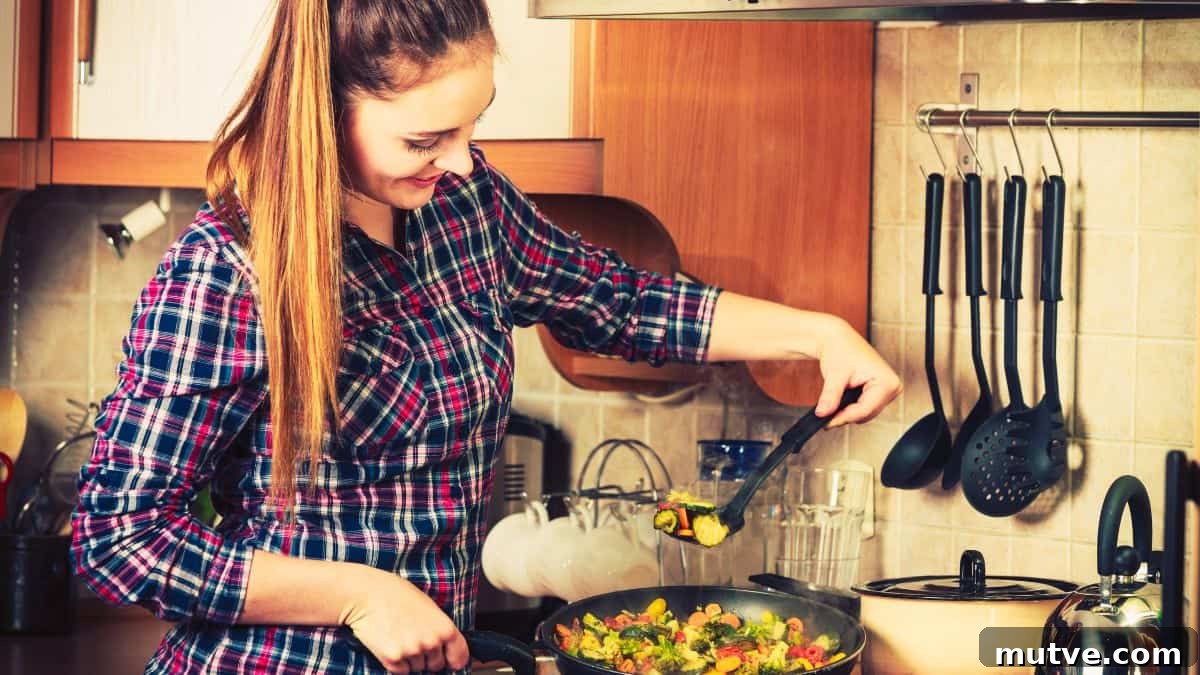
Even great chefs make mistakes. Anne’s willingness to admit errors and try again encourages home cooks to experiment without fear. Cooking skill grows through practice, repetition, and reflection.
Keep trying new techniques and recipes—each attempt builds confidence and competence.
Finish with fresh herbs
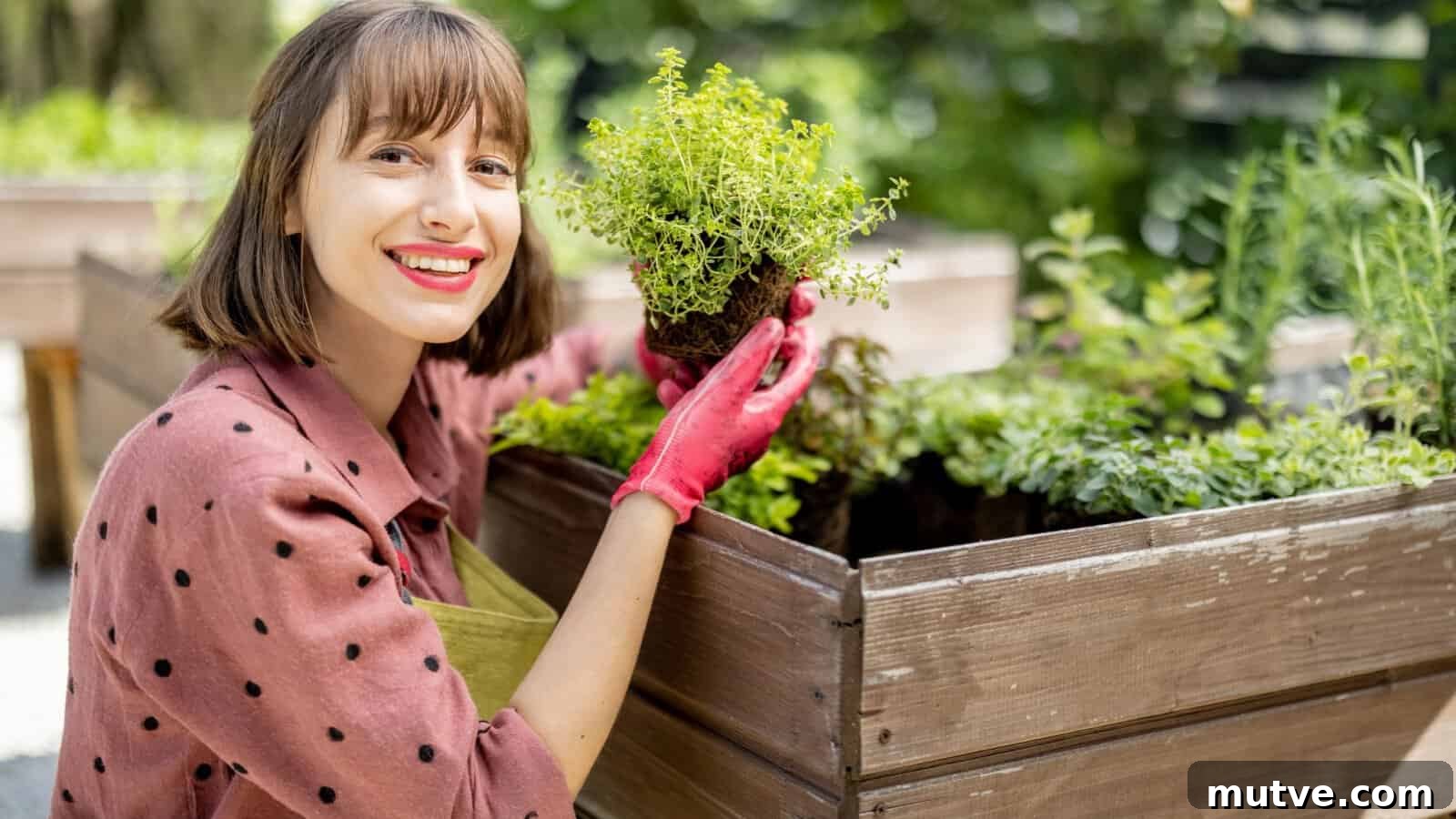
A final sprinkle of fresh herbs brightens and lifts a finished dish. Parsley, basil, chives, or a little lemon zest at the end adds contrast and an appealing fresh note—what Anne called the “jewelry” of a plate.
Simple finishes like herbs make home cooking feel polished and vibrant.
Roast until golden
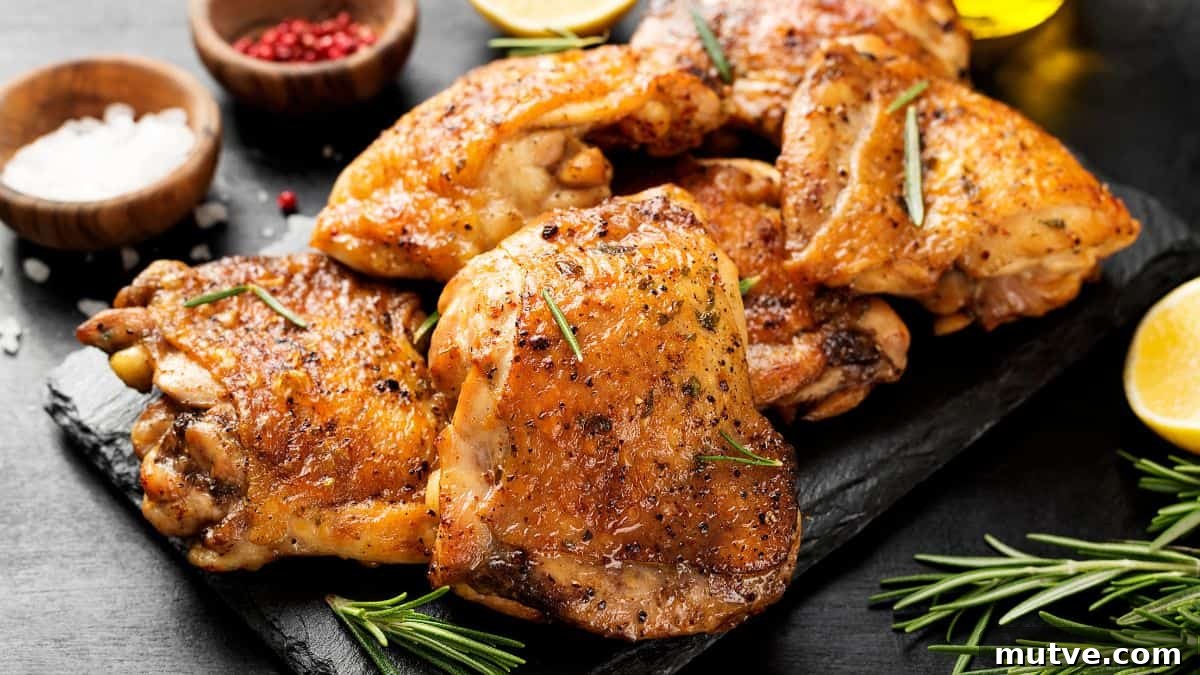
Roasting at a high temperature yields caramelized, crispy edges and deep flavor. Anne advised not to overcrowd pans and to let vegetables and proteins develop color for the best texture and taste.
Proper roasting transforms humble ingredients into something craveable and satisfying.
Keep it simple
Complexity isn’t necessary for delicious food. Anne showed how a few excellent ingredients—tomatoes, good olive oil, fresh herbs—can create a memorable meal. Let the primary flavors speak clearly.
Simplicity often leads to the most satisfying dishes when technique and quality ingredients do the heavy lifting.
Cook to connect

Above all, Anne believed food brings people together. Cooking is an act of sharing and care; the best meals are those enjoyed with others. A table filled with food becomes a place for laughter, conversation, and memory-making.
Her lessons are practical and human: cook with attention, taste often, and share the results. That spirit—food as connection—is perhaps the most enduring gift she gave home cooks everywhere.