
Pop open the champagne and light the fireworks — it’s time to celebrate the New Year! Before you plan your menu, consider adding traditional foods from around the world that symbolize good luck, health, and prosperity. Below are nine foods commonly served to invite blessings as the year turns.

These dishes carry symbolic meaning in many cultures. Choose one or combine several to create a meaningful, delicious way to welcome the days ahead.
Foods with Positive Vibes
1. Legumes
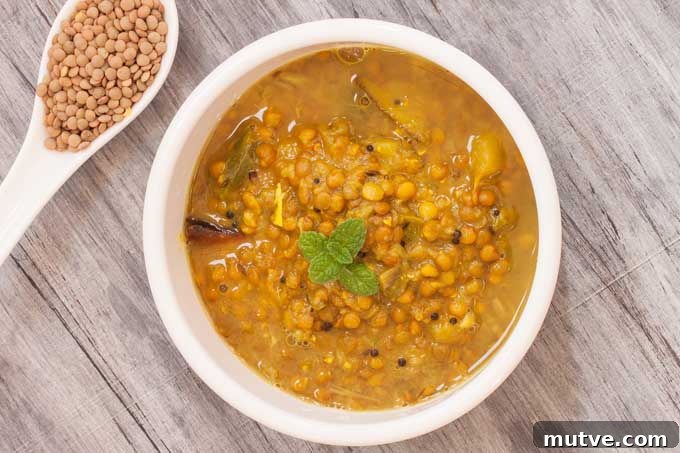
Lentils and other legumes are a common New Year’s food in parts of Europe and Latin America. Their coin-like shape makes them a natural symbol of prosperity, and they’re often served as a rich soup or stew before a main course. In the American South, black-eyed peas are eaten for similar reasons: they represent coins and wealth and are traditionally paired with ham and greens. In some Jewish traditions, legumes feature during Rosh Hashanah celebrations as well.
2. Grapes
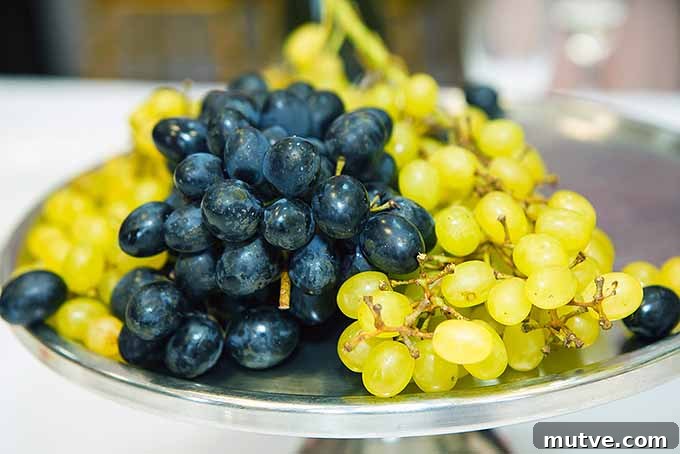
In Spain, Mexico, and other countries it’s considered good luck to eat a series of grapes as the clock strikes midnight. The tradition ties to an abundant grape harvest in the past and to the grape’s round shape, which echoes coin imagery. In the Philippines, round fruits in general are a popular New Year’s choice because they symbolize prosperity.
3. Pork
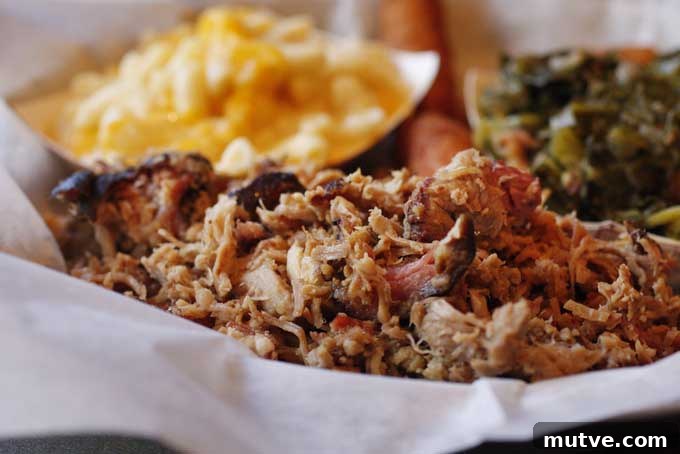
Pork dishes — ham, bacon, sausage, or roast pork — are widely regarded as lucky in many cultures. The association likely comes from the way pigs root forward, symbolizing progress and movement into the future. Popular preparations include pulled or smoked pork and spicy sausages from Central and Eastern Europe.
4. Circular Sweets
Round sweets — doughnuts, ring cakes, and other circular treats — carry symbolism of continuity and unity. Serving circular desserts such as doughnuts, bundt cakes, or round cookies is a festive way to add a hopeful note to the meal and a sweet start to the new year.

Try homemade jelly doughnuts or a simple two-ingredient bundt cake for a celebratory dessert.

5. Greens
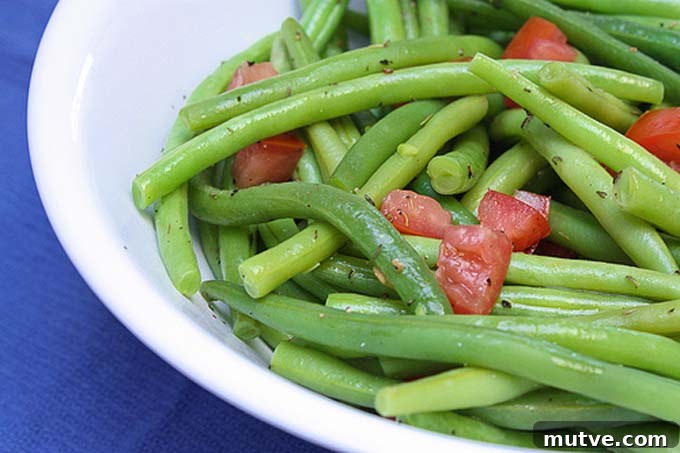
Green vegetables symbolize life, renewal, and financial stability. Dishes like kale salad, collard greens, sautéed kohlrabi, or simply seasoned green beans are traditional choices for holiday tables. A sprig of parsley has also been used in some cultures to ward off ill fortune and bring freshness to the meal.
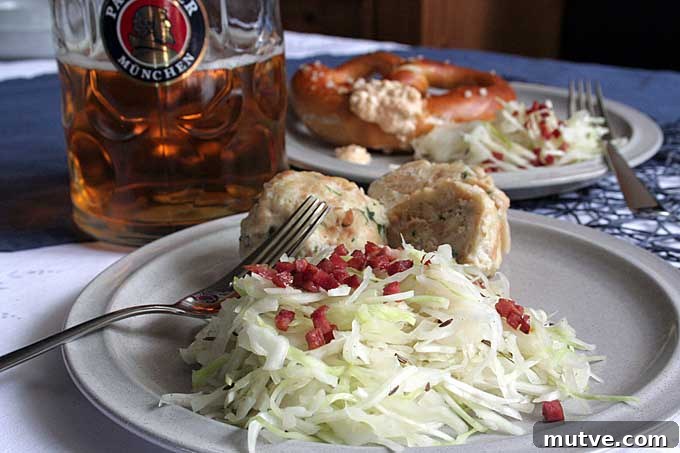
6. Cabbage and Sauerkraut
Cabbage and its pickled form, sauerkraut, are popular winter foods that also carry meanings of abundance and wealth. In many families, cabbage accompanies roast pork or ham as a comforting New Year’s dinner; leftovers make a handy meal for the following day.
7. Apples
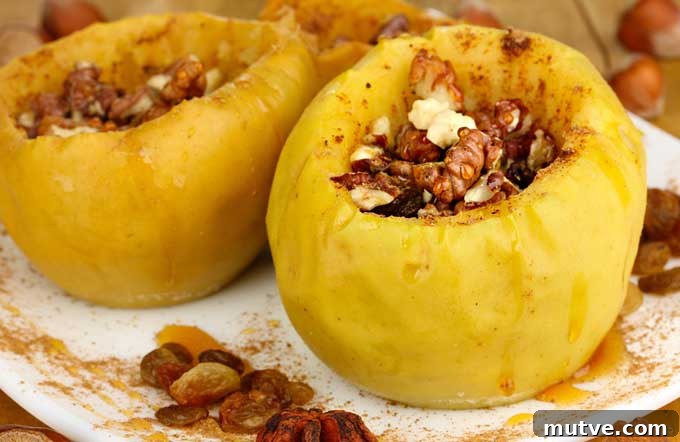
Apples play a role in several traditions. In Jewish custom, apples dipped in honey for Rosh Hashanah express a wish for a sweet year ahead. In English wassailing customs, warm spiced cider was shared to encourage a bountiful harvest. Apples’ round shape and pleasant flavor make them a fitting addition to celebratory menus.
8. Beets
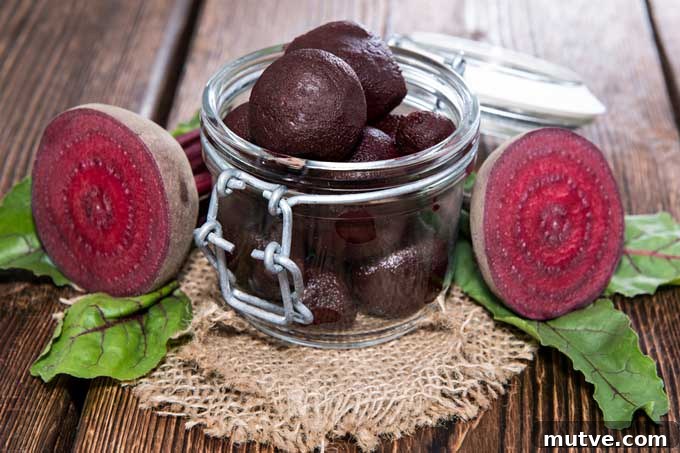
Beets are a hearty winter vegetable used in Eastern European and Jewish holiday dishes. They appear in soups, salads, and roasted root vegetable mixes, and in some traditions they symbolize deliverance or the removal of obstacles in the year ahead.
9. Fish
Fish often appears on New Year’s tables in many parts of the world. In some Asian cultures the word for fish sounds like the word for “surplus,” so serving fish symbolizes abundance. Whole fish may be presented to represent a wish for a continuous, prosperous year.

Bad Ju-Ju Foods
Just as some foods invite good luck, others are traditionally avoided. Shellfish and crustaceans — lobsters, crabs, and similar seafood — are sometimes considered unlucky because they move backward and are thought to symbolize regression. Likewise, poultry is sometimes skipped because chickens scratch backward when foraging, a motion associated with lack of forward progress.

Start the Countdown
With these ideas, you can assemble a New Year’s menu that’s both delicious and meaningful. Some people like to leave a little food on the table at midnight as a sign of future abundance, while others focus on serving specific symbolic dishes to invite luck, health, and happiness.

Feast well, raise your glass, and welcome a successful New Year. Happy holidays!
How do you celebrate? Share your traditions and favorite New Year’s dishes in the comments.
Jelly Donut photo by Kendall Vanderslice, World’s Easiest Cake and Cabbage Salad photos by Nina-Kristin Isensee, © Ask the Experts, LLC. ALL RIGHTS RESERVED. Uncredited photos: Shutterstock.