I’m sharing my experience with active tuberculosis. Nothing I say is medical advice. If you suspect an infection, please consult your doctor. Everything I describe is my personal experience and should not replace professional guidance.
This is part 1 of my story; it became long so I split it into two parts. I’m publishing both the same day. If you want to read the continuation, see Part 2.
Three years ago today I was released from the hospital, and the whole experience still feels surreal. I want to share the timeline of events and what I went through so others can recognize symptoms and know what to expect from the medical process.
In April 2016, after months of an unrelenting cough and growing chest pain, I ended up in the hospital. Several clinicians initially thought the cough was caused by acid reflux; I was even prescribed reflux medication and muscle relaxers. Nothing helped.
The coughing was constant and painful—I could barely have a conversation without interrupting it to cough. After multiple visits and tests, the diagnosis was not reflux: I had active tuberculosis.
Many people assume I mean latent TB or just exposure when I mention tuberculosis. Being exposed to TB does not necessarily mean you are contagious or sick; many people carry the bacteria in a dormant state and never develop active disease. For me, though, the infection became active and contagious.
The question I get all the time when I tell someone I had tuberculosis
People often ask if I was vaccinated against TB. In the United States we don’t routinely receive the BCG vaccine that is given in some countries, and even that vaccine does not fully prevent tuberculosis. TB is caused by bacteria and is treated with multiple antibiotics; some strains can be antibiotic-resistant.
I remember the old TB skin tests from childhood: a small injection and a circle drawn around it, followed by a check after 48 hours. Back then, my tests were always negative.
The urgent care clinic sends me home with a Z-Pak
A few weeks before my hospital visit, while shopping, my coughing was so bad that other customers stared. I felt awful at the thought I might have exposed people. My husband insisted I go to urgent care.
At urgent care they heard wheezing and gave me a breathing treatment, a chest x-ray, and a Z-Pak (azithromycin). The clinic told me the x-ray showed no pneumonia. The antibiotics did not relieve the cough, and the breathing treatment only helped slightly.
A trip to the allergy doctor
I had an appointment with my allergy doctor who had been following my symptoms. He listened to my lungs and asked the nurse to pull the radiology report from the urgent care visit. When the nurse handed me the report, I was surprised to see it said pneumonia. The urgent care provider had apparently missed it on initial review.
I had been planning an evaluation for possible reflux that involved an upper endoscopy and a 48-hour pH test, but the cost and uncertainty led me to postpone that procedure. The allergy doctor decided to delay starting allergy injections because my cough sounded worse.
My sleep specialist / pulmonologist orders a CT scan
I also see a sleep specialist who is board-certified in pulmonology. When he heard my cough he reviewed the x-ray and confirmed the radiology report showed pneumonia. He explained that the initial urgent care read had been superseded by a radiologist’s interpretation, and that no one had called me with the update.
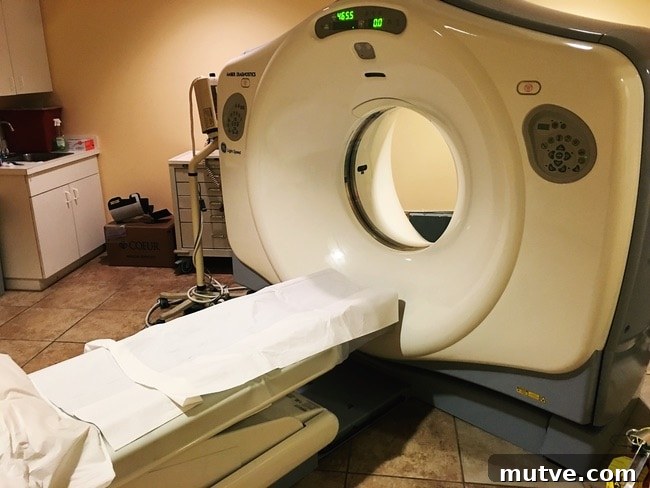
Because the x-ray didn’t explain the severity of my symptoms, he ordered a CT scan. The CT showed more extensive infection than the x-ray: multiple areas of pneumonia, especially in the lower left lobe, with a clear line where the infection appeared to be walled off. He found the appearance odd and concerning and ordered blood work.
Initially he thought the pattern might represent aspiration pneumonia, but I was young and otherwise healthy, so that didn’t fully fit. Given the uncertainty, he discussed bronchoscopy as a diagnostic step, though he hoped the CT and blood tests might avoid that invasive procedure.
My doctor said it looked like I had aspiration pneumonia
The CT findings and blood work raised more questions than answers. The doctor explained that some labs indicated infection and that a bronchoscopy might be needed to see inside my airways and to collect samples for biopsy and cultures.
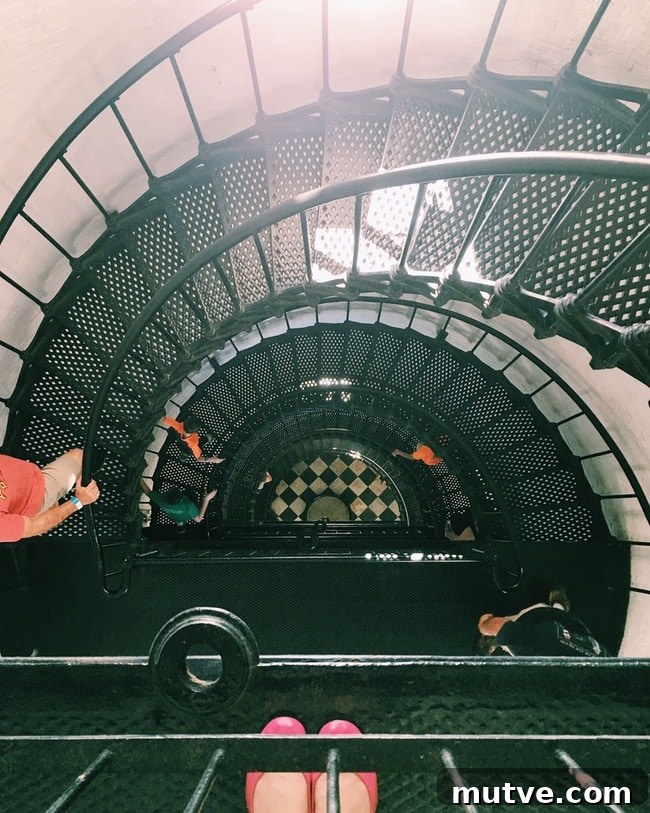
I had a work trip scheduled that week; the doctor reassured me it was okay to go while the authorization for the bronchoscopy was arranged. I went on the trip despite being very short of breath and coughing continuously. I even climbed a lighthouse with 219 steps, which I look back on now and can’t believe I tried while so ill.
I had the bronchoscopy procedure at the hospital
The bronchoscopy was performed under anesthesia. It’s a procedure where a thin, lighted scope is inserted through the nose or mouth to examine the lungs and take samples. During my procedure they found a blocked bronchial channel and removed a blockage, plus they took a biopsy to rule out cancer.
Initially the anesthesiologist planned a light sedation approach to avoid increased coughing, but I was put fully under for the procedure. The doctor told my husband they had loosened and removed the blockage and expected I might breathe a bit easier afterward.
That night, however, I felt terrible: a deep soreness and fatigue, muscle aches, and a fever that worsened as the day went on. I pushed through to take care of a scheduled appointment for our aging dog, but by evening I knew something was seriously wrong.
I ended up in the emergency room
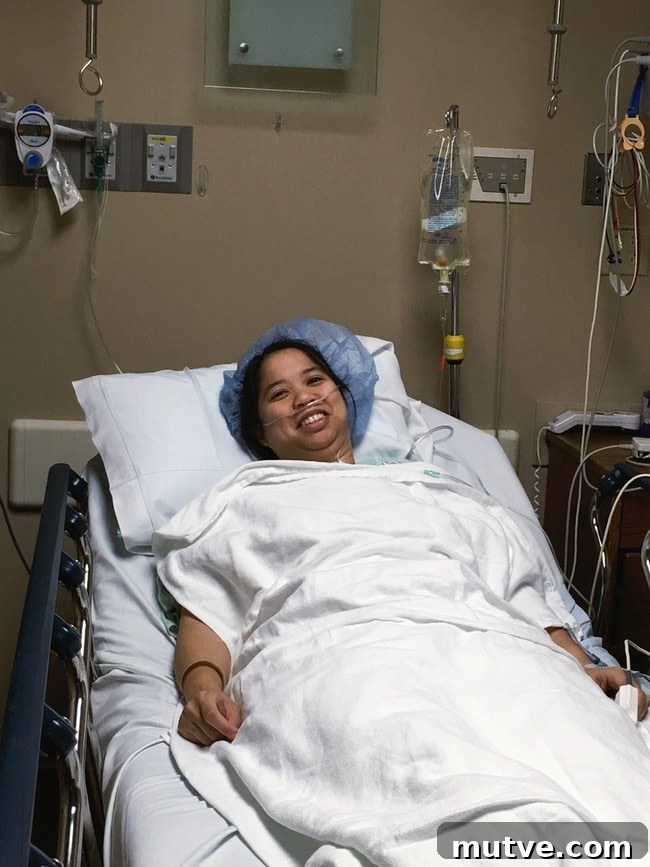
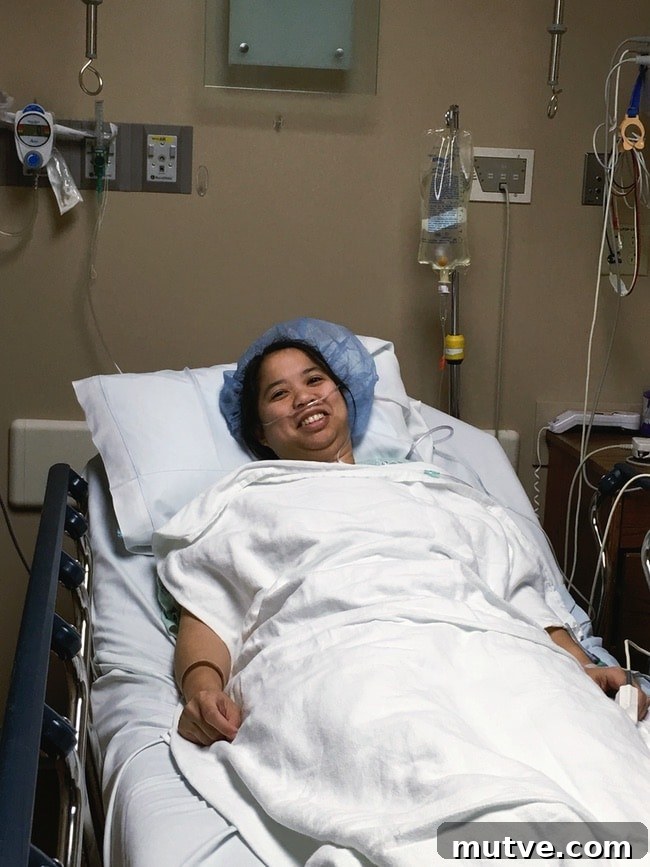
Back at the hospital the next day, I waited in the ER, was given blood tests and another chest x-ray, and eventually the ER doctor recommended admission for further evaluation. I had an IV placed, and the discomfort and fever continued. When the ER physician reviewed my CT and labs, he felt inpatient care was necessary to figure out why I was so sick.
I’m admitted to the hospital
Late that night I was transferred to a hospital room. I remember how comforting it felt when a nurse helped me plug in my phone—the small things matter when you’re alone. My husband stayed with me during the days but had to go home at night to care for our pets.
I was reluctant at first to ask for strong pain relief, but eventually the nurse persuaded me to accept medication and it made a real difference. I learned quickly to ask for what I needed and to let loved ones advocate for me if I couldn’t.
On my first full day in the hospital I noticed staff wearing masks and my roommate leaving in a mask. Then the team returned and told me the words I had been dreading: I have tuberculosis.
I heard the words: ‘you have tuberculosis’
The staff explained I would be moved to a negative-pressure isolation room to prevent spread of infection. Before they moved me, they had me gather my things and wear a mask for transport. In isolation, any staff entering had to don a disposable gown, mask, and gloves and remove them when they left, washing hands before and after.
Isolation made even small requests more complicated—each time I needed water or juice, a nurse had to plan and bring everything at once. I developed a routine: call the nurses’ station with a list of items so they could bring what I needed in one trip. (Side note: I was drinking cranberry juice because I had a mild urinary infection that they didn’t think was the main issue.)
I stayed in isolation for several days while the team gathered test results and arranged appropriate treatment.
To be continued…
To read part two, look for Part 2 where I describe the rest of my diagnosis, treatment, and recovery.
Note: Our dog Charley, who I mentioned earlier, passed away in December 2018.