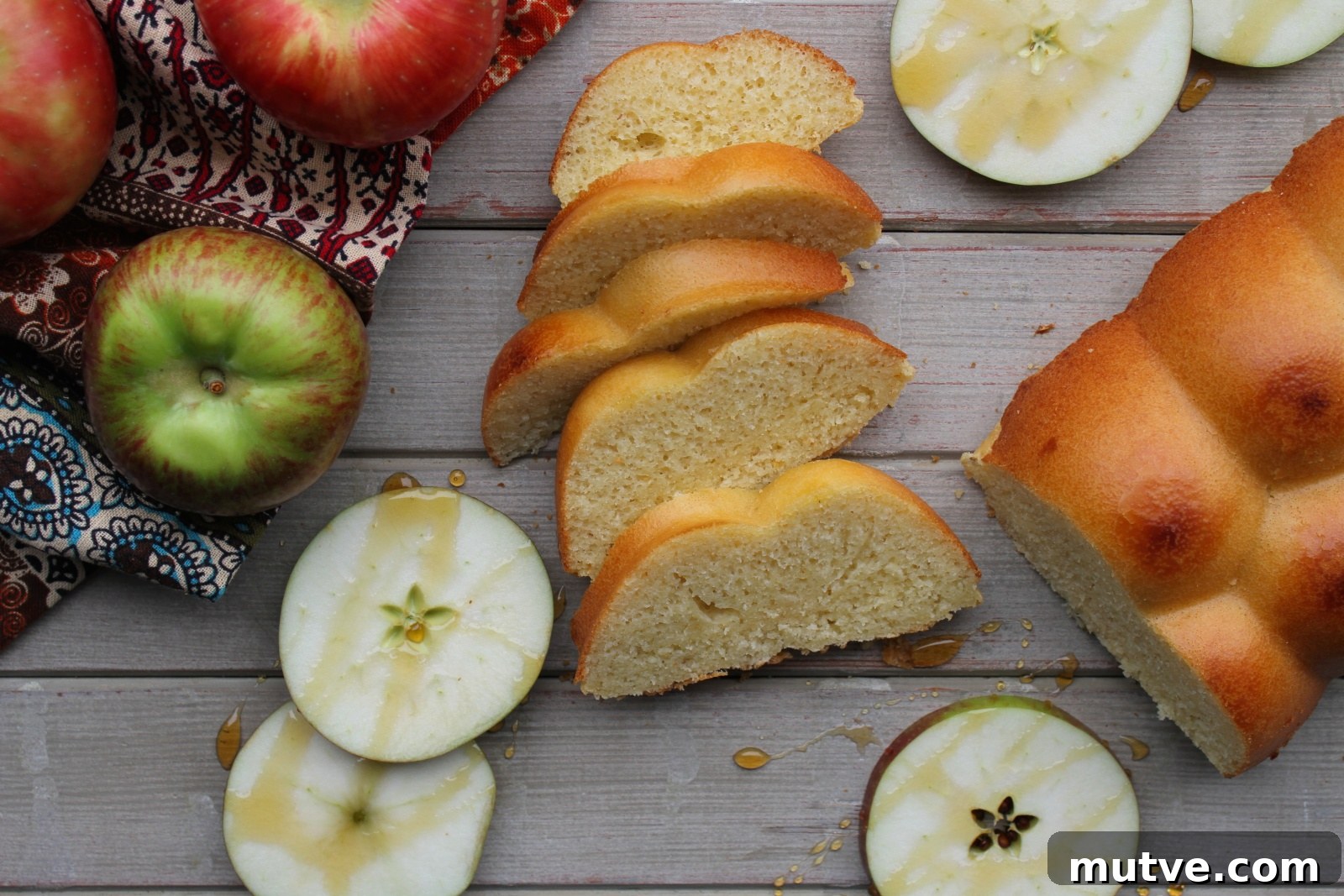
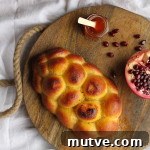
This updated Paleo challah is a grain-free, dairy-free version designed to yield a standard loaf that is both more Paleo friendly and suitable to serve with meat for those keeping kosher. The texture leans toward a cake-like batter before baking, but it bakes up with a light, bready crumb and a golden crust that feels very challah-like.
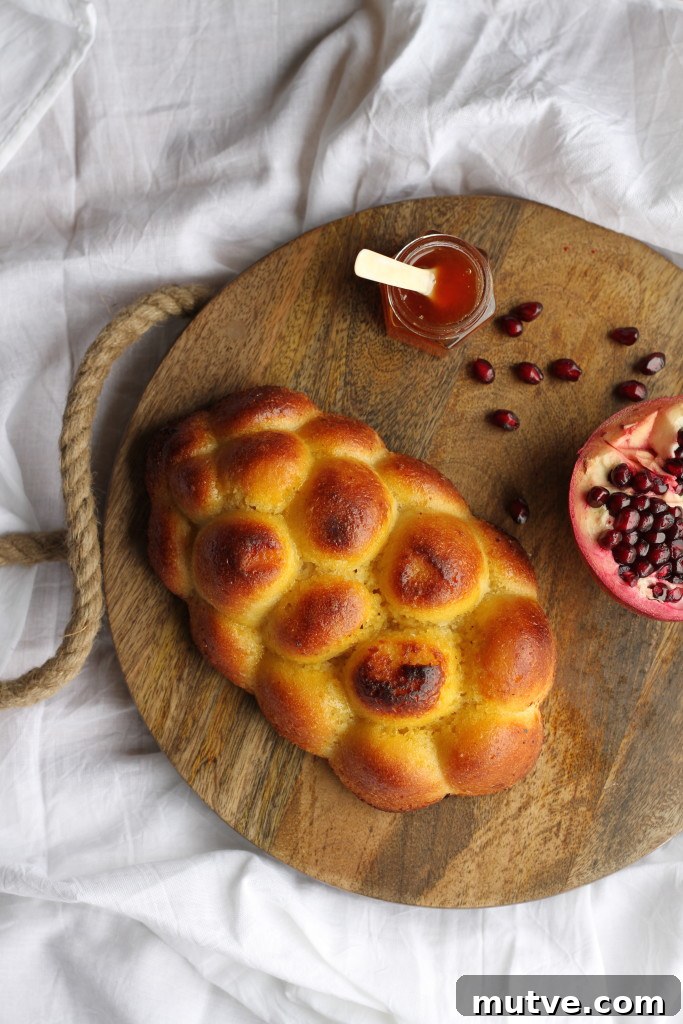
Paleo Challah – 2nd edition – grain-free, dairy-free
If you’re new to grain-free baking, this recipe is a friendly place to start. It’s quicker and simpler than some kneadable grain-free doughs, so you get a satisfying loaf without a lot of fuss. The method uses yeast and a combination of nut flour and starches, plus psyllium to help with structure and chew.
This version is made with a batter-like dough rather than a traditional elastic dough, which makes it faster and easier. It still benefits from two short rises to develop flavor and lift. The loaf bakes in about 20–25 minutes and cools to a sliceable texture that holds together well for sandwiches or toast.
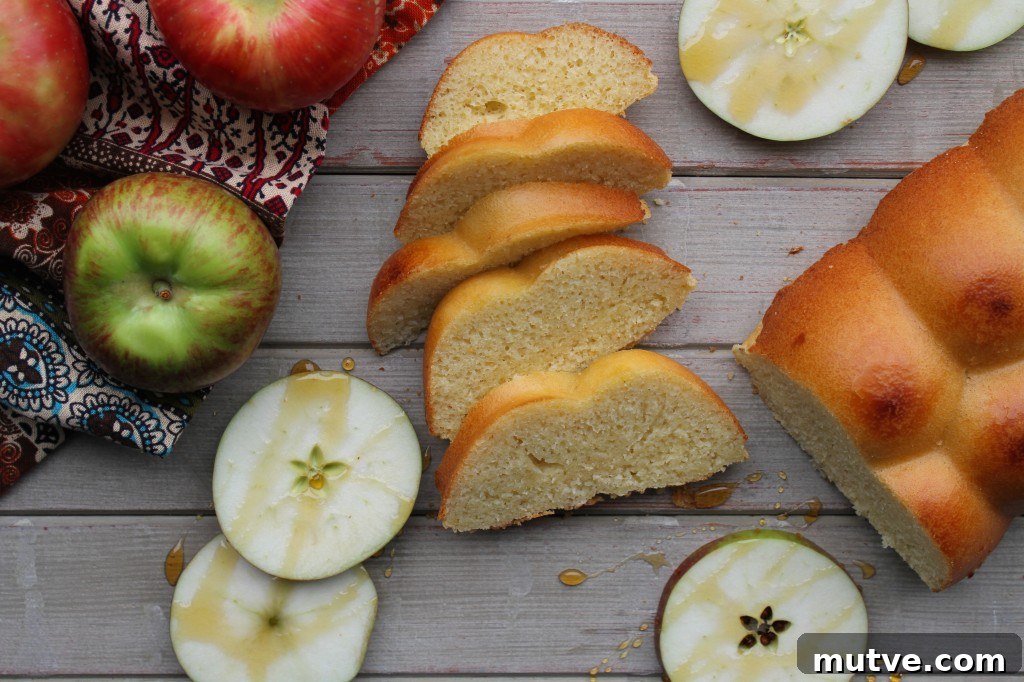
This recipe works well in a standard 9×5 loaf pan. If you prefer the traditional braided shape, you can also shape the dough into a braid or individual rolls, though the dough’s texture will be different from wheat-based challah and is best handled gently. The recipe also appears in print in a collection of gluten-free, Paleo-friendly Jewish recipes for holidays and everyday meals.
Paleo Challah – Updated
- Author: zenbelly
- Prep Time: 15 minutes, plus time to rise
- Cook Time: 20–25 minutes
- Total Time: 40 minutes + about 1 hour to rise
- Yield: 1 9×5 loaf
- Category: breads
- Method: bake
- Cuisine: Jewish
Ingredients
- 1/4 cup warm water
- 2 1/2 teaspoons yeast
- 3 tablespoons honey (divided: 1 tablespoon for proofing, the rest for the dough)
- 4 eggs
- 1/3 cup palm shortening, melted (or avocado oil or another neutral oil)
- 75 grams (scant 3/4 cup) almond flour
- 100 grams (heaping 3/4 cup) arrowroot starch
- 100 grams (scant 3/4 cup) potato starch
- 2 tablespoons whole psyllium husk
- 3/4 teaspoon salt
Instructions
- Combine the warm water, yeast, and 1 tablespoon of honey in a small bowl. Stir gently and let sit for 5 minutes until foamy. This proves the yeast and ensures it is active.
- In a mixing bowl, beat the eggs until they lighten in color. In a separate bowl, whisk together the almond flour, arrowroot starch, potato starch, psyllium husk, and salt.
- Add the melted shortening and the remaining honey to the eggs, then add the dry flour mixture. Beat until combined. The batter will be thicker than a cake batter but not like traditional wheat dough.
- Mix in the yeast mixture and beat again, scraping down the bowl so everything is evenly incorporated.
- Cover the bowl with a clean towel and place in a warm, draft-free spot to rise for about 45 minutes. The batter will puff slightly and develop a mild yeasty aroma.
- After the first rise, preheat your oven to 350°F (175°C) and grease a 9×5-inch loaf pan. Stir the batter briefly, pour it into the pan, and allow it to rise again for about 15 minutes, until it fills roughly two-thirds of the pan.
- Bake for 20–25 minutes, until the loaf is set, golden brown on top, and a toothpick inserted into the center comes out clean. Allow the loaf to cool completely in the pan before removing and slicing.
Tips, Variations, and Storage
Tips: Because this is a grain-free, batter-style dough, handle it gently. Avoid overmixing once the yeast mixture is added. To check doneness, the crumb should be set and the top well browned.
Variations: You can swap the palm shortening for an equal amount of a neutral oil like avocado oil to keep the loaf dairy-free. For a slightly sweeter challah, add an extra tablespoon of honey to the batter. If you prefer a nut-free version, choose a tested nut-free grain-free flour blend instead of almond flour.
Storage: Store cooled slices in an airtight container at room temperature for a couple of days, or refrigerate for several days. The loaf also freezes well—slice before freezing and thaw slices as needed for toast or sandwiches.
Note: This recipe is meant as a grain-free, dairy-free alternative to traditional challah. Measurements are provided in both volume and weight where useful; when possible, weighing ingredients will give the most consistent results with gluten- and grain-free recipes.