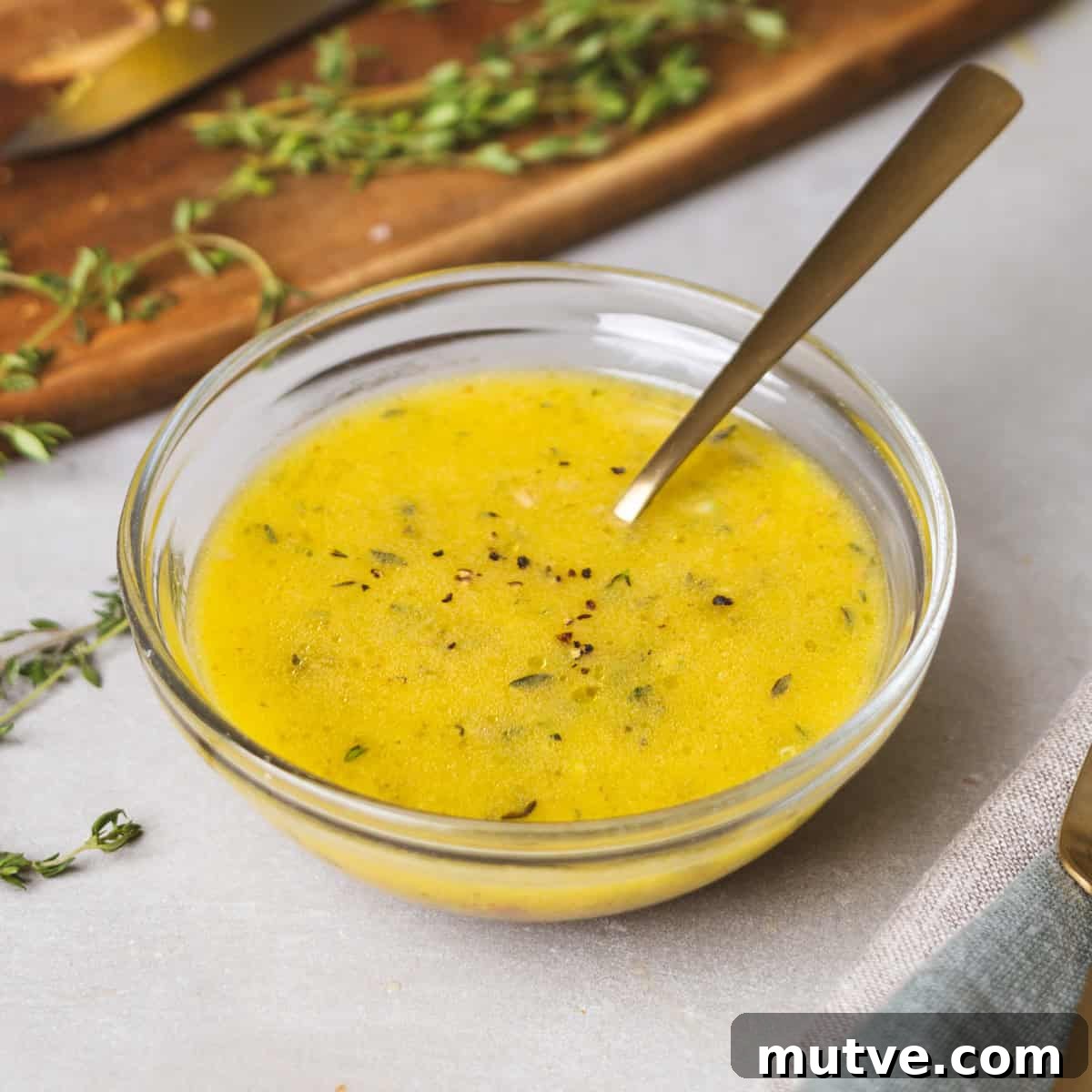
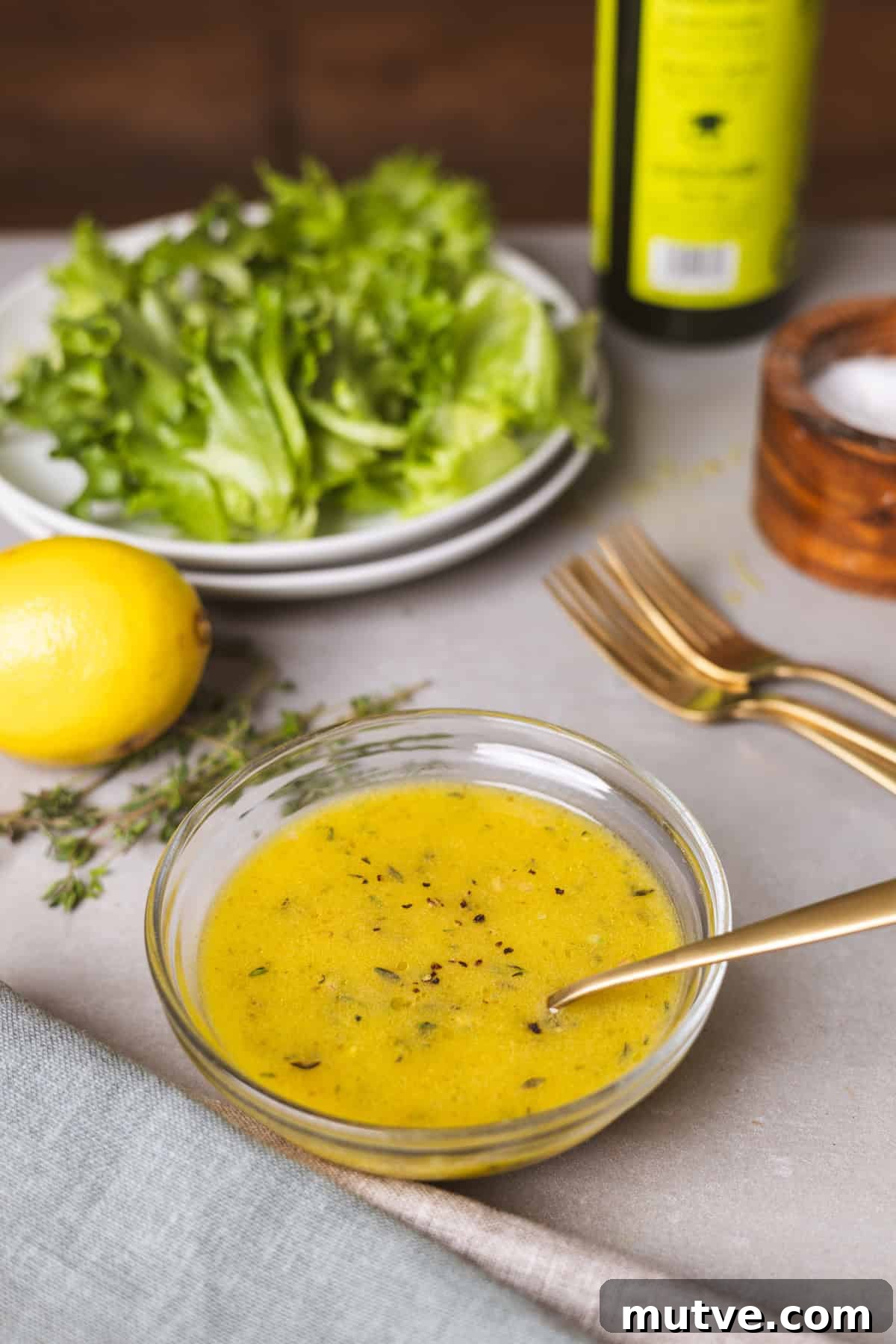
This Lemon Thyme Vinaigrette is bright, well-balanced, and endlessly useful. Made with fresh lemon juice, fragrant thyme, and good-quality olive oil, it comes together in about five minutes and instantly elevates simple green salads, grilled vegetables, roasted potatoes, and chicken.
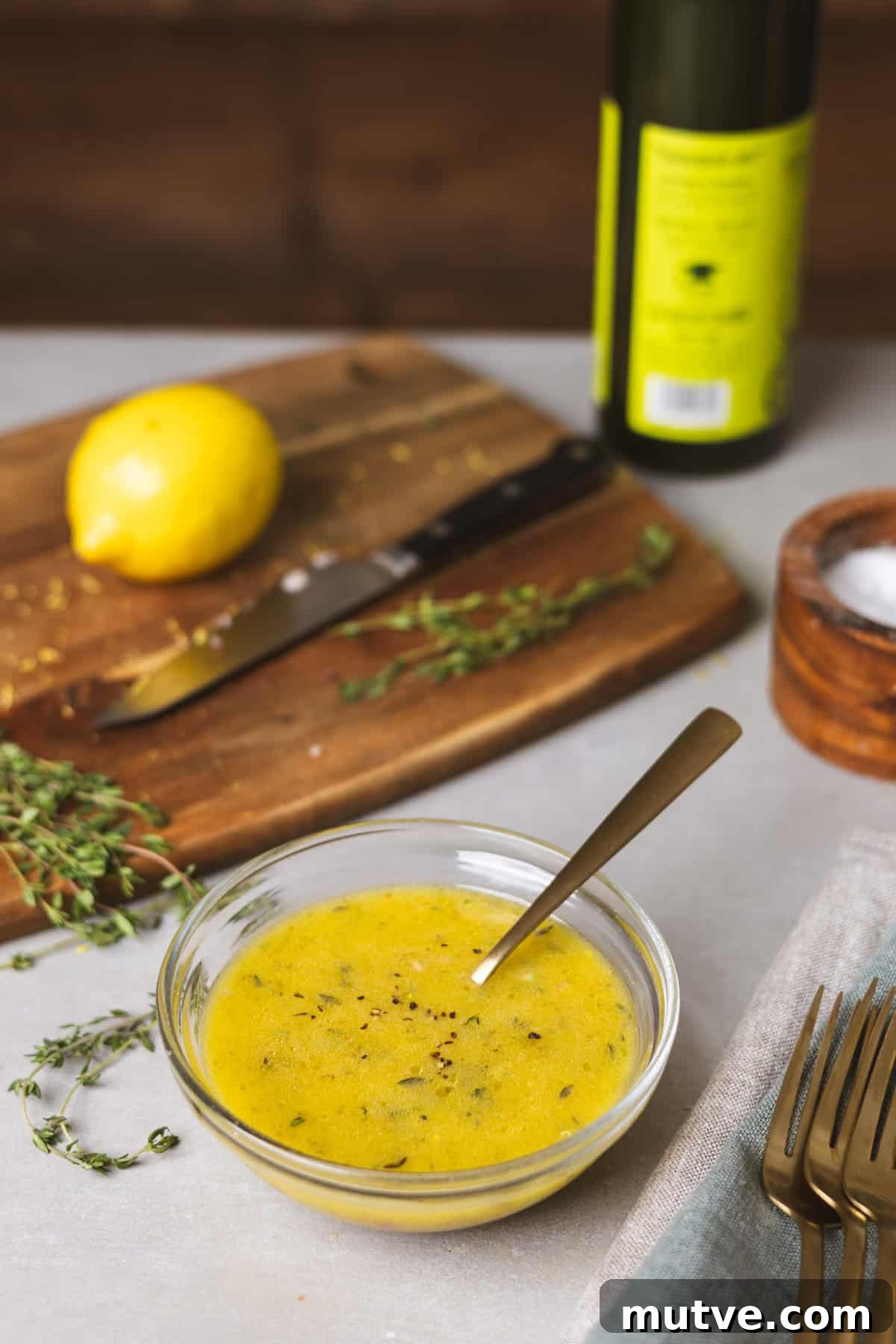
Lemon vinaigrette is a classic for good reason: it delivers bright acidity and fresh flavor with very little effort. In this version, fresh thyme provides an herbal depth that softens the lemon’s tang, and Dijon mustard helps the oil and lemon juice come together into a smooth emulsion. A touch of honey or maple balances the sharpness without making the dressing sweet.
If you want a lemon vinaigrette that tastes cohesive and finished—sharp but never greasy—this is a reliable recipe to keep on hand. Store it in the fridge and use it throughout the week for salads, as a marinade, or as a finishing drizzle.
Why You’ll Love This Recipe
- Balanced flavor. Bright lemon juice and aromatic thyme pair with shallot and mustard for a well-rounded dressing.
- Quick and simple. Ready in about five minutes using common grocery ingredients.
- Versatile. Works as a salad dressing, a marinade, or a finishing sauce for vegetables and proteins.
- Easy to adapt. Simple ratios make it easy to tweak acidity, oil, or sweetness to suit your taste.
Ingredients That Matter
All ingredients in this lemon and herb dressing are straightforward. Use the freshest lemon and thyme you can find for the best flavor.
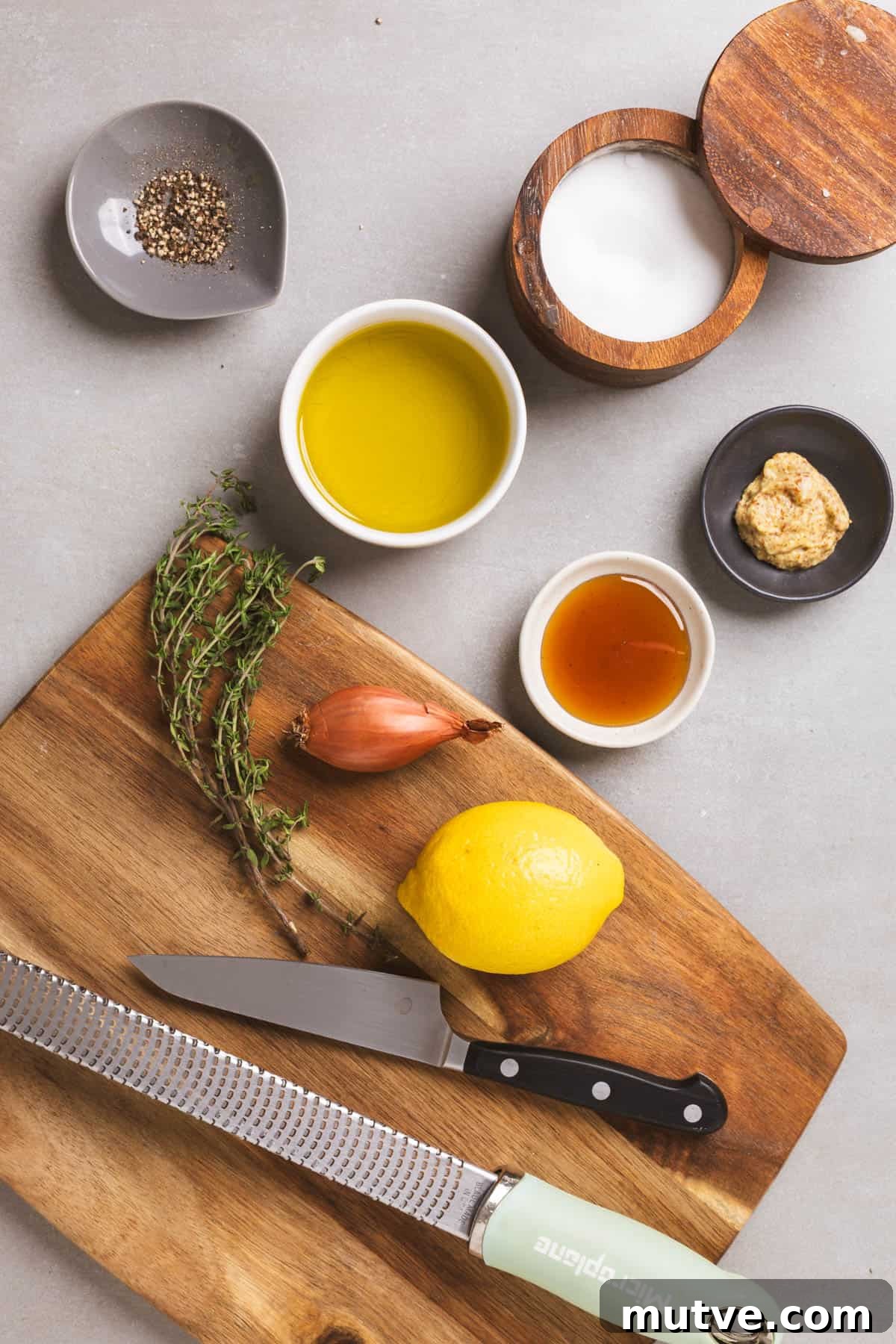
- Fresh lemon juice & zest. Lemon juice supplies bright acidity; zest adds aromatic oils and complexity.
- Fresh thyme. Use fresh leaves for floral, savory notes—far better than dried in this dressing.
- Dijon mustard. Helps emulsify the vinaigrette and gives a subtle sharpness.
- Extra-virgin olive oil. Choose a smooth, mild oil so it doesn’t overpower the lemon and herbs.
- Honey or maple syrup. A small amount tames the acidity and rounds the flavors.
- Shallot. Minced shallot adds gentle savory depth without dominating the dressing.
- Salt & pepper. Essential for balancing and brightening flavors.
See the recipe card below for exact quantities.
How to Make Lemon Thyme Vinaigrette
This is a classic vinaigrette: a few minutes of prep, and you have a dressing that lasts all week. Follow these straightforward steps.
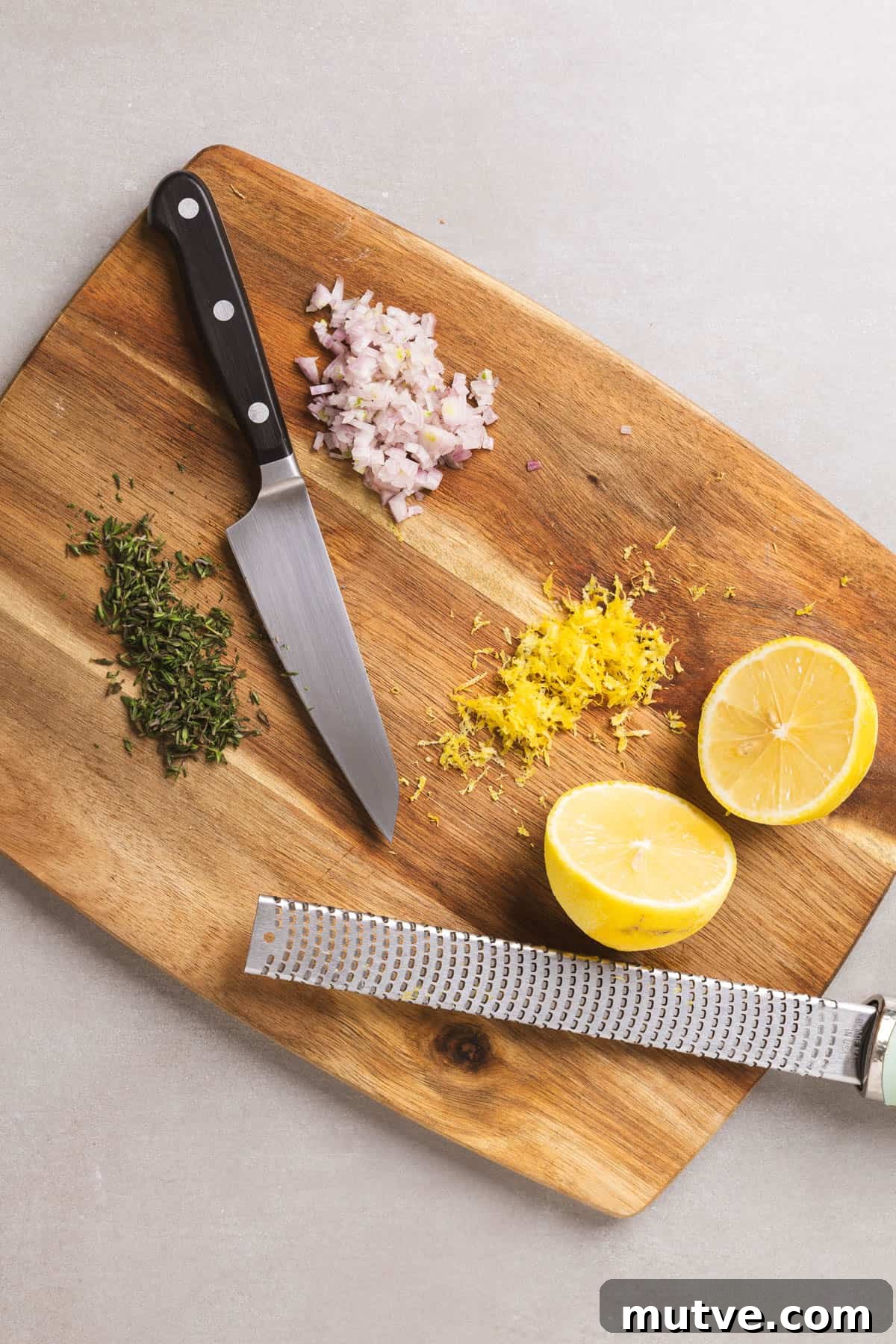
- Prep the aromatics. Strip thyme leaves from the sprigs and roughly chop them to release their oils. Finely mince the shallot and zest the lemon, then cut the lemon in half.
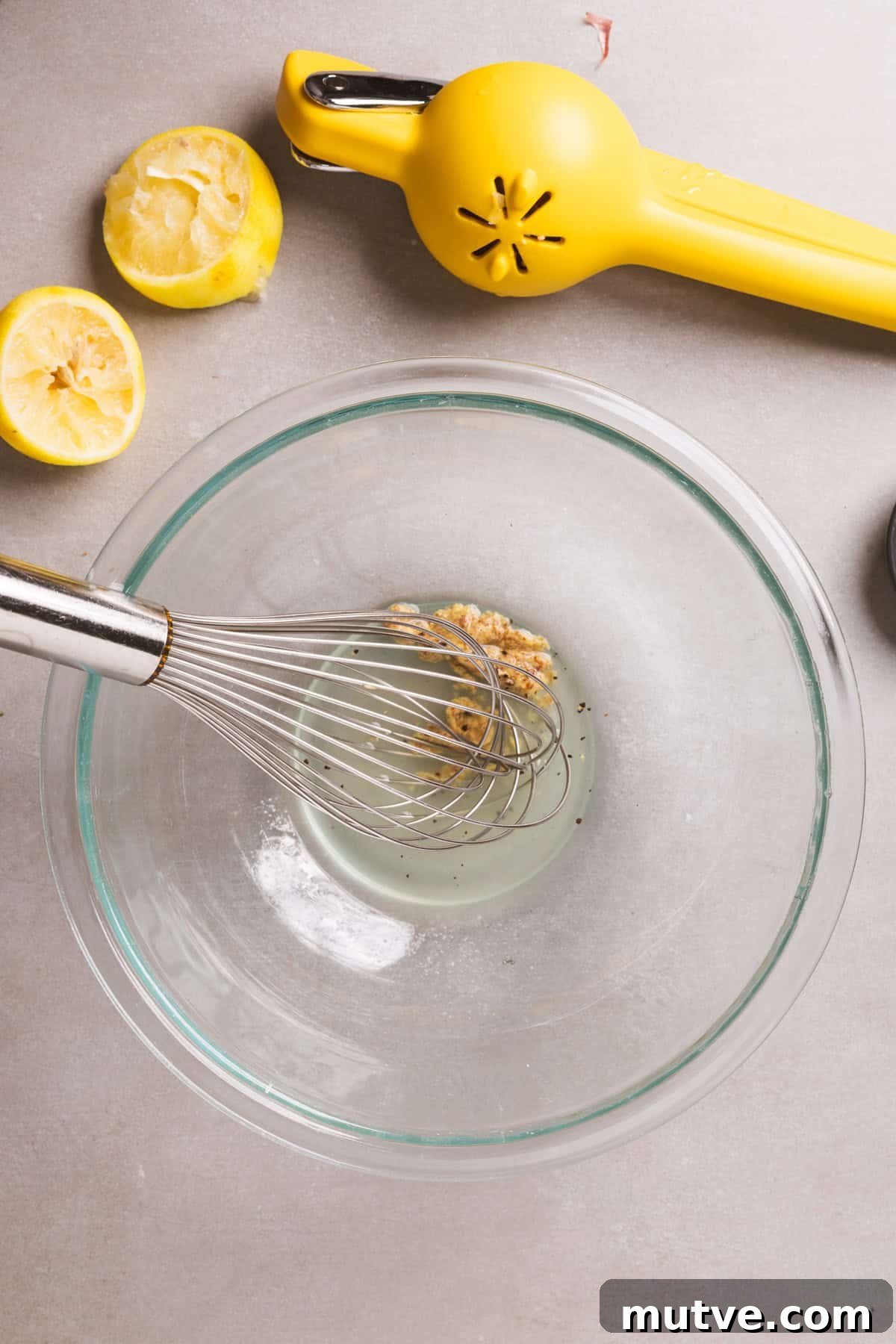
- Combine and emulsify. Juice the lemon into a medium bowl (about 1/4 cup). Add Dijon mustard and honey, then whisk until smooth. Season with salt and pepper, then slowly stream in the olive oil while whisking continuously to create an emulsion.
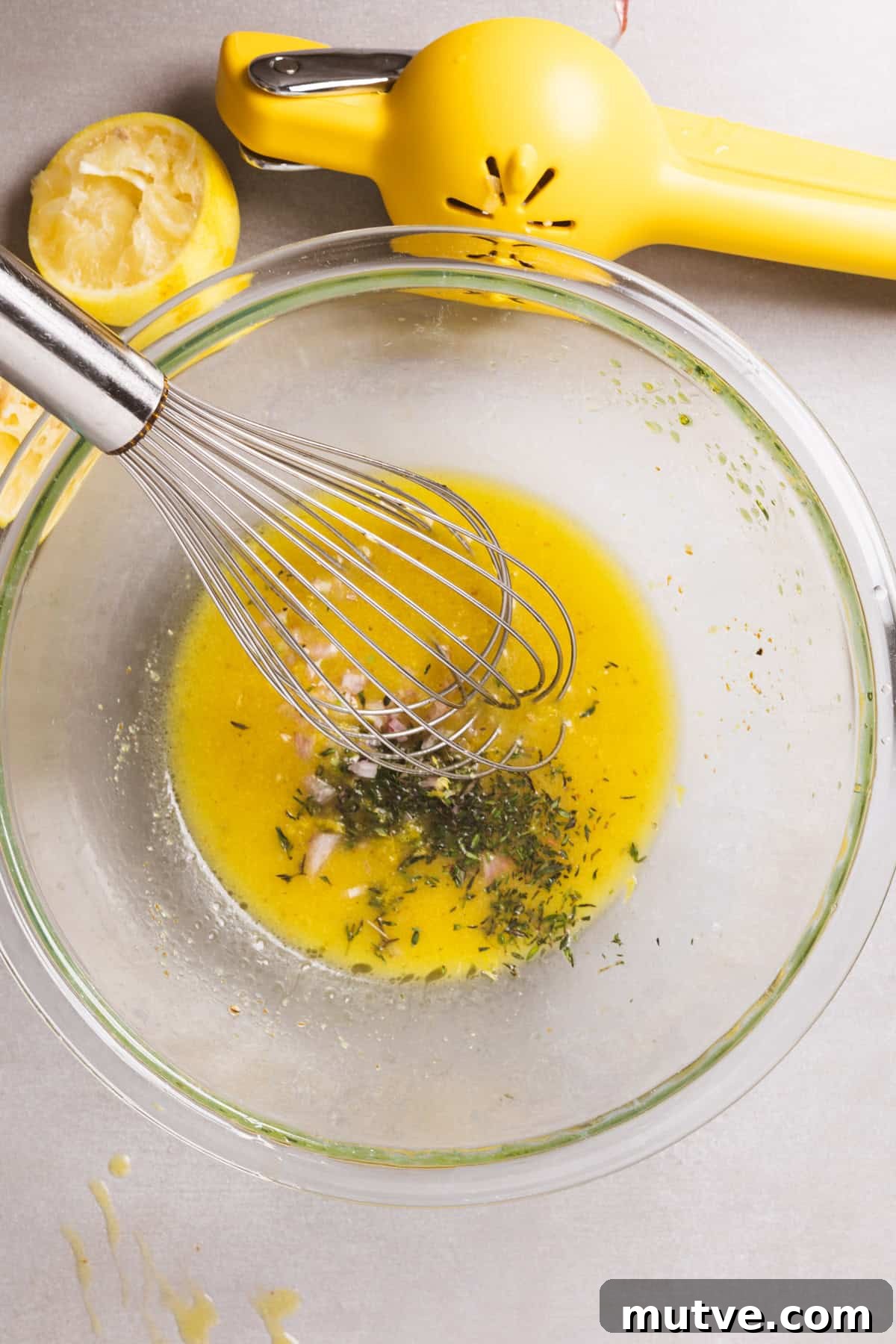
- Finish with herbs. Whisk in the chopped thyme, lemon zest, and minced shallot until evenly distributed.
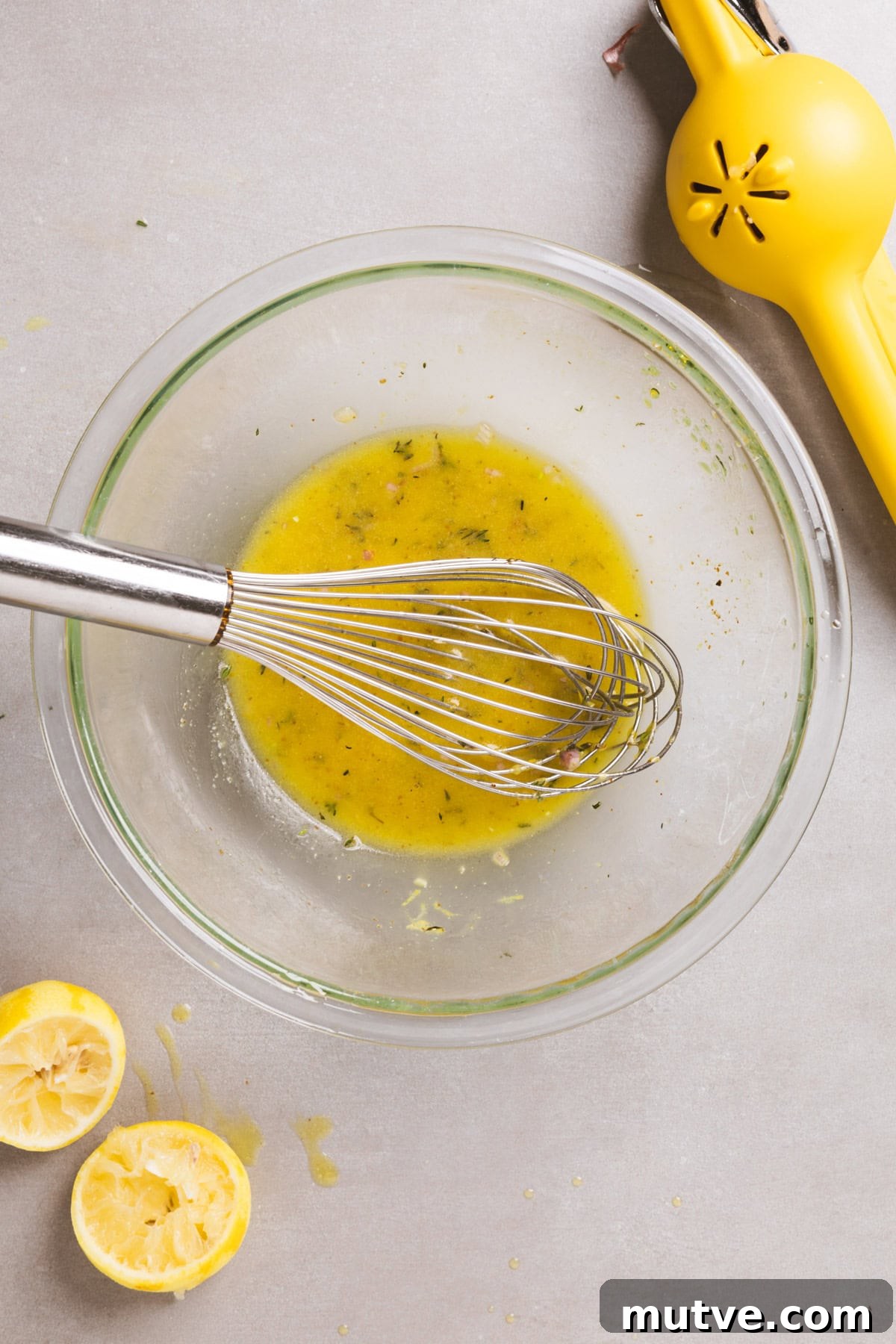
- Taste and adjust. Add more salt and pepper as needed. If the vinaigrette tastes too sharp, whisk in extra oil a tablespoon at a time until the balance suits you.
Adam’s Pro Tip
Make a double batch when you have time. Use half as a 30-minute marinade for chicken breasts or thighs, and reserve the other half to spoon over the cooked chicken or toss with greens. Using the same dressing for both marinade and finishing ties the meal together and boosts flavor consistency.
Substitutions
This vinaigrette is intentionally flexible. Here are simple swaps and variations you can use without changing the core method.
- No fresh thyme? Use about 1 teaspoon dried thyme, crushed between your fingers.
- Prefer it sweeter? Increase honey or maple to 4 teaspoons for bitter greens like radicchio.
- Garlic-Lemon variation. Add half a small garlic clove, grated, for a bolder savory note.
- Meyer lemons. If available, Meyer lemons are great—reduce the sweetener slightly because they’re milder and sweeter than standard lemons.
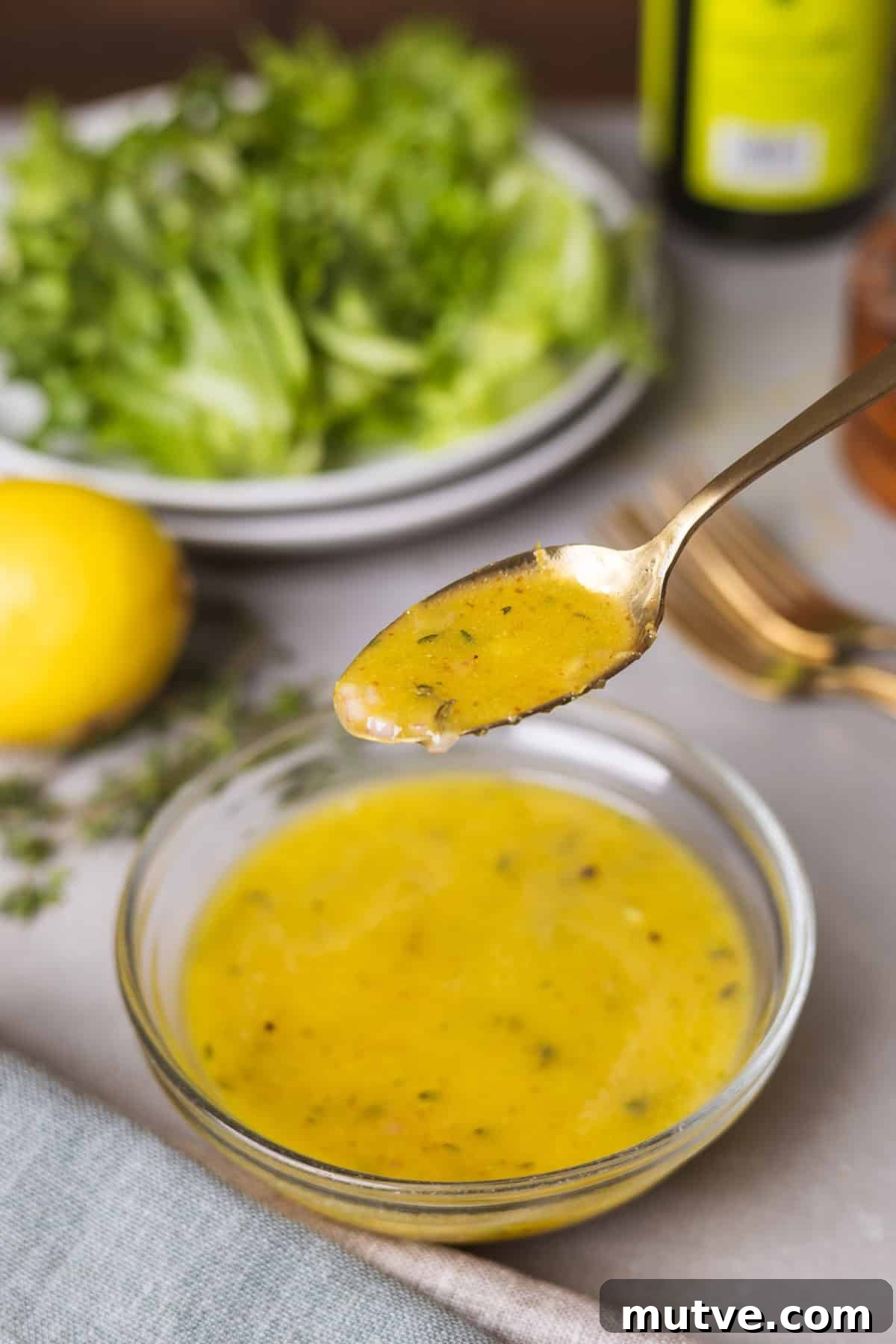
What to Serve with Lemon Thyme Vinaigrette
This dressing pairs well with many dishes. A few favorite uses:
- Salad dressing. Toss with mixed greens, spinach and arugula, or a salad with goat cheese and berries.
- Pasta salad. Use it as a bright dressing for cold pasta salads with vegetables and herbs.
- Marinade. Marinate chicken for about 30 minutes, then roast or grill.
- Finishing sauce. Drizzle over roasted asparagus, sautéed green beans, or crispy roasted potatoes just before serving.
Make-Ahead & Storage
Store leftover vinaigrette in a sealed jar or airtight container in the refrigerator for up to five days. Chilled olive oil may thicken or cloud; let the jar sit at room temperature for 5–10 minutes and then shake or whisk before using. The dressing’s flavor often improves after a few hours as the thyme infuses; avoid freezing, which can change texture and flavor.
FAQ
Yes. It works well on breasts or thighs. Marinate for 20–30 minutes; because of the lemon’s acidity, long marinating times aren’t necessary.
Why did my vinaigrette separate?
Separation is normal over time. Dijon mustard helps emulsify the dressing if you whisk the oil in slowly, but if it separates in the fridge just shake or whisk it to recombine.
Is this vinaigrette vegan?
It can be. Use maple syrup instead of honey, or omit the sweetener entirely.
More Sauces
If you enjoy this vinaigrette, try other simple sauces and dressings with lemon, mustard, or herb bases to keep salads and weeknight meals interesting.
Salads
This dressing complements a wide range of salads—try it with hearty greens, grain bowls, or salads that include roasted vegetables and cheese.
Recipe

Lemon Thyme Vinaigrette
- Author: Adam Dolge
- Total Time: 5 minutes
- Yield: ¾ cup
Description
This Lemon Thyme Vinaigrette is bright, balanced, and versatile. Fresh lemon, thyme, Dijon, and olive oil combine into an easy dressing that enhances salads, vegetables, and grilled meats.
Ingredients
- 1 lemon (zest removed with a microplane)
- 1 ½ tsp Dijon mustard
- 1 ½ tsp honey or maple syrup
- ¼ tsp table salt, plus more to taste
- ¼ tsp black pepper, plus more to taste
- ½ cup extra-virgin olive oil
- 1 small shallot, minced
- 2 tsp thyme leaves, roughly chopped
Instructions
- Juice the lemon into a medium bowl; you should have about ¼ cup of juice. Add the Dijon mustard, honey (or maple), salt, and pepper, and whisk until smooth.
- Slowly drizzle in the olive oil while whisking continuously until the dressing emulsifies. Stir in the minced shallot, chopped thyme, and lemon zest. Taste and adjust seasoning; if the dressing is too sharp, whisk in additional oil a tablespoon at a time.
Notes
- Substitute 1 teaspoon dried thyme if you don’t have fresh thyme.
- The ratio here leans toward 1 part lemon juice to 2 parts oil for a brighter vinaigrette; adjust to your preference.
- Store in an airtight jar in the fridge for up to five days. Shake or whisk before using.
- Use half the batch to marinate chicken for about 30 minutes and reserve the rest to finish the cooked meat or toss with a salad.
- Prep Time: 5 minutes
- Cook Time: 0 minutes
- Category: Sauces
- Method: No Cook
- Cuisine: American