Pork butt is pitmaster Christie Vanover’s top KCBS category. In this article she explains the judging rules and shares her proven methods for trimming, injecting, smoking and finishing competition pork that scores well.
I’ve been running a series about KCBS competition meat categories. Earlier episodes covered chicken and ribs; today we’re focused on competition pork.
Pork is my strongest KCBS category — I have 16 top-ten calls. Below I’ll walk through what judges look for, the rules you need to know, and my full approach to trimming, injecting, seasoning, smoking and presenting pork for competition.
Listen to the BBQ Tips Podcast on
Table of Contents
- Listen to the BBQ Tips Podcast on
- KCBS Pork Category Rules
- How KCBS judges pork
- Selecting competition pork butts
- Trimming competition pork butts
- Injecting competition pork butt
- Seasoning pork butt
- Smoking competition pork butt
- How to finish competition pork butt
- Arranging a competition pork box
KCBS Pork Category Rules
Let’s start with the KCBS rules. “Pork” covers several shoulder muscles. Allowed cuts include Boston butt, Boston roast, picnic, collar and whole shoulder. In practice most teams cook whole shoulders sold as “butts” at grocery stores.
Grills can be any non-electric, non-propane cooker that uses wood or charcoal as a heat source.
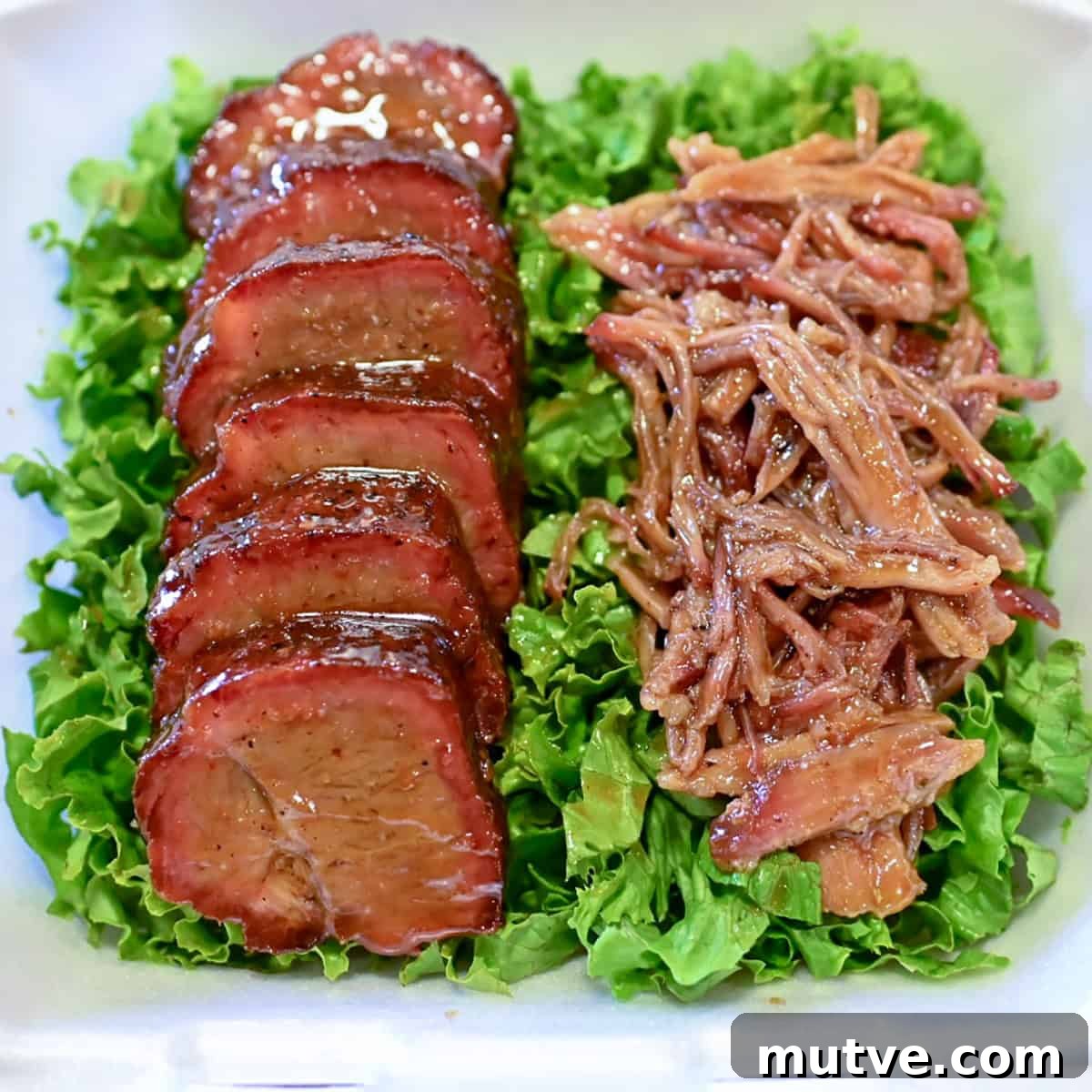
You may present the meat chopped, cubed, sliced, pulled, diced, shredded or otherwise prepared. Bone-in or boneless entries are allowed. A less-known point in the 2024 rules: you may leave a whole unaltered bone in the box, provided the bone itself was not sawed, split or otherwise altered.
Change in rules
A significant rule change is that pork no longer has to start at a minimum 4-pound weight. Teams used to sculpt large shoulders down to a four-pound starting weight and cook those pieces. Since that rule was removed, teams can now isolate and smoke individual muscles — for example a 1–2 pound money muscle — rather than cooking the entire shoulder. That change has influenced trimming and cooking strategies across the circuit.
Rules similar in all categories
As with other KCBS categories, you must provide at least six portions in the box for six judges. If you include a variety of cuts, you do not need six portions of each cut — just six total portions. Judges will take one portion each and are aware they must leave enough for later judges.
Still, relying on uneven distribution is risky: if your best pieces are limited, some judges may receive lesser pieces and scores can vary. My recommendation is simple — make at least six consistently excellent pieces.
Saucing is optional. If you use sauce, don’t let it hide the meat; judges should be able to see the pork.
How KCBS judges pork
Judging uses the same three criteria as other categories: appearance, taste and tenderness.
Appearance
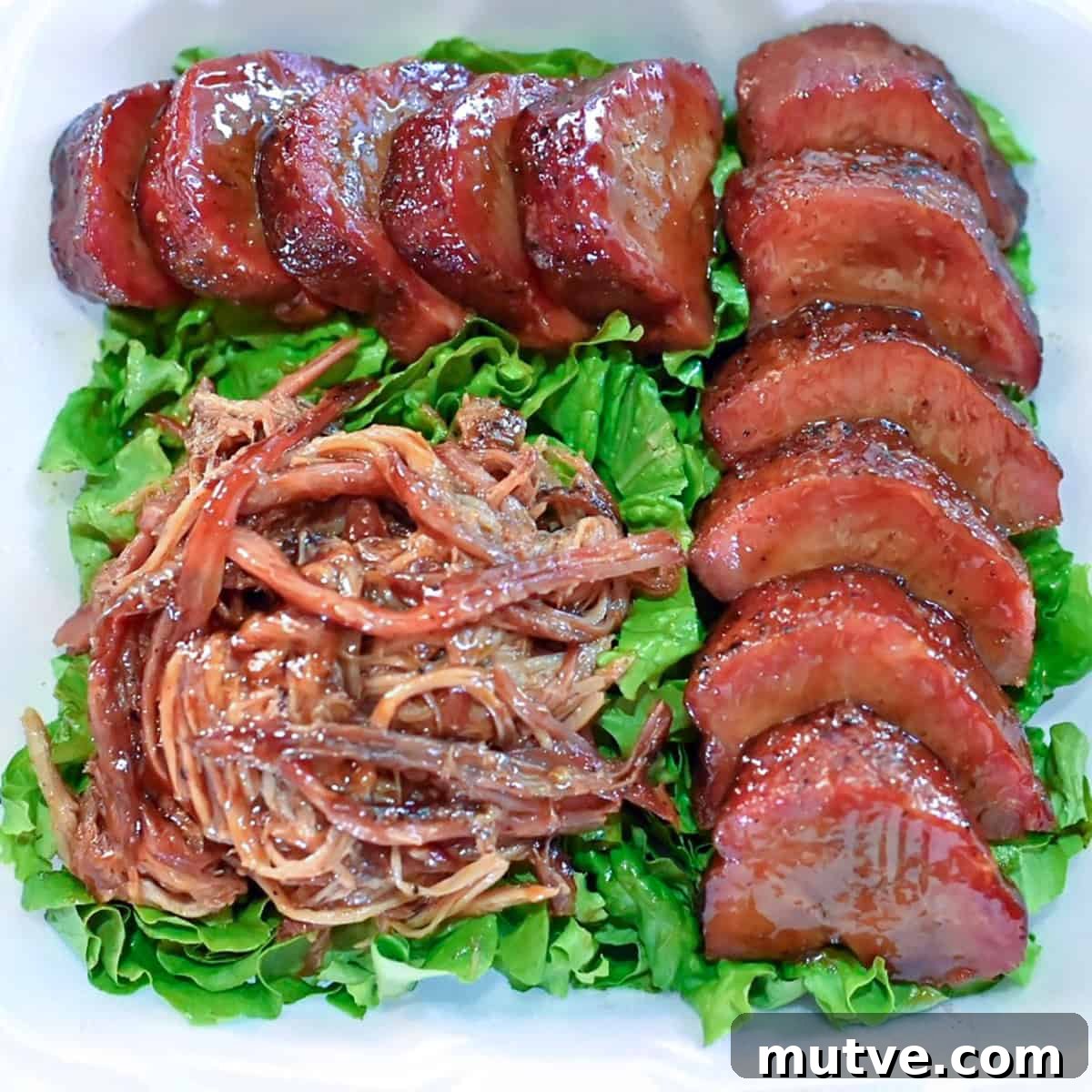
Appearance asks: does the box look appetizing? The sauce should not obscure the meat. A light glaze that adds sheen and suggests moisture is ideal; heavy sauce that hides the pork can hurt your appearance score.
Taste
Taste should highlight the pork’s natural sweetness and savory character. Seasonings and sauce should complement, not overpower, the meat. Avoid excessive salt, sugar or heat that masks the pork. On the West Coast judges often appreciate fruit-forward flavors like apple or cherry; a touch of those can work well in a pork box.
If you present multiple cuts, taste each one before boxing to ensure consistent seasoning — the money muscle may need more seasoning than thinner pieces, for example.
Tenderness
Tenderness can be the hardest score to control. Judges assess tenderness by mouthfeel, not by handling the meat. They should not use thumb-press or stretching tests; scoring is based on the bite and texture.
Money muscle should be moist and easily bitten through, but not mushy. Pulled or bacon-style meat should retain pleasant texture without being gummy or excessively dry. Because different cuts have different ideal textures, if your team struggles with tenderness consider focusing on a single cut at a time to diagnose the issue.
Now that the rules and judging criteria are clear, here’s how I select, trim, inject, season, smoke and box competition pork.
Selecting competition pork butts
I typically buy bone-in pork butts from large grocery retailers. Brand names vary; I judge each package on two main features: the money muscle and the bottom fat cap.
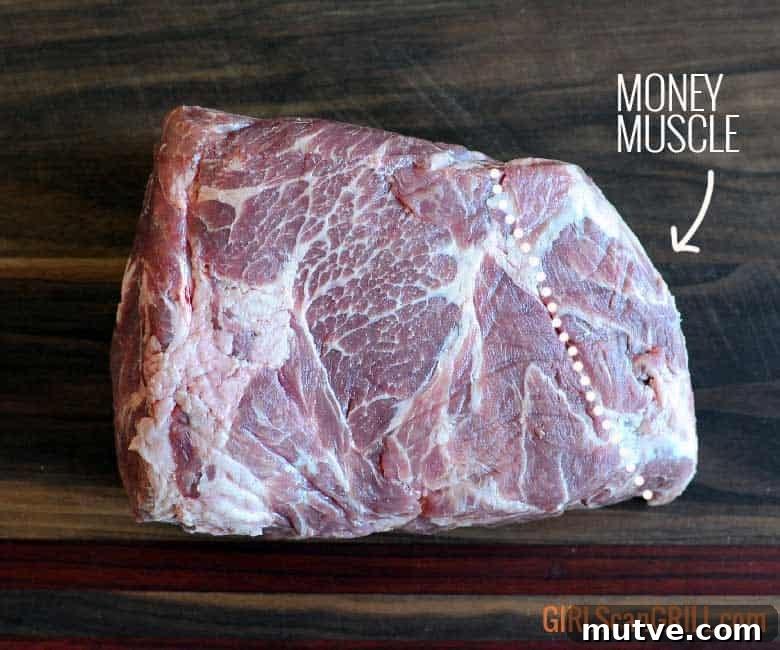
The money muscle sits opposite the shoulder blade; it should be well-marbled and reasonably large so you can get substantial slices. More marbling equals better tenderness and juiciness.
On the bottom, the fat cap protects the thin layer of meat often called the “bacon” of the butt. I look for a full fat cap to shield that meat during the cook; if it’s missing I’ll sometimes patch it with trimmings.
I usually buy three pork butts for a competition, sometimes four depending on expected needs.
Trimming competition pork butts
I use two trimming approaches that both work well.
My old trim method
In the past I removed the bone, trimmed away the top and horn sections, and sculpted the money muscle into a neat, cylindrical shape. Excess trimmings were frozen for sausage or other uses. The result was a money muscle and a bottom slab with a fat cap.
The method I’m currently using
Now, without a 4-pound requirement, I usually remove and sculpt the money muscle into the exact size and shape I want before cooking. I then separate the bone and the top portion, leaving a rectangular slab of “bacon” meat protected by the fat cap. This yields several clean money muscles and bacon slabs to smoke separately.
Injecting competition pork butt
I inject on Friday night at competitions. My injection blends a powdered commercial injection mix with maple syrup and apple juice, sometimes thinned slightly with water. I arrange money muscles and bacon slabs in aluminum pans and inject thoroughly from multiple angles until the meat accepts no more liquid. Any excess injection is poured off so meat isn’t sitting in a pool of brine.
Seasoning pork butt
After injecting I season liberally so the meat surface is well-coated. My blends include a pork rub with sweet and savory notes plus a touch of MSG for flavor lift. I refrigerate meat overnight in a cooler or Cambro with ice; if using a refrigerator cover the meat to avoid effects from circulating air.
Smoking competition pork butt
On cook day I fire the smoker and aim for a stable environment. I use hardwoods like pecan, hickory and cherry for a balanced smoky-fruit profile. I set the smoker to about 300°F and place a water pan under the meat to help maintain moisture.
On a drum-style cooker with a vortex heat pattern, I place money muscles toward the center and bacon slabs toward the hotter outer ring to protect delicate meat.
Cooking stage 1
Start by smoking with periodic spritzing every 20–30 minutes with apple juice, apple cider vinegar, melted butter or water to help retain surface moisture and promote tenderness.
Cooking stage 2
After roughly an hour and 15 minutes flip pieces for even color, targeting an internal temperature around 165–175°F before wrapping. Look for a mahogany bark on money muscles and good color on bacon slabs.
Cooking stage 3: the wrap
Wrap money muscles and bacon separately. I add butter, sugar, maple syrup and a touch of glaze or rub to provide sweetness and balance. For bacon pieces, position the fat cap up inside the wrap so the exposed meat is protected during the rest of the cook. Maintain smoker temperature and continue until final doneness.
The temperature to pull the money muscle
I target an internal temperature around 211–214°F for money muscle in arid climates, which usually produces an ideal tenderness once rested. In humid or coastal areas the temperature may stall earlier; rely on probe feel as much as the number. The probe should glide through like a ripe peach — soft and slightly buttery. For bacon-style meat I aim for roughly 200–205°F.
Adjust based on your altitude and climate
Temperature targets vary with altitude and humidity. In dry inland locations the 211–214°F guideline often works well; in humid coastal regions probe feel is a more reliable indicator than target numbers.
The holding stage
When meats reach target feel, keep them wrapped and hold in a Cambro or insulated container until it’s time to prepare the box.
How to finish competition pork butt
When preparing the box, I remove money muscles and place each in a 2-pound loaf pan with some jus and a light brush of sauce, then return them to the smoker just long enough to set the glaze — three to five minutes.
For the bacon slab, remove the top fat layer and separate the stringy pulls. Test texture and bark, add a touch of jus and sauce as needed, and assemble pieces that offer good mouthfeel and visual appeal.
Different methods for pulled pork
Teams present bacon-style pulled pork in many ways: neatly arranged strands, mixed with tube meat, or loosely piled for a platter look. I prefer a natural, appealing pile with some bark mixed in for variety. The goal is balanced texture and clear flavor.
Finishing the money muscle
Slice money muscle and taste an end cap to confirm tenderness. Adjust slice thickness to match the meat’s firmness: thicker slices for softer meat, thinner slices for tighter meat. Aim to produce six consistently excellent pieces; if necessary, sculpt multiple money muscles to similar sizes so slices match.
Before boxing, sprinkle slices with a bit of rub, toss with jus and lightly massage to add flavor and help relax fibers — but avoid over-massaging if the meat is already very tender.
Creating pork chunks
Some teams cut money muscle into chunks to expose more bark and vary presentation. Chunks can add visual interest and allow you to fill the box more easily.
Check your temperature
Before plating, make sure your meat is warm. If pieces have cooled while you were assembling, return the best slices and the pulled pork to the smoker for two to three minutes to bring them up to an enjoyable serving temperature. Warm meat tastes better and helps protect tenderness when the judges evaluate.
Arranging a competition pork box
Box arrangement is flexible. Common patterns include a diagonal of money muscle, two rows of slices, or an L-shaped layout. Use what showcases your best pieces. If a particular cut isn’t at its best, leave it out — only include six outstanding portions.
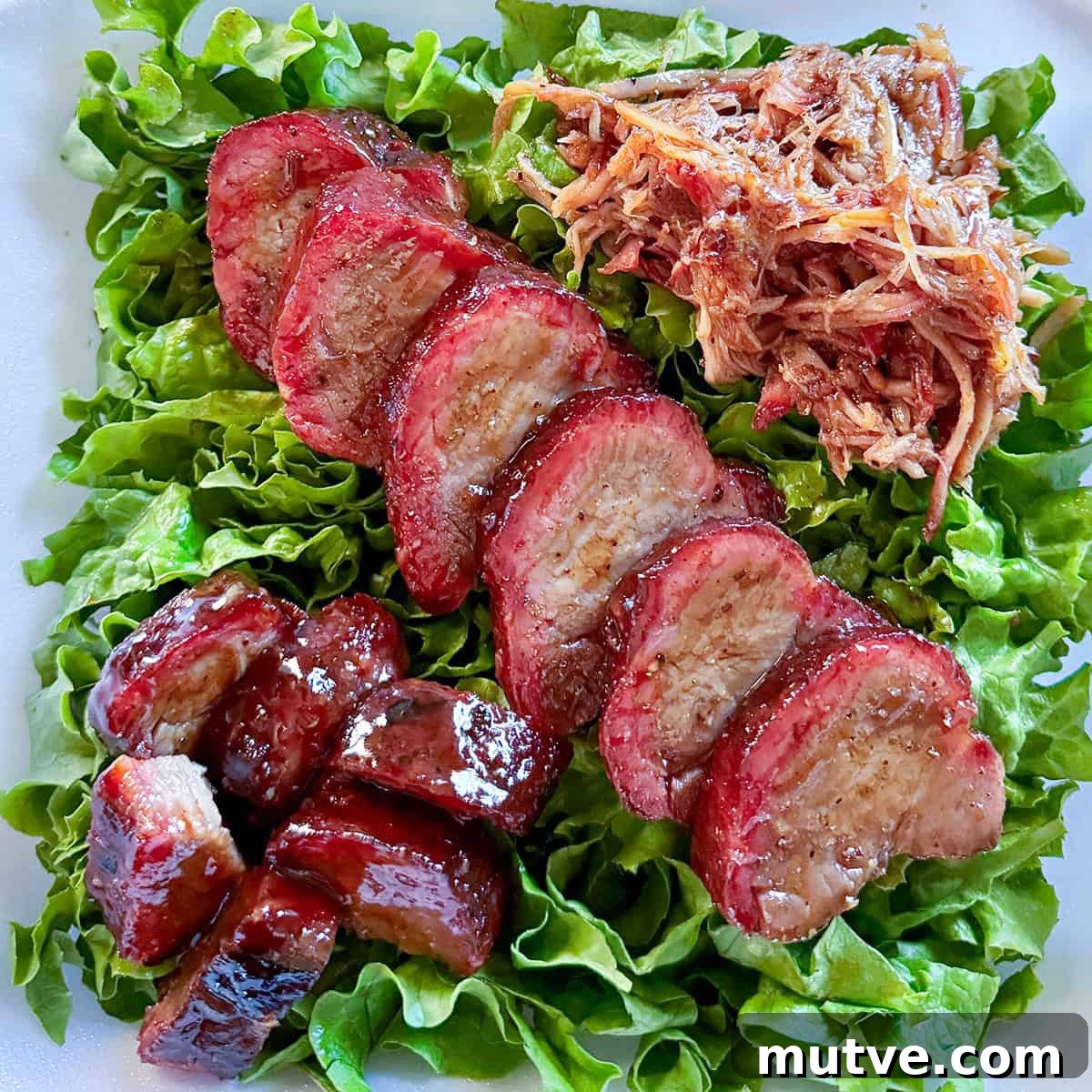
I often arrange a diagonal of slices with a corner of chunks and a corner of pulled. Another common option is two rows of money muscle with pulled or chunks in the middle. Presentation should make the meat look appealing without hiding it under heavy sauce.
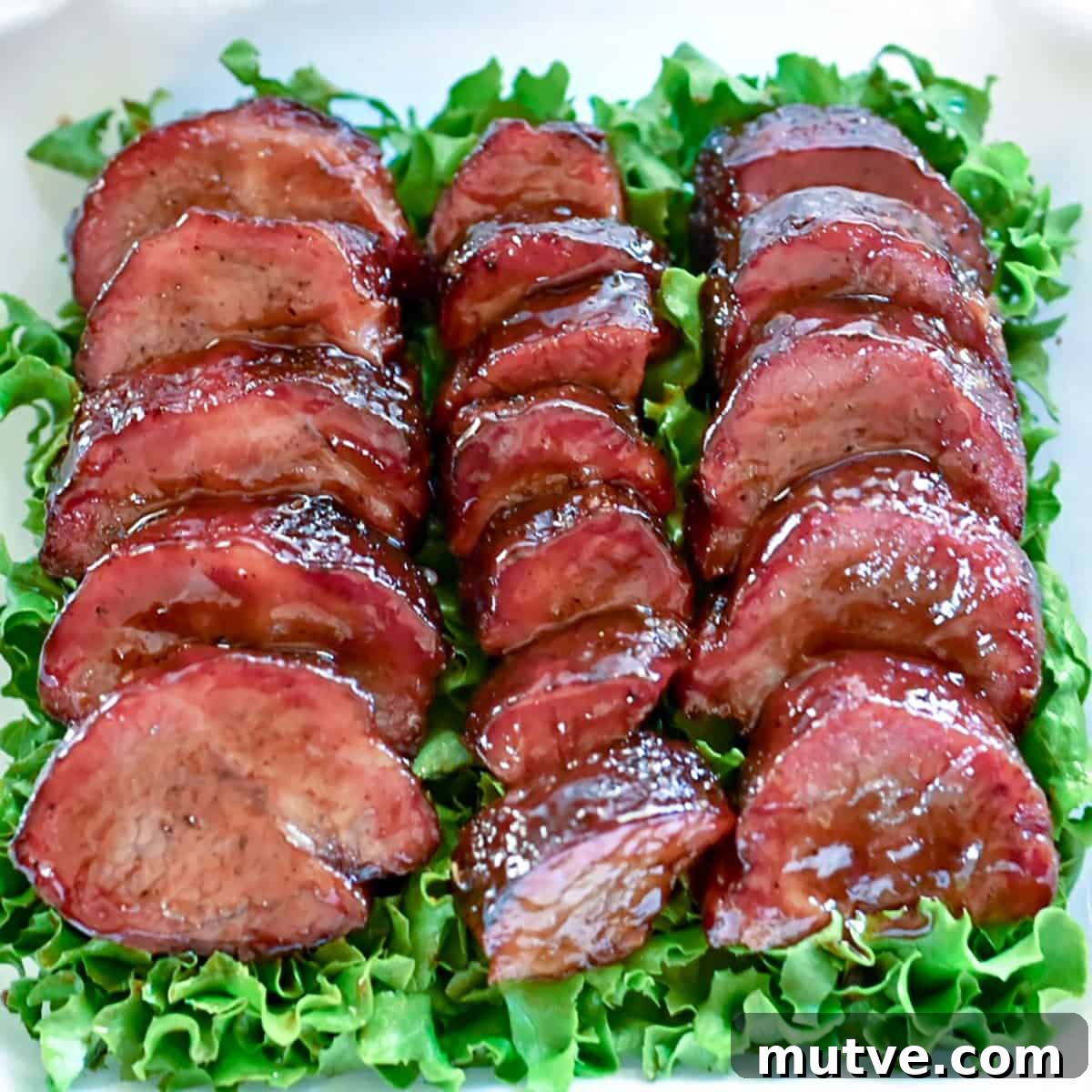
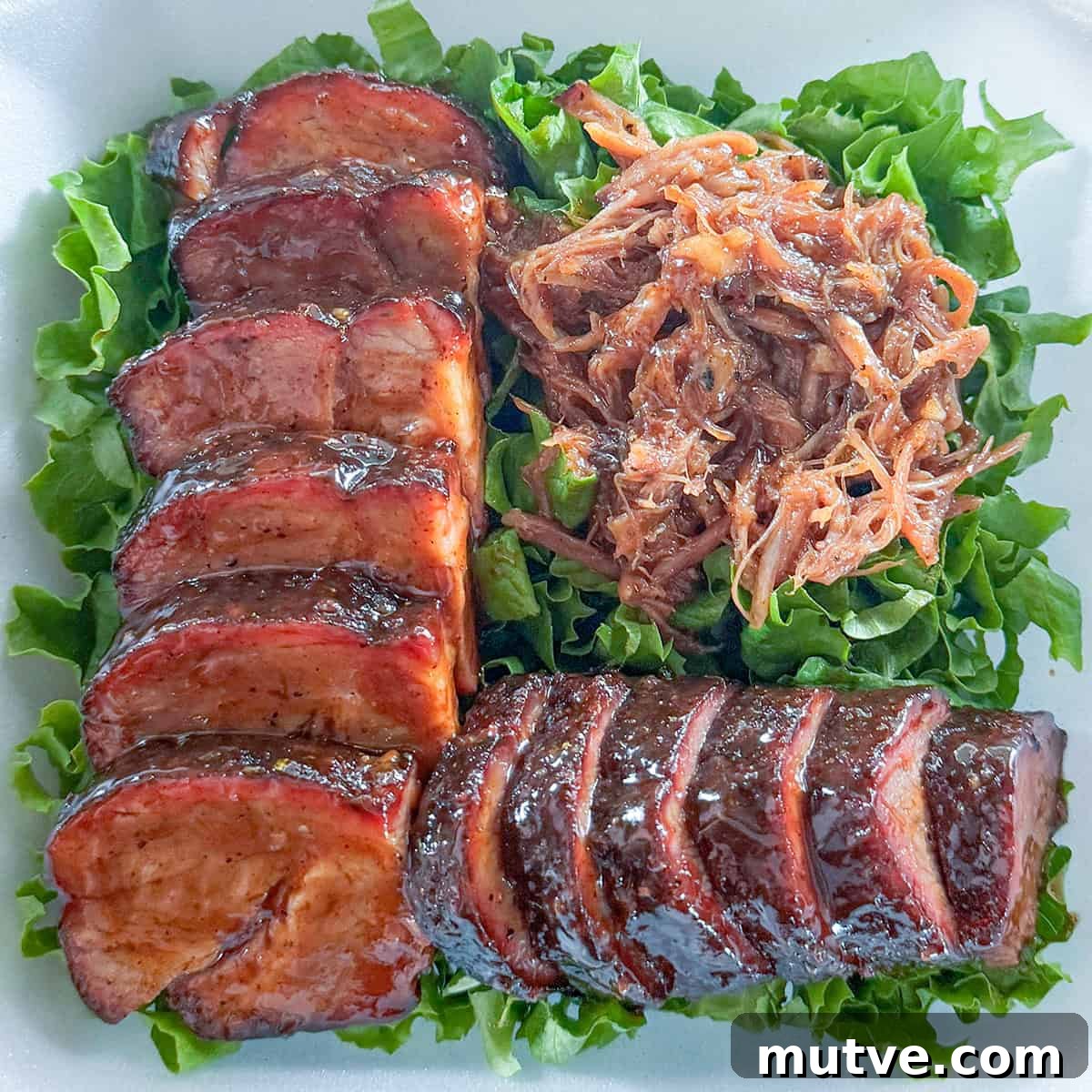
Finish with a light glaze, take a final photo, close the box and deliver it to the judges.
Taste your meat again and judge it yourself
Wait about 15 minutes before tasting to simulate judge conditions, and use a KCBS-style comment card to self-evaluate appearance, taste and tenderness. Ask whether the meat is too mushy, too tight, or just right, and whether it needs more salt or sweetness.
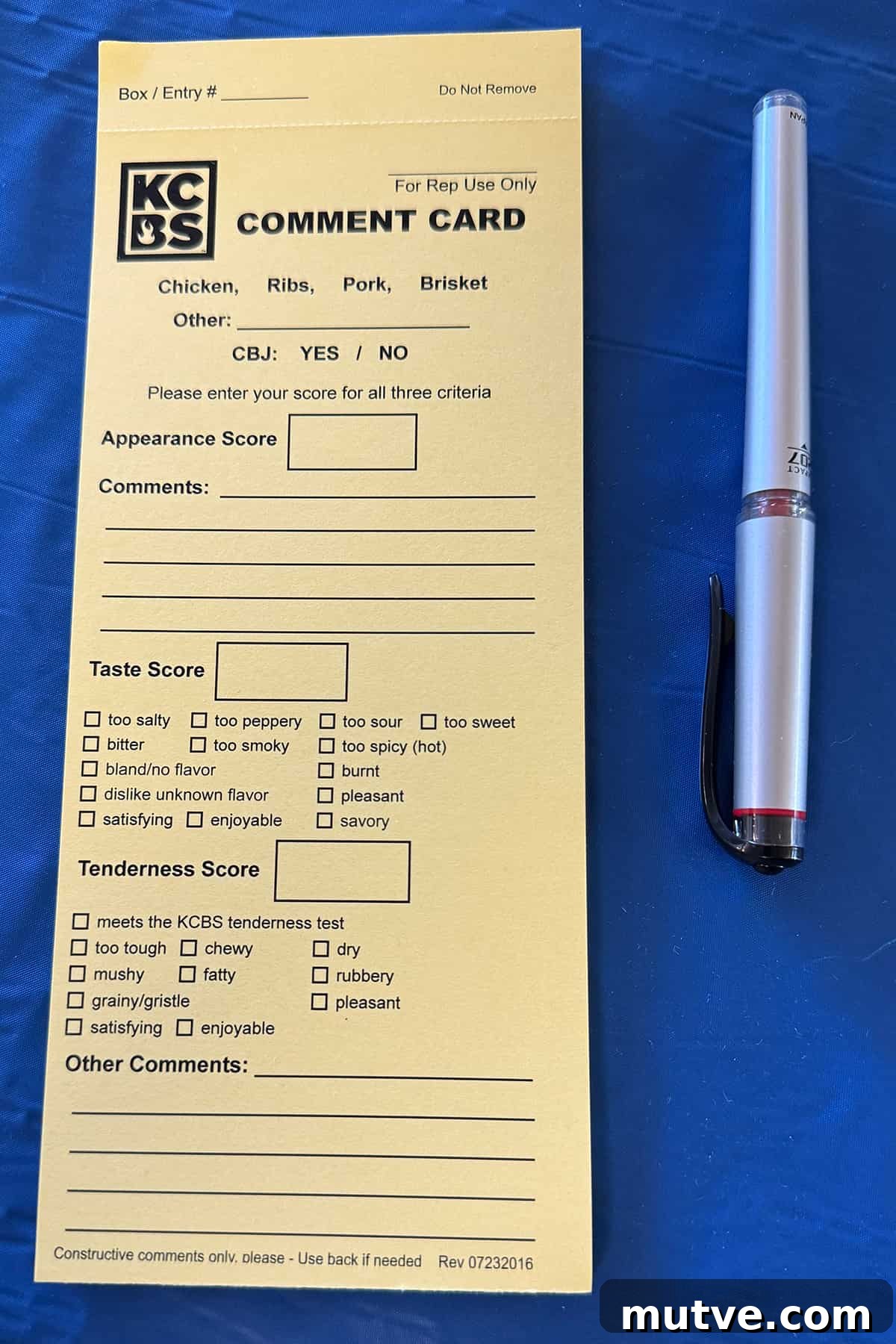
Honest feedback from experienced judges or teammates is invaluable. If you want constructive critique, seek people who will tell you what to improve, not just praise.
I hope these competition barbecue tips help you get pork calls at your next event. If you have questions, leave a comment below or listen to more episodes of the BBQ Tips podcast for additional guidance. Good luck at your next competition, and happy grilling!
Tune into more of my BBQ Tips podcasts or explore the site for additional BBQ tips and resources.