 |
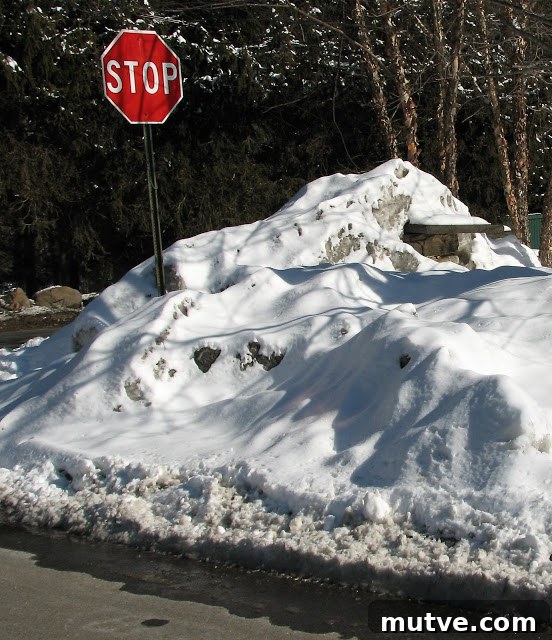
| We’ve had a long cold winter; I couldn’t wait for the snow and ice to melt. |
Last Wednesday I reached my limit with the snow, ice and the lingering damage from a burst pipe and ice dam — repairs still pending — and decided we needed a change of scenery. I wanted sun, sand and a break from shoveling and daily cooking, so I booked a last-minute trip to Florida while the kids were on school break.
Normally we rent a place with a kitchen, but this time I wanted a true break from cooking and from the constant vigilance required when feeding my son, who has multiple food allergies. I called the hotel to explain his restrictions (gluten, dairy, eggs, tomatoes, oranges, apples and pears were the main ones) and confirmed the restaurant could accommodate us before making the reservation. I also checked for a nearby natural foods market and packed a few safe snacks: sunflower seed butter, rice crackers, a homemade gluten-free muffin and one gluten-free hamburger bun — just in case. Before leaving at 5:45 AM I made a fruit smoothie and packed another gluten-free muffin for the trip.
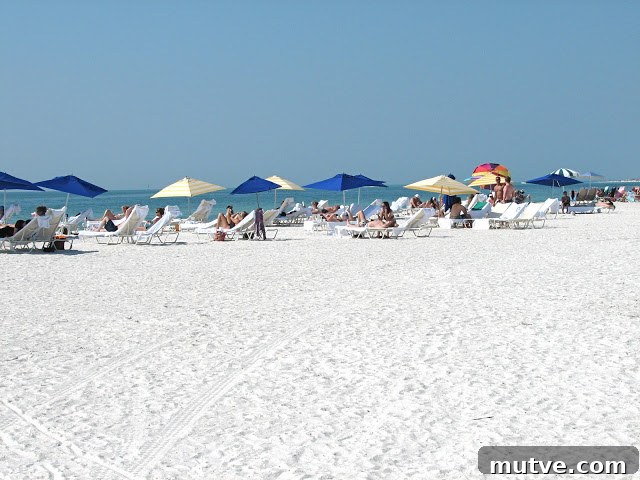 |
| A quick change of scenery and some sunshine was exactly what we needed. |
The gluten-free muffin was perfect on the plane, along with some baked salmon sushi I found at the airport. After arriving at the hotel my kids were starving, so we went straight to the snack bar. The menu was basic — mostly burgers — and when my son asked for a cheeseburger I realized how complicated that request could be: gluten-free, dairy-free and tomato-free. The waiter did his best, and the burger arrived without a bun or cheese, with lettuce and a slice of onion. It wasn’t very appealing, and my son looked bemused. Thankfully I had the one gluten-free bun in my purse — a little paranoid, perhaps, but it saved the lunch.
That afternoon I met the hotel chef in the lobby and explained my son’s allergies. He mentioned that other guests sometimes bring their own food and store items in the restaurant’s freezer. The chef was willing to heat food I provided, which was a relief — though it made me realize I couldn’t completely hand over responsibility for my son’s meals. The hotel staff were friendly but not always experienced with this level of accommodation.
I went to the nearby natural foods market and stocked up: cartons of soup, corn tortillas, organic refried beans, dairy-free cheese, gluten-free bagels, vegan cream cheese, gluten-free chicken nuggets, a box of instant rice noodles and raw honey. I kept most items in the room refrigerator and asked the restaurant to store the chicken strips and bagels in their kitchen.
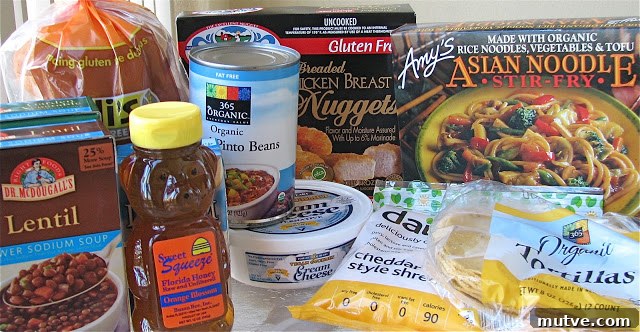 |
| My stash of allergy-friendly foods from the natural foods market. |
The next morning my son enjoyed a gluten-free bagel with vegan cream cheese and a special smoothie made with banana, mixed berries and soy milk. He hadn’t had a bagel in months, and watching him savor every bite was worth the extra planning. For lunch I had the hotel heat a lentil soup I brought to the pool, and for dinner he ate the gluten-free chicken nuggets I purchased. I mixed a little honey mustard using the raw honey and ordered a side of sautéed spinach with garlic and olive oil so he’d have vegetables. For dessert he had dairy-free raspberry sorbet.
This was our first trip since my son’s allergies were identified, so it was a useful test for summer travel. I learned several practical lessons that I want to share with other parents traveling with children who have food allergies:
- Vacations aren’t completely worry-free when a child has food allergies. You can leave your daily routine, but the responsibility often follows.
- Staying in a place with a kitchen is usually the safest option for severe or multiple allergies. Even if restaurants claim they can accommodate allergies, options may be limited or unsafe.
- Call the hotel ahead of time to discuss allergies and their ability to accommodate them. A willing staff doesn’t always equal the experience needed to prepare safe meals.
- Ask if the hotel restaurant will store and reheat foods you bring. Label items clearly and remind staff where things should be stored. If something goes missing, let management know — in our case the manager went out and bought replacement gluten-free items, which was very helpful.
- Don’t be shy about making special requests. Smoothies with dairy-free milk, simple sautéed vegetables or reheated packaged foods are often manageable requests for a hotel kitchen.
- Make sure allergies are noted on your reservation and that restaurant staff are alerted. A polite tip for special accommodation is appropriate and appreciated.
- Locate a nearby natural foods market or grocery before you travel in case you need to buy safe foods while away from home.
- Bring a few reliable snacks for the journey and the first few hours after arrival so you have time to assess local options.
- Research restaurants in advance that cater to gluten-free, dairy-free or other special diets to identify likely safe choices, but be prepared to ask specific questions once you arrive.
- Be prepared to make reasonable compromises when reactions are not life-threatening; always prioritize safety and consult your child’s healthcare provider if in doubt.
Overall, the short trip was refreshing — a few days of sun and palm trees felt restorative after a long winter. Still, I was glad to return home to my kitchen where I can prepare foods I trust. If you travel with children who have food allergies, I’d love to hear your tips and experiences.
Resources for finding allergy-friendly restaurants:
Allergy Eats — a searchable directory for dining with food allergies
Gluten-Free Registry — a resource for locating gluten-free friendly restaurants
For another perspective on traveling with a special diet, see: “How I Spent My Florida Vacation” — a blog post about managing an anti-candida diet while traveling.