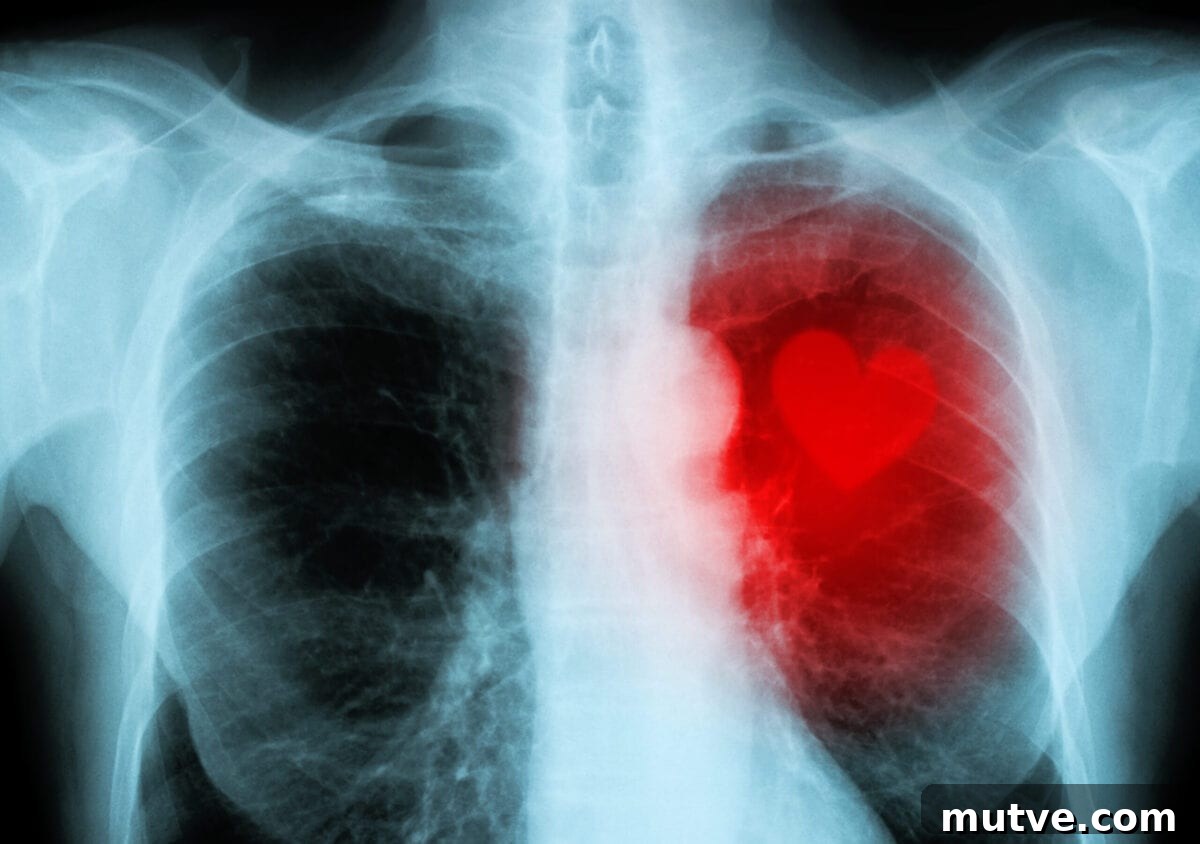
Takotsubo cardiomyopathy, commonly called “Broken Heart Syndrome,” is a sudden weakening or stunning of the heart muscle that most often follows intense physical or emotional stress. Although it can mimic a heart attack with similar symptoms, it typically occurs without the coronary artery blockages seen in heart attacks. For most people the condition is temporary: symptoms often improve within days to weeks and many recover fully within a couple of months. That said, it can be frightening and, in rare cases, serious.
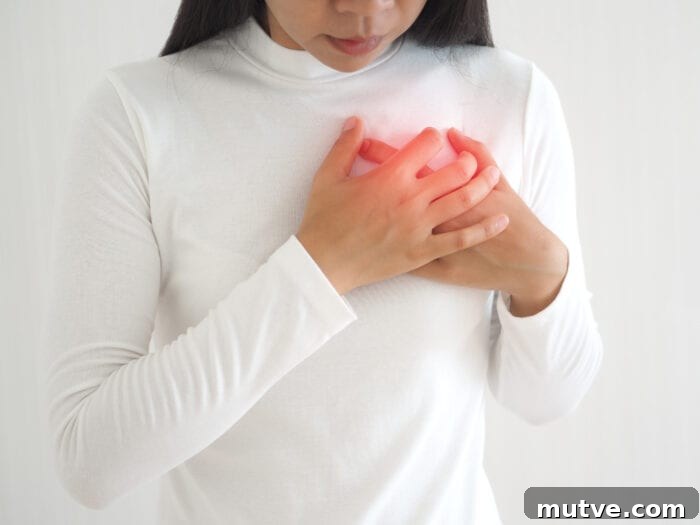
Symptoms commonly include sudden chest pain, shortness of breath, and changes on an electrocardiogram that resemble myocardial infarction. Because the presentation is similar to a heart attack, people experiencing these signs should seek immediate medical attention so clinicians can rule out blocked arteries and provide the appropriate care.
Recent observations from two hospitals found an increase in cases of stress cardiomyopathy during the pandemic. These patients did not have the coronavirus infection, suggesting that pandemic-related stressors — social isolation, financial pressures, and general anxiety about the crisis — may have contributed to the rise. The connection between intense stress and transient heart dysfunction makes this finding plausible.
Everyone responds to prolonged stress differently. Many people cope through social activities, work, hobbies, or creative pursuits; when those outlets are lost or limited, the ability to distract or regulate emotions can decline. For people living with chronic illness or depression this effect can be particularly severe, as longstanding coping mechanisms may no longer be available.
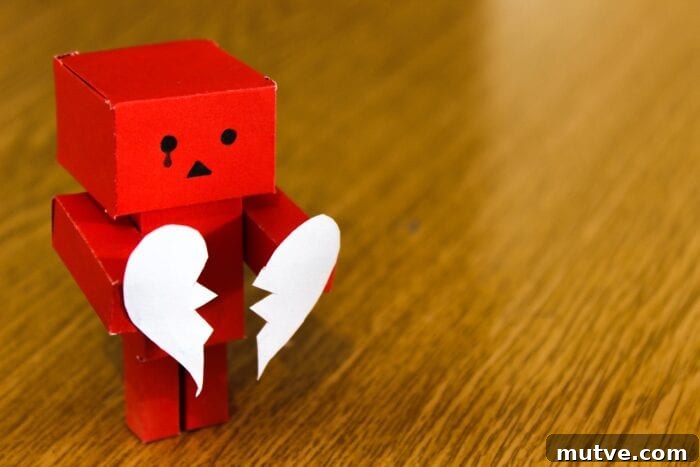
Mental health changes during the pandemic have been widely reported by public health authorities. Many people who never experienced serious anxiety or depression before are finding themselves overwhelmed. Loneliness, disrupted routines, financial uncertainty, and constant exposure to distressing news can all increase emotional strain and, in some cases, trigger physical manifestations such as stress cardiomyopathy.

The Ohio study authors reported a notable rise in stress cardiomyopathy compared with the period before the pandemic. They suggest that the pandemic has created an unhealthy parallel environment: emotional distancing, increased economic strain, and broader social disruption have taken a measurable toll on health. Clinicians have also seen increases in other non-coronavirus-related health problems that may be linked to these stresses.
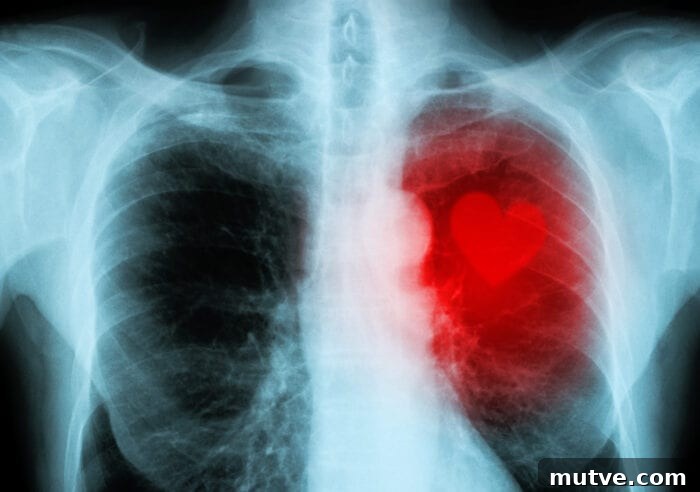
The pandemic has created a parallel environment which is not healthy. Emotional distancing is not healthy. The economic impact is not healthy. We’ve seen that as an increase in non-coronavirus deaths, and our study says that stress cardiomyopathy has gone up because of the stress that the pandemic has created.
Dr. Ankur Kalra, the cardiologist who led the study.
The study concluded that, during the period studied, patients were roughly twice as likely to present with Takotsubo cardiomyopathy than before the pandemic. This increase highlights both the heart’s sensitivity to severe stress and the broader interplay between mental and physical health during times of crisis.
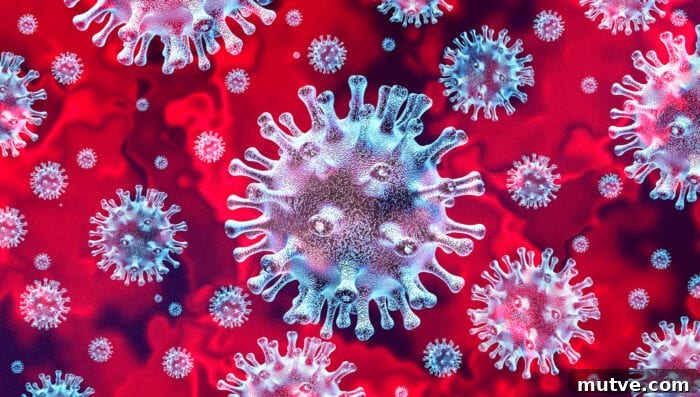
If you are feeling isolated or overwhelmed, small acts of connection can make a difference. Reach out by phone, send a message, write a note, or find safe ways to connect with neighbors, friends, and family. For those living with depression or chronic conditions, maintaining routines, seeking virtual support, and talking with healthcare providers about symptoms — both mental and physical — are important steps.
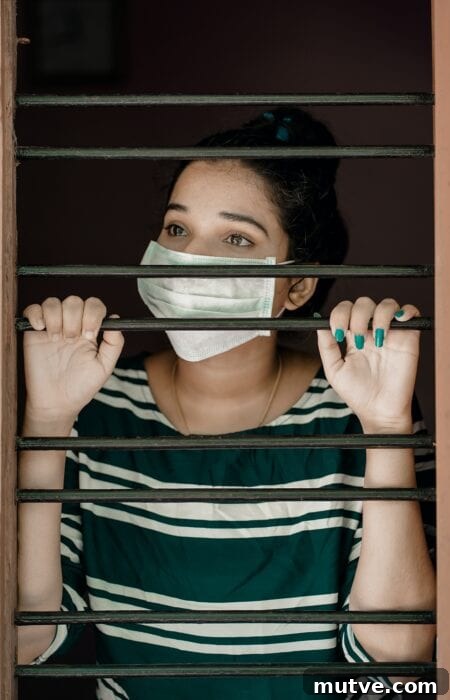
Social media can be helpful for staying in touch, but it can also amplify stress. If you find news or online interactions increase your anxiety, consider limiting exposure and focusing on sources of support and constructive activities. Small changes in daily habits — gentle exercise, regular sleep, creative outlets, and scheduled check-ins with others — can reduce stress and protect heart and mental health.
Health professionals emphasize that emotional wellbeing and physical health are tightly connected. Recognizing the signs of severe stress and asking for help when needed are practical steps everyone can take. If you or someone you know experiences sudden chest pain or difficulty breathing, seek emergency medical care immediately — prompt evaluation can distinguish between a heart attack and stress cardiomyopathy and ensure appropriate treatment.

We are all facing an unusual and prolonged period of stress. Simple acts of kindness and connection — a message, a call, a handwritten note — can help reduce loneliness and may even lessen the physical effects of stress. Reach out, check in, and support one another through these challenging times.