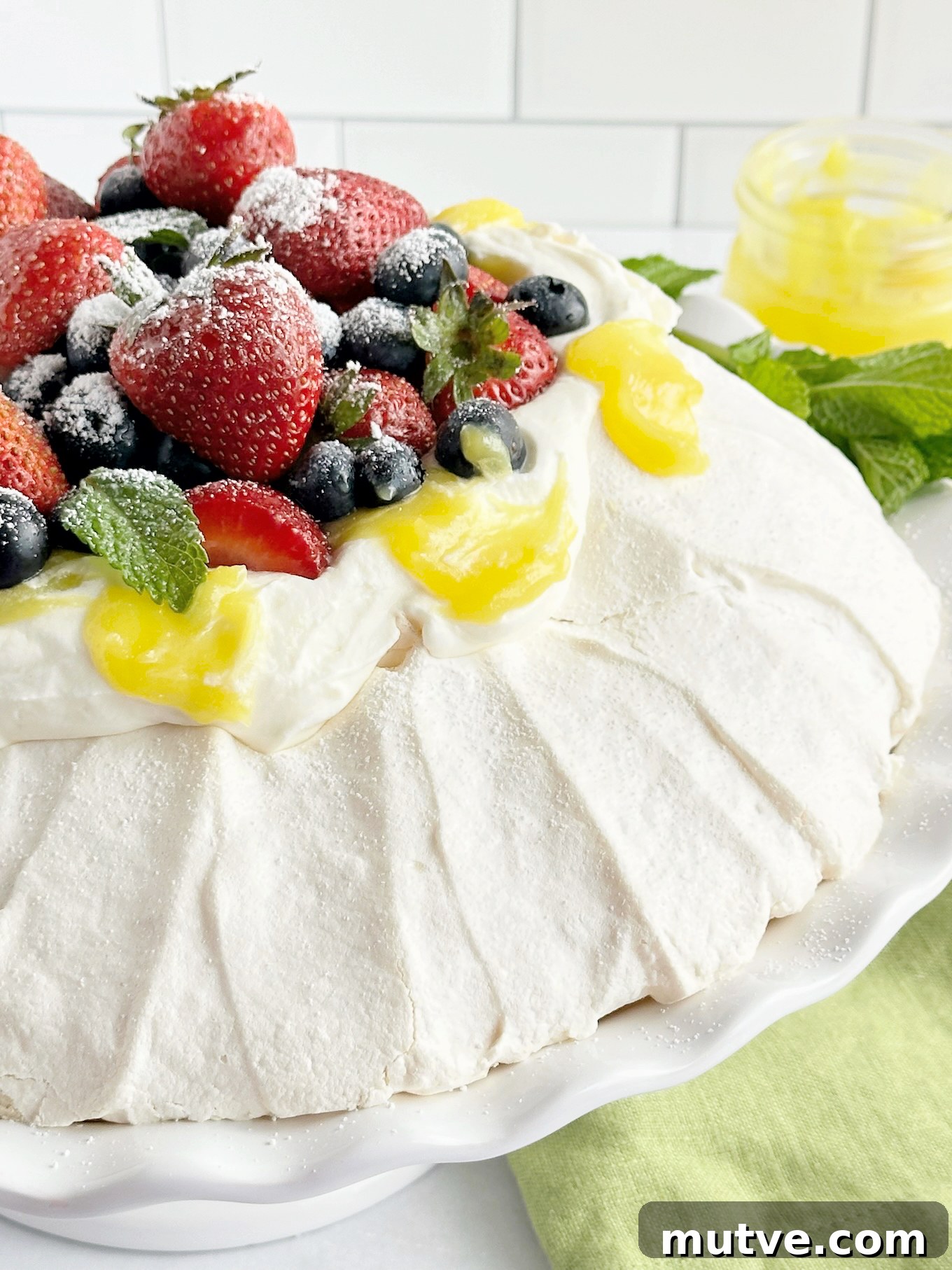
If you love a baked meringue that’s crisp on the outside and soft and marshmallowy inside, finished with whipped cream, lemon curd and fresh berries, this Lemon Curd and Berry Pavlova will become a summer favorite. Light, elegant and surprisingly simple, it’s a show-stopping dessert that’s perfect for warm-weather gatherings.
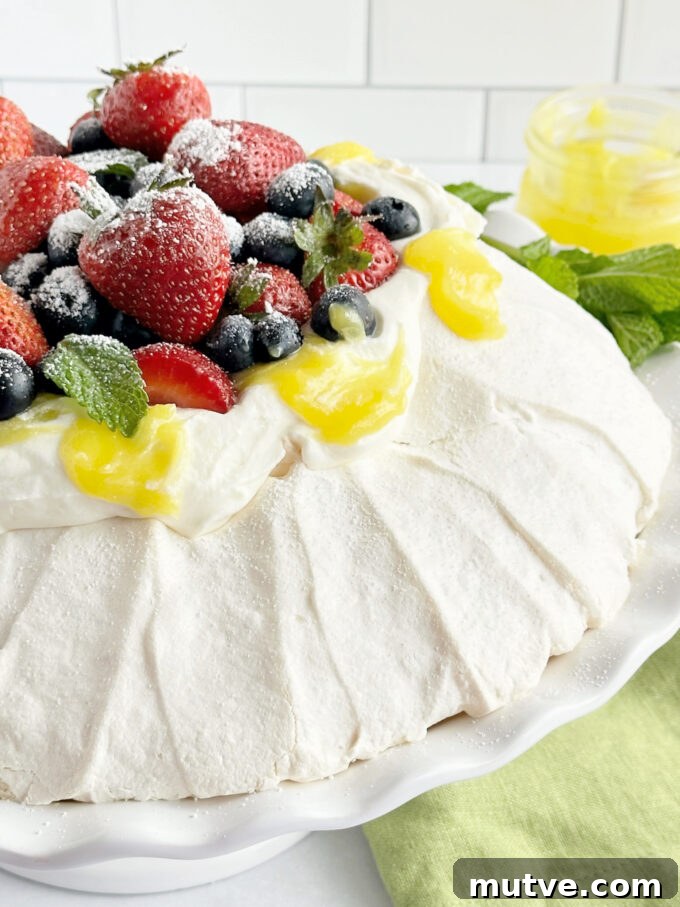
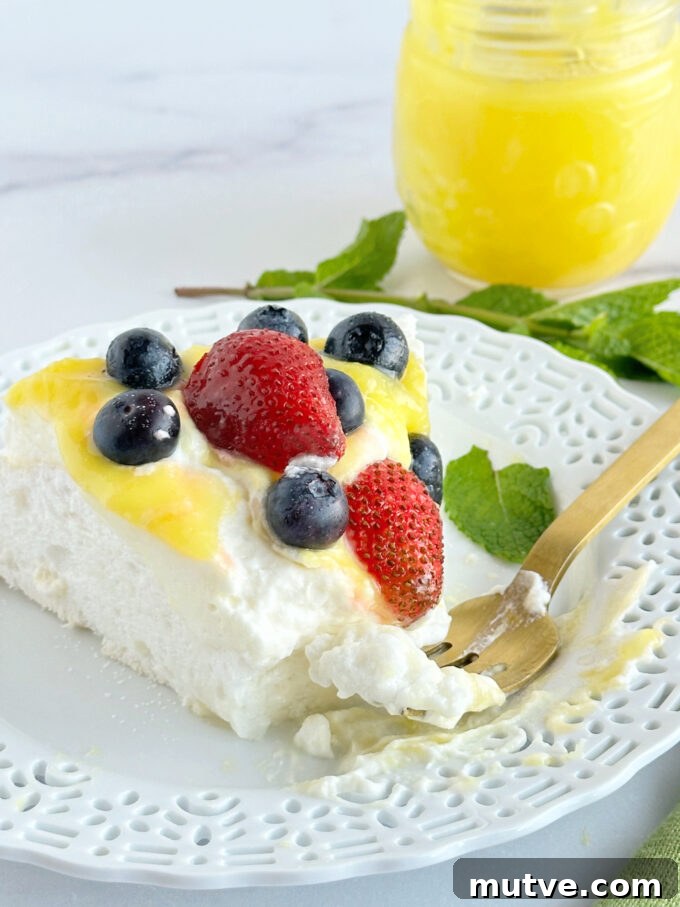
This pavlova recipe yields a crunchy outer shell with a soft, marshmallow-like center. Spread with tart lemon curd, piled with freshly whipped cream and topped with seasonal berries, it balances sweetness and acidity beautifully. It’s ideal for summer dinners, brunches, or anytime you want a light, impressive dessert.
What is Pavlova?
Pavlova is a meringue-based dessert made from whipped egg whites and sugar. Baked low and slow, the meringue develops a crisp exterior and a soft, tender interior. Traditionally it’s finished with whipped cream and fresh fruit; this version adds lemon curd for a bright, citrusy contrast that complements the sweet meringue.
Pavlova (meringue) Ingredients
- Egg whites – Room-temperature egg whites are beaten to stiff peaks and form the body of the pavlova.
- Acid – Cream of tartar, lemon juice or a tiny amount of vinegar stabilizes the egg whites and helps the meringue hold its structure.
- Salt – A pinch enhances the flavor.
- Pure vanilla extract – Adds a mild, sweet background note.
- Superfine granulated sugar – Dissolves more easily than regular sugar, which prevents graininess and weeping. If you don’t have superfine sugar, pulse regular granulated sugar in a blender until finer.
- Cornstarch – Absorbs any excess moisture and helps create a crisp shell with a soft interior that’s easier to slice without shattering.
Topping Ingredients
- Fresh berries – Blueberries and strawberries work well, but use any ripe summer fruit you prefer.
- Fresh whipped cream – Lightly sweetened whipped cream is essential for that classic pavlova finish.
- Lemon curd – Store-bought or homemade. Its tartness offsets the meringue’s sweetness and pairs beautifully with berries.
How to make Pavlova
Before you start: Preheat the oven to 350°F (175°C). On a large sheet of parchment paper, trace a 9-inch round circle using a plate or bowl as a guide; place the paper pencil-side down on a baking sheet.
In a clean, dry mixing bowl fitted with a whisk, combine egg whites, cream of tartar and a pinch of salt. Whisk on low speed until foamy, about one minute. Continue whisking and add the superfine sugar slowly, one spoonful at a time, allowing each addition to dissolve. This gradual incorporation ensures a stable, glossy meringue.
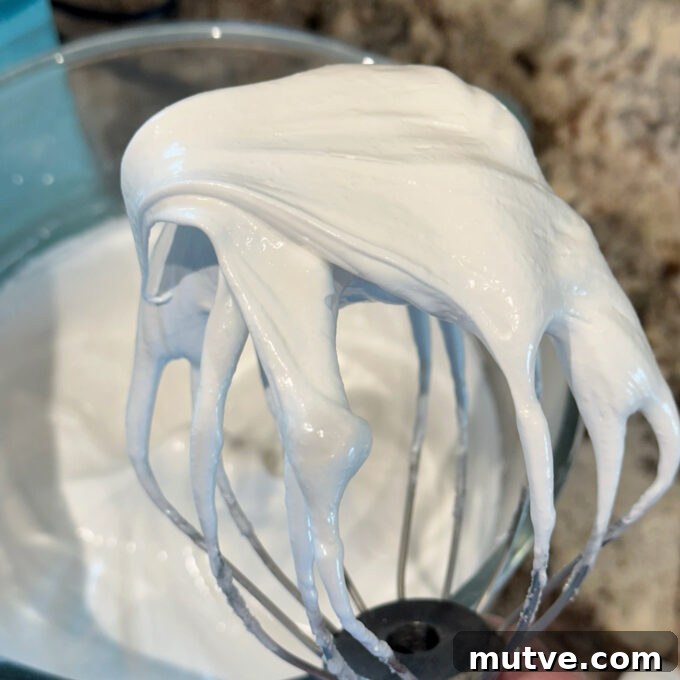
Once all the sugar is added, scrape the bowl and increase speed to medium-low. Stir in vanilla, then beat on medium-high until the whites form very stiff, glossy peaks that stand on their own. Sprinkle the cornstarch over the meringue and gently fold it in with a spatula, preserving as much air as possible.
Spoon large mounds of meringue onto the traced circle. Use an offset spatula to spread it to the edges, creating a shallow well in the center to hold the toppings. Smooth or create decorative swoops along the sides as desired.
Put the meringue into the preheated oven and immediately reduce the temperature to 200°F (95°C). Bake for 1½ hours, or until the outside is dry and crisp and the meringue sounds slightly hollow when tapped. It will take on a faint golden hue. Turn the oven off when done.
If serving the same day: leave the meringue in the turned-off oven for one hour, then crack the door and cool for another hour. If serving the next day: keep the meringue inside the oven with the door closed and allow it to cool overnight—this reduces the chance of cracking.
Whipped Cream and Assembly
Whip cold heavy cream with vanilla and powdered sugar. Start on low until the cream thickens slightly, then increase to high and whip to medium peaks. Carefully peel the cooled pavlova from the parchment and transfer to a serving plate. Spread lemon curd into the center, top with whipped cream and arrange the berries on top. Finish with a light dusting of powdered sugar and sprigs of mint if desired.
Pro tips for success
- Use a perfectly clean, dry bowl; any grease prevents egg whites from whipping properly.
- Bring egg whites to room temperature before whipping for better volume.
- If you don’t have superfine sugar, pulse regular sugar in a blender to make it finer so it dissolves completely.
- Add sugar gradually. Adding it too late creates a loose, unstable meringue; adding it early creates a denser, firmer texture—follow the recipe timing.
- Use a hot knife (dip in hot water and wipe dry between cuts) to slice the pavlova cleanly without shattering it.
- Do not open the oven while the meringue is baking; sudden temperature changes can cause cracking.
- Avoid piling on very heavy fruit. Too much weight can cause excessive cracking and collapse.
Frequently Asked Questions
Why preheat the oven to 350°F before lowering to 200°F?
Starting hot helps set the outside of the meringue quickly so it won’t spread or slump. Lowering the oven afterward allows the inside to dry slowly without browning too much.
Can I freeze pavlova?
Yes—freeze the plain meringue without toppings for up to one month. Thaw at room temperature before assembling and serving.
How long will pavlova stay fresh?
Assembled pavlova is best the same day or within a few hours. Stored uncovered or loosely covered in the refrigerator, it will keep for up to two days, though the meringue will slowly soften and may weep.
Can I use a hand mixer instead of a stand mixer?
Yes. A hand mixer works fine but may take longer to reach stiff peaks.
When should I assemble the pavlova?
Assemble no more than one hour before serving—especially with juicy fruit—to keep the exterior crisp.
Why did my pavlova weep?
- Undissolved sugar can draw moisture out; add sugar slowly and make sure it dissolves.
- Over- or under-beating egg whites affects stability; aim for stiff, glossy peaks.
- Underbaking leaves moisture that causes weeping; bake until dry to the touch.
- High humidity can cause meringue to weep; avoid making pavlova on very humid days if possible.
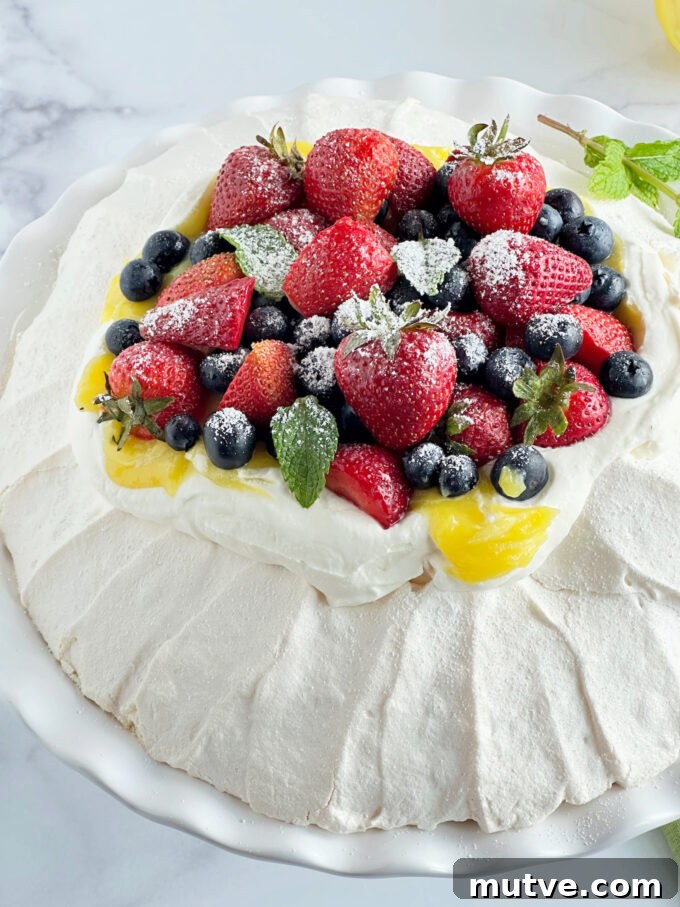
If you try this lemon curd and berry pavlova, note what worked for you and adjust the sugar and baking time to suit your oven and climate. With practice you’ll consistently produce pavlovas that are crisp, tender and beautiful to serve.