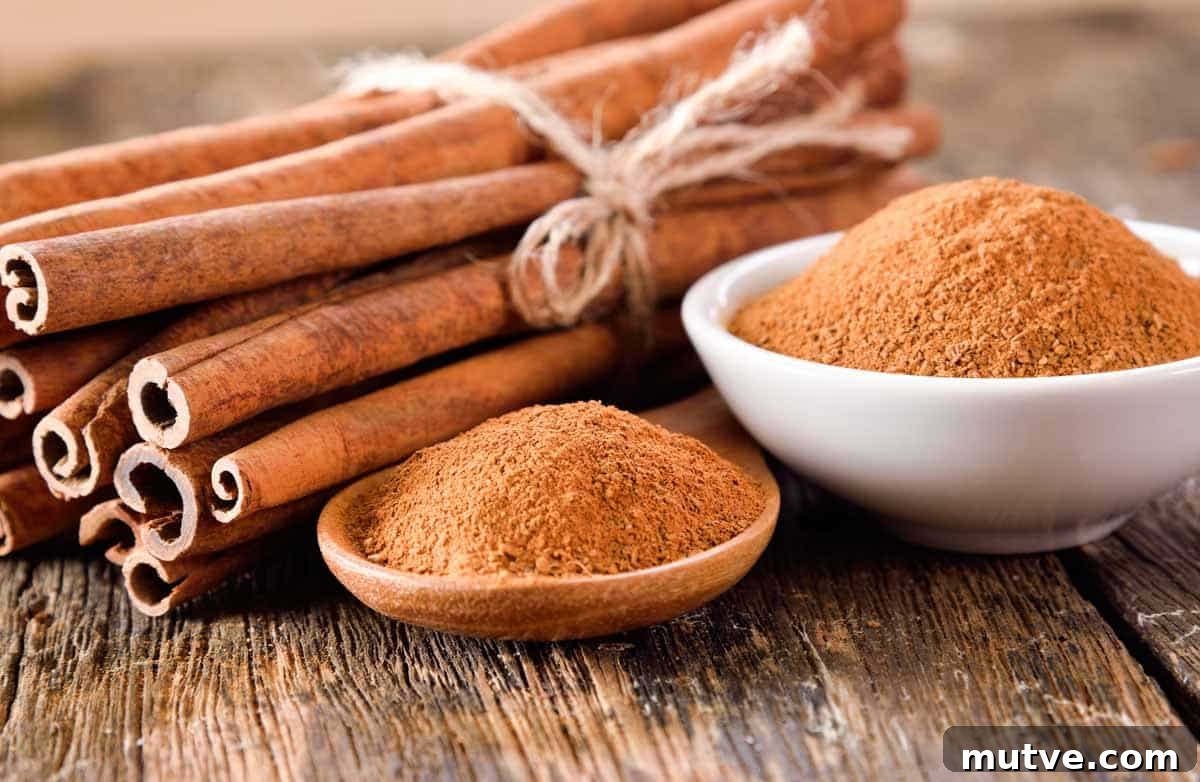
Cinnamon is one of the world’s most popular spices, prized for its warm aroma and sweet, slightly earthy taste. A small amount can lift a humble dish—adding depth to coffee, baked goods or savory stews—and its scent alone often makes a kitchen feel cozy. Understanding how to choose, use and store cinnamon helps you make the most of its flavor in everyday cooking.
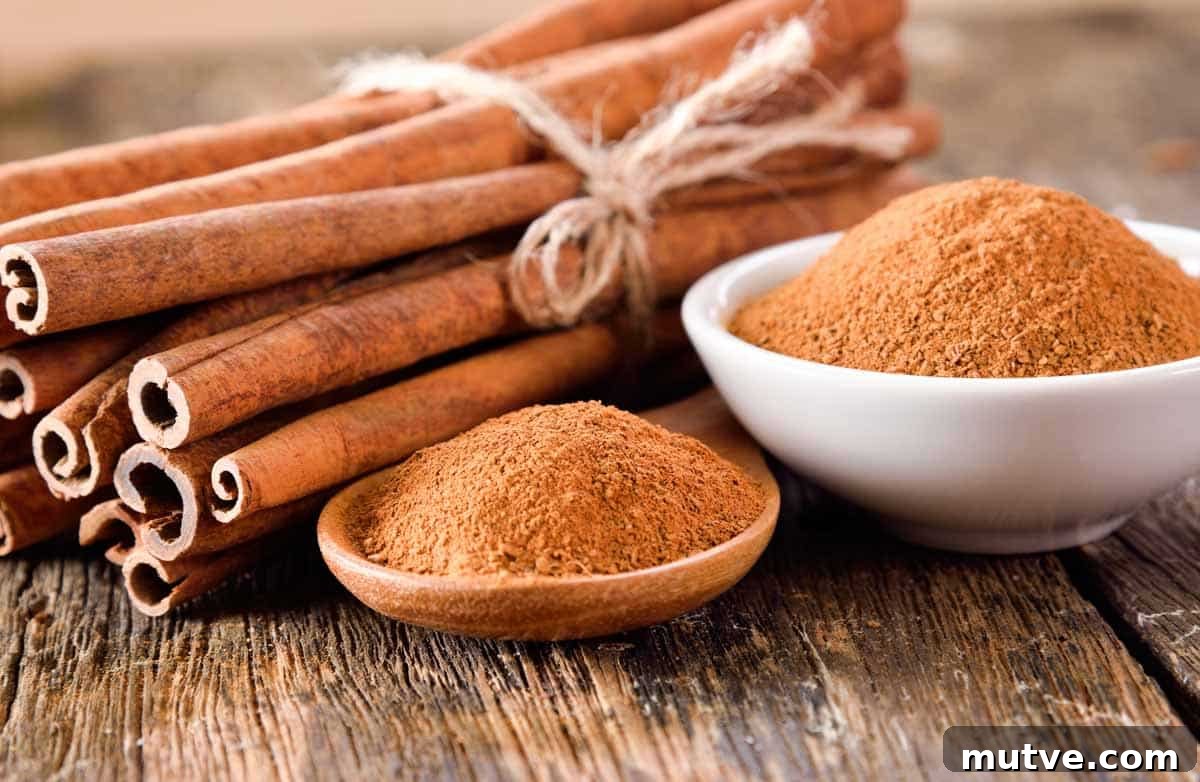
Used for centuries across many cultures, cinnamon comes from the inner bark of evergreen trees in the Cinnamomum genus. When the bark dries, it curls into quills or sticks; those quills can be ground into the familiar brown powder. While it’s often associated with sweets like pies and cookies, cinnamon is also a versatile ingredient in savory dishes and beverages.
What is cinnamon?
Cinnamon is harvested from the inner bark of certain evergreen trees. After harvesting, the bark dries and naturally curls into quills. These quills can be used whole or ground into a fine powder. The spice has a long culinary history, appearing in a variety of global cuisines and in both sweet and savory preparations.
Types of cinnamon
There are several varieties of cinnamon, but two are most common in kitchens: Ceylon and cassia. Each has its own texture and flavor profile, and choosing the right one depends on the dish and personal taste.
Ceylon cinnamon
Often called “true” cinnamon, Ceylon has fragile, thin quills and a more delicate, nuanced sweetness. It’s favored in recipes where a subtle, refined cinnamon flavor is desired.
Cassia cinnamon
Cassia is darker, thicker and more assertive in flavor. It’s the variety most commonly found in supermarkets and works well in baked goods, spiced beverages and any recipe that benefits from bold, warming notes.
Cooking with cinnamon
Cinnamon’s form affects how it contributes to a dish. Ground cinnamon disperses quickly and blends seamlessly into batters, custards, sauces and drinks. Whole sticks and quills release flavor gradually, making them ideal for simmered dishes, braises, rice or infusions.
Practical tips for cooking with cinnamon:
- Stir ground cinnamon into batters early so heat can release and develop its aroma.
- Use cinnamon sticks in soups, stews, rice or mulled beverages and remove them before serving.
- Combine cinnamon with spices such as nutmeg, cardamom or cloves to create layered, complex flavors.
Beyond baking, cinnamon enhances a wide range of savory dishes. Simmer a stick with legumes or rice to add a subtle fragrance, or include a pinch in rubs and marinades for slow-cooked meats. Roasted root vegetables benefit from a light dusting of cinnamon, which accentuates their natural sweetness without becoming cloying.
Global uses and flavor pairings
Cinnamon appears in cuisines across the globe in surprising and delightful ways. In Mexico it flavors spiced coffee preparations, while in India it’s a key component of spice blends like garam masala and lends warmth to curries and biryanis. Middle Eastern and North African dishes often balance cinnamon with dried fruit in stews and tagines, and Scandinavian baking showcases it in iconic treats such as cinnamon buns. In Vietnam, aromatic local varieties are used to deepen broths like pho, and some Mediterranean recipes incorporate cinnamon in tomato-based sauces and layered dishes.
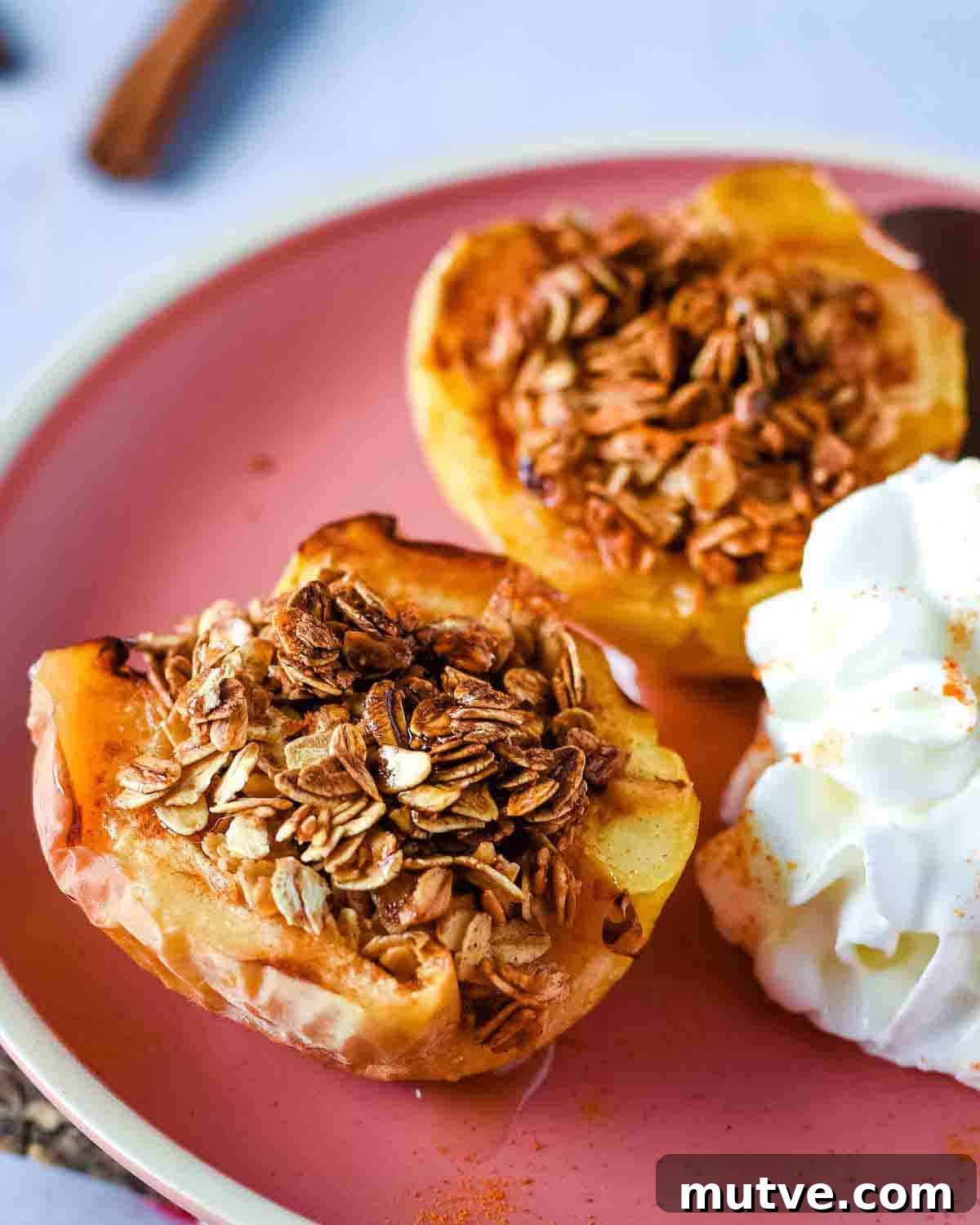
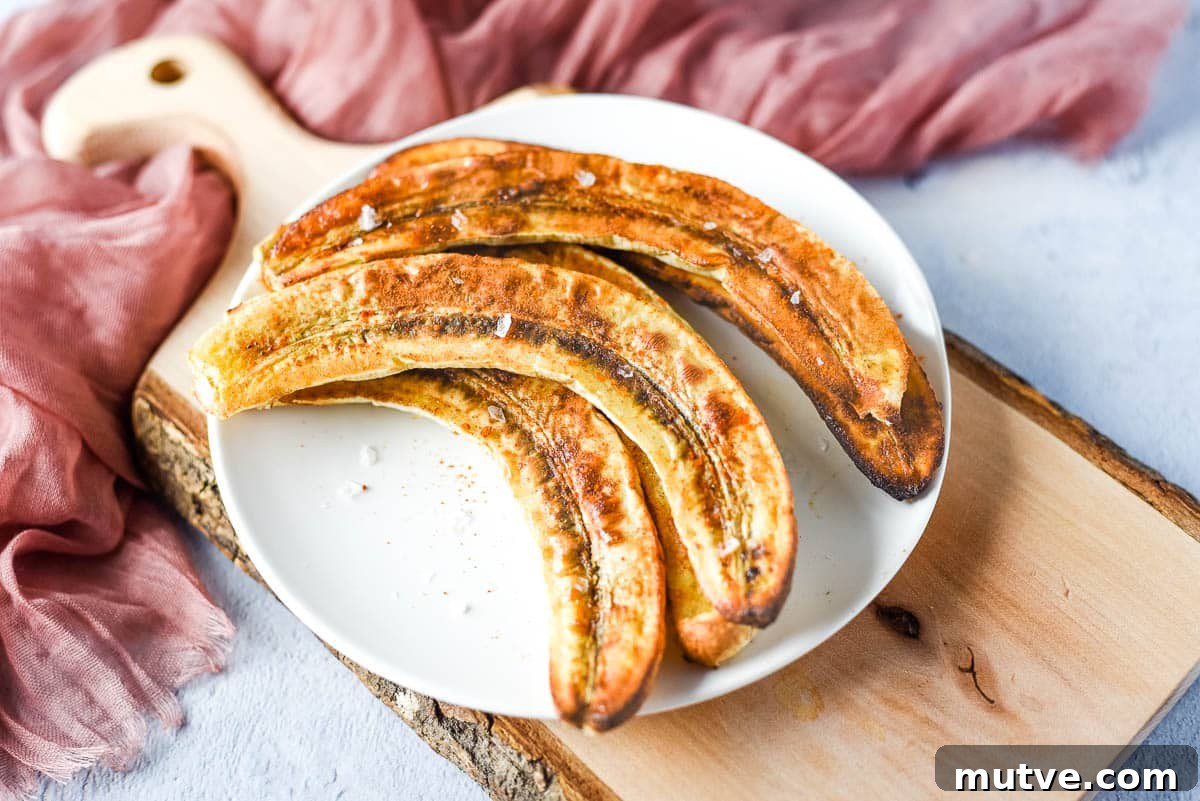
Cinnamon pairs beautifully with many ingredients. It highlights fruits such as apples, pears and bananas, complements chocolate in both drinks and desserts, and enhances savory dishes like bean or chicken stews when used sparingly. Common spice companions include nutmeg, cardamom and cloves—together they build rich, harmonious flavor profiles in baked goods, sauces and beverages.
“Pairing cinnamon with coffee is one of my favorite seasonal delights. Whether it’s a cinnamon cold foam on cold brew or a latte with cinnamon syrup, it tastes like warmth and coziness on a crisp day,” says Susannah Brinkley Henry of Feast + West.
Storing cinnamon
To preserve cinnamon’s flavor, store both sticks and ground powder in airtight containers away from heat, light and moisture. Ground cinnamon is most potent for roughly six months, while whole sticks can keep their flavor for up to a year when stored properly. Keep containers in a cool cupboard, not above the stove, and buy smaller quantities if you don’t use the spice frequently.
If a jar emits only a faint aroma when opened, the spice has likely lost potency and it’s time to replace it. Tightly sealed containers and protection from direct light will help cinnamon retain its natural oils and aroma longer.
Final thoughts
Cinnamon is far more than a single-use baking spice. Its versatility makes it a valuable addition to both sweet and savory dishes across many cuisines. By selecting the right variety, using the appropriate form for your recipe and storing it correctly, you can enjoy cinnamon’s warm, inviting flavor whenever you cook.
This article originally appeared on Food Drink Life.