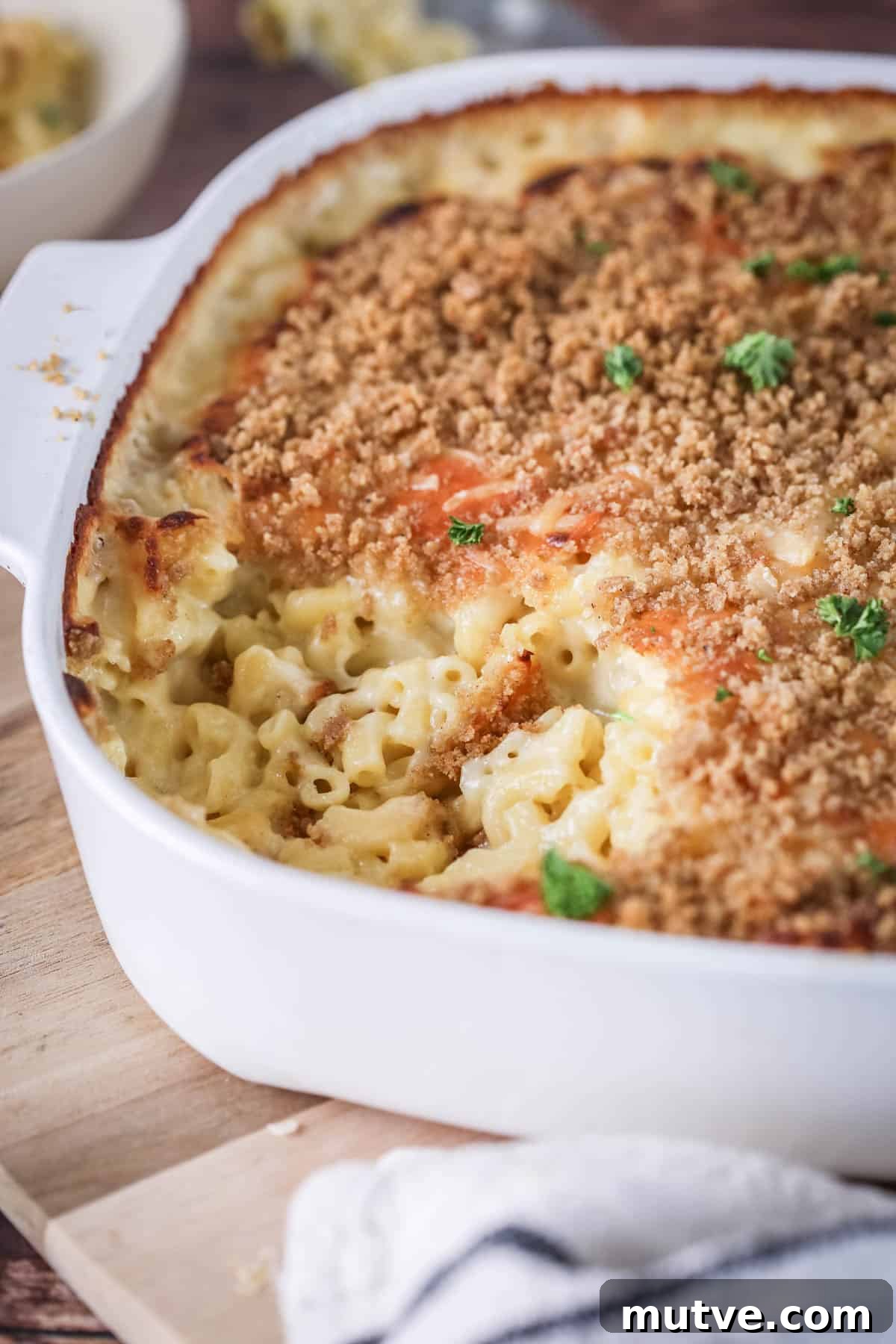
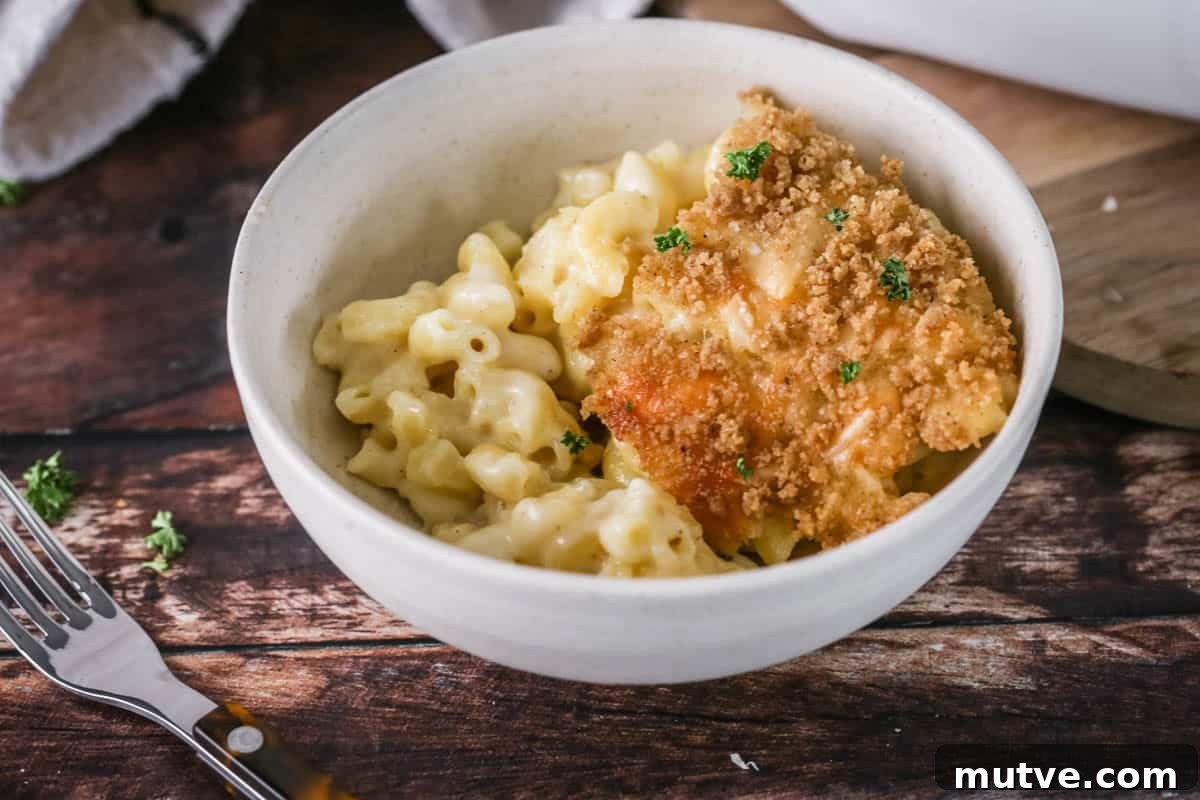
This gluten-free macaroni cheese is rich, creamy and simple to make—perfect for a cozy weeknight dinner. It combines a roux-thickened cheese sauce with tender gluten-free pasta and a crisp, buttery breadcrumb topping for a comforting, family-friendly meal.
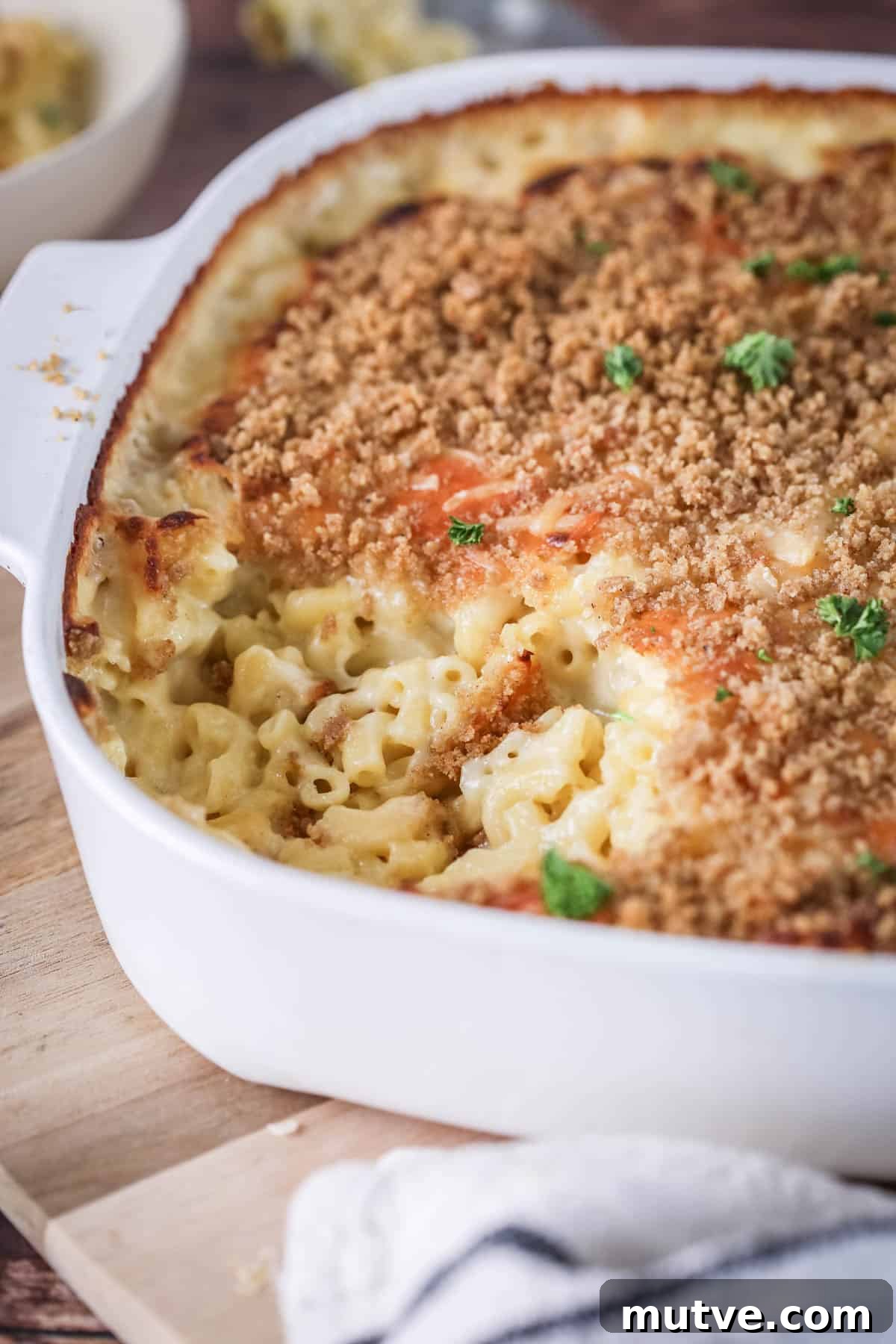
Why You’ll Love This Gluten-Free Macaroni Cheese
- Deep, layered cheese flavour from a butter-and-flour roux.
- Aroux-based sauce gives a richer, more buttery texture than a slurry-thickened sauce.
- Gluten-free pasta that keeps a good bite when par-cooked correctly.
- A crunchy breadcrumb topping that contrasts nicely with the velvety sauce underneath.
- A familiar, satisfying comfort dish the whole family can enjoy.
Watch the Video
If you prefer to follow along visually, there is a short video demonstrating the key steps to making this gluten-free mac and cheese.
What Makes Macaroni Cheese Gluten-Free?
Making a gluten-free version involves three simple swaps:
- Pasta — Use certified gluten-free macaroni or a similar small pasta shape. Cooking times may vary if you use a larger shape.
- Flour — This recipe uses a roux (butter + gluten-free flour) to build the sauce. A roux gives more flavour and a creamier texture than thickening at the end with a starch slurry. Choose a starch suited to a roux (see flour section below).
- Breadcrumbs — For a golden topping, use gluten-free breadcrumbs.
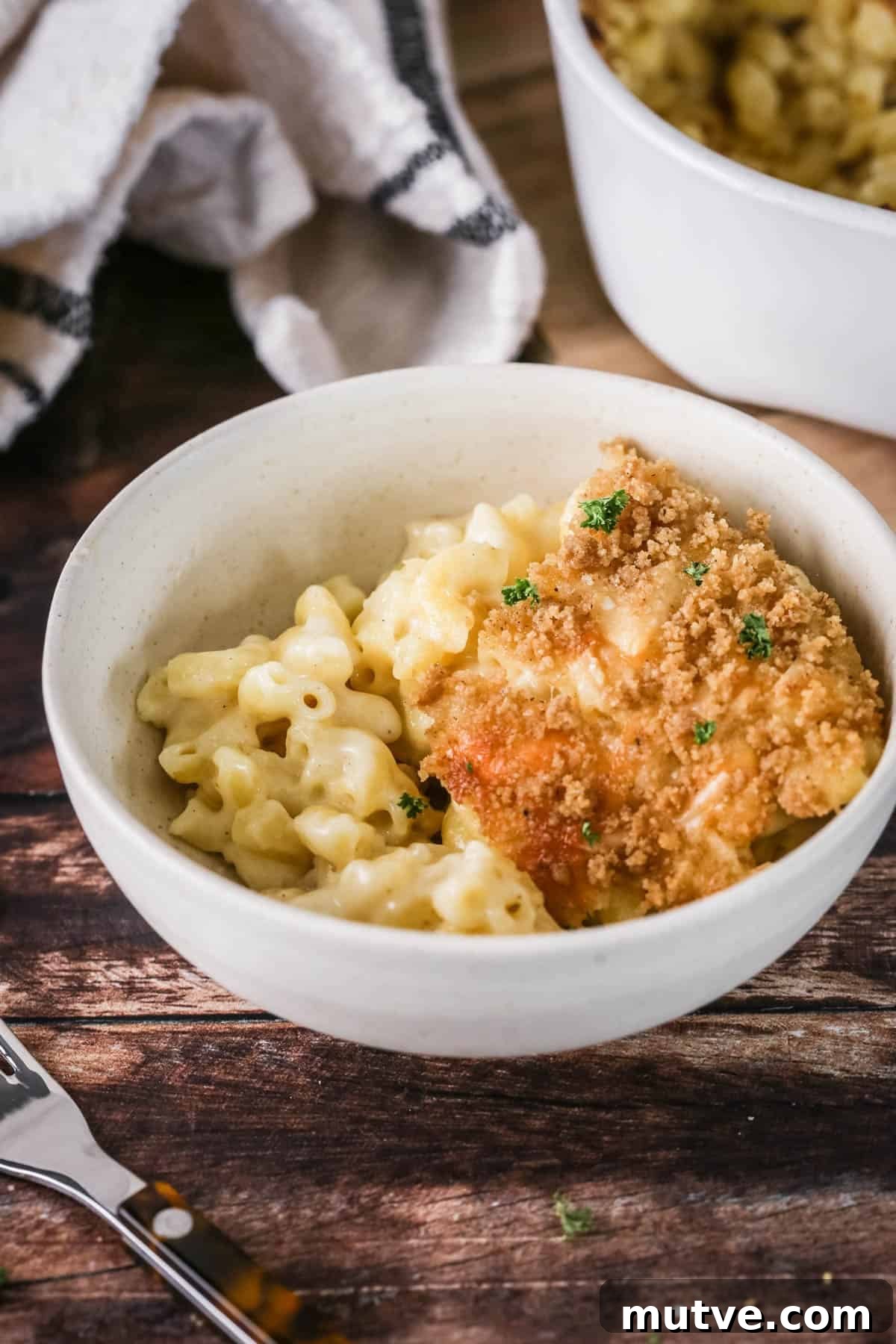
The Best Gluten-Free Pasta for Macaroni Cheese
When shopping for gluten-free pasta look at the ingredient list. Blends that balance different flours usually perform better than single-flour pastas. A combination that includes a protein-rich flour plus rice or corn tends to hold its shape and texture better.
Rice vs Corn vs Lentil Pasta
- Lentil flour: High in protein and helps structure the pasta but can be assertive in flavour.
- Rice flour: Common and lightly flavoured, but alone can make pasta prone to becoming soft.
- Corn flour: Often paired with rice to add structure, but a three-way blend that adds protein gives the most reliable texture.
Look for blends that include rice, corn and a protein-rich flour such as quinoa or lentil for the best results.
UK Gluten-Free Pasta Brand Recommendations
Many supermarket free-from ranges use rice-and-corn blends. When available, choose a brand that adds a protein-rich grain to the mix for greater stability and a better bite.
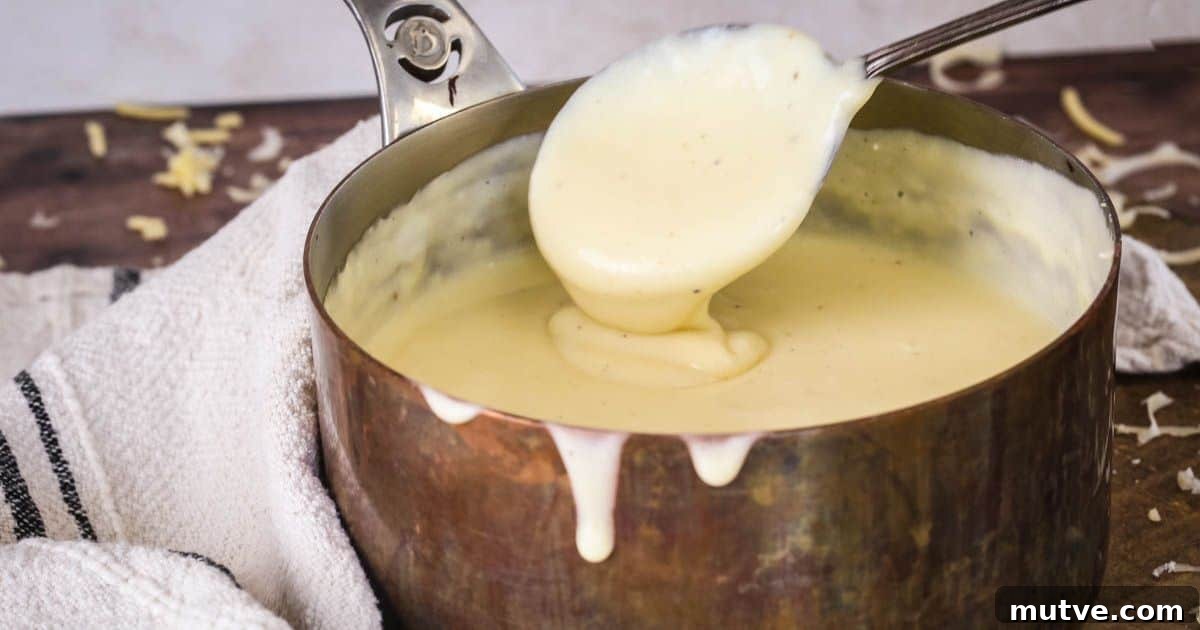
The Best Flour for making the Cheese Sauce
For a roux-based gluten-free cheese sauce choose a starchy, single-ingredient flour that gives a smooth, glossy finish. Cassava flour or sweet rice flour (glutinous rice flour) are both excellent choices and can be used interchangeably in a 1:1 roux recipe. Avoid wholegrain or multi-ingredient gluten-free blends for the roux, as they can produce a grainy or thin sauce. Cornflour (cornstarch) and tapioca work well as a slurry at the end of cooking but are not suitable for forming a roux.
Ingredients Needed
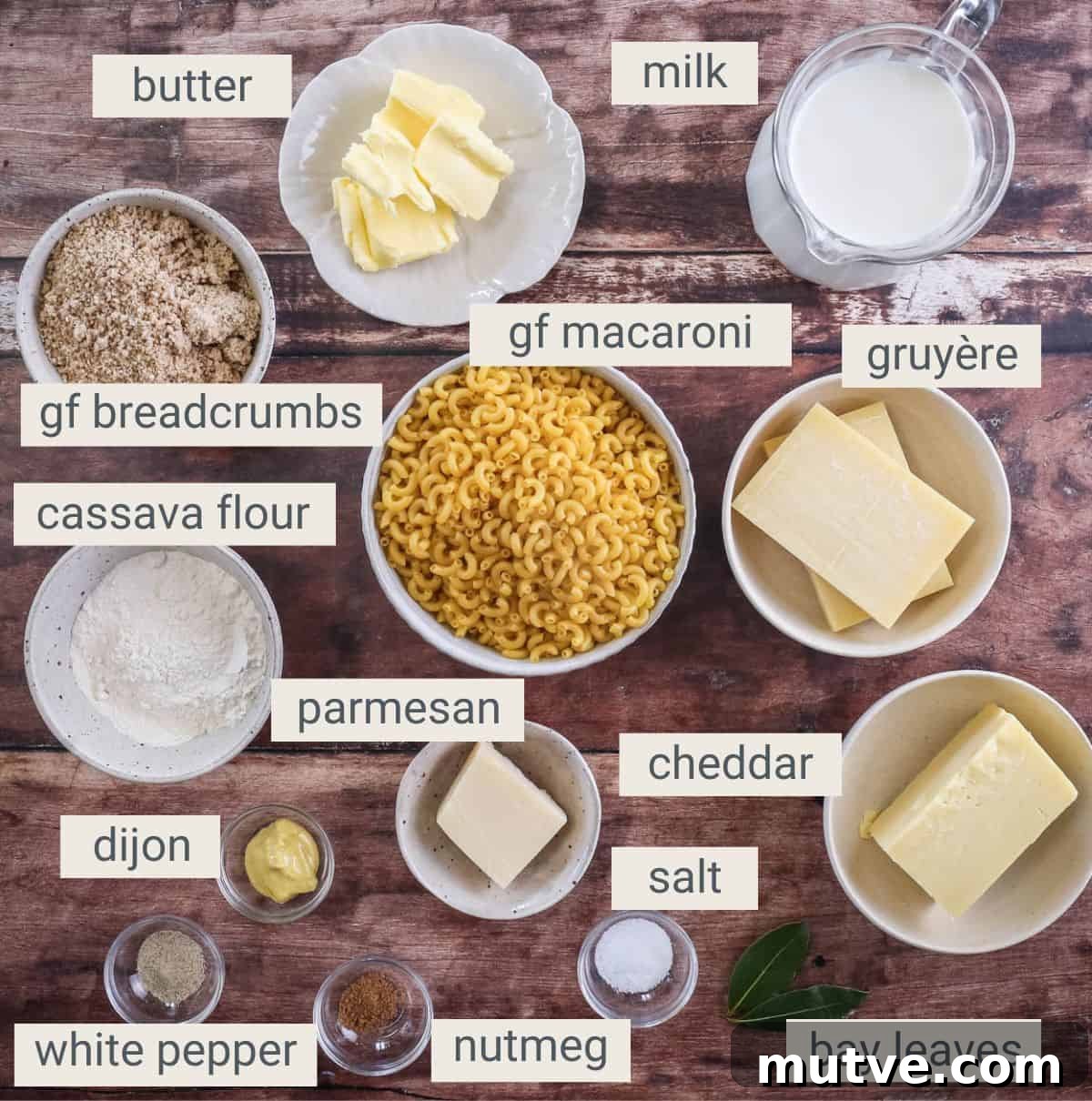
- Unsalted butter — to control seasoning (use salted and skip adding salt if needed).
- Cassava flour or sweet rice flour — for a smooth roux. Do not use ordinary rice flour.
- Whole milk — provides body and richness; use dairy-free milk like oat or almond if needed.
- Gruyère, cheddar and a little parmesan — a mix of melty and sharp cheeses builds flavour.
- Dijon mustard, bay leaves, white pepper, salt and freshly grated nutmeg — for seasoning.
- Gluten-free macaroni — or a similar small-pasta shape; par-cook briefly to avoid sogginess.
- Gluten-free breadcrumbs and melted butter — for the crisp topping.
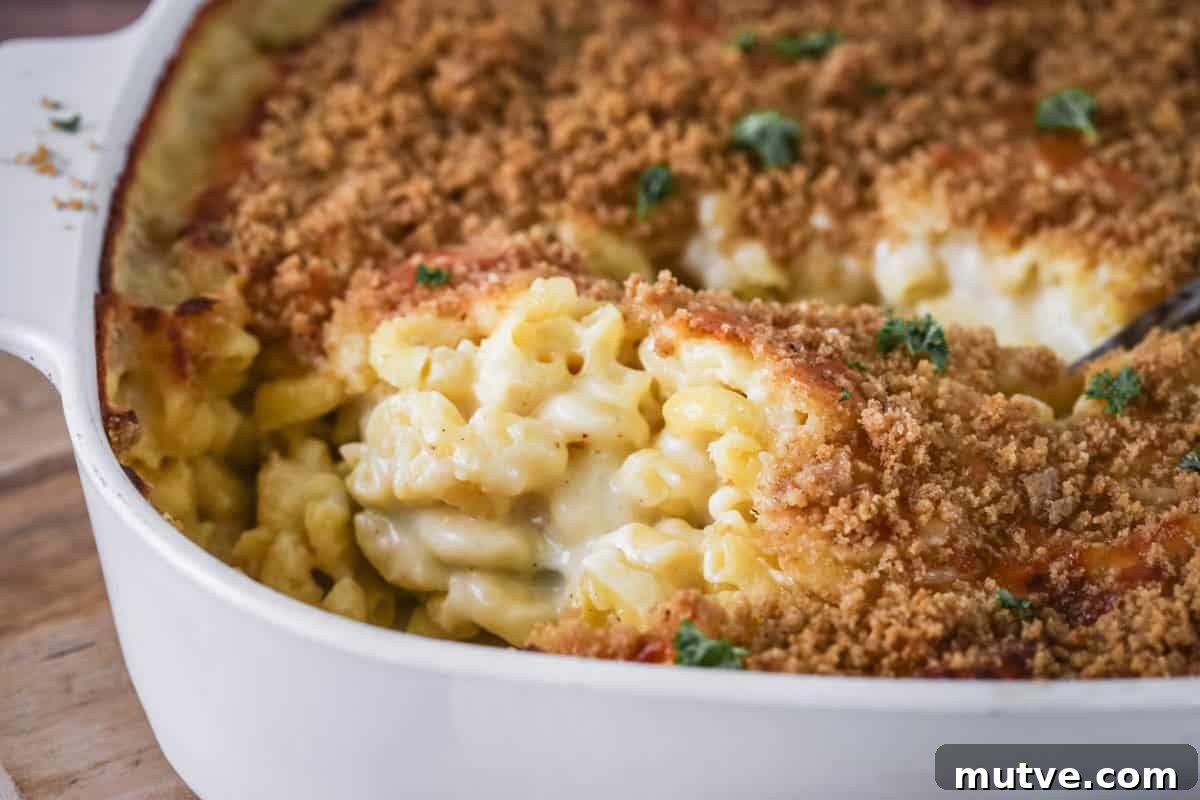
How To Make Gluten-Free Macaroni Cheese
Summary of the method—full step-by-step instructions are in the recipe card below.
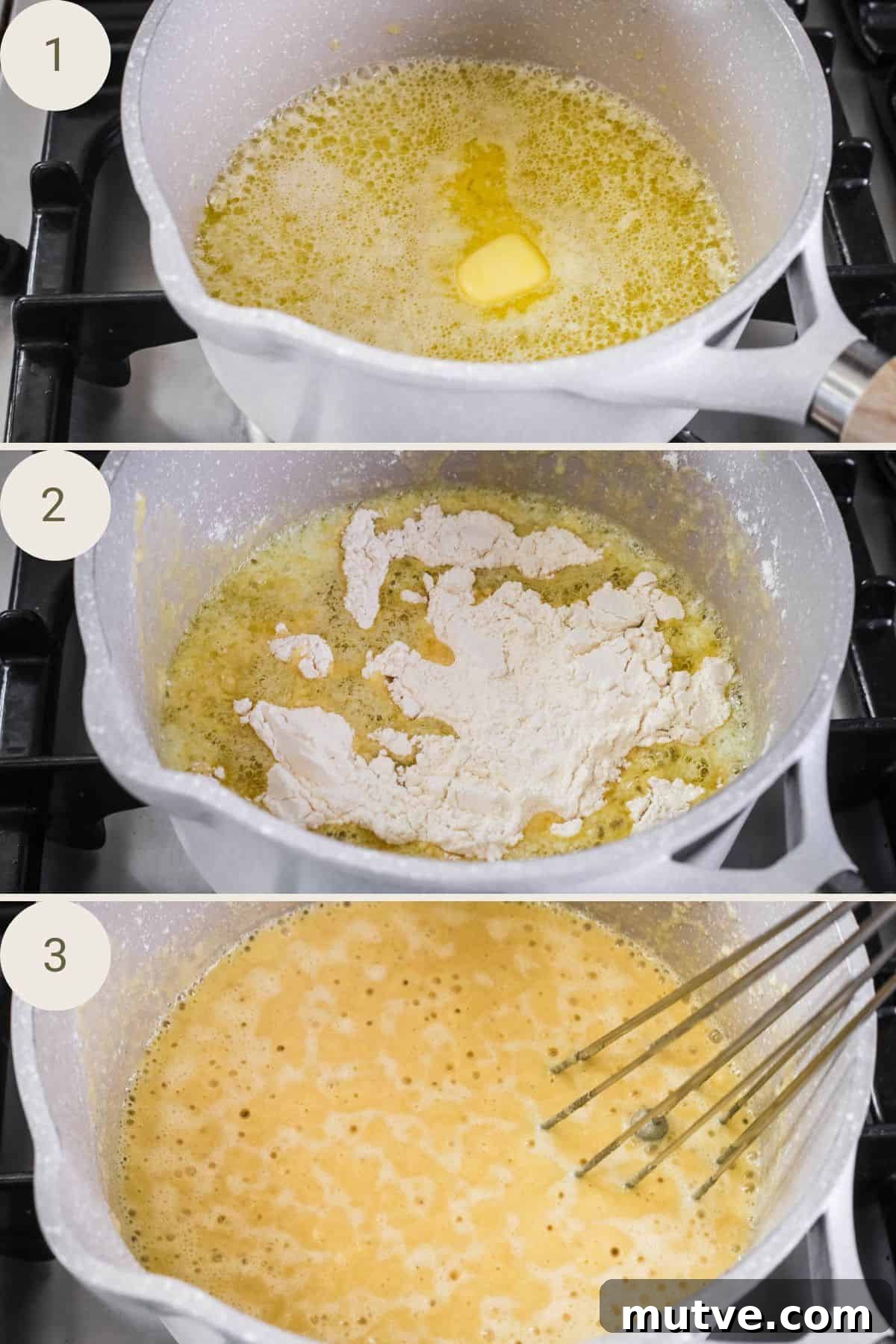
- Melt butter in a saucepan, stir in cassava (or sweet rice) flour and cook briefly to form a roux.
- Slowly whisk in whole milk until the sauce thickens and becomes smooth. Add bay leaves, mustard, pepper, salt and nutmeg and simmer gently until it starts to bubble.
- Remove bay leaves, then stir in grated cheeses until melted and silky. Cover the surface with cling film or baking parchment to prevent a skin while you prepare the pasta.
- Bring a large pan of salted water to the boil, add the macaroni and simmer for about 1–2 minutes (the pasta is intentionally undercooked so it finishes in the oven).
- Drain the pasta, mix with the cheese sauce, transfer to a baking dish and sprinkle with extra grated cheese.
- Mix gluten-free breadcrumbs with melted butter, salt and pepper, scatter over the top and bake at 190°C (170°C fan) for 25 minutes. Finish under a hot grill for 5–10 minutes until golden and crisp.
Tips & Troubleshooting
- Cover the sauce surface with cling film or baking parchment while the pasta cooks to stop a skin forming.
- Whisk the sauce well before combining with pasta; if lumps form, reheat briefly and whisk to smooth.
- Under-cook the gluten-free pasta in the par-boil (about 1–2 minutes) so it doesn’t become soft when baked.
- If cooked pasta sits around, toss it with a little butter and spread it on a tray to stop it sticking.
Make Ahead
I don’t recommend assembling the dish completely in advance, because the pasta will continue to absorb sauce and can become soggy. Instead prepare the components separately: the cheese sauce can be made and refrigerated (covered with parchment or cling film pressed to the surface) for up to three days. Cook the pasta and assemble just before baking.
Freezing
Leftovers freeze acceptably, but texture will be affected. Freeze portions in airtight containers, thaw overnight in the fridge and reheat—add 1–2 tablespoons of milk per portion before reheating to restore sauciness.
FAQs
Why is my sauce grainy?
The wrong gluten-free flour (often wholegrain flour blends or plain rice flour) can cause a grainy texture. Use cassava or sweet rice flour for a smooth result.
Can I make macaroni cheese without a gluten-free roux?
You can thicken with a cornstarch slurry, but that requires a different method and gives a different texture. The roux builds depth and a velvety sauce.
Why does gluten-free pasta go mushy?
Gluten-free pastas absorb liquid more readily than wheat pasta. Par-cook briefly so the pasta finishes cooking in the oven rather than soaking up too much sauce ahead of time.
Why is it dry?
Either the pasta has absorbed too much sauce (overcooked) or there isn’t enough sauce relative to pasta. Reduce the pasta or increase the sauce if needed.
Recipe Variations
- Seasoned topping: Stir a teaspoon of your favourite seasoning into the breadcrumbs.
- Chorizo or bacon: Fry diced chorizo or bacon and fold through the pasta before baking.
- Egg slices: Layer slices of boiled egg into the dish before baking for a retro twist.
Serving Suggestions
Accompaniments
- Garlic bread
- Simple green salad
- Roasted broccoli or grilled tomatoes
- A drizzle of hot sauce or chilli oil for spice lovers
Macaroni Cheese as a Side Dish
It works as a main or as a side alongside sausages, chicken nuggets, ribs or pulled pork.
Gluten-Free Macaroni Cheese
Serves: 6–8 as a main. Prep: 10 mins. Cook: 45 mins. Total: 55 mins.
Ingredients
- 100 g unsalted butter
- 50 g cassava flour (or sweet rice flour)
- 1000 g whole milk
- 2 bay leaves
- 2 tsp Dijon mustard
- ¾ tsp salt
- ⅛ tsp ground white pepper
- ⅛ tsp freshly ground nutmeg
- 200 g gruyère, grated
- 200 g mature cheddar, grated
- 50 g parmesan, grated
- 350 g gluten-free macaroni
- Extra cheese topping: 20 g parmesan + 50 g cheddar, grated
- Breadcrumb topping: 100 g gluten-free breadcrumbs, 30 g melted butter, ¼ tsp salt, ⅛ tsp black pepper
Instructions
- Preheat the oven to 190°C / 170°C fan / gas mark 5.
- Melt the butter over low heat. Add the cassava flour and stir to form a smooth roux, cooking for about 2 minutes.
- Increase heat slightly and slowly whisk in the milk until the sauce thickens and becomes smooth.
- Add bay leaves, mustard, salt, white pepper and nutmeg. Simmer gently until the sauce just begins to bubble.
- Stir in all the grated cheese until melted, thick and silky. Remove from heat and cover the surface with cling film or parchment to prevent a skin.
- Bring a large pan of water to the boil with ¼ teaspoon salt. Add the macaroni, return to the boil and simmer for 1 minute. Drain and transfer to a large bowl.
- Remove the cling film from the sauce, whisk to remove any lumps, then pour the sauce over the pasta and stir to combine. Transfer to a large baking dish.
- Scatter the extra grated cheese over the top.
- Mix the breadcrumbs with melted butter, salt and pepper until evenly coated, then sprinkle over the pasta.
- Bake for 25 minutes. Finish under the grill for 5–10 minutes until the top is golden and crisp.
Notes
- This recipe was tested with metric measurements for accuracy.
- Make the cheese sauce up to 3 days ahead; store in an airtight container with parchment pressed to the surface.
- Leftovers freeze, but texture is best when fresh. Thaw overnight and reheat with a splash of milk to restore creaminess.
Nutrition (per serving, approx.)
Calories: 676 kcal | Carbohydrates: 54 g | Protein: 28 g | Fat: 40 g