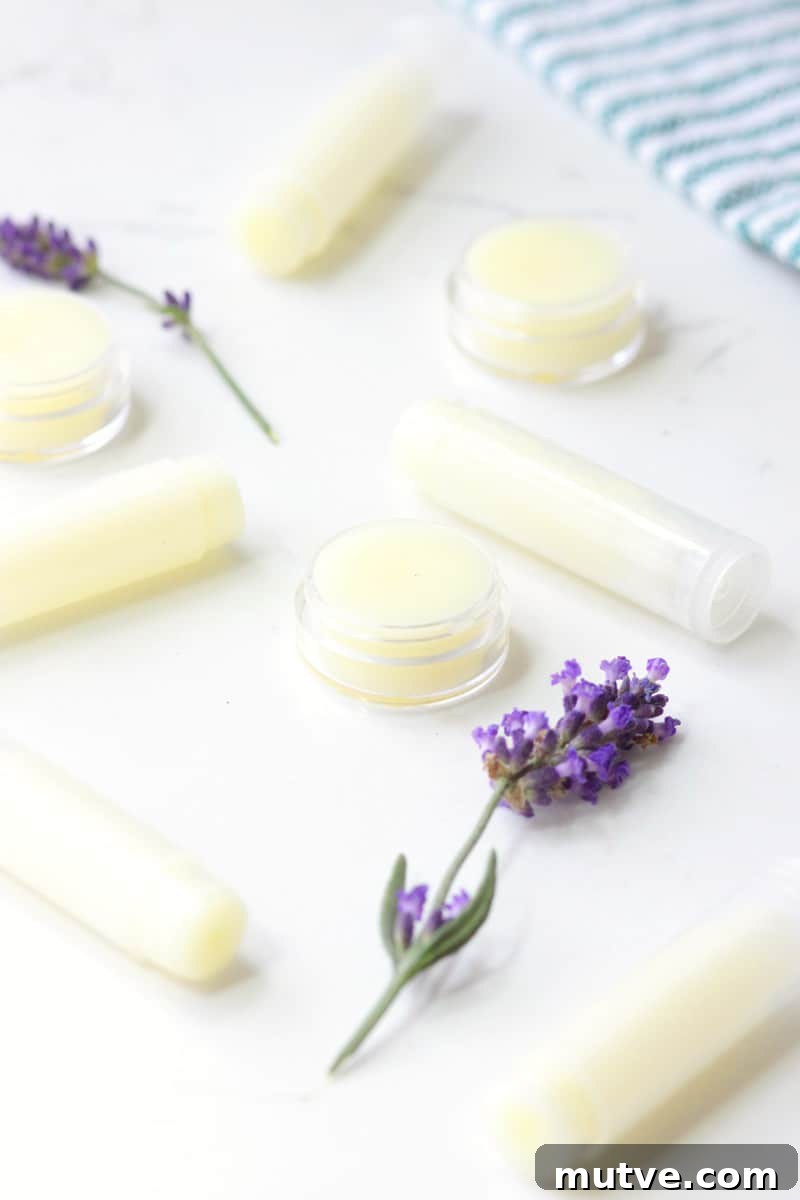
This homemade beeswax lip balm recipe uses simple, natural ingredients — shea butter, vitamin E, honey and coconut oil — to soothe and protect dry lips.
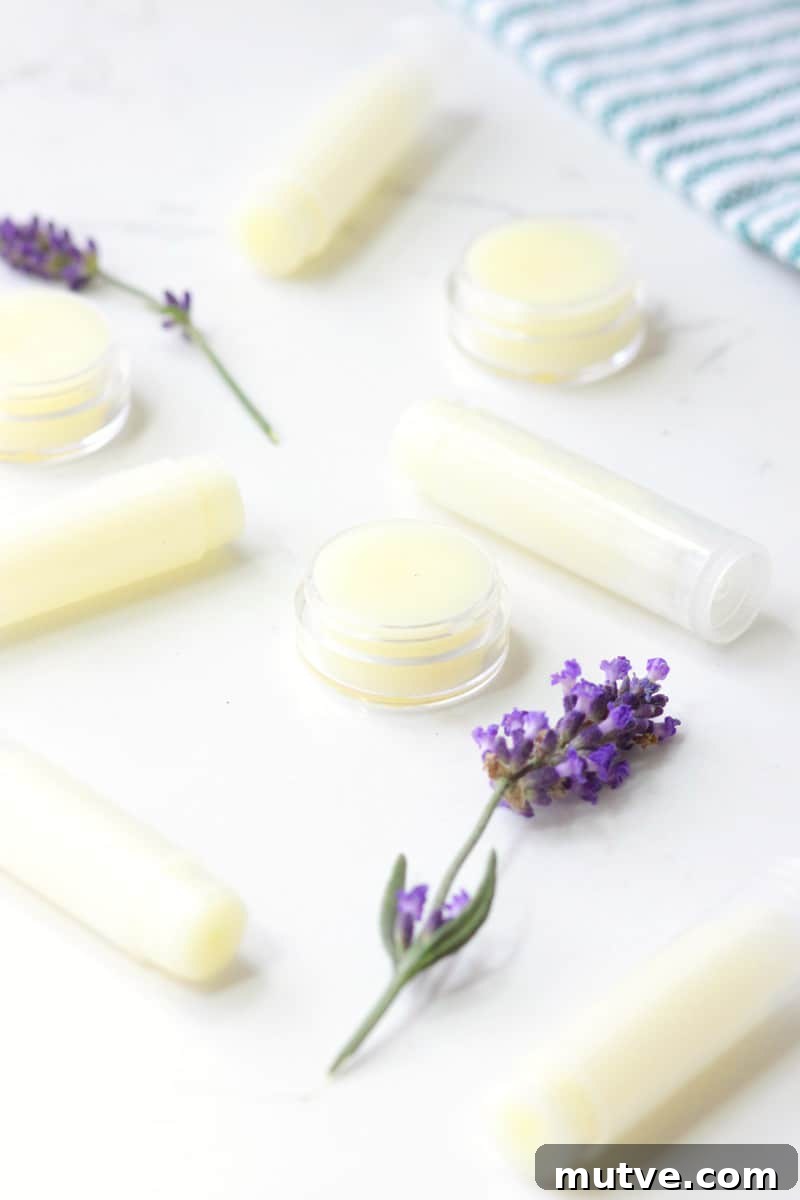
Lip balm is one of those essentials that always seems to disappear when you need it most. Making your own guarantees you have plenty on hand and lets you control exactly what goes on your skin.
Cold, dry weather can make lips flaky and uncomfortable. Store-bought natural balms can be expensive, and small tubes are easily misplaced. Crafting your own beeswax lip balm is fast, inexpensive and lets you customize scent and texture to suit your family.
By making homemade toiletries and skincare, you know exactly what you’re applying — no artificial fragrances or unnecessary chemicals that could irritate sensitive skin.
When you compare costs, a homemade tube can cost only pennies versus several dollars for a store-bought natural tube. Once you gather a few staple ingredients, you can produce a batch that lasts all season.
Why you’ll love this beeswax lip balm recipe
- All natural – made from simple, recognizable ingredients.
- Quick and easy – make a batch in about 15 minutes of active time.
- Budget-friendly – a batch yields many tubes at a fraction of retail cost.
- Deeply moisturizing – ingredients are chosen to hydrate and soothe dry lips.
- Creamy finish – the formula melts on contact and leaves lips soft, not greasy.
- Customizable – add a few drops of essential oil to create your favorite scent or flavor.
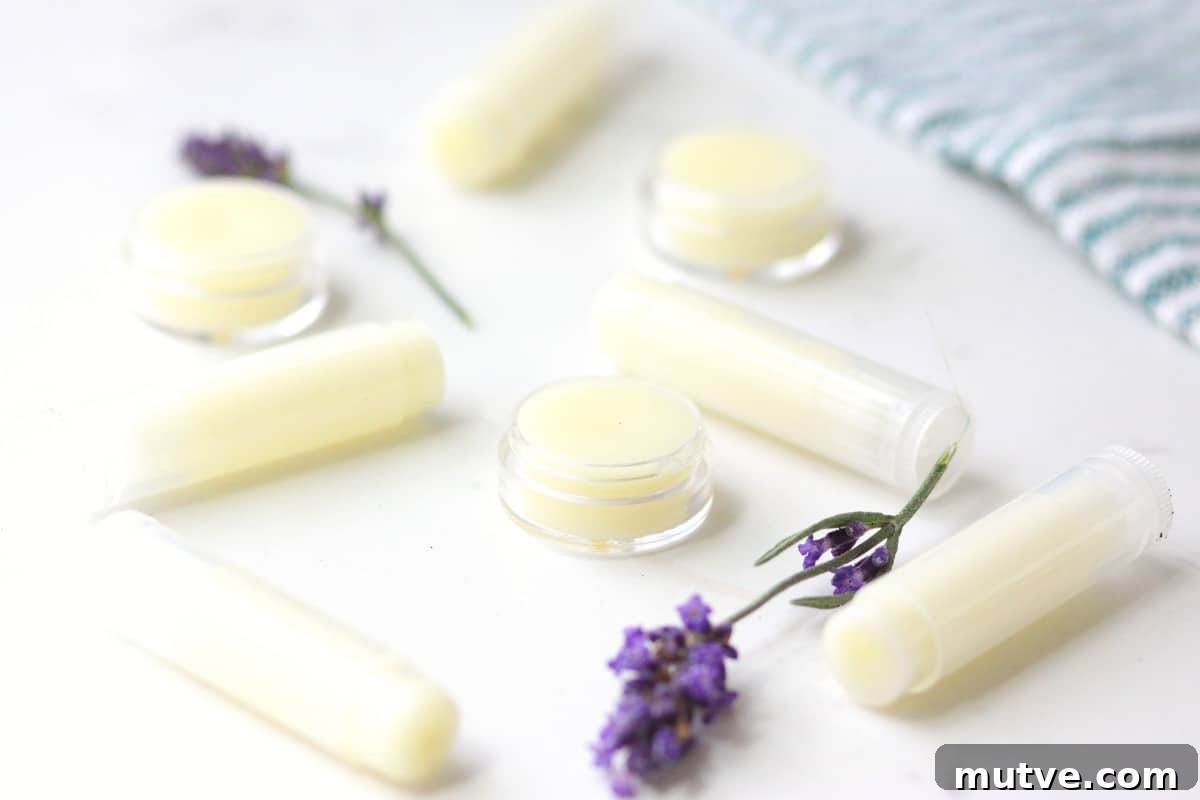
What you need to make this beeswax lip balm
Ingredients
- White beeswax pellets – provide structure and help prevent the balm from feeling too oily.
- Vitamin E oil – a nourishing antioxidant that helps protect and heal chapped lips.
- Shea butter – softens and soothes; known for its comforting, anti-inflammatory qualities.
- Coconut oil – hydrates and offers antioxidant benefits.
- Almond oil (or jojoba oil) – lightweight carrier oil that adds slip and healing properties.
- Essential oils (optional) – add up to about 25 drops total for gentle, natural flavoring and scent.
Supplies
- Double boiler – or a saucepan with a heatproof glass bowl set on top to melt ingredients gently.
- Small funnel or eye dropper – makes filling tubes or tins neater and faster.
- Chapstick tubes or lip balm tins – choose the container style you prefer for application.
How to make beeswax lip balm
Prep – Set up a double boiler and bring about a cup of water to a gentle simmer. If you don’t have a dedicated double boiler, use a saucepan with a heatproof bowl balanced on top.
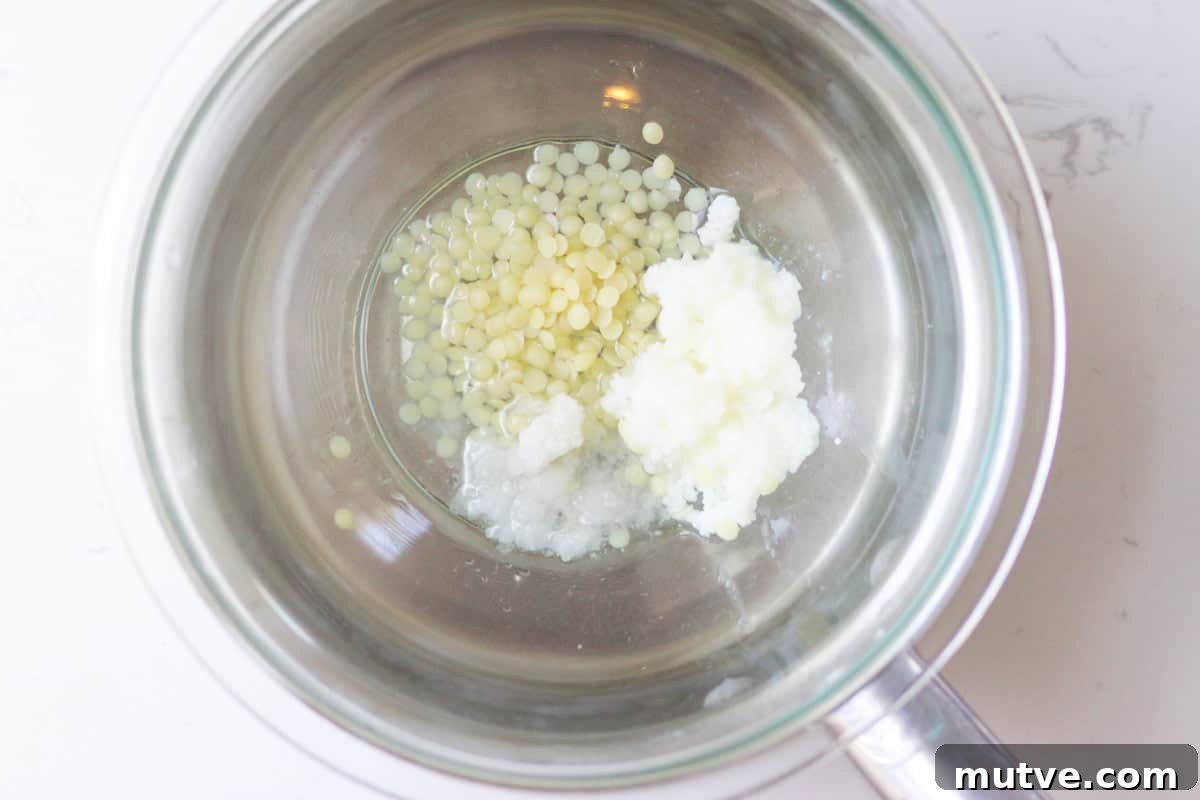
Melt – Place the beeswax pellets, shea butter, coconut oil, vitamin E oil and almond or jojoba oil into the bowl. Stir occasionally as the mixture melts into a uniform liquid.
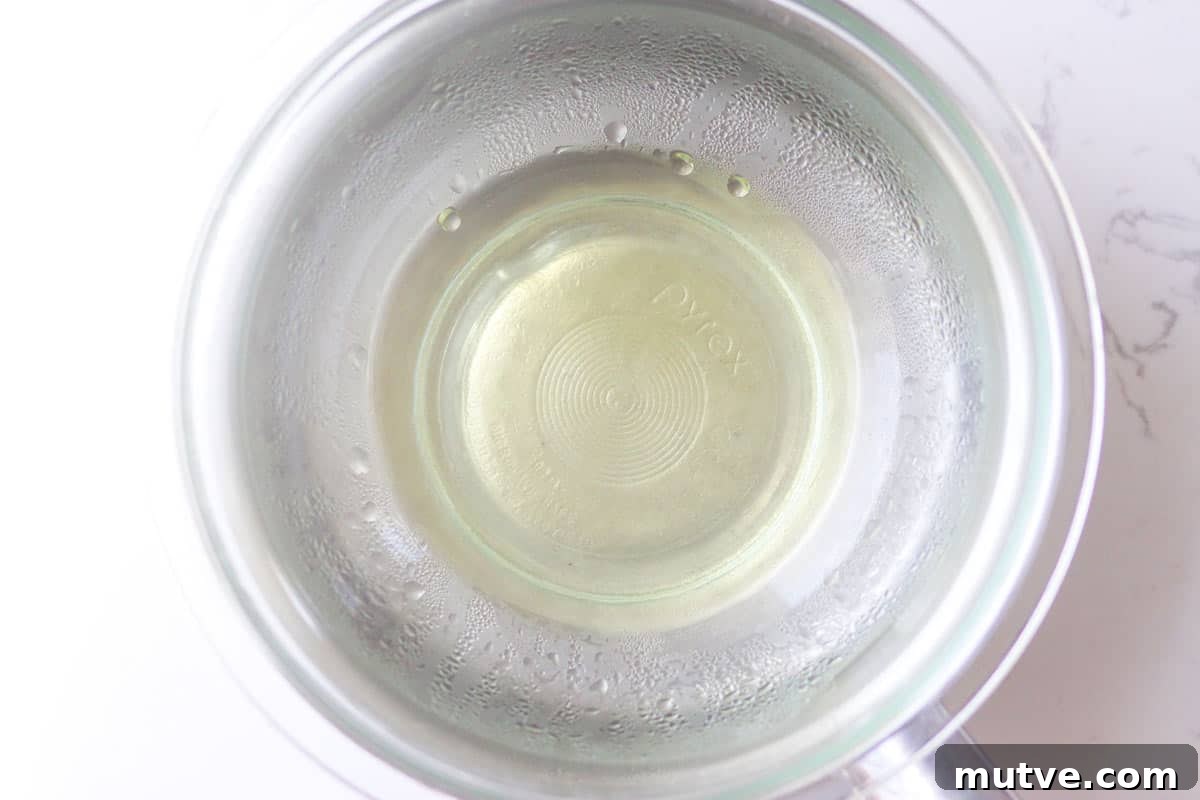
Remove from heat – Take the bowl off the simmering water. If you want scented or flavored balms, add essential oils now and stir thoroughly to incorporate.
Pour into containers – Use a small funnel or an eye dropper to fill tubes or tins, leaving the top slightly below the rim to reduce shrinkage as the balm cools.
Let cool – Allow containers to sit undisturbed until the balm fully hardens, typically about an hour.
Tips for best results
Avoid a central pit – As homemade balm cools it can sink and form a small hole in the center. To prevent this, fill containers nearly to the top, wait ten minutes, then add a small amount more to level the surface.
Keep your mixture warm – If the balm begins to thicken while you’re filling containers, return the bowl to the warm water for a minute to re-melt it.
Shelf life – Store homemade lip balm in a cool, dry place and use it within six months for best freshness.
Substitutions – Jojoba oil can replace almond oil if you prefer or have it on hand.
Flavor variations – Add up to about 25 drops of mild essential oils such as sweet orange, peppermint, lemon, vanilla or lavender. Use just a couple drops of warming or “hot” oils like clove or cinnamon to avoid irritation.
Frequently asked questions
Is beeswax good for lip balm?
Yes. Beeswax forms a protective barrier that helps lock in moisture while letting the skin breathe. It also gives the balm pleasant texture and staying power.
White beeswax or yellow beeswax — which is better?
Both work well in lip balm. Yellow beeswax is more natural in color, while white beeswax is bleached for a paler appearance and is commonly used in cosmetics for its neutral look.
What containers can I use?
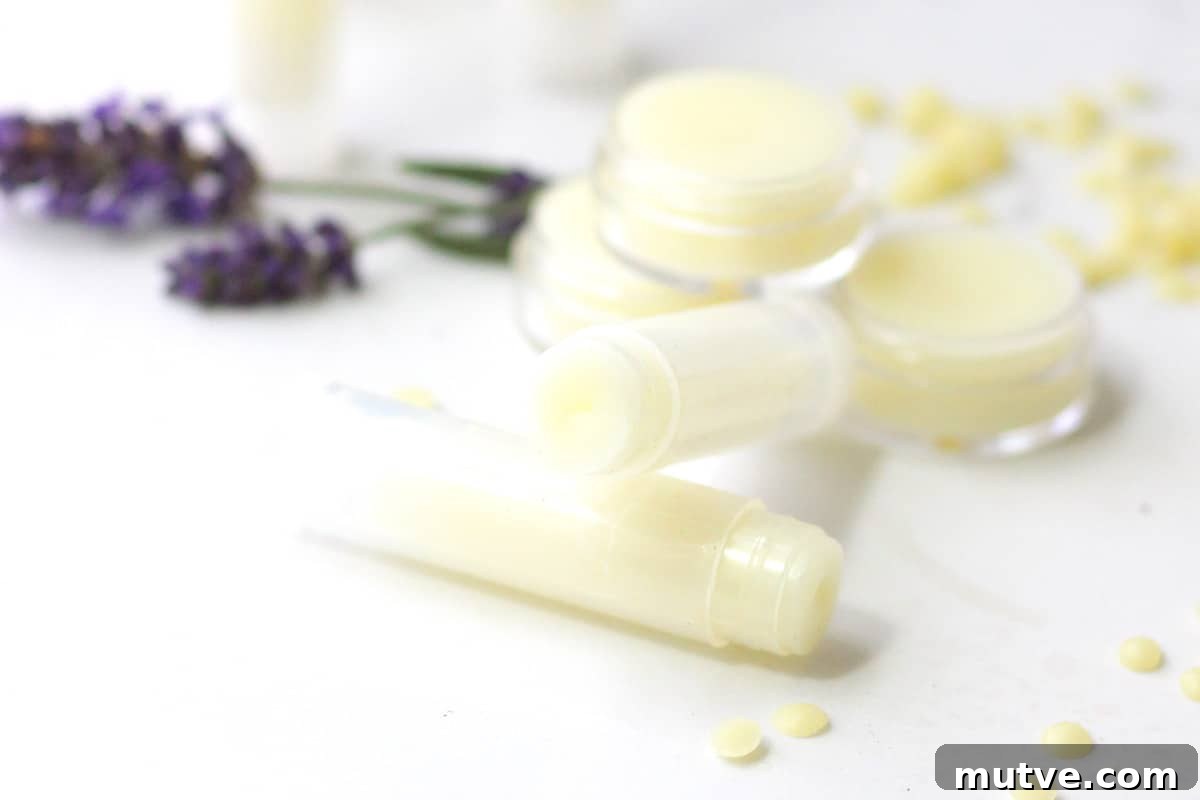
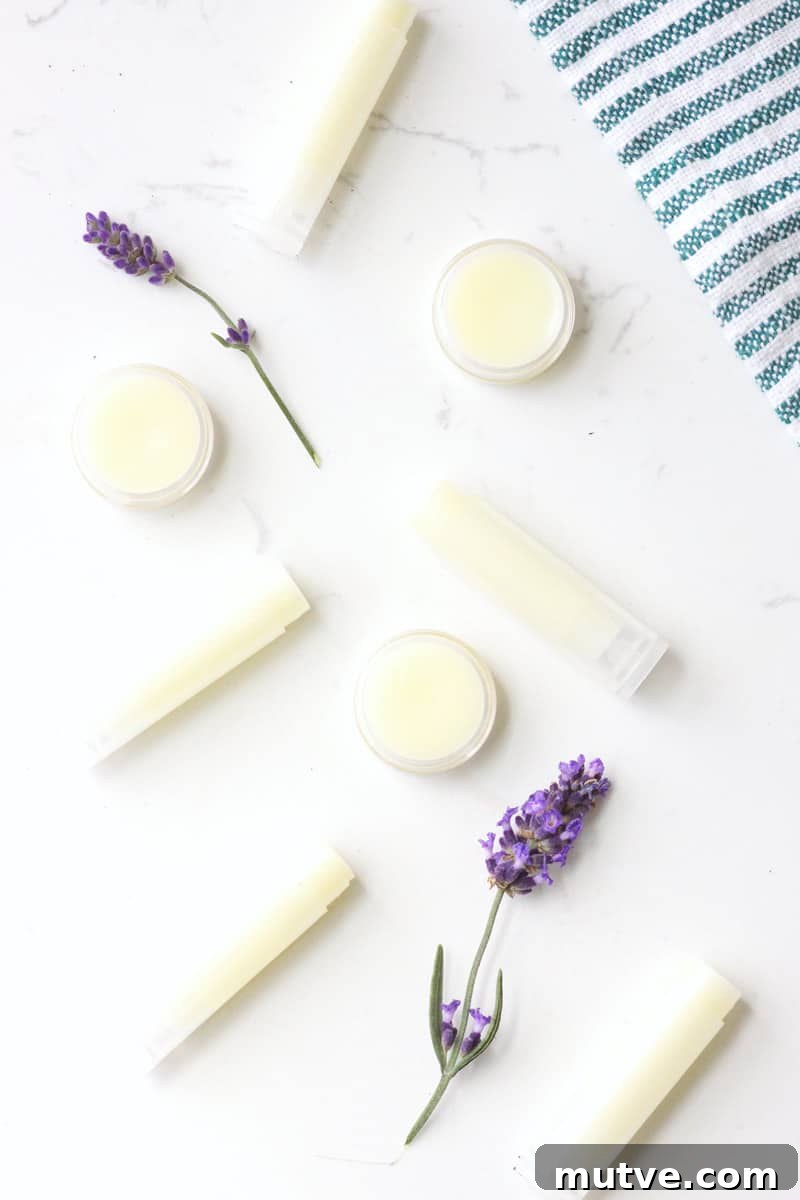
Choose small twist-up tubes for direct application or round tins if you prefer to apply with a finger. Paper tubes, sample jars and flat tins are all good options depending on the size and finish you want.
How many tubes does a batch make?
A typical batch yields about 8–10 standard-sized tubes, depending on how full you fill each container.
Which essential oils are safe for lip balm?
Mild oils like sweet orange, peppermint, lemon, vanilla, lavender and geranium work well. Use warming oils such as clove, cinnamon, tea tree and ginger sparingly — a drop or two combined with milder oils is usually enough to avoid irritation.
More DIY toiletries on the blog
If you enjoyed this beeswax lip balm recipe, you might also like other homemade skincare projects such as natural baby wash, honey oatmeal soap, and flavored lip balms.
- All Natural Baby Wash
- Homemade Honey Oatmeal Soap with Pink Clay
- DIY Strawberry Lip Balm
- Homemade Orange Blossom Face Wash
- Handmade Orange Lip Balm
I hope you enjoy this simple, natural beeswax lip balm. If you try it, please come back and share how it worked for you.
Pin these steps to try later. Share photos of your creations on Instagram and tag the account you used for this recipe if you like.
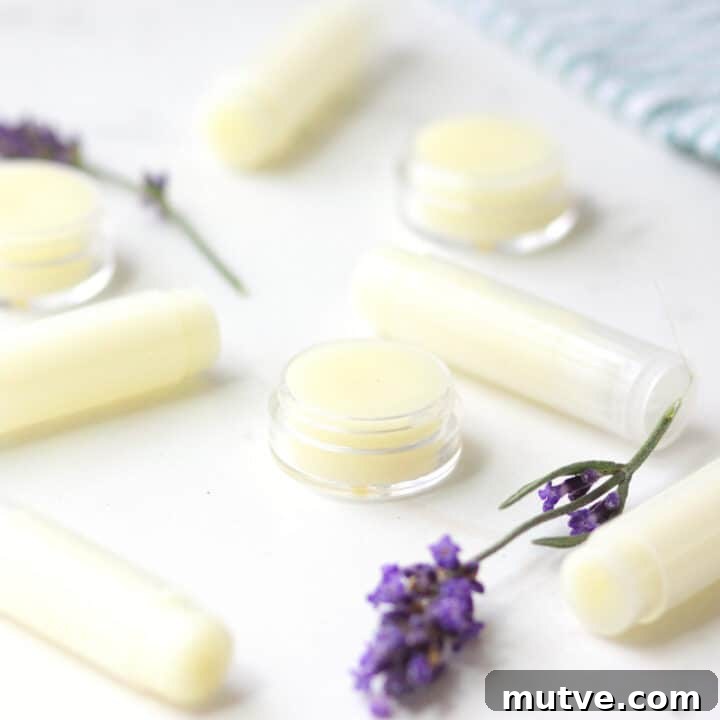
Beeswax Lip Balm
This simple beeswax lip balm uses natural oils and butters to protect and moisturize dry lips.
Ingredients
- 1 heaping tablespoon white beeswax pellets
- 1 tablespoon shea butter
- 2 teaspoons coconut oil
- 1 teaspoon vitamin E oil
- 1 teaspoon jojoba oil (or almond oil)
- Up to 25 drops essential oils (optional)
Instructions
- Prep – Heat about a cup of water in a double boiler or saucepan with a heatproof bowl on top.
- Melt – Add beeswax, shea butter, coconut oil, vitamin E and carrier oil to the bowl and stir until fully melted.
- Remove from heat – Stir in essential oils now if using.
- Pour into containers – Fill tubes or tins using a small funnel or dropper.
- Let sit – Allow the balm to harden for about an hour before capping or labeling.
Notes
To prevent a hole: Fill containers nearly to the top, wait ten minutes, then top up to level the surface.
Keep it warm: If the mixture thickens while filling, warm it gently until it flows again.
Shelf life: Use within six months for best results.
Substitutions: Jojoba oil can replace almond oil if you prefer.
Variations: Try mild essential oils like sweet orange, peppermint, lemon or lavender for flavor and scent.