Why Fresh, Local Food Matters
At a farmers’ market stall in Toronto’s Wychwood Barns, farmer Paul Spence lays out two plates of raw asparagus that look identical. Yet when people taste them, the difference is unmistakable. One plate offers asparagus that snaps crisply, with a bright, green flavor that is sweet, peppery and slightly citrusy. The other is limp, rubbery and nearly flavorless.
The reason is simple: the better asparagus is farm-fresh, picked and sold quickly. The inferior sample came from a local grocery store. This kind of side-by-side tasting demonstrates a basic truth about produce: the closer it is to harvest when you eat it, the more vibrant the texture and flavor — and often, the higher the nutrient content.
(Photo credit: Chiot’s Run via Flickr)
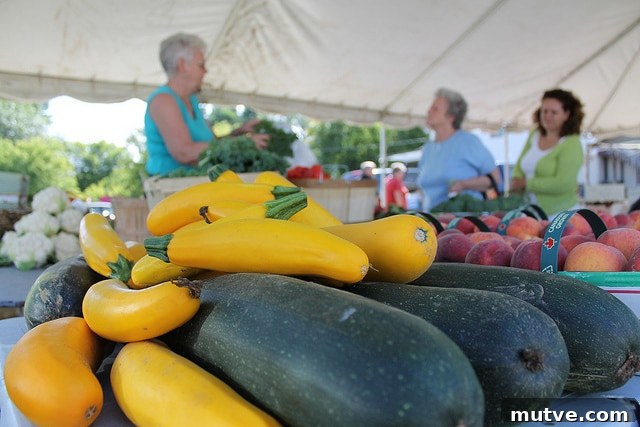
Many people prioritize buying local food, but it’s not always easy to know what “local” really means. Shopping at a farmers’ market is a good start, but the label “local” or the presence of a vendor at a market doesn’t guarantee the food came from nearby or that it was grown according to the practices you expect. Some vendors resell grocery-store produce at market prices. In some cases, produce labeled as local has traveled long distances, and there have been instances where products were misrepresented — for example, where poultry was sold as organic when it was not.
(Photo credit: Town of Bancroft via Flickr)
I spoke with Paul Spence, a farmer and co-founder of C-K Table in Chatham-Kent, about the challenges facing Canada’s food system. He believes the system needs major repair, with a multi-pronged approach to strengthen local food supply and support growers. One alarming reality he described is that many farmers must take on other work in addition to farming just to make ends meet. When farmers do not earn a sustainable living from their land, the long-term viability of food production is at risk.
Part of the problem is consumer behavior and market structure. In farming regions like Chatham-Kent, people sometimes buy imported produce from grocery stores rather than food from nearby farms. Many high-quality items are transported to larger cities where buyers are willing to pay higher prices, leaving local communities without access to the fresh food grown in their own backyards. Farmers’ markets in smaller towns can struggle because shoppers may resist paying the prices needed to cover organic or sustainably produced food.
(Photo credit: Juicy Verve via Flickr)
There are regulatory and logistical hurdles as well. In some cases, small producers face rules that limit direct sales beyond very localized on-farm retail, pushing them to sell to distributors who transport food long distances. That adds time, cost and distance between the farm and the plate. The middleman model reduces freshness, disconnects consumers from producers, and makes it harder for farmers to capture the full value of their work.
At the same time, positive models are emerging. One effective trend is the close relationship developing between farmers and chefs. Chefs who want distinct, high-quality ingredients are increasingly visiting farms, learning about seasonal availability, and commissioning specific products. This direct demand helps farmers plan what to grow and ensures a reliable market for specialty crops, heritage varieties, or less-common ingredients like organ meats that are valuable in whole-animal cooking.
(Photo credit: The Heathman Kirkland via Flickr)
Chefs can also influence consumer taste and demand. When a restaurant features a vegetable that is underutilized locally — take okra, for example — and both chefs and nutrition professionals share recipes and preparation tips, consumption can grow. As demand rises, more farmers will plant those crops. This kind of collaboration between producers, chefs and dietitians supports culinary diversity, reduces waste, and helps build a more resilient local food system.
To ensure better access to fresh, local, organic food, we need a combination of consumer education, fair pricing that reflects real production costs, supportive regulation for direct sales, and stronger ties between farmers and food professionals. When buyers value freshness and are willing to pay for it, farmers can earn a living and communities can enjoy healthier, more flavorful food.
If you want to support a healthier food system, start by asking questions at your local market: where was this grown, how was it produced, and how quickly was it harvested? Building those connections is one of the most effective ways to keep local food local and to enjoy produce at its best.