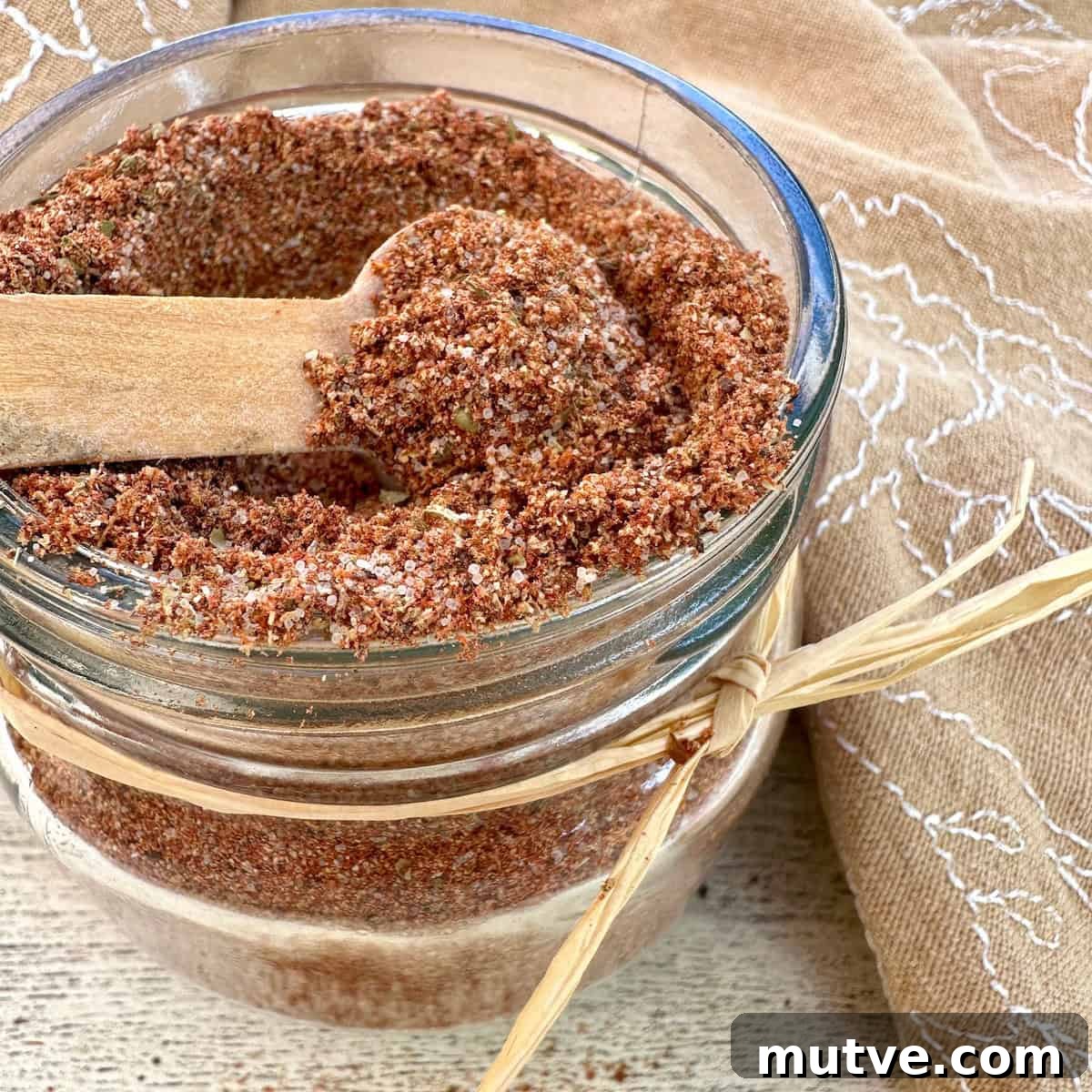
Homemade Taco Seasoning is a simple, flavorful spice blend you can mix in minutes using pantry staples. This easy DIY mix adds smoky, savory heat to ground beef, chicken, turkey, or beans and is a great way to elevate tacos, fajitas, quesadillas, and more.
Try it with Mexican Fried Rice or Homemade Guacamole for a restaurant-quality flavor combination. The blend stores well, so making a jar to keep on hand saves time and ensures consistent results whenever tacos are on the menu.
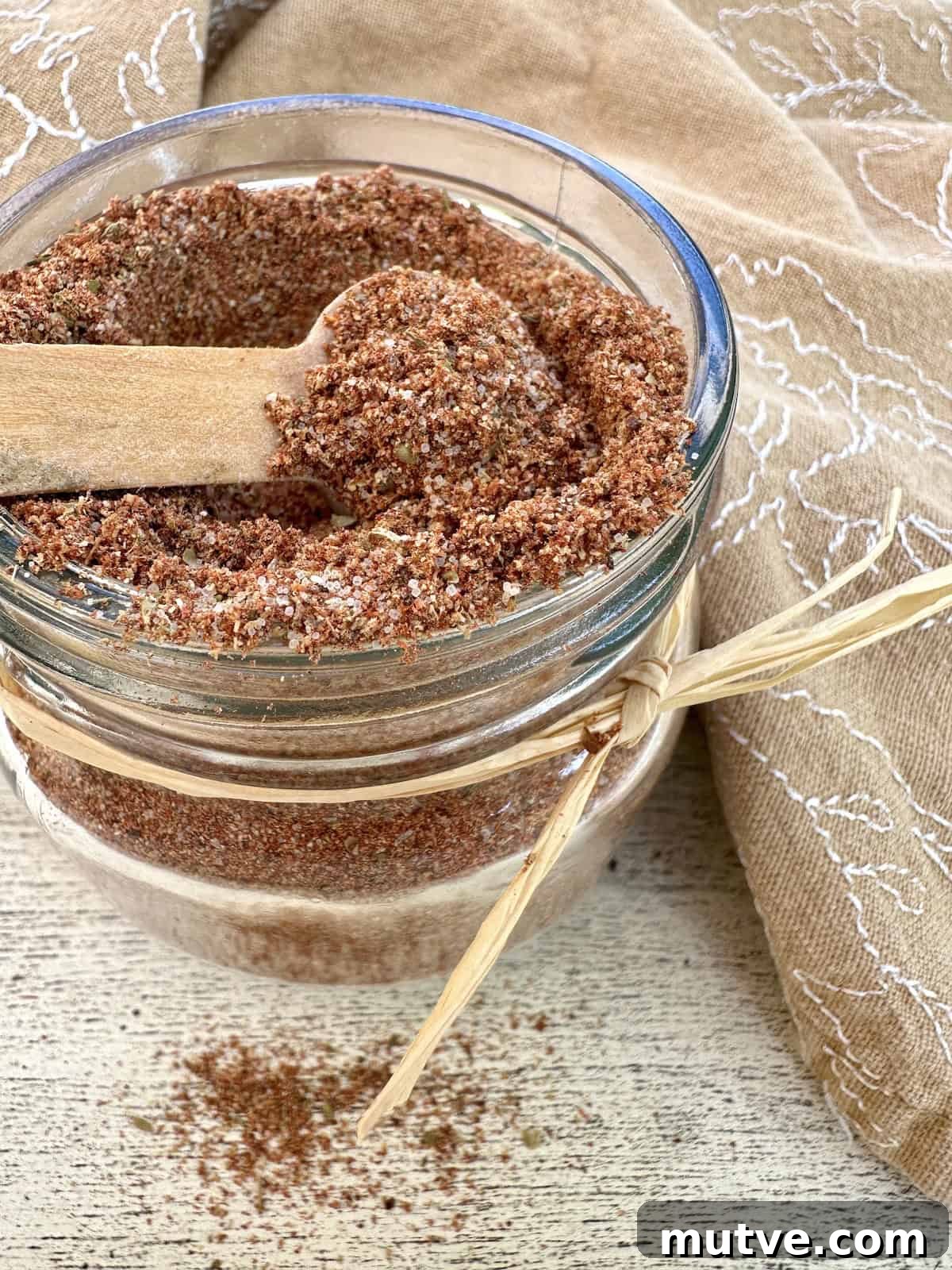
⭐ Why Melinda Loves Homemade Taco Seasoning

This mix is ready in 3–5 minutes—fast enough for weeknights and flexible enough to suit any taste.
Budget-friendly: Most of the spices are pantry staples, so you likely won’t need to buy anything new.
No preservatives: Homemade seasoning contains only the spices you choose, without the additives that often appear in commercial packets.
🌮 Ingredients to Have on Hand
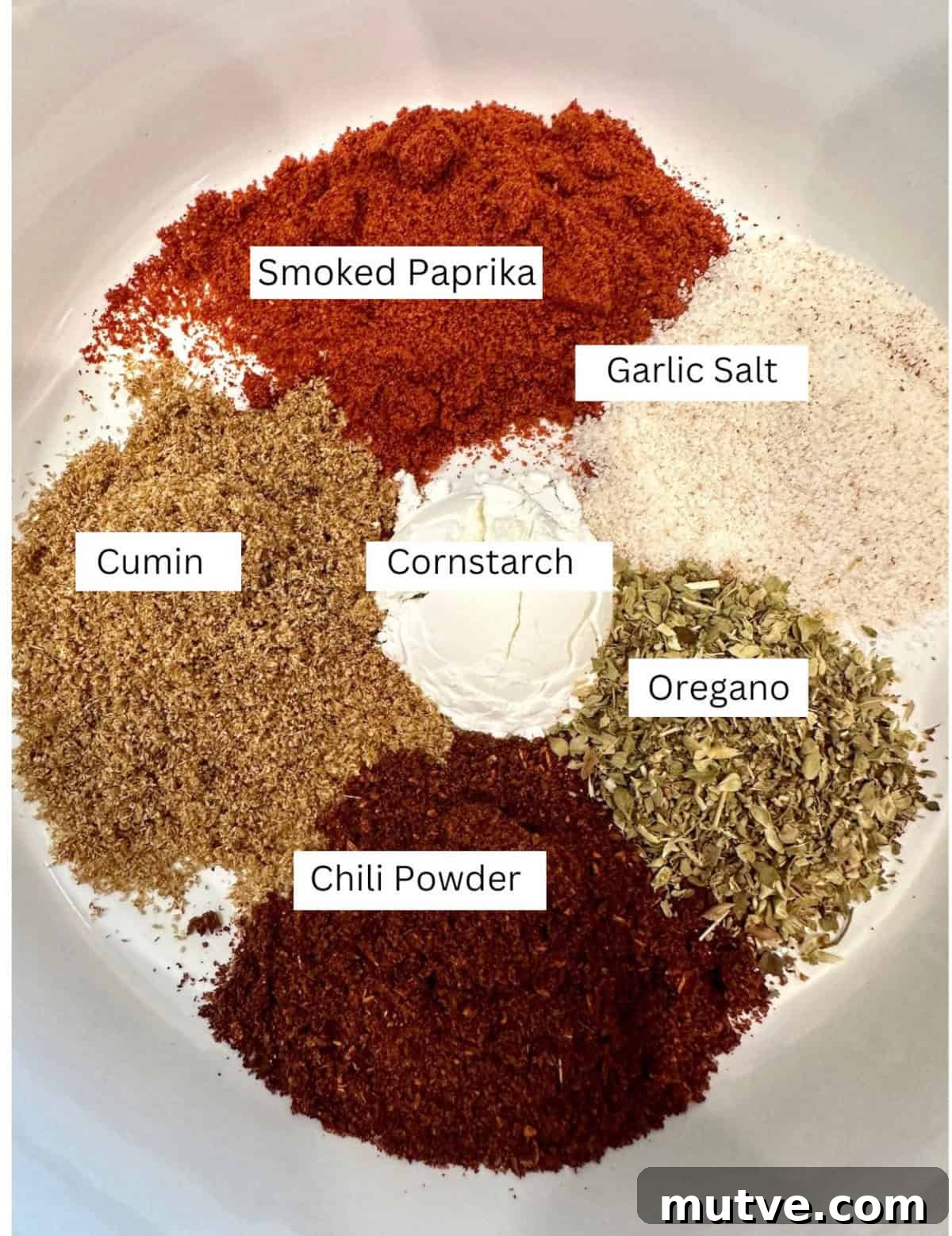
One advantage of making your own taco seasoning is that you can adjust heat and flavor to suit your family. The basic components are:
Smoked paprika: Adds warm, smoky depth. Regular paprika works if you don’t have the smoked variety.
Chili powder: Brings the Tex‑Mex flavor and gentle heat that defines taco seasoning.
Cumin: Earthy and slightly nutty, cumin is a cornerstone of taco spice blends.
Oregano: Adds a savory herbal note that pairs well with garlic.
Garlic salt: Provides mild garlic flavor and salt in one ingredient; substitute garlic powder plus salt if you prefer.
Scroll to the recipe card below for precise measurements and the full recipe.
📖 Substitutions
Customize the blend to match your preferred heat and sodium level. For extra heat, add 1/4 teaspoon cayenne pepper. If you’d rather control salt separately, use garlic powder instead of garlic salt and start with 1/2 teaspoon salt, adjusting to taste. Smoked paprika is ideal for depth, but regular paprika is an acceptable swap.
Pro Tip
Check the dates on your spice jars. Older spices lose potency, so fresher spices will give you brighter, more aromatic seasoning.
🥣 Step-by-Step Instructions
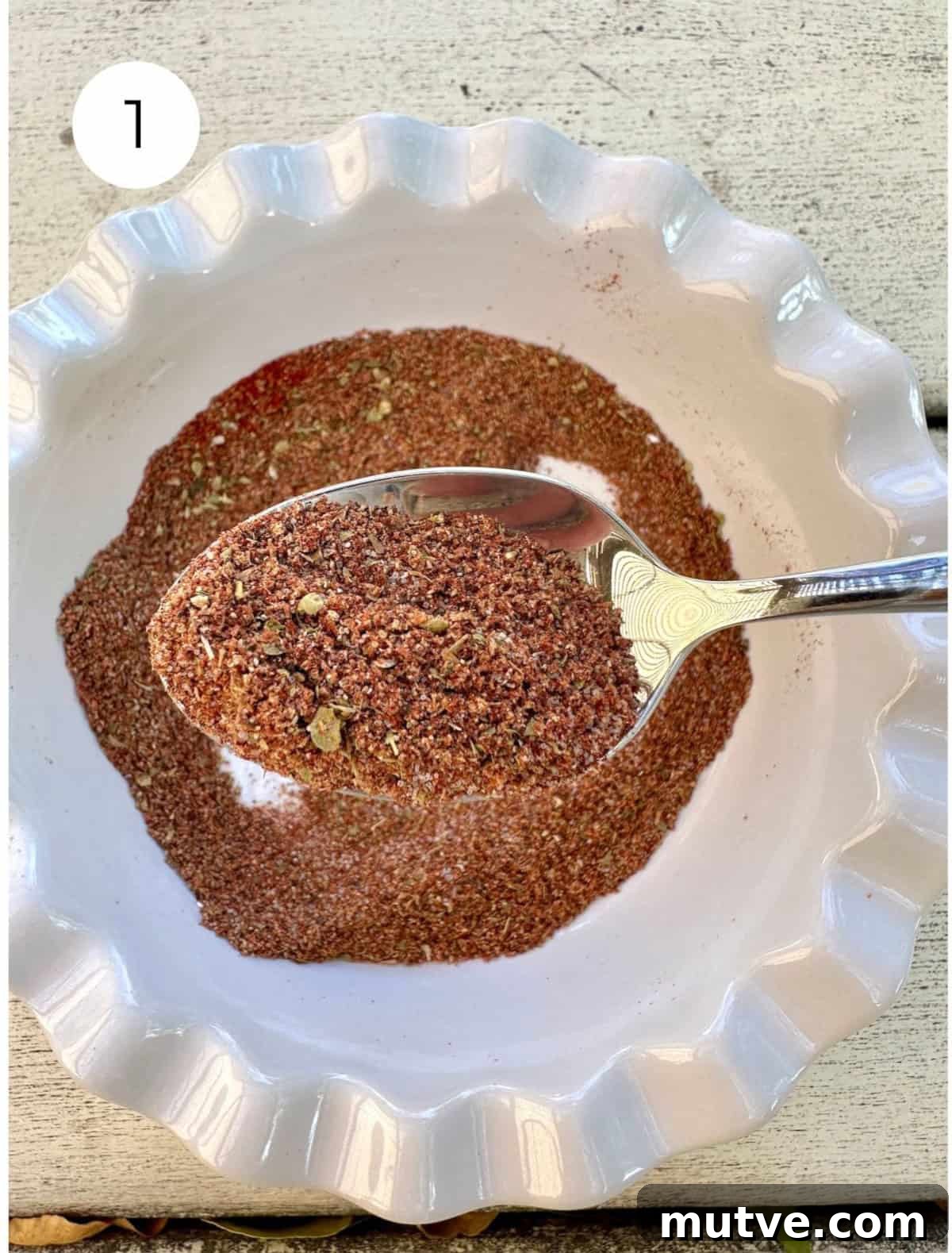
Step 1: Measure the five spice ingredients and cornstarch into a small bowl and stir to combine. Set aside.
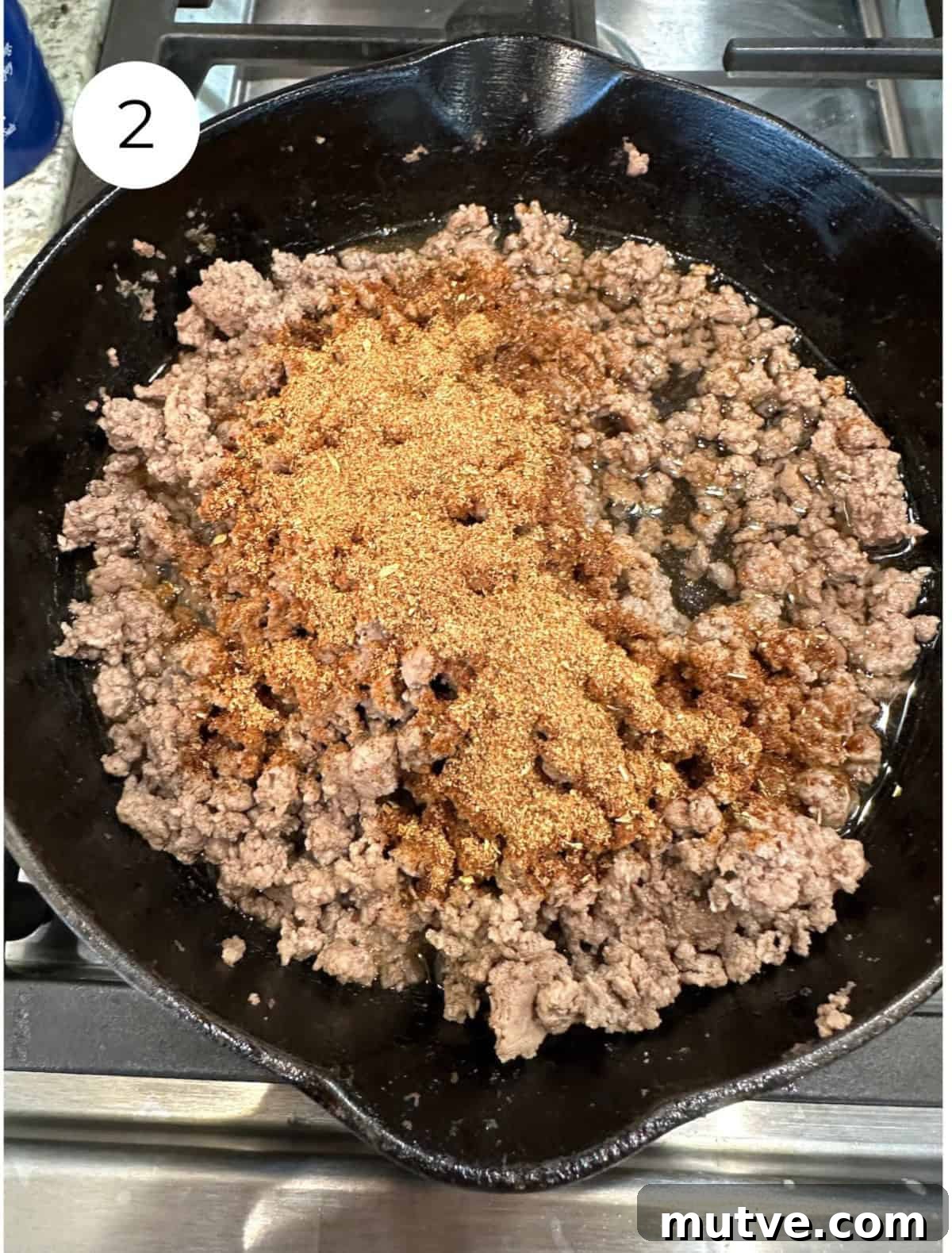
Step 2: Brown one pound of ground meat over medium-high heat until no longer pink. Drain excess fat, return the meat to the skillet, and sprinkle the seasoning mix over the meat.
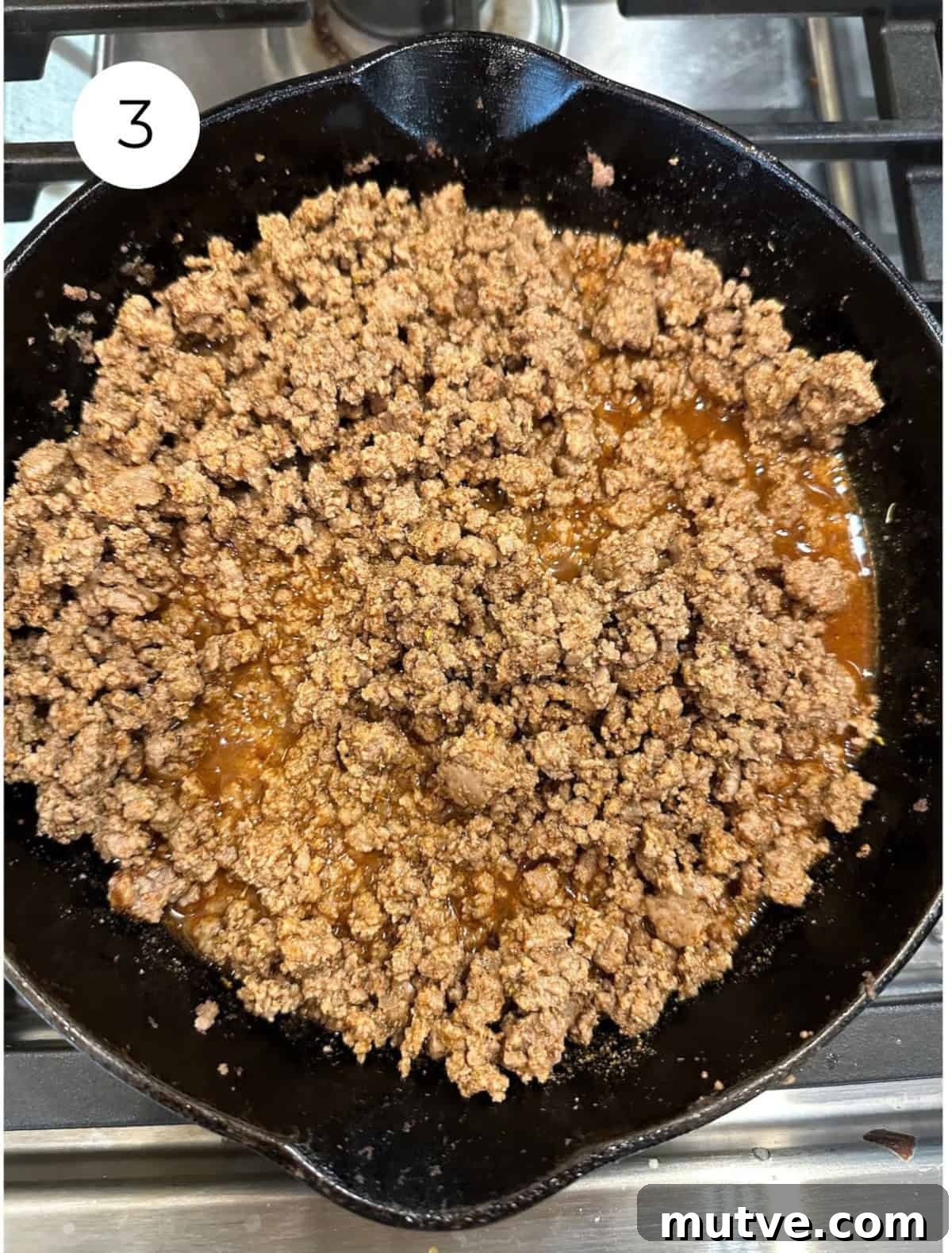
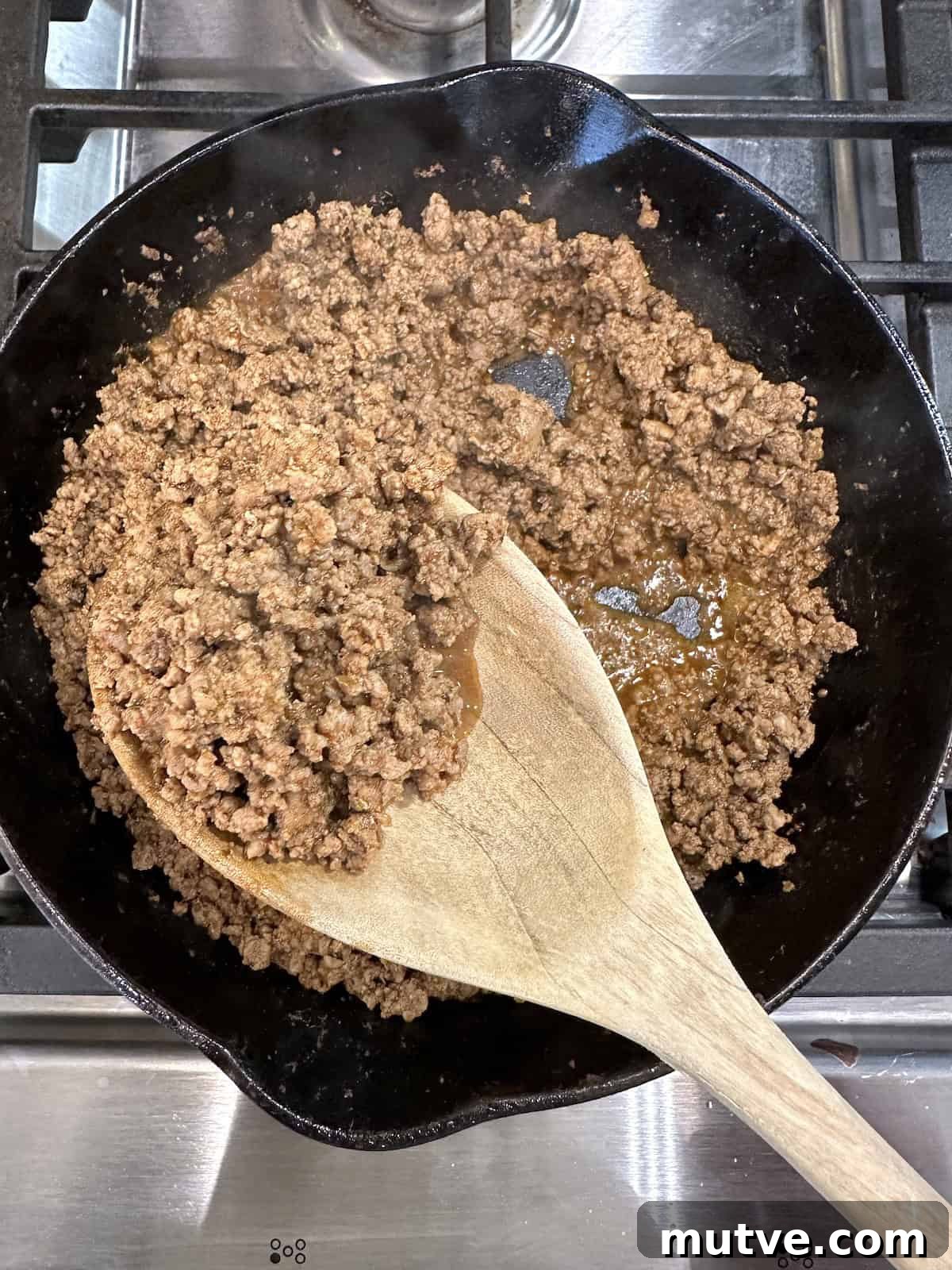
Step 3: Turn the heat to medium, add 3/4 cup water, and stir. Simmer, uncovered, for 5–10 minutes, stirring occasionally, until the water has mostly evaporated and the seasoning clings to the meat.
Make a Big Batch of Taco Seasoning
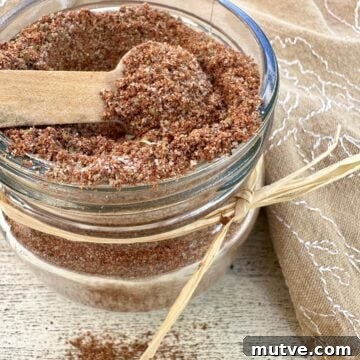
The single-recipe amount is ideal for seasoning roughly one pound of ground meat, but you may prefer to mix a full jar to keep on the spice shelf. Measure and mix the ingredients for one cup of seasoning, then store in a clean container at room temperature. A small canning jar or spice jar works well.
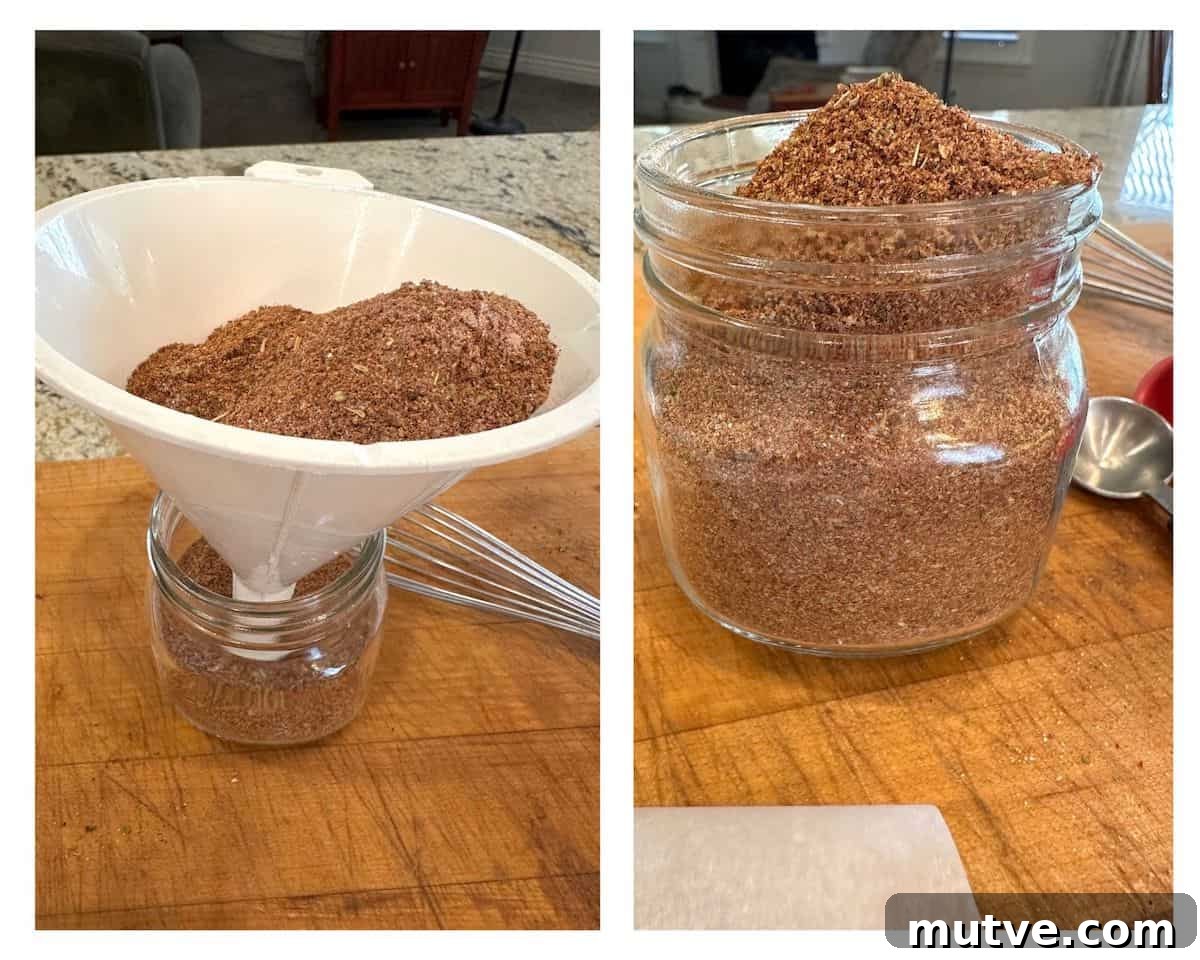
Ingredients for One Cup of Taco Seasoning
- 3 1/4 tablespoons smoked paprika
- 3 1/4 tablespoons cumin
- 3 1/4 tablespoons chili powder
- 1 1/2 tablespoons oregano
- 3 1/4 tablespoons garlic salt
- 1 1/2 tablespoons cornstarch
Spoon about 2 tablespoons of the mix per pound of meat, adjusting to taste. Label and store at room temperature for several months.
💭 Recipe FAQs
The water combines with the cornstarch to create a light sauce that helps the seasoning adhere to the meat and keeps the filling moist.
Can I leave out the cornstarch?
Yes. The mix is still tasty without cornstarch, but cornstarch helps thicken the pan juices into a cohesive sauce.
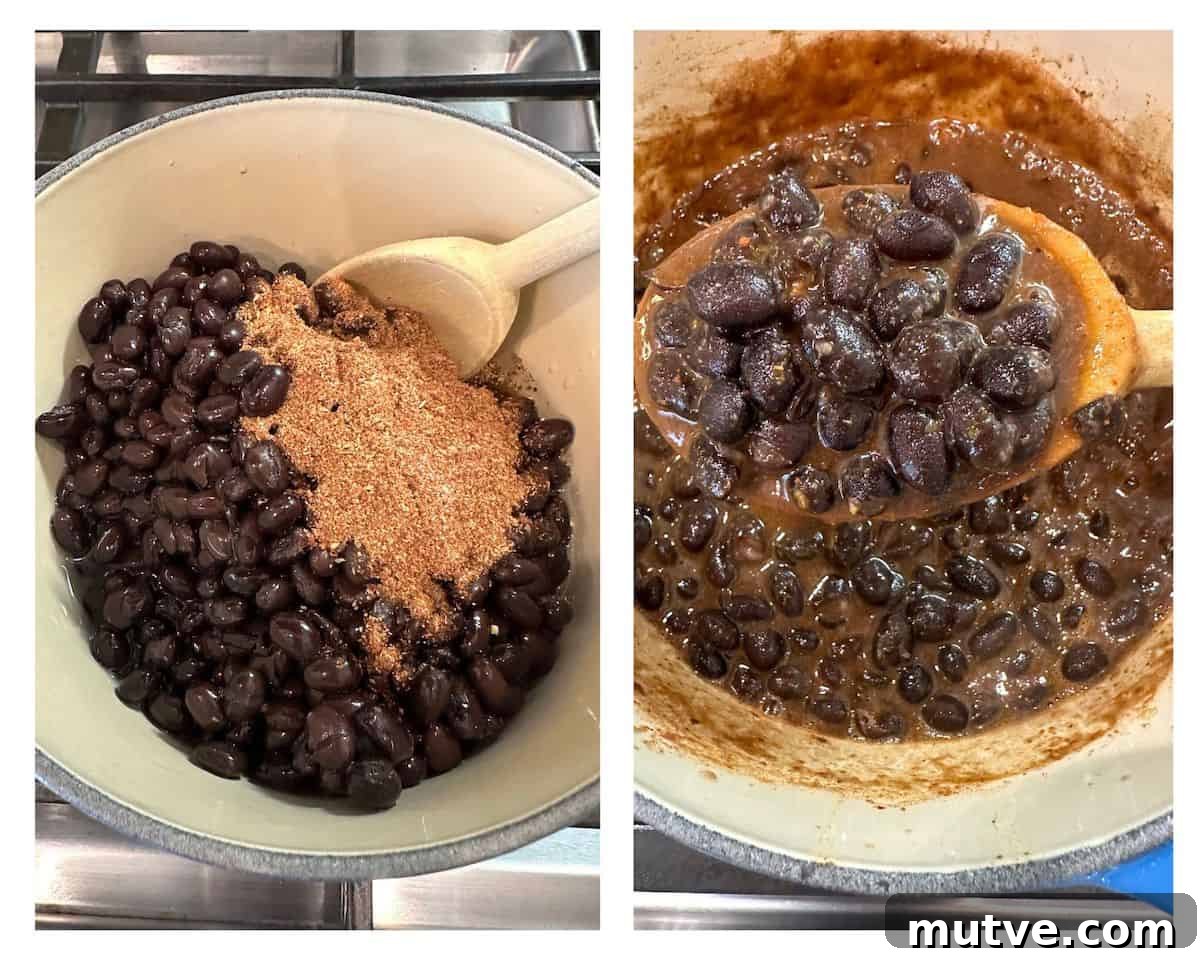
🥘 How to Cook Beans with Taco Seasoning
This seasoning is excellent on beans and makes a flavorful meatless taco filling or a tasty side dish. Rinse canned beans, place them in a saucepan, sprinkle with the seasoning mix, add 3/4 cup water, and heat over medium until most of the water evaporates and the beans are well coated. Serve as a taco filling or a side.
🧂 Storage
Store any unused seasoning in a sealed container at room temperature. The mix will stay flavorful for several months. Leftover cooked meat seasoned with this blend will keep in the refrigerator for 3–5 days in an airtight container.
🍽 Other Tasty Dinner Recipes
Here are a few other dinner ideas that pair well with this seasoning:
- Cashew Chicken Stir-Fry
- 10 Dutch Oven Chicken Recipes
- Dutch Oven Pot Roast
- Easy Pork Tenderloin with Orange Sauce
If you try this Homemade Taco Seasoning, please leave a star rating and a comment below to let me know how it turned out—I love hearing from readers!
Recipe
Homemade Taco Seasoning
Prep Time: 5 minutes • Cook Time: 15 minutes • Total Time: 20 minutes • Servings: 4
Author: Melinda O’Malley Keckler
Ingredients
- 1 teaspoon smoked paprika
- 1 teaspoon cumin
- 1 teaspoon chili powder
- 1/2 teaspoon oregano
- 1 teaspoon garlic salt
- 1/2 teaspoon cornstarch
- 3/4 cup water (for cooking with 1 lb meat)
Instructions
Combine Ingredients
- Measure the spices and cornstarch into a small bowl and stir to combine. Set aside.
To Make Tacos with Ground Meat
- For one pound of ground beef or turkey, brown the meat in a skillet over medium-high heat until no longer pink. Drain excess fat.
- Return the meat to the skillet, sprinkle the seasoning mix on top, then add 3/4 cup water. Stir, reduce heat to medium, and simmer uncovered 5–10 minutes until most of the water evaporates and the seasoning coats the meat.
How to Season Beans
- Rinse canned beans and place them in a medium saucepan. Sprinkle with the seasoning mix and add 3/4 cup water.
- Heat over medium until most of the water evaporates and the beans are evenly coated with seasoning. Serve warm.
Notes
To make one cup of taco seasoning for a jar, blend the following:
- 3 1/4 tablespoons smoked paprika
- 3 1/4 tablespoons cumin
- 3 1/4 tablespoons chili powder
- 1 1/2 tablespoons oregano
- 3 1/4 tablespoons garlic salt
- 1 1/2 tablespoons cornstarch
Use about 2 tablespoons of the mix per pound of ground meat, adjusting to taste.
Nutrition (per serving)
Calories: 25 kcal • Carbohydrates: 5 g • Protein: 1 g • Fat: 1 g • Sodium: 2372 mg (estimated)
Please note: nutrition details are estimates based on a food database and should be used as a guideline rather than an exact calculation.