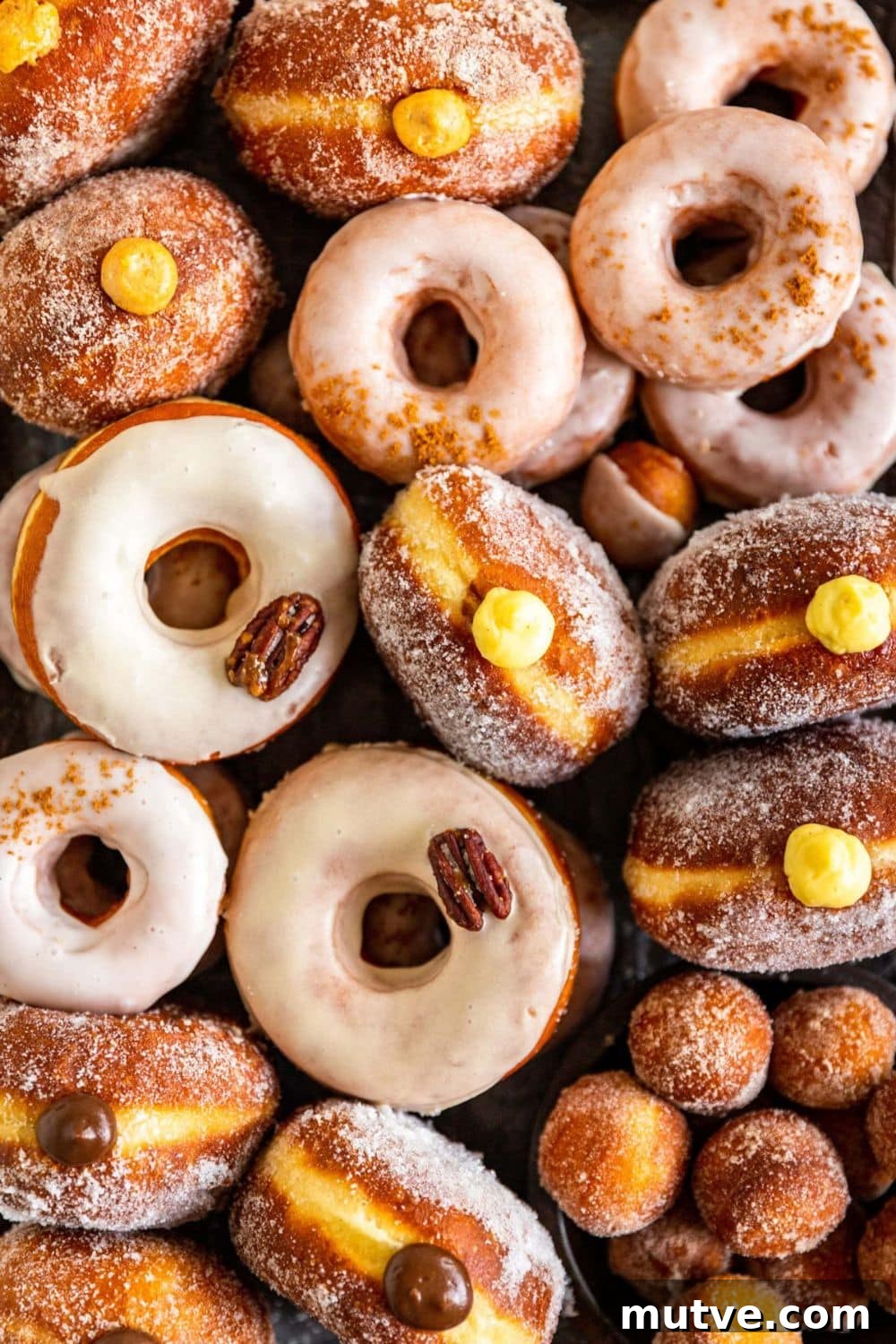
People often ask how I come up with new recipes. I don’t have formal pastry training—most of what I know comes from cookbooks, videos, friends, and a lot of trial and error. After spending months developing and testing recipes for my cookbook, Even Better Brownies, I thought it might be useful to share my process.
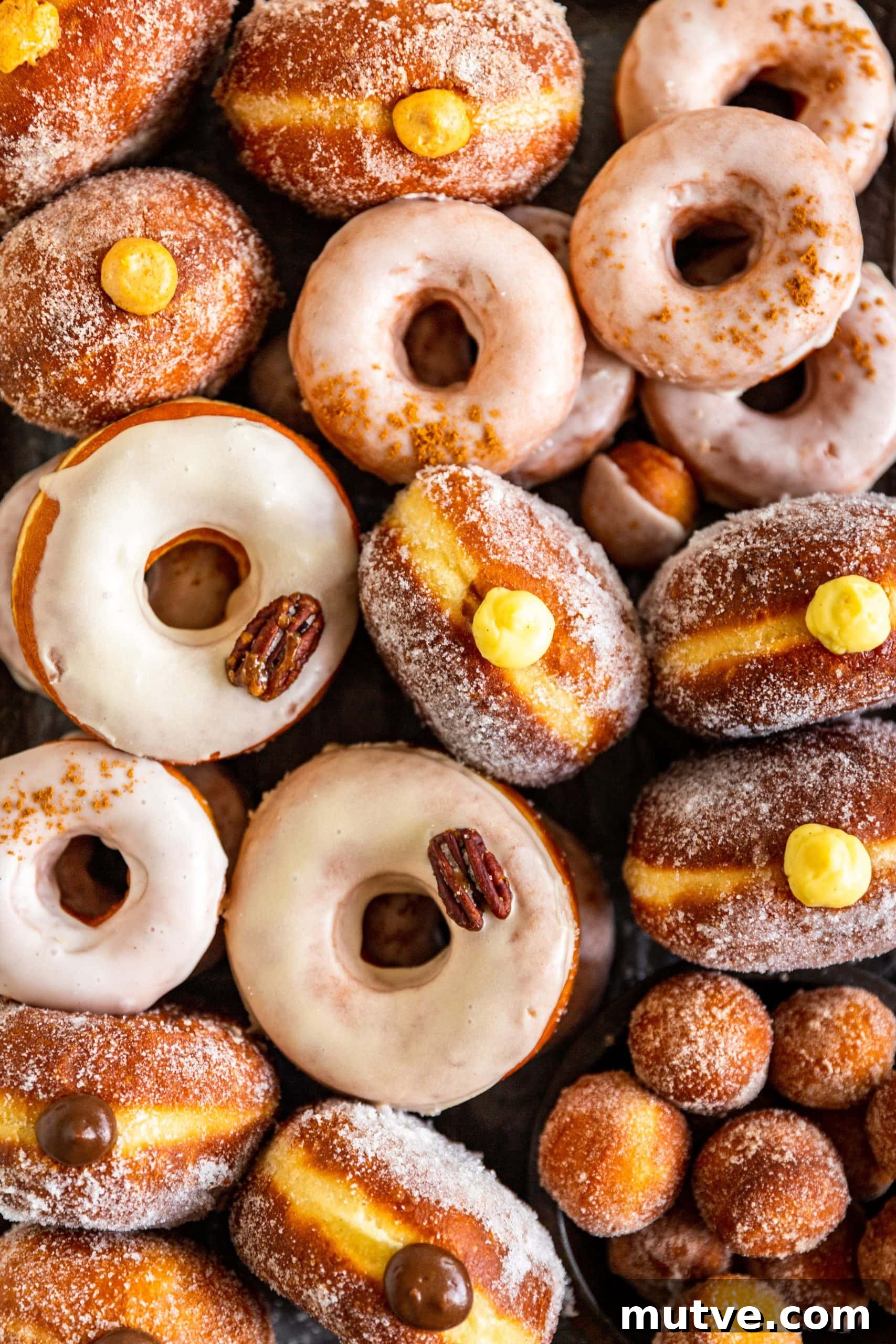
Here’s a quick overview of the steps I follow when developing a recipe:
Step 1: Inspiration
Step 2: Visualization
Step 3: Research
Step 4: Drafting and Testing
Step 5: Writing the Recipe
Before I dive into the step-by-step process, it’s worth highlighting a fundamental concept that applies to many baked goods: culinary ratios.
Culinary Ratios
Baking really is part science. Culinary ratios describe the basic proportions of core ingredients and are the foundation of breads, cakes, cookies, and other batters and doughs. Understanding ratios gives you the structure to improvise confidently.
For instance, a basic bread ratio is often expressed as 5:3—five parts flour to three parts water. That could be 500 grams of flour and 300 grams of water. Once you have that balance, you can add yeast, salt, fats, or flavorings to create many types of bread. Technique matters too—mixing to the right elasticity and baking to the proper doneness are essential—but the ratio helps you start with a predictable base.
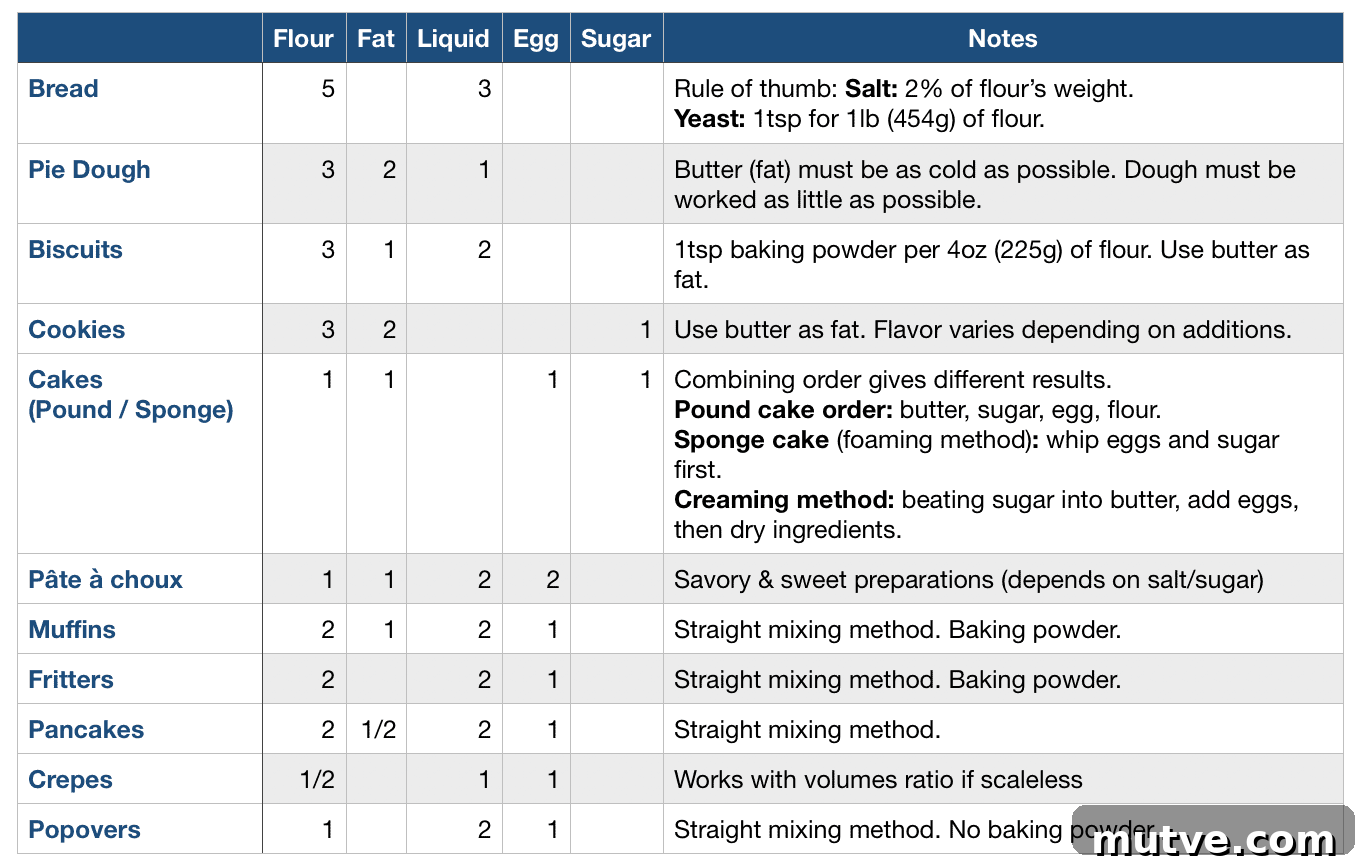
Why care about ratios? For most home bakers it’s not required, but anyone creating or scaling recipes will find ratios invaluable. They turn a single recipe into a framework you can adapt to many variations.
Inspiration
Inspiration can come from anywhere: a dessert I tasted at a bakery, an attractive plate at a restaurant, a seasonal craving, or a question from someone in a comment or direct message. Sometimes an ingredient pairing sparks an idea; other times it’s simply a visual or textural detail I can’t stop thinking about—like browned butter in a sugar cookie or the sprinkle finish on a doughnut.
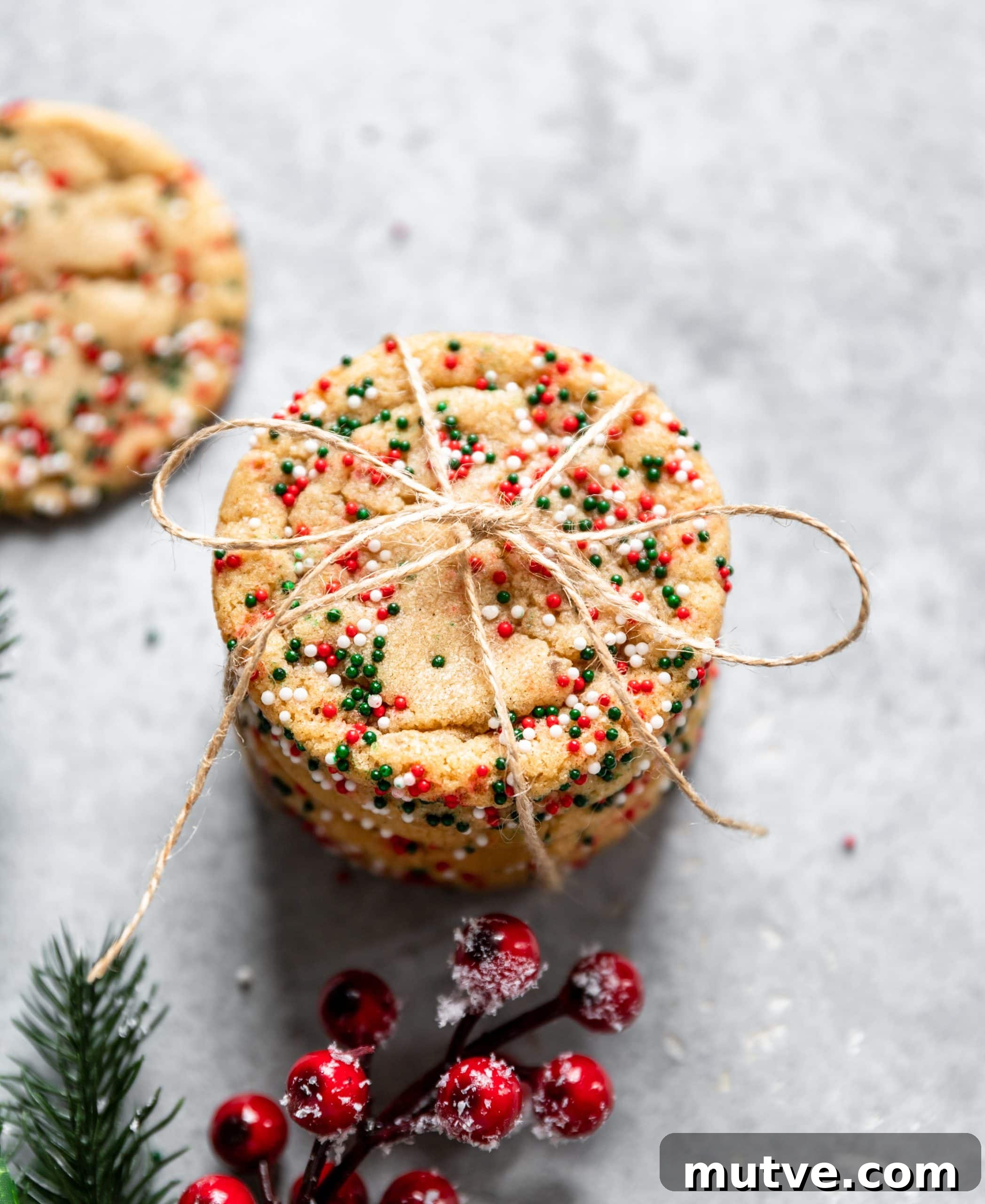
I also pay attention to trends and common requests. Seasonal searches, social media questions, and comments often point to what people want to eat or learn next.
Visualization
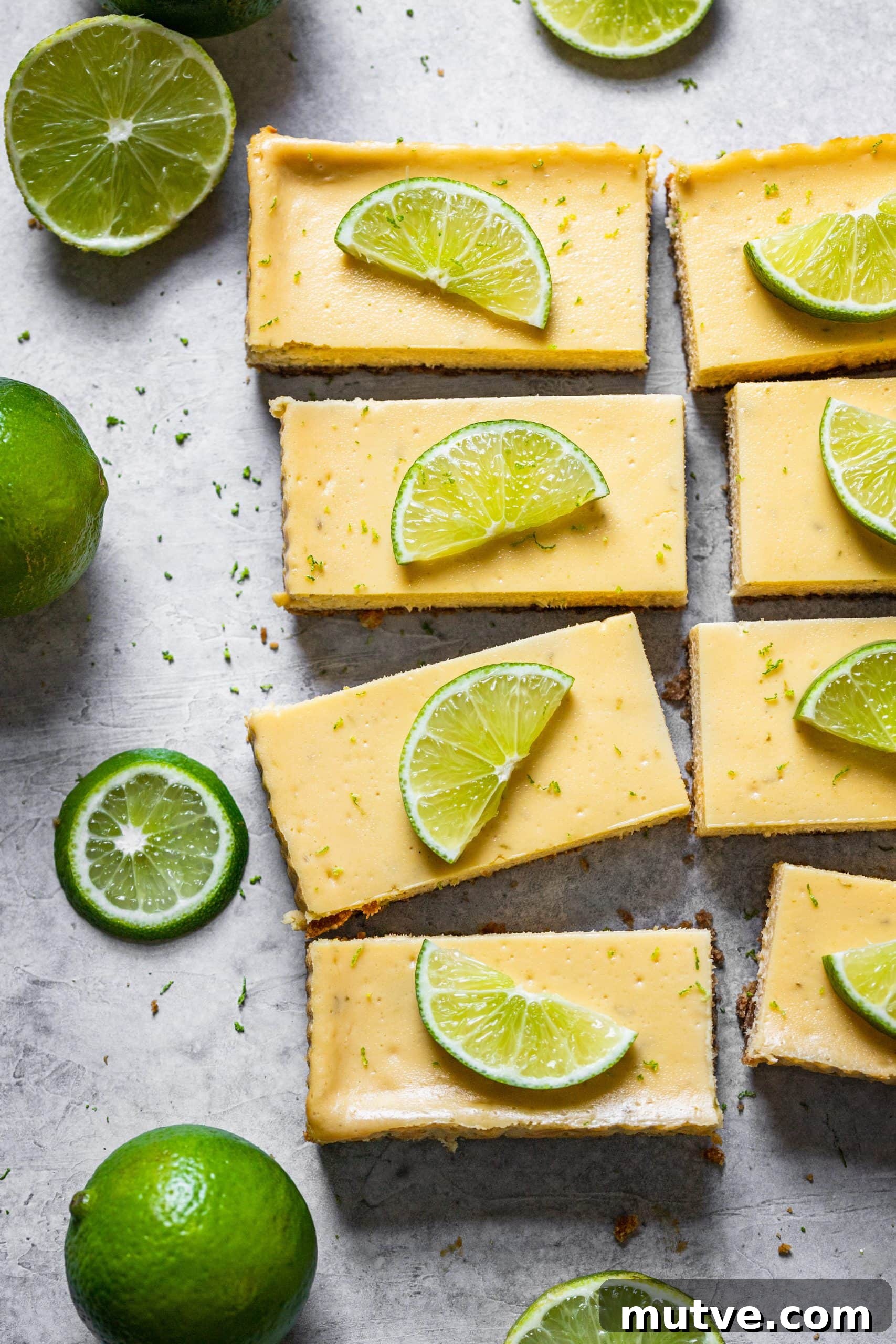
Once I have an idea, I picture the finished dish. Thinking about presentation early helps inform flavors, textures, and secondary elements—garnishes, sauces, and finishing touches that elevate the final result. I sketch rough layouts to visualize layers, colors, and proportions. The sketches aren’t works of art, but they clarify whether a dish needs a citrus zest, a sprinkle, or a contrasting texture.
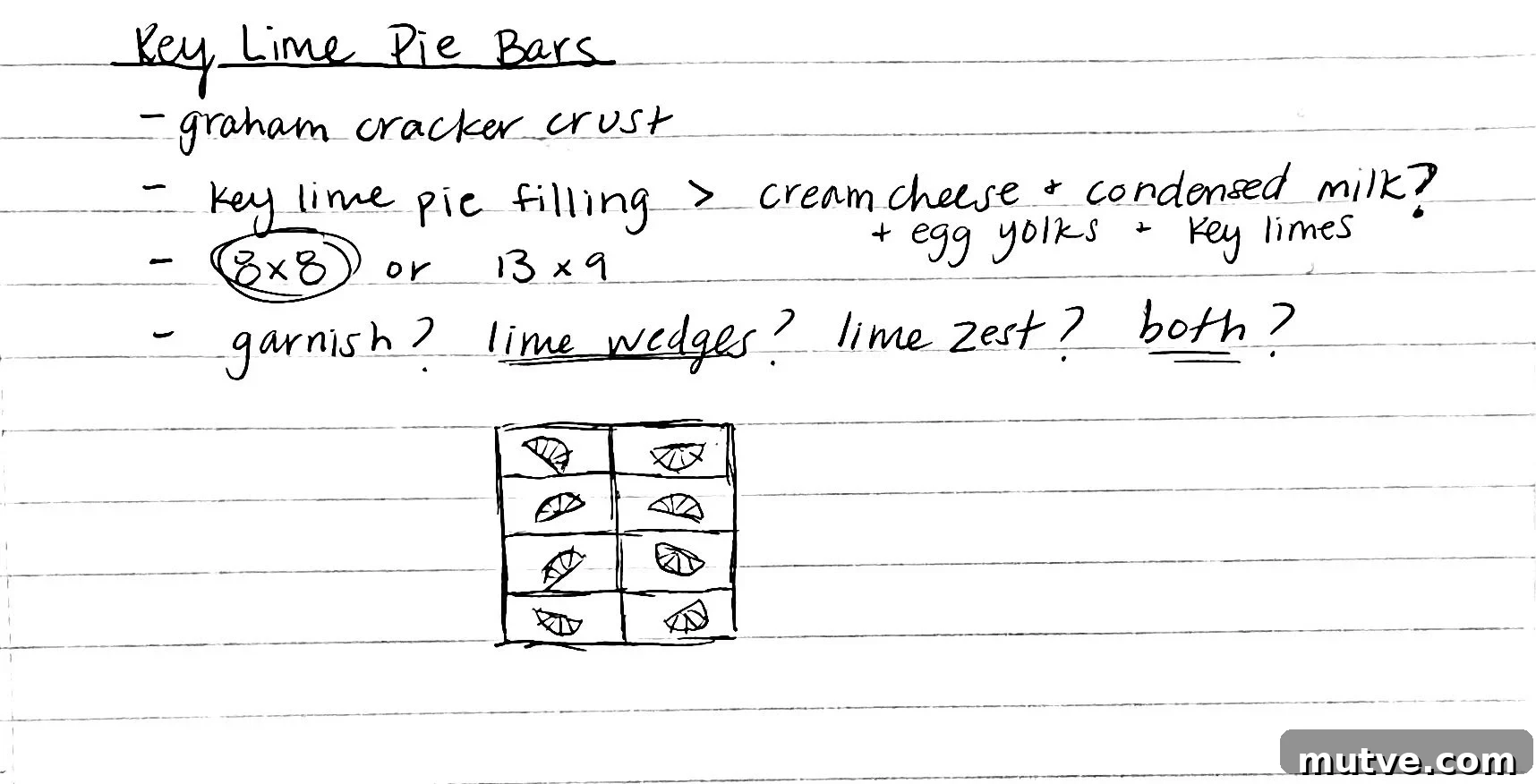
For example, Key Lime Pie Bars look much better and more balanced with lime zest and a small lime wedge on top than they would without those finishing touches.
Research
After envisioning the dish, I look at what already exists. If the recipe topic is well-covered, I ask whether my approach adds something useful—a new flavor, a simpler method, more accessible ingredients, or better results. If my version doesn’t contribute something meaningful, I rethink the concept.
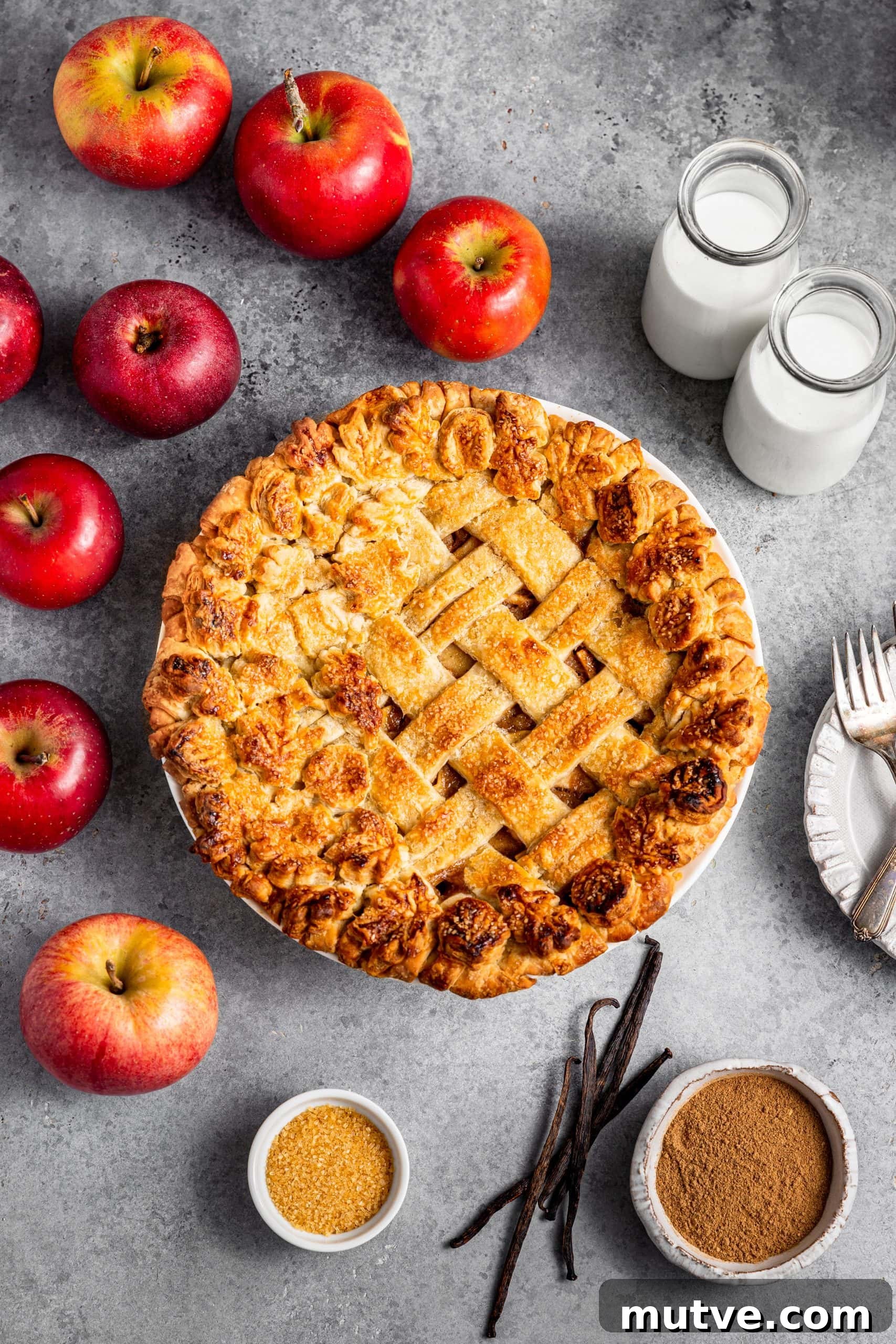
Research also helps me collect typical ingredient ratios, temperatures, and timing so I can make informed adjustments. This phase is for learning, not copying—credit and attribution matter. Reading thoughtful pieces about recipe attribution and ethics in recipe development is useful background for anyone sharing their work publicly.
Drafting and Testing
This is the practical, iterative stage where ideas become reality. I assemble a draft recipe using known ratios and techniques, then make the first version. Before I cook, I write an ingredients list, quantities, and a few key action notes (for example, “cream together” or “fold in gently”).
During testing, things often change: a batter might be wetter than expected, a filling may need more thickener, or a bake time might be off. I keep a pen and notepad at the workstation to record every adjustment. These notes are essential when refining the recipe.
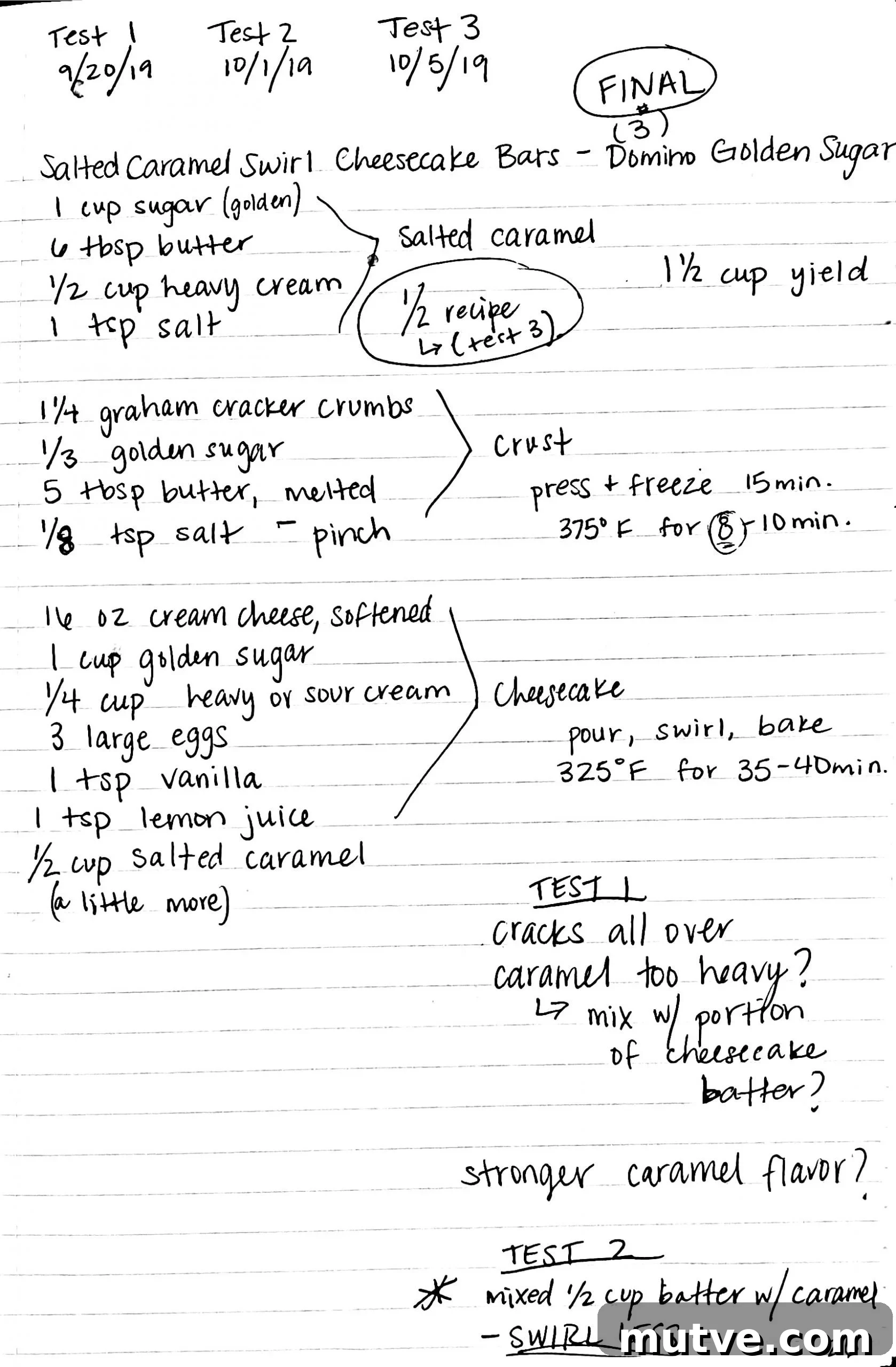
I usually test a recipe about three times, sometimes more for tricky projects. After I’m satisfied, I ask another cook to follow the recipe to see how clear and reliable the instructions are. If testers find problems, I revise and retest. It’s common for a recipe to go through multiple drafts before it’s shareable.
Writing the Recipe
Writing clear, usable recipes is one of the hardest parts. Good recipes leave no guesswork: ingredients are ordered chronologically, quantities are exact, and instructions are concise but complete. I write as if I’m talking to a friend who’s not an expert—clear language and explicit steps help beginners and experienced cooks alike.
When drafting instructions, I run through a checklist:
- Are directions brief, clear, and complete? I avoid assuming readers have advanced skills.
- Are verbs precise—stir, fold, cream, whisk?
- Are yields and serving sizes included and accurate?
- Are any odd textures or expected appearances explained, like “batter will be thin” or “mixture may look curdled”?
- Are tips and warnings provided, for example, about carryover cooking or items that must not be overbaked?
- Are alternative techniques or substitutions listed if I have tested them?
- Do I include storage, freezing, or make-ahead instructions?
Here are a few practical rules I follow when writing recipes:
- List ingredients in the order they are used. Include precise amounts and the state of ingredients (softened, melted, frozen).
- Group ingredients for separate components. For multi-part recipes (cake and glaze, for example), list ingredients under clear subheadings so readers can prepare each component easily.
- Keep steps short and sequential. Instructions should follow the ingredient order and describe actions plainly.
- Give clear doneness indicators. Instead of “cook until done,” provide a time and an indicator like “toothpick in center comes out with moist crumbs.”
- Include storage guidance. Note how to store leftovers and recommended containers and temperatures.
- Offer tested alternatives and substitutions. If you include gluten-free or vegan options, test them first so they work reliably.
- Consider adding nutrition information. Many cooks appreciate an estimate based on serving size; reliable tools can generate this from standard databases.
Recipe failures happen and they can be discouraging, but they’re also how you learn. With practice you’ll make fewer mistakes and gain the instincts to troubleshoot quickly. Over time you’ll develop a reliable toolbox of techniques, ratios, and flavor combinations that speed up the process of inventing new dishes.
References & Suggested Readings
If you want to dive deeper into recipe structure and food science, these books were particularly helpful to me:
Ratio: The Simple Codes Behind the Craft of Everyday Cooking by Michael Ruhlman
Advanced Bread and Pastry by Michel Suas
How Baking Works: Exploring the Fundamentals of Baking Science by Paula Figoni
The Food Lab: Better Home Cooking Through Science by J. Kenji López-Alt