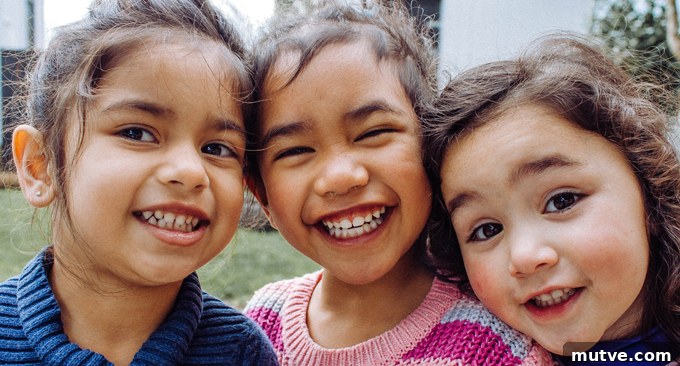
Growing up surrounded by cousins is one of the greatest gifts parents can offer their children. For many families, cousins become built-in playmates, confidants, and long-lasting friends who share the ups and downs of childhood and beyond.
I didn’t have that growing up. My family lived far apart, and aside from two much older half-brothers I rarely saw, I didn’t have siblings close by. I often imagined what it would be like to have sisters or cousins to host sleepovers with, hunt for Easter eggs in the yard, or simply share the small, everyday moments that shape a childhood.
My husband, by contrast, has lifelong friendships with many of his cousins. He carries memories that go back to preschool—neighborhood adventures, family holiday rituals, and simple days spent together. Watching him reminded me I wanted the same for our children: not just siblings, but an extended circle of relatives nearby to celebrate, support, and grow with them.
Why Growing Up With Cousins Is So Important
When kids have cousins close by, they gain more than friends—they gain people who understand family context, shared history, and the unspoken rules of your household. Cousins often form unique bonds: they are close enough to feel like siblings, but distant enough that they can bring different perspectives and experiences into each other’s lives.
Having cousins around expands a child’s social world without replacing parents. It creates a broader safety net of emotional support and joyful participation in milestone events. Birthdays, school plays, sports games, and family reunions feel richer when there’s a crowd that remembers the same jokes, traditions, and childhood moments.
They understand your family.
Cousins often grow up navigating the same family dynamics, so they get the context behind inside jokes, sibling rivalries, and holiday habits. Whether it’s complaining about Aunt Sarah’s gravy or agreeing that Grandma’s chocolate pie is the best part of Thanksgiving, cousins share the small, relatable details that make family gatherings feel like home.

You’ll also have them on the sad days.
Cousins can be quiet pillars of support during hard times. When a family suffers a loss, a breakup, or any difficult transition, having relatives who grew up in the same family rhythm can make grief more bearable. They bring empathy rooted in shared experience and often know how to offer comfort in the ways that matter most.
You have the older cousins to look up to as role models.
Older cousins often serve as approachable role models. They can teach simple skills—braiding hair before a recital, kicking a soccer ball, or lending advice about middle school—that parents may not be able to offer in exactly the same way. Those relationships provide both mentorship and a sense of continuity as children grow into teens and adults.
My priorities as a parent include things I can give directly—love, stability, and everyday care. I might not be able to provide extravagant vacations or perfect experiences every year, but I can intentionally keep my children close to family who will root for them over the long haul. That means inviting cousins for weekend stays, coordinating family celebrations, and nurturing relationships that turn friends into family.
Those connections help build a large, caring support network: an extended cheering section that shows up for a birthday, a recital, or a big game. Over time, cousins become part of the social fabric of a child’s life—people who remember their childhood and still want to celebrate their adult milestones decades later.

In our family, friends have also become chosen relatives over the years, expanding that circle even further. That mix of blood relatives and close family friends creates a rich community for children to grow within—full of different personalities, perspectives, and traditions.
Are your children growing up with cousins around? If so, you might already be seeing the many small but meaningful ways those relationships shape their childhoods—through play, support, shared memories, and the comfort of knowing someone close understands where they come from.