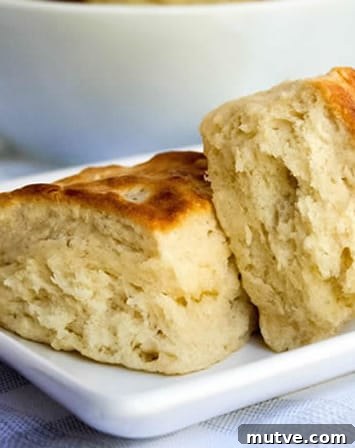
Fluffy buttermilk biscuits are surprisingly simple to make at home when you follow a few reliable tips. Below are practical pointers and a straightforward recipe to help you bake tender, tall biscuits perfect for butter and honey.
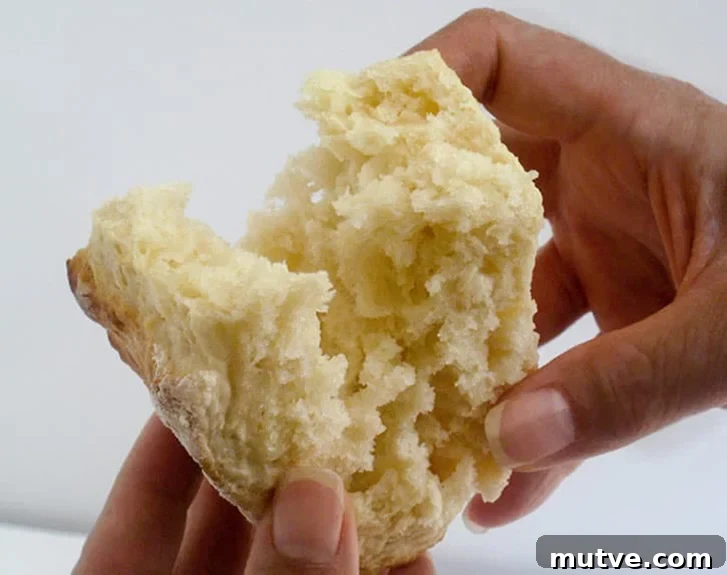
I grew up with two kinds of biscuits: the kind from a box mix and the kind that came in a can. Both were beloved household staples—especially the layered canned biscuits my siblings and I would pry apart and spread with butter. We treated each layer like its own special snack.
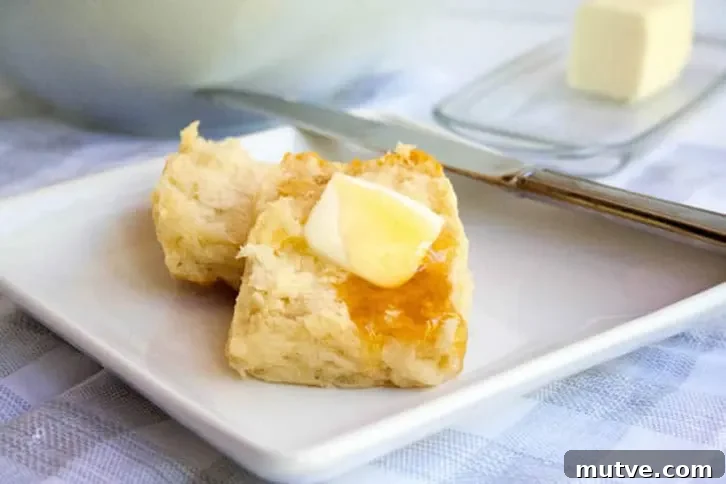
When we couldn’t get canned biscuits, boxed drop biscuits were the other favorite. They were simple and always welcomed as a butter carrier. Later, a local breakfast spot introduced me to a homemade buttermilk biscuit at its best: no layers, no can, no mix—just a warm, pillowy biscuit that, with butter and honey, felt like pure comfort.
In high school I worked at a fast food restaurant that made everything from scratch, including biscuits. We used a massive stainless steel bowl and very cold buttermilk—the chill made the dough almost painful to handle, but the results were worth it. I didn’t keep the exact recipe back then, but those memories sparked a desire to learn how to recreate perfect biscuits at home.
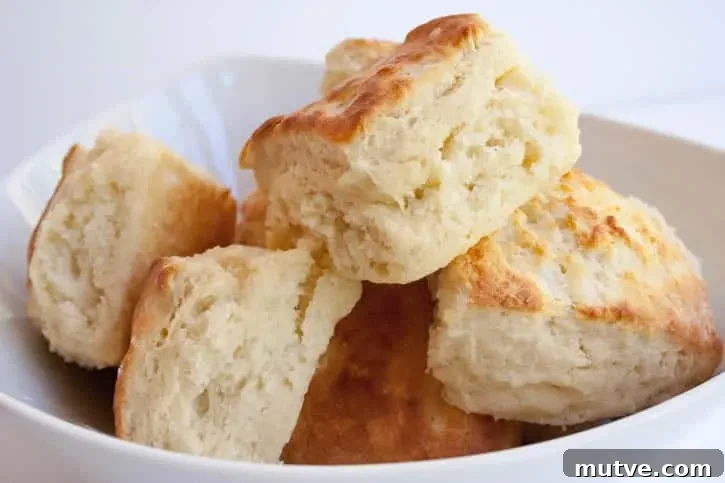
Over time I experimented with many recipes and techniques—different fats, flours, and processes—until I settled on a method that consistently produced the flaky, tender biscuits I wanted. Small details matter: the right flour, the right leavening, and the way you work the dough all affect texture and rise.
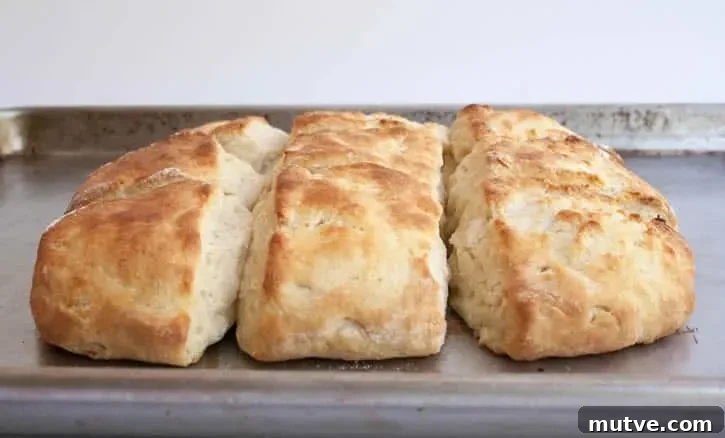
Below I focus on the ingredients and technique that made the biggest difference for me, starting with flour.
What is the best flour for fluffy buttermilk biscuits?
For this recipe I recommend using a standard all-purpose flour. I keep several brands in my pantry and have found that Gold Medal or Pillsbury unbleached all-purpose flours give consistently good results for these biscuits. Other excellent flours like King Arthur or Bob’s Red Mill may have higher protein content and can produce a different texture—sometimes chewier than desired. Even lower-protein flours I tried didn’t deliver the exact flavor and tenderness I prefer.
All-purpose flour from the brands mentioned above gives the right balance of structure and tenderness for these biscuits. Use what works best in your pantry, but if you want to replicate these results, starting with Gold Medal or Pillsbury is a reliable choice.
What is the best baking powder for fluffy buttermilk biscuits?
Not all baking powders behave the same. In my testing, I found that certain cream-style baking powders produced a noticeably better lift and texture. I often use a cream baking powder I order specially, because it consistently gives biscuits a taller, more tender crumb. That said, you can still make very good biscuits with most standard baking powders—just expect small differences in rise and texture.
The recipe I use and slightly adapted from a published source calls for modest amounts of fat (butter and shortening) and relies on cold ingredients and careful handling to build layers and lift.
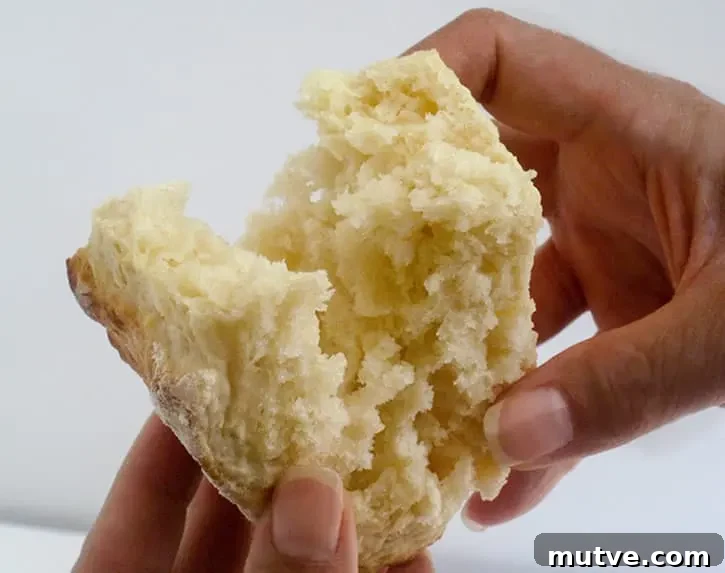
Technique matters as much as ingredients. While it’s common advice not to over-handle biscuit dough, handling it too little can also limit layer development. I knead the dough gently but a few more turns than some recipes call for—about 10–11 gentle folds—until the dough is coming together and smooth. Too much kneading will develop gluten and produce a tough biscuit, so there’s a balance to hit.
Why is it best to cut biscuits only once?
I prefer to cut biscuits only once. The first cuts give the best rise and flake because the dough hasn’t been reworked. Re-rolling scraps often produces denser biscuits, so I prioritize quality over uniformity. After cutting, flip each biscuit upside down before placing on the baking sheet; this helps promote an even rise. Brush the tops with a little buttermilk before baking for color and a bit of extra tenderness.
These biscuits are straightforward: once you learn the rhythm, it’s a quick one-bowl recipe you can have on a sheet within ten minutes, and ready to serve in about 15 minutes more. They reheat well, so leftovers are still enjoyable.
Once you’re comfortable with this dough, you can adapt it for other treats like buttermilk biscuit cinnamon rolls.
Fluffy Buttermilk Biscuits
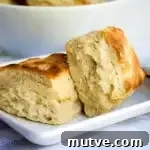
Fluffy Buttermilk Biscuits. The fluffiest, tender, most delicious buttermilk biscuits with tips to ensure success.
- 2 cups all purpose flour
- 4 teaspoons baking powder
- 1/4 teaspoon baking soda
- 3/4 teaspoon salt (see note)
- 2 Tablespoons salted or unsalted butter (cold and cut into cubes)
- 2 Tablespoons shortening (non-hydrogenated preferred)
- 1 cup cold buttermilk
- extra buttermilk for brushing tops
- Preheat oven to 450°F (232°C).
- In a large mixing bowl, whisk together the flour, baking powder, baking soda, and salt.
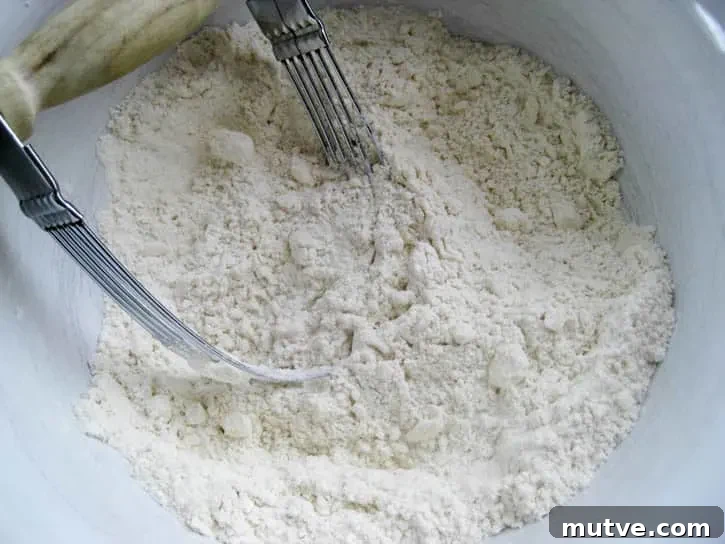
- Using a pastry blender or fingertips, quickly cut the shortening into the flour until combined.
- Cut the cold butter into the mixture until pieces are about pea-sized. Work quickly so the butter stays cold.
- Make a well in the center and pour in the buttermilk.
- From the outside in, gently bring flour into the center with a large spoon, tossing until the buttermilk is incorporated. Use a light hand—don’t overmix.
- Turn the wet, sticky dough onto a well-floured surface. Keep extra flour nearby for your hands and surface.
- Flour your hands and bring the dough together, then fold it in half in a gentle kneading motion.
- Repeat about 10–11 times until the dough comes together and feels smoother.
- Pat the dough into a rectangle or square just under 1 inch thick.
- Using a floured knife or other straight edge, cut the dough into desired sizes (the author cuts into nine larger biscuits).
- Turn each biscuit upside down and place on an ungreased baking sheet, close together but not touching.
- Brush the tops with a little buttermilk and bake about 15 minutes, until risen and golden brown. Serve warm.
*Store biscuits overnight lightly wrapped in foil at room temperature. They’re best the first day but reheat well in a toaster oven.
*Coarse kosher salt measures differently than table salt. If using table salt and salted butter, reduce salt to 1/2 teaspoon.
*For crusty sides, space biscuits so they don’t touch; they may also bake slightly faster.
*If using a round cutter, press straight down and do not twist to avoid sealing the edges. Re-roll scraps and cut again, though the first cuts will be best for rise.
Recipe inspired by a classic Southern biscuit method.
The Merchant Baker © 2015