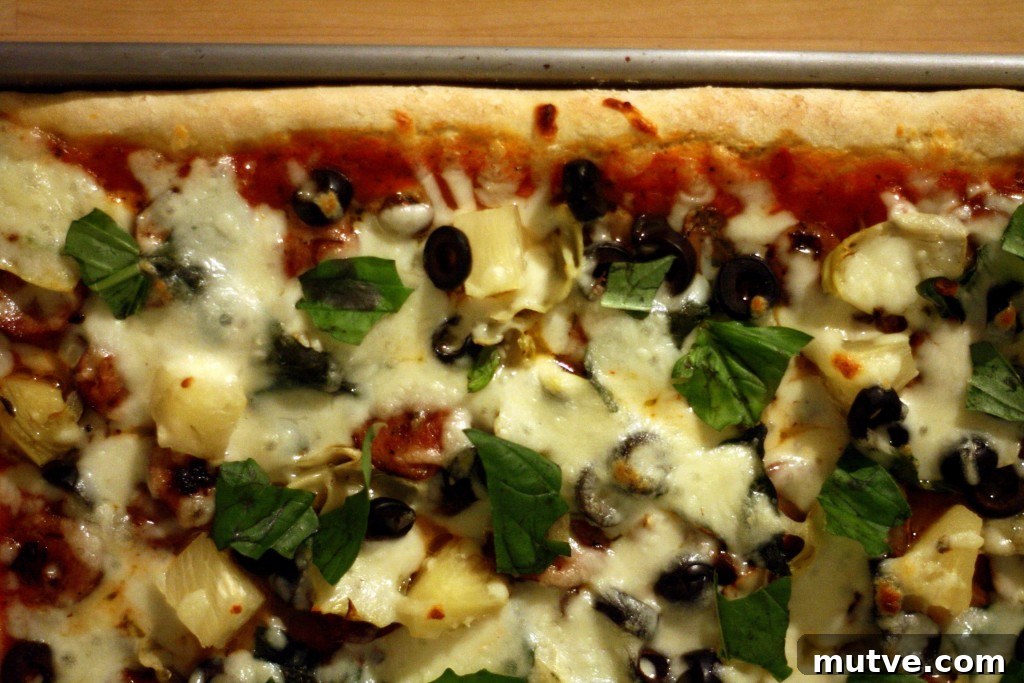
I was slow to join the make-your-own-dough movement. It wasn’t until about a year ago that I made pizza dough from scratch for the first time.
If you haven’t tried it yet, you’re not alone — working with yeast can feel intimidating. It’s alive, it needs warmth and time, and you can’t help but wonder, “Will it rise? Did I do enough?” For a long time I avoided anything with yeast because it seemed like a project better left to pros or to the neighborhood pizzeria where you can buy a ready ball of dough and bake at home with minimal fuss.
Mix, knead, rise, rest, roll, heat, eat. After a while I couldn’t justify my fear. Bread has been made for ages, which convinced me that pizza dough couldn’t be that complicated — and spoiler: it isn’t. I prefer not to call everything “easy” — you know the people who call their morning “easy” after running a marathon — but homemade pizza dough really is approachable once you try it.
I’m a baker by habit but also by appetite. I learned to make the foods I crave because sometimes the exact version I want isn’t available for purchase. Pizza dough is an ideal entry point into bread baking: the ingredients are few, the process is tactile, and the rewards are immediate. Plus it makes for a fun weekend activity.
Give yourself a day to slow down. Forget your to-do list for an hour or two and make dough from scratch. You might surprise yourself — and you’ll have fresh, customizable crust for whatever toppings you love. When you see how simple the process is, you’ll want to tell someone.
Homemade Pizza Dough
Ingredients (makes enough dough for two medium pizzas):
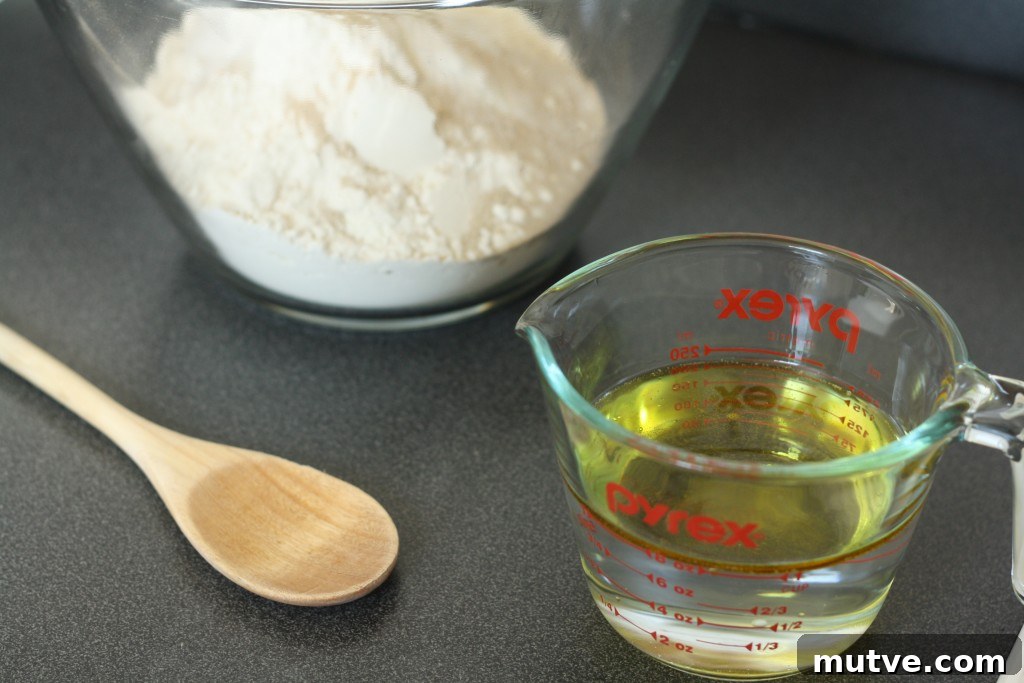
4 cups (500 grams) all-purpose flour
2 teaspoons (8 grams) salt
1 teaspoon (5 grams) sugar
1 package (7 grams) active dry yeast
1 cup (250 ml) warm water
2 tablespoons (30 ml) olive oil
Method:
1. Combine the dry ingredients. In a large bowl, stir together the flour, salt, sugar, and active dry yeast so they’re evenly distributed.
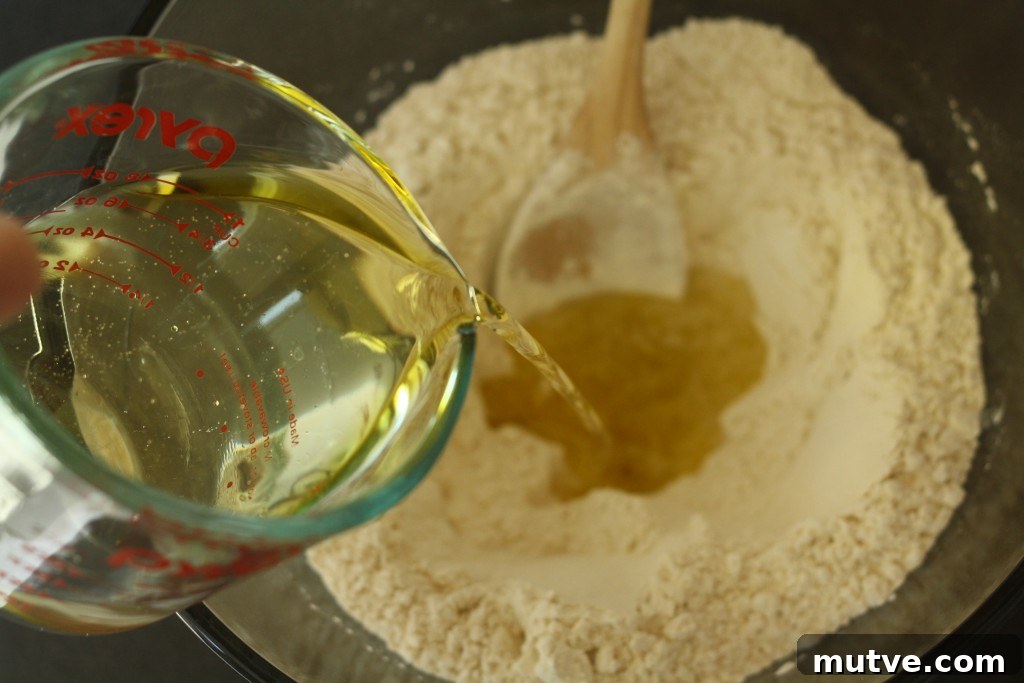
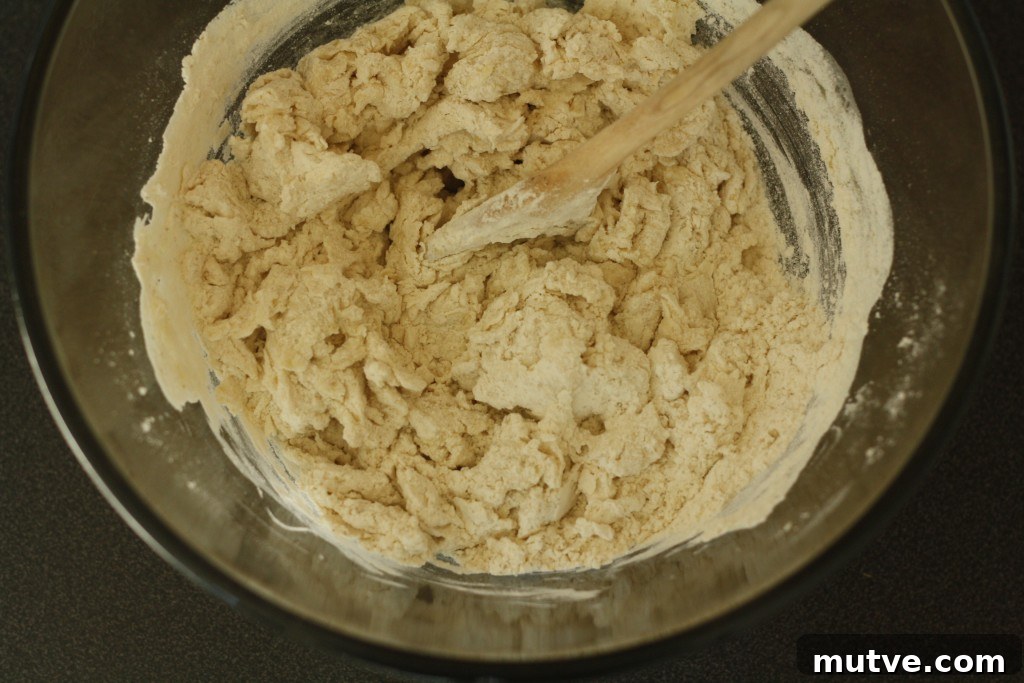
2. Add the liquids. Measure the warm water into a liquid cup, then stir in the olive oil. Pour the liquid into the bowl with the flour mixture and use a spoon to incorporate until the dough begins to form.
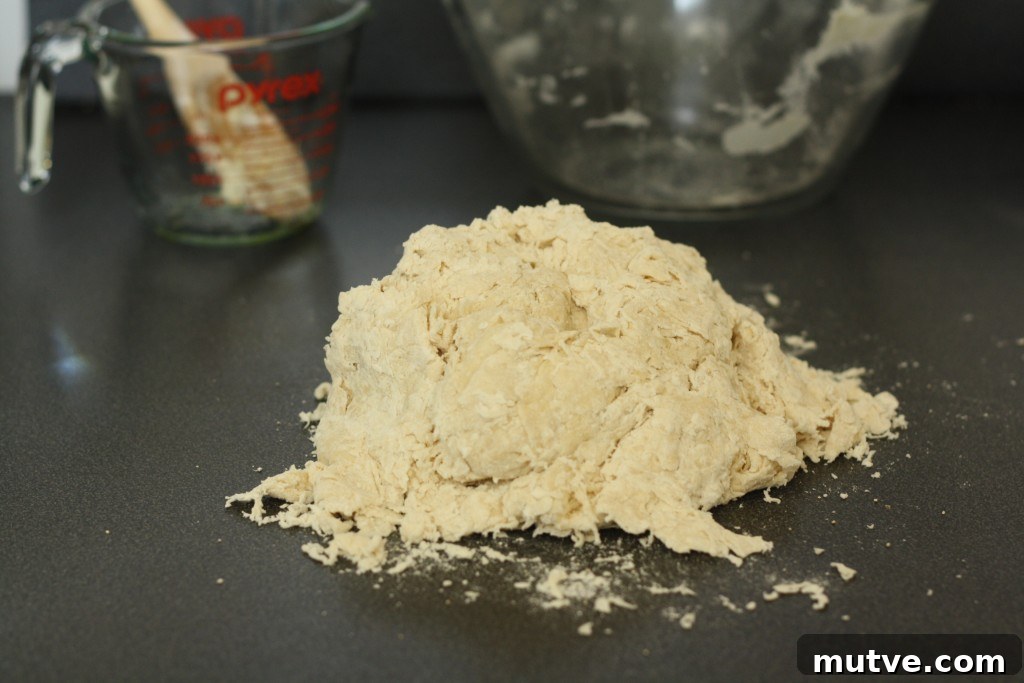
3. Knead until smooth. Turn the dough out onto a lightly floured countertop. Knead with the heels of your hands until the dough comes together and forms a smooth, elastic ball. This usually takes about 5–10 minutes by hand. If the dough feels too sticky, dust your surface lightly with flour, but avoid adding too much.
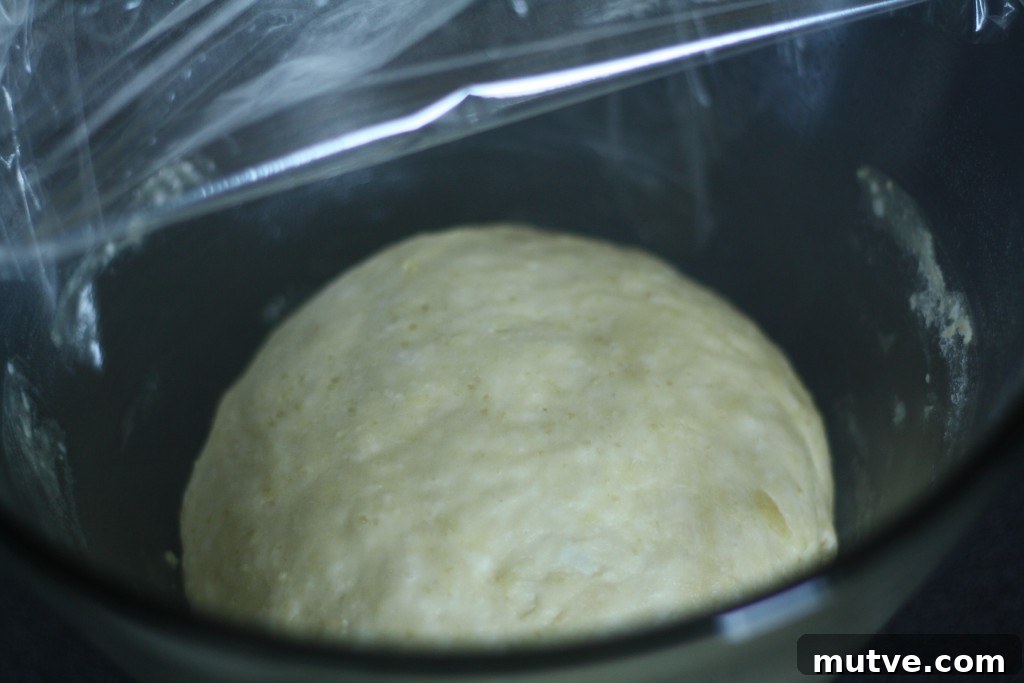
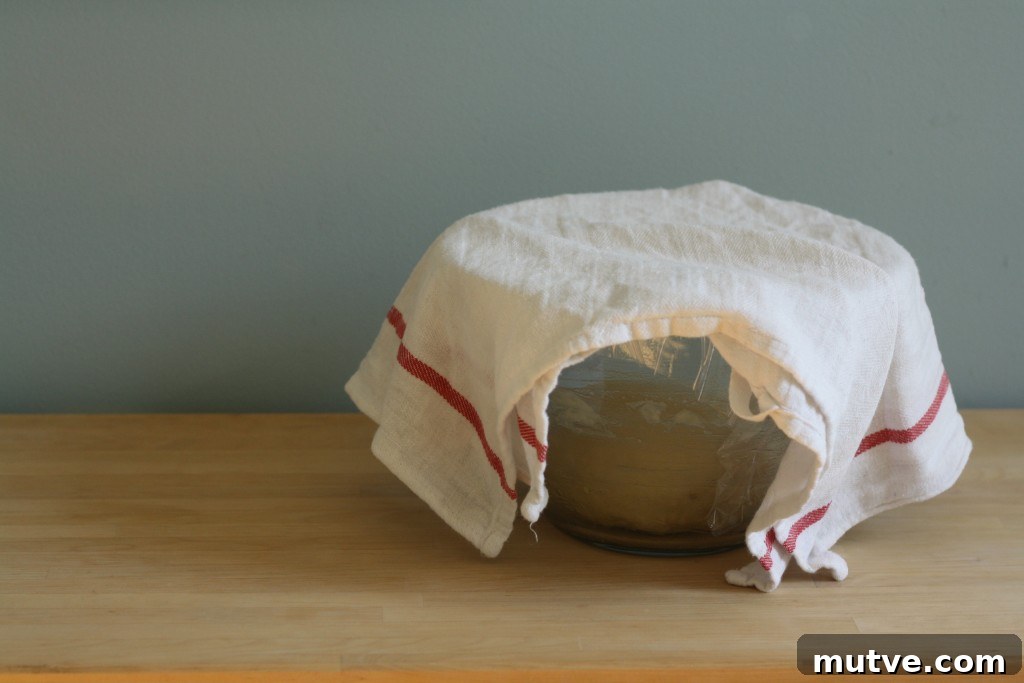
4. First rise. Lightly oil the mixing bowl, place the dough inside, and turn to coat. Cover the bowl with plastic wrap or a clean towel and let the dough rise in a warm place until it doubles in size — typically an hour or two depending on room temperature.
5. Shape and rest. When the dough has doubled, gently deflate it by pressing out the air, then form it into a ball. Let it rest for about 20 minutes, covered, to relax the gluten and make it easier to roll or stretch.
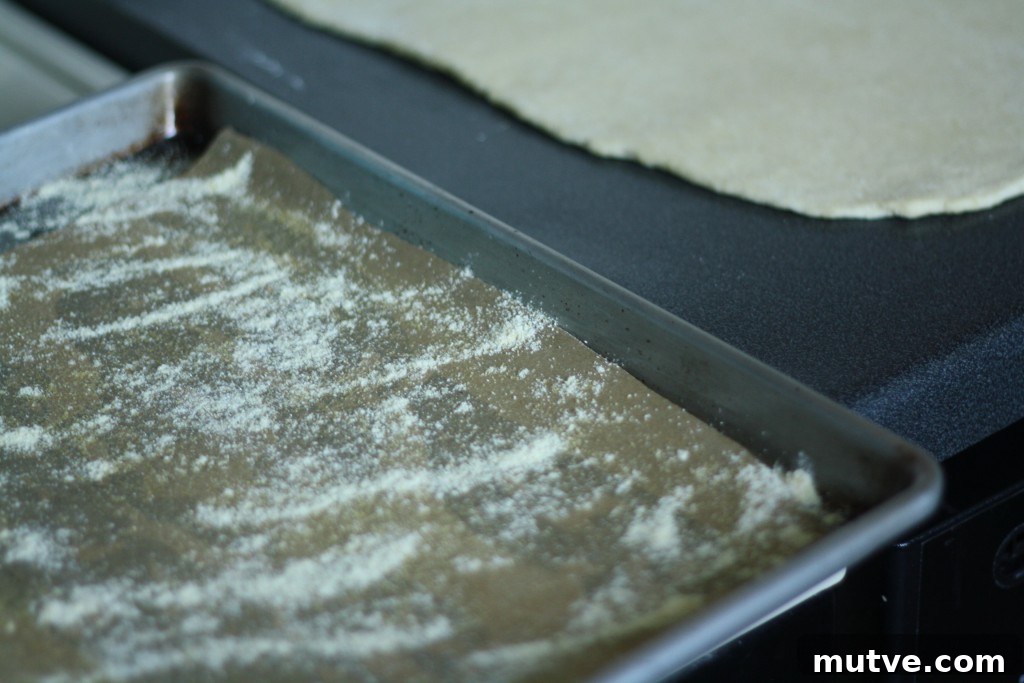
6. Preheat and prepare. Preheat your oven as hot as it will go (commonly 500°F / 260°C). If you don’t have a pizza stone, a heavy baking sheet works fine. Lightly sprinkle the pan with cornmeal to prevent sticking and add a pleasant crunch to the crust.
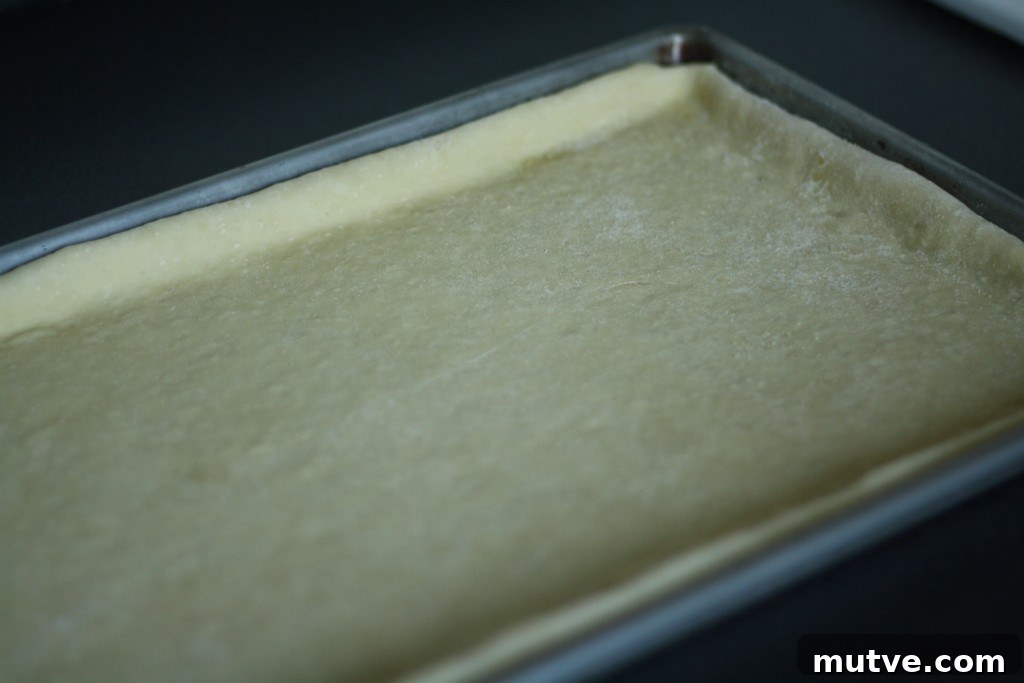
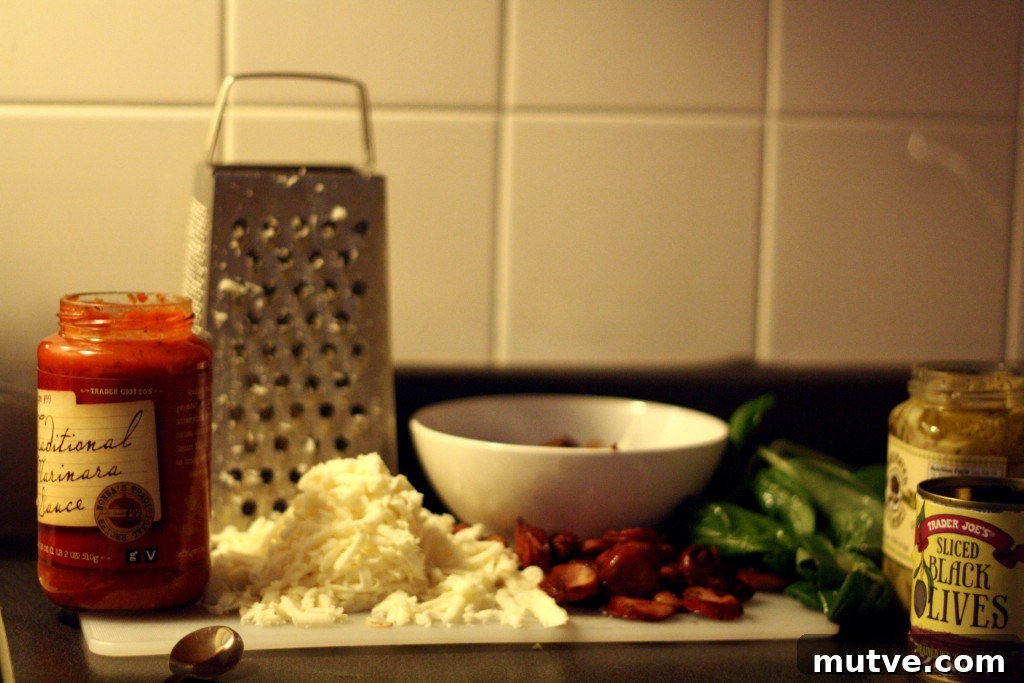
7. Roll, top, and bake. Roll or stretch the dough to your desired thickness. Add your sauce, cheese, and favorite toppings. Bake for 10–12 minutes or until the crust is golden and the cheese is bubbling and slightly browned.
Tips and variations: If you don’t have a rolling pin, an unopened wine bottle makes an effective substitute. For a chewier crust, let the dough rise a bit longer at a cooler temperature; for a quicker turnaround, a warmer room speeds things up. You can refrigerate or freeze extra dough for later use. Experiment with adding whole wheat or semolina to part of the flour for different textures and flavors.