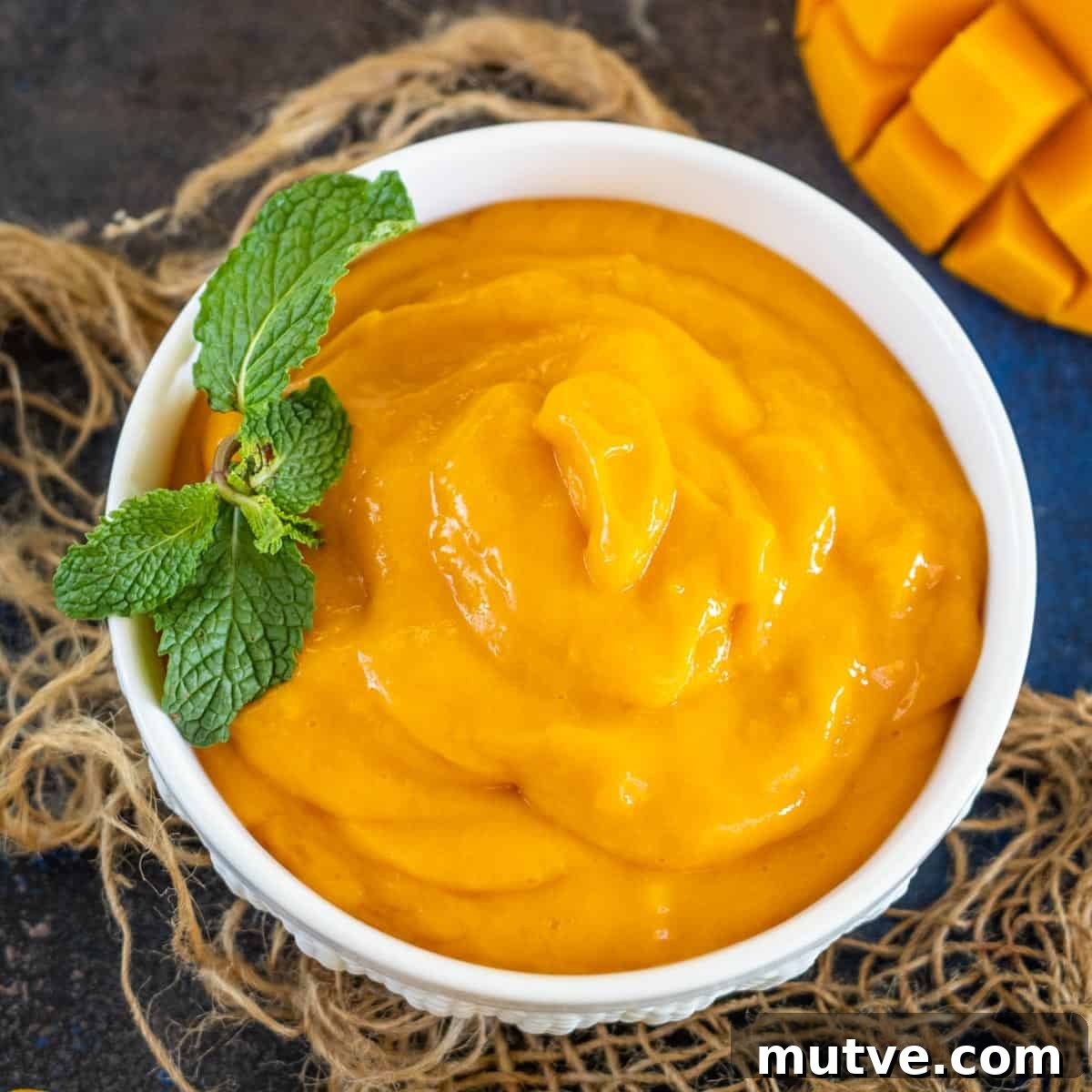
Learn How To Make Mango Pulp (mango puree) in under five minutes and preserve the fresh flavor to use all year round. Homemade mango pulp is versatile—perfect for smoothies, desserts, drinks, and many recipes where fresh mango flavor matters.
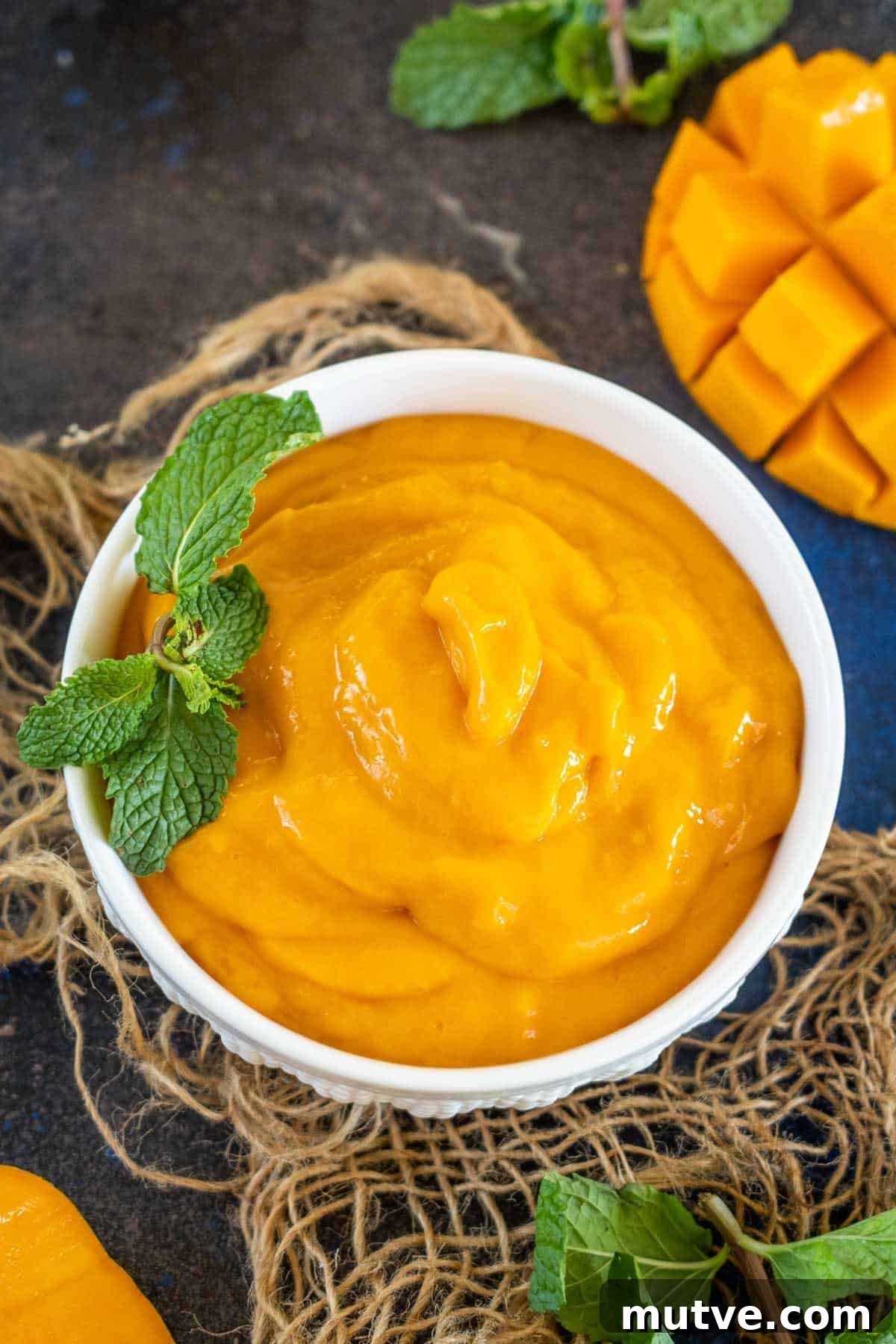
Mango pulp is simply the flesh of ripe mangoes blended to a smooth consistency. Making it at home ensures you get natural flavor without additives, and it’s more economical than buying canned or bottled puree.
Why Make Mango Pulp at Home
While store-bought mango puree is convenient, homemade pulp offers several advantages. It uses fresh, high-quality mangoes with no added colors, flavors, preservatives, or chemicals. Fresh pulp tastes brighter and more vibrant than canned versions. Preparing and freezing pulp when mangoes are in season lets you enjoy their flavor year-round and saves money.
Which Mangoes Are Best to Make Mango Puree
To make mango pulp you only need one ingredient: ripe mangoes. Choose varieties that are juicy and have minimal fiber for the smoothest puree. Popular choices include Indian varieties such as Alphonso, Dussheri, and Kesar, as well as Mexican varieties like Ataulfo, Haden, and Kent. Ripe mangoes will feel slightly soft when pressed and smell fruity; avoid fruits with large blemishes or dark spots.
How To Make Mango Pulp
Prepare the Mangoes
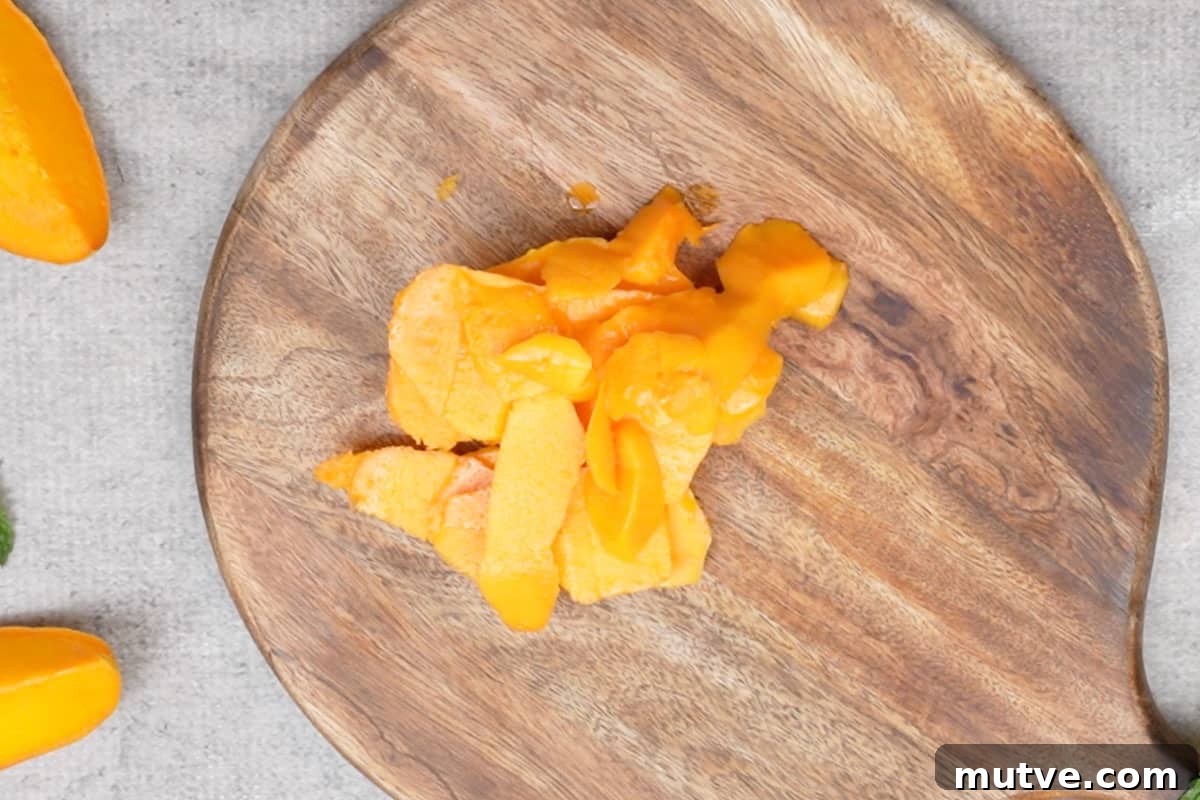
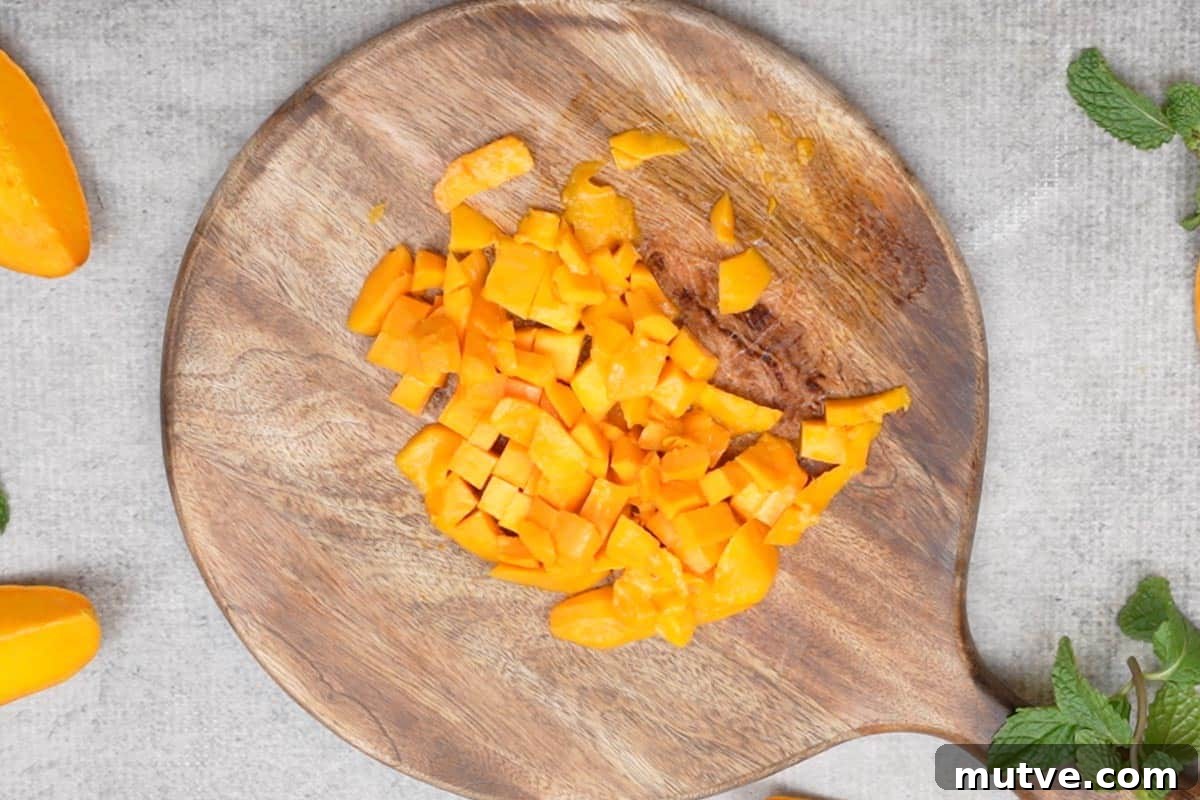
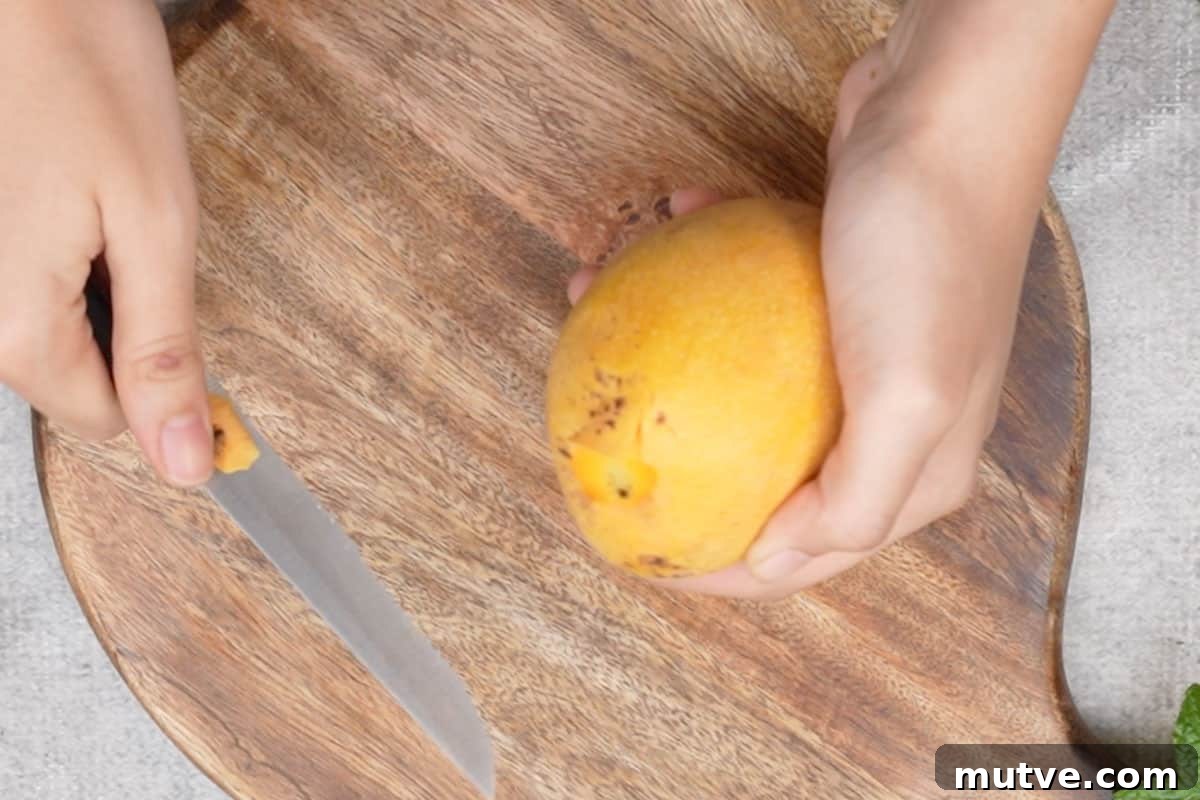
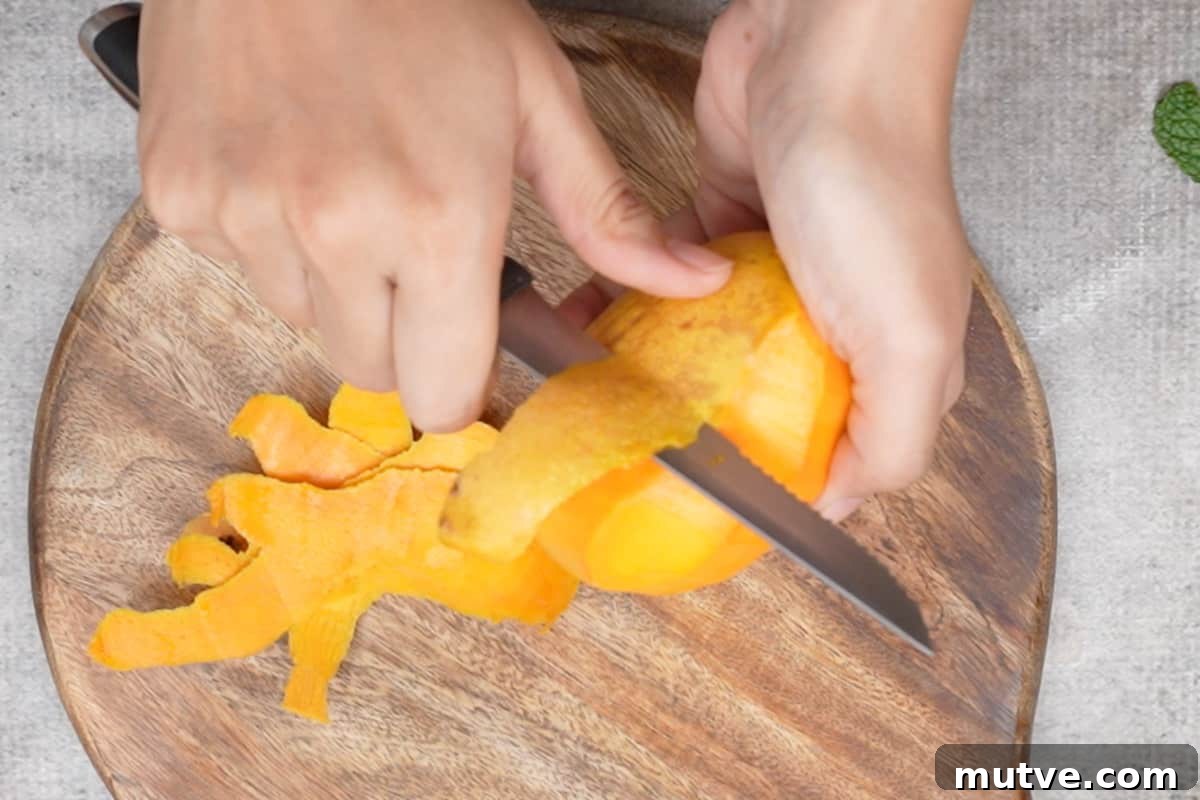
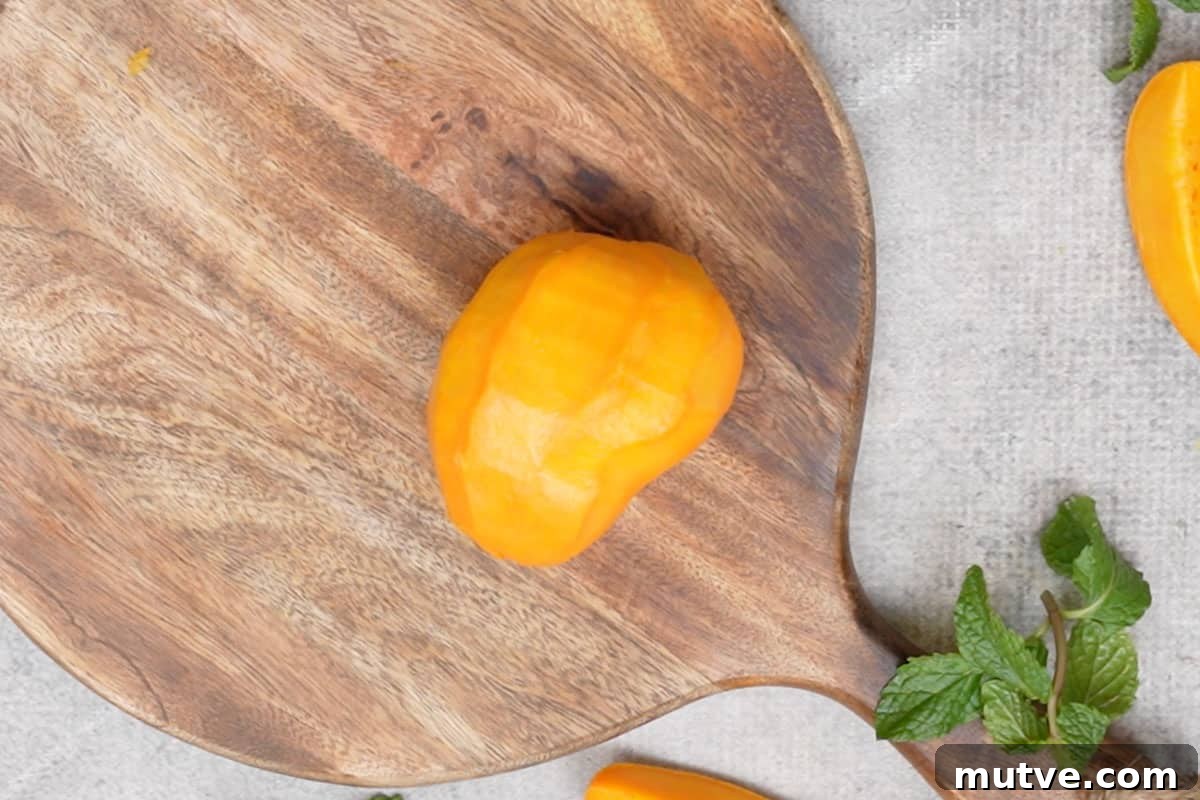
Wash the mangoes thoroughly and pat them dry. Using a sharp paring knife, trim off any black tip and peel the skin. Slice away the flesh from the pit and discard the pit. Cut the mango flesh into small pieces before pureeing.
Puree the Mangoes
Using a Blender or Food Processor
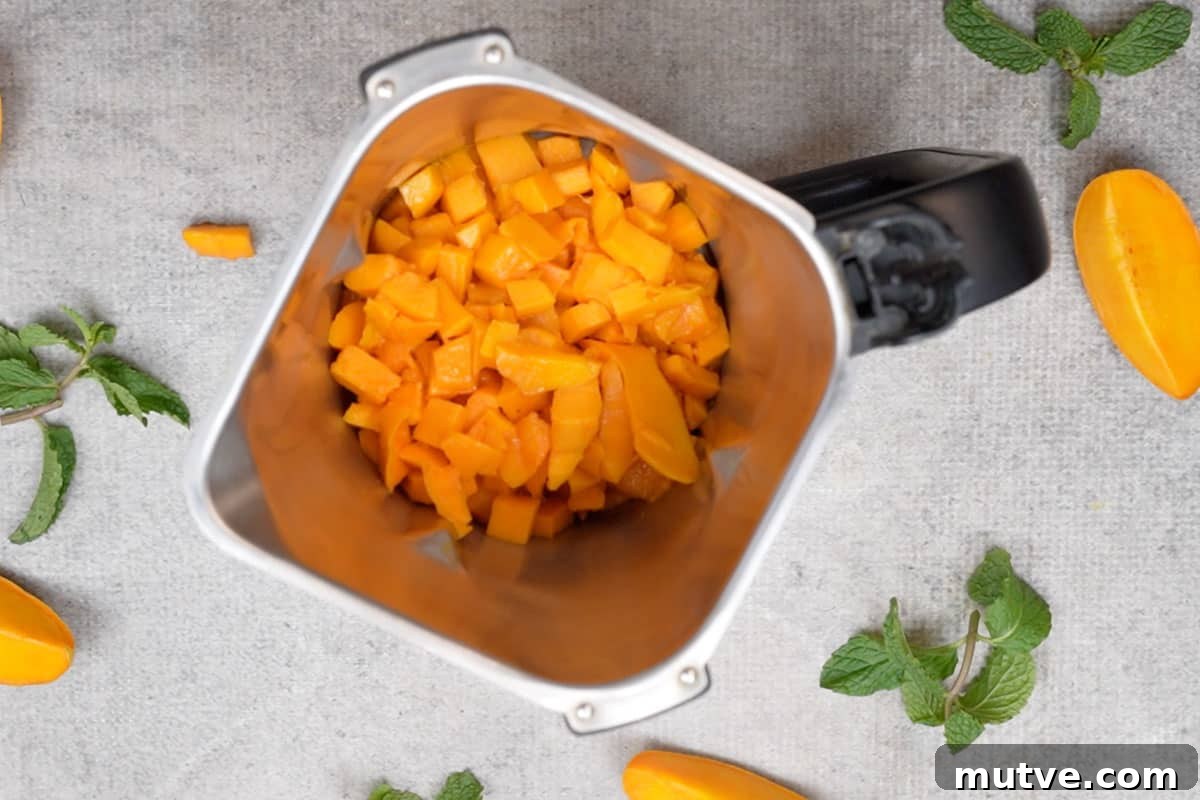
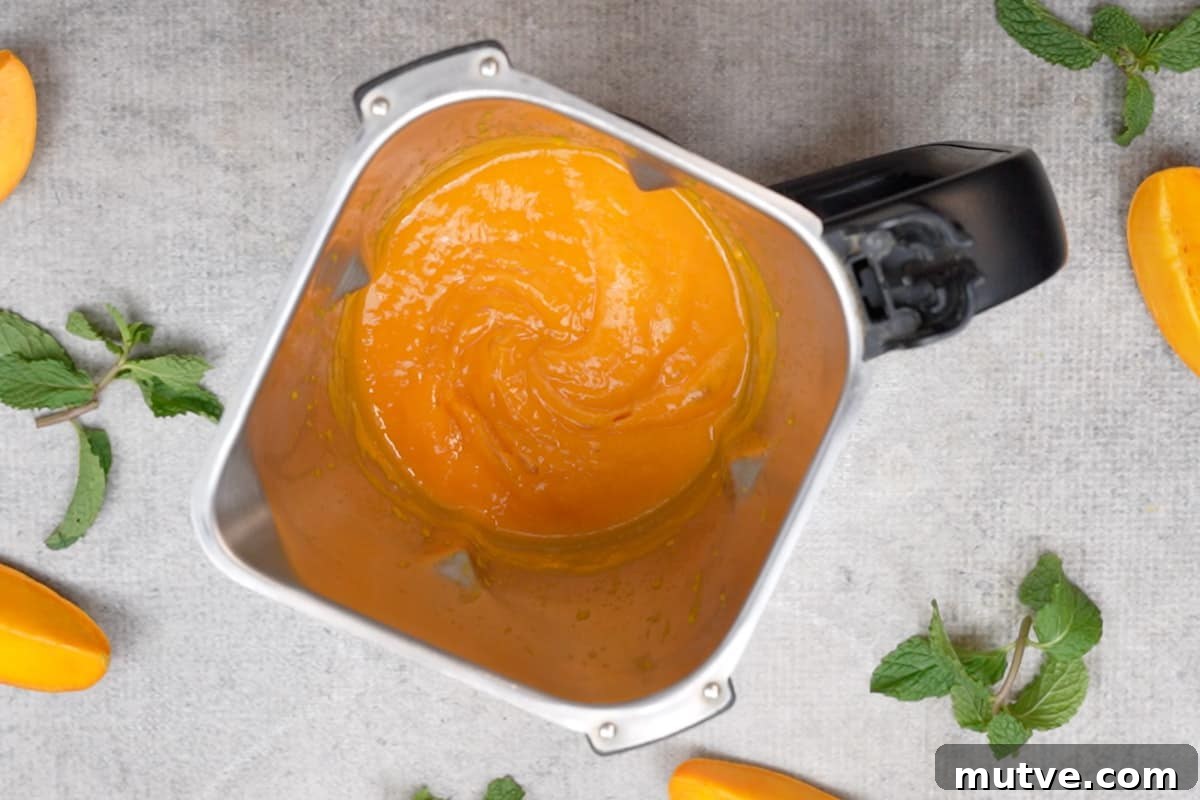
Place the mango pieces in a blender or food processor and blend until smooth. Do not add water or sugar; the natural juice of ripe mangoes is usually enough. If the mixture is very thick and your blender struggles, add a tablespoon or two of mango juice or a small amount of cold water, but add as little as possible to retain flavor.
Using a Hand Blender
If you have a hand blender, place the mango pieces in a deep bowl and puree until smooth. A hand blender works well for small batches.
Using a Fork
If you don’t have any blender, mash the mango pieces thoroughly with a fork until you reach the desired consistency. For an extra-smooth texture, pass the mashed pulp through a fine-mesh strainer.
Usage Suggestions
Fresh mango pulp is delicious on its own as a simple dessert, or spooned over yogurt, porridge, or ice cream. It’s also the base for many recipes:
- Frozen treats: ice cream, sorbet, kulfi, and popsicles
- Beverages: smoothies, milkshakes, lassi, iced tea, and mocktails
- Baked goods and desserts: cakes, cupcakes, cheesecakes, panna cotta, parfaits, and puddings
- Condiments and dressings: fruit-based salad dressing or marinades
- Traditional preparations: mango phirni, aam papad, and other regional sweets
Use homemade pulp whenever a recipe calls for mango puree to retain fresh aroma and flavor.
Storage Suggestions
Store mango pulp in a clean, dry, airtight container in the refrigerator for 3–4 days. Always use a clean spoon to avoid contamination.
For long-term storage, freeze the puree. Portion the pulp into freezer-safe containers or zip-top bags, leaving a little headspace for expansion. Freezing in ice cube trays is convenient—once frozen, transfer the cubes to labeled bags for easy single-serve portions. Thaw only what you need; do not refreeze thawed pulp.
Recipe
How To Make Mango Pulp (Mango Puree)
Ingredients
- Ripe mangoes
Instructions
- Rinse the mangoes and dry them with a kitchen cloth.
- Trim any black tips and peel the skin with a sharp knife.
- Slice the flesh from the pit and discard the pit.
- Cut the mango flesh into small pieces.
- Place the pieces in a blender or food processor and blend until smooth. Do not add sugar or water unless absolutely needed to help blending.
- If using a hand blender, blend the pieces in a deep bowl. If using a fork, mash well and strain through a fine-mesh sieve for an ultra-smooth puree.
Notes
Mango pulp keeps for 3–4 days in the refrigerator in an airtight container. For longer storage, freeze in small portions. Once thawed, do not refreeze. The following nutritional values are approximate for 1 cup of mango puree:
Nutrition (approximate per 1 cup)
- Calories: 99 kcal
- Carbohydrates: 25 g
- Protein: 1 g
- Fat: 1 g
- Fiber: 3 g
- Sugar: 23 g
- Vitamin A, Vitamin C, Potassium and trace minerals present
You Might Also Like
- How to Make Tahini Paste
- Homemade Pumpkin Puree
- Red Chili Paste Recipe
- Homemade Wonton Wrappers