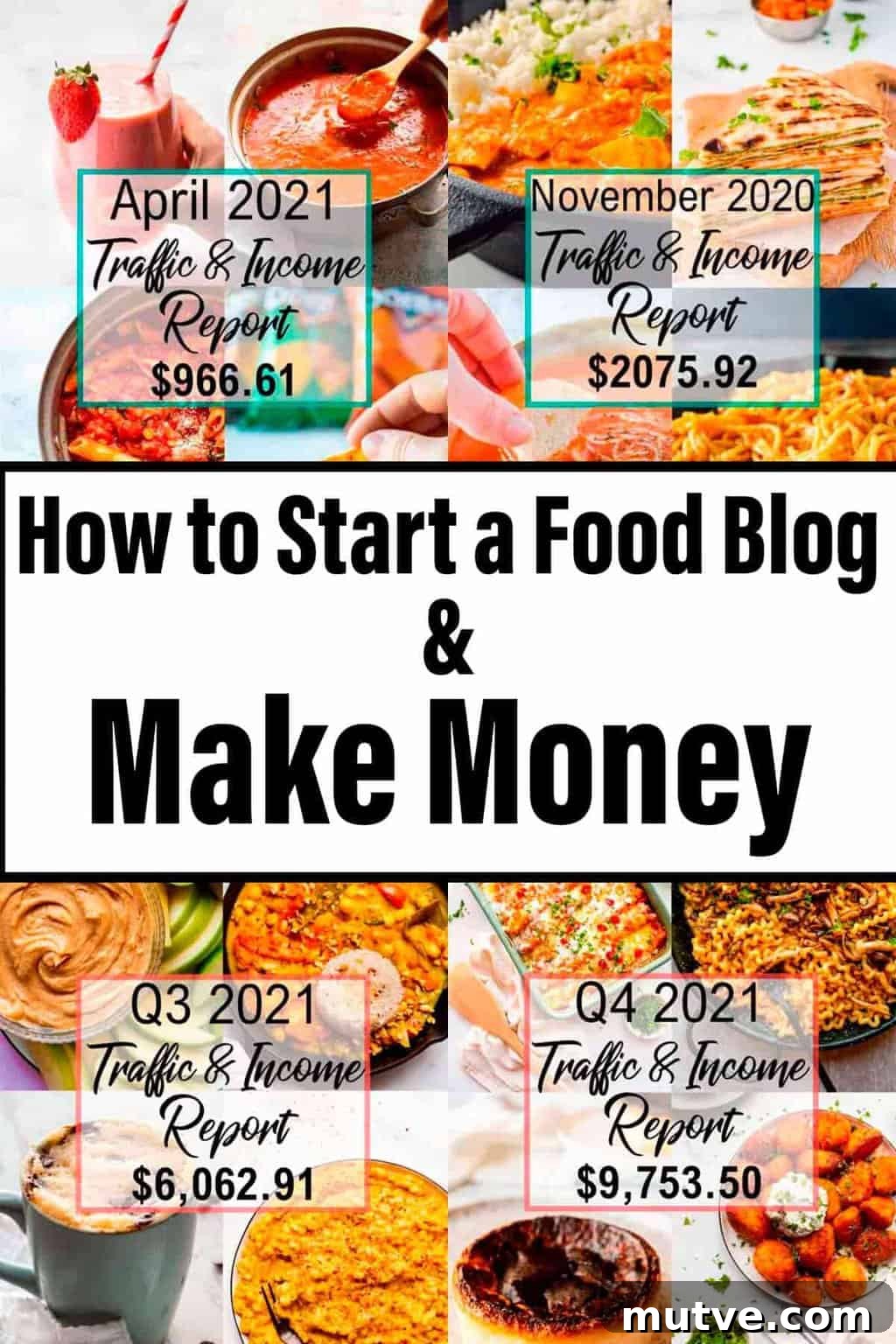
Find out how to start a food blog the right way and make money from it. This is a thorough guide aimed at beginning and newish food bloggers on low budgets.
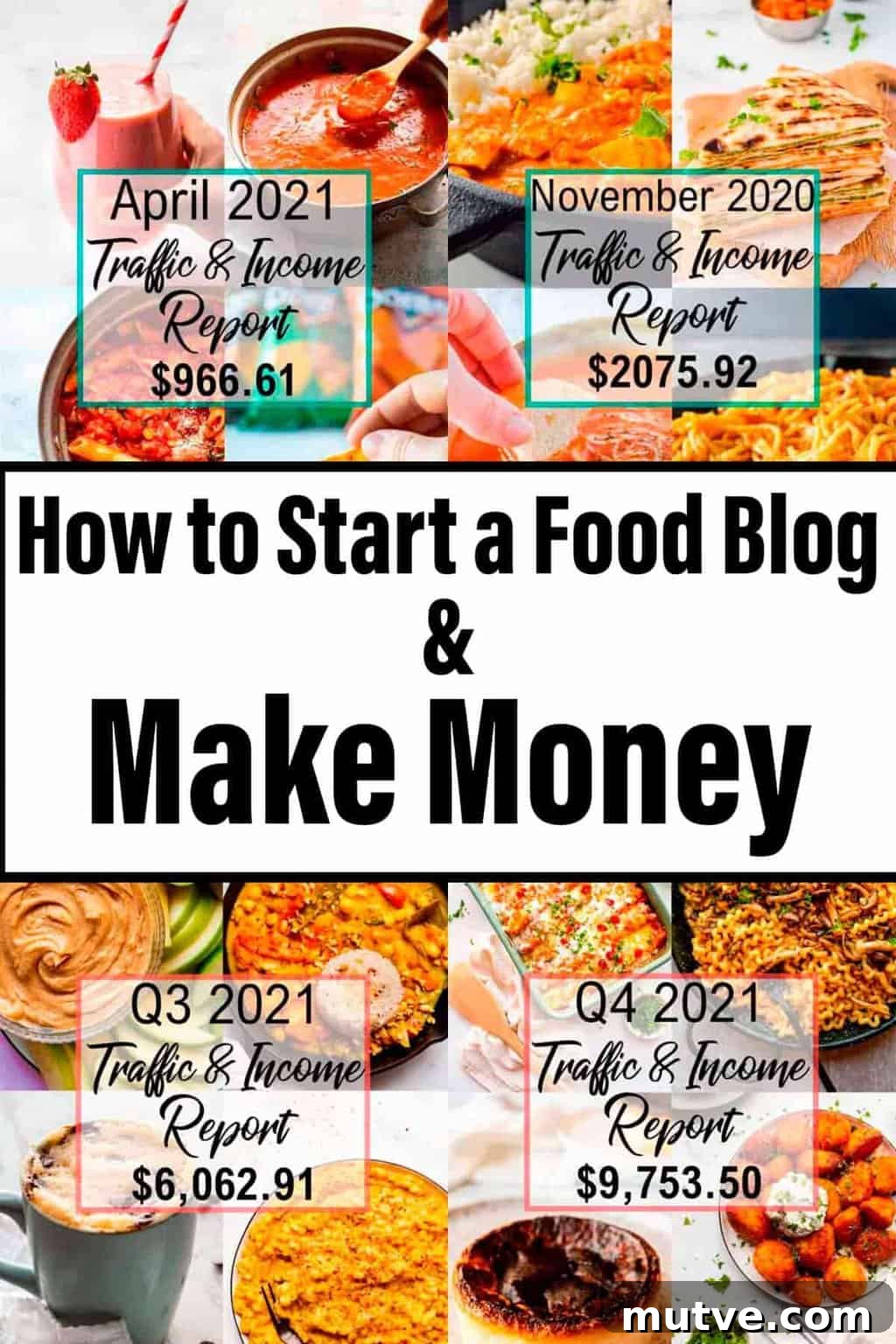
Hi — I’m Deirdre, the creator behind The Fiery Vegetarian. I’ve been blogging for several years and built my site into a livable income through focused work on SEO, photography, and smart monetization. I wrote this guide to gather the practical, up-to-date advice new food bloggers actually need, without hype or unnecessary costs.
Why should you listen to me?
There’s a lot of confusing or self-serving advice about starting a food blog. Some resources push services to earn commissions, others recycle outdated ideas. This guide focuses on actionable, current practices I use and recommend. Where I mention tools or services, I note whether there are free or lower-cost alternatives so you can start on a budget.
Who is this article for?
This post is for people who want to build a monetizable food blog—whether to earn extra income or to replace a salary. It’s also for bloggers who already have a site but aren’t getting traction. If you’re only blogging to share recipes with family, you may not need this level of detail.
Food blogging takes consistent effort, a few modest investments, and patience. Expect a learning curve in photography, SEO, and site management; these skills compound and pay off over time.
Which blogging platform?
If you plan to monetize, use WordPress.org from the start. WordPress.org is a self-hosted content management system that gives you full control over your site, themes, and plugins. Avoid hosted site builders or the WordPress.com hosted service if you want full monetization flexibility—migrating later is often painful and can cost traffic.
Buy your domain
Buy a domain name early. A domain typically costs only a few dollars per year. Choose a name that reflects your niche and allows room to grow. A .com domain is often preferred for broader monetization, especially if you plan to target the U.S. market, but choose what fits your audience.
Many hosts include a free domain for the first year. It’s fine to accept that when starting, but keep domain renewal costs in mind.
Blog name and niche
Pick a blog name that reflects your style and niche but isn’t so narrow it prevents future expansion. Avoid names that create awkward acronyms or combined words that read poorly in a URL. Brainstorm several options, check domain availability, and make sure the name scales with your content plans.
Hosting
Choose reliable hosting that supports WordPress.org and fast site performance. Shared hosting is fine to start, but quality varies. Don’t choose the cheapest option if it means slow site speed or frequent outages—site speed affects SEO and user experience. Look for hosts that include an SSL certificate and good uptime.
If you’re already locked into a poor host for a year, consider migrating once you can afford a better host; the performance gains can be worth the short-term cost.
Theme
Use a fast, lightweight theme built for performance. Popular options with solid support include Kadence, GeneratePress, or themes built specifically for food blogs. Free starter themes can work, but consider a paid upgrade or a food-focused premium theme if you want a quicker, polished setup without heavy customization.
Set up a clear site structure using categories rather than relying solely on tags, and keep navigation simple.
Logo and colors
You don’t need an expensive logo at the start. A simple, consistent logo and a palette of three colors are enough to build brand recognition. Use a free logo tool or an affordable designer to create a favicon and social media profile image. Keep color contrast accessible for readability.
Plugins
Plugins add functionality but can slow your site. Keep plugins to a minimum. Key plugins most new food blogs need (free versions available) include:
- A recipe card plugin (choose one and stick with it)
- A social sharing plugin
- An SEO plugin such as Yoast SEO
- Spam protection or use built-in comment blocking techniques
Pick one recipe plugin and plan to keep it long-term; changing recipe plugins after you have many posts is difficult.
Photography
Great photos increase clicks and engagement. If you have a DSLR or mirrorless camera, that helps, but many bloggers start with a high-quality phone camera and improve with editing. Learn basic composition and lighting—side or back diagonal light is most flattering for food.
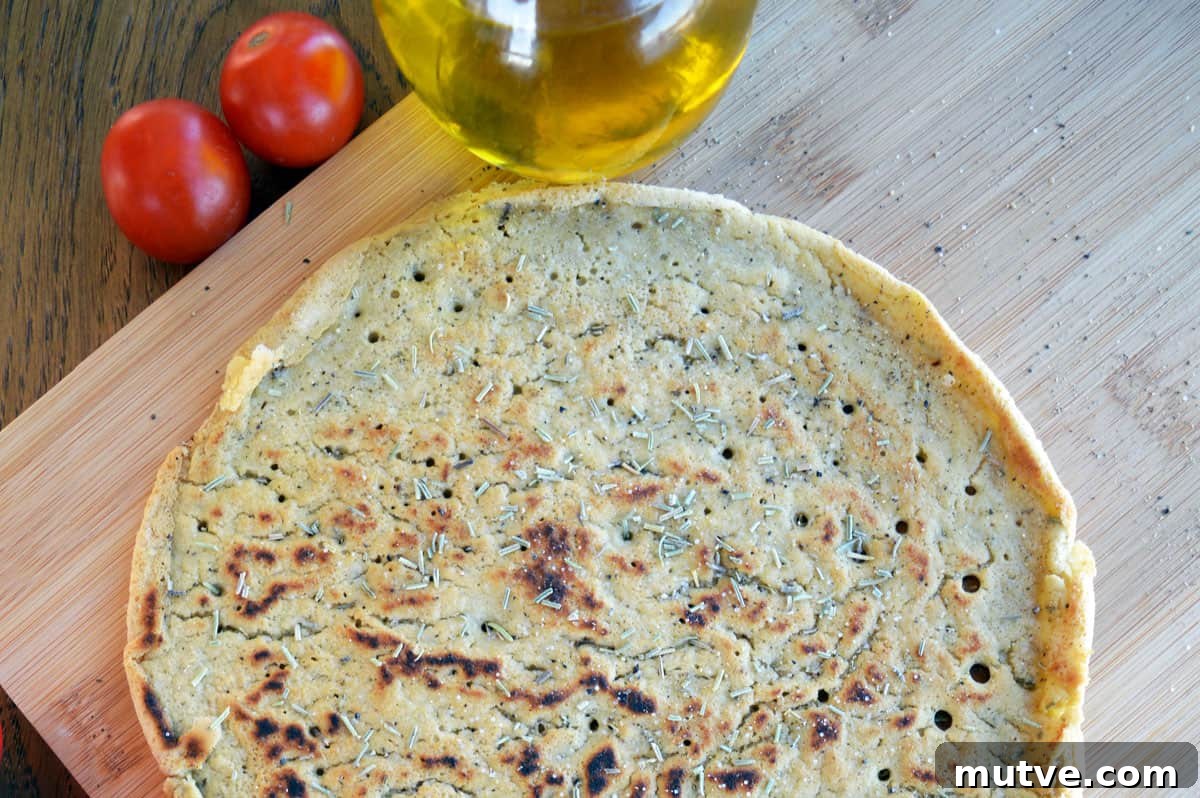
Free resources like The Bite Shot YouTube channel and structured courses or membership sites can accelerate your learning. Invest in basic editing software—Lightroom and Photoshop or Canva are common choices—and learn to adjust exposure, white balance, contrast, and cropping.
Editing and uploading
Edit photos before uploading and save web-optimized versions. Use descriptive, SEO-friendly file names with dashes (for example: poofy-pasta-recipe.jpg) and add meaningful alt text for accessibility. Upload images to your WordPress media library first, then insert them into posts. Avoid placing the main image above the first paragraph to help page speed.
Photography accessories
Start with the essentials: a tripod, a remote trigger, simple backdrops, and inexpensive props like napkins and bowls. Use diffusers or reflectors made from tracing paper or white card to shape natural light. For storage, keep originals and edits on an external drive and cloud backup so you can prove ownership if needed.
SEO
SEO is essential. Target low-competition, relevant keywords that people are searching for. Use a keyword tool to find opportunities before publishing content. On-page SEO basics:
- Choose one main keyword per post and include it in the slug and the H1 title.
- Structure posts with a short intro, highlights, ingredients, instructions, tips, FAQs, and an SEO-optimized recipe card.
- Name and optimize images for search, and fill the recipe card fields thoroughly.
- Write a compelling meta description that includes the main keyword and entices clicks.
Off-page SEO includes building natural backlinks, participating in relevant roundups, and promoting posts on social channels. Avoid buying links—organic, earned links are safer and more sustainable.
Launching your blog
Launch with one well-optimized post rather than waiting to publish many. Blogs often sit in a “sandbox” period where search visibility is low for several months; publishing early and consistently helps content age and gain authority.
Measuring traffic and results
Install Google Analytics and Google Search Console as soon as possible to monitor traffic sources, user behavior, and indexing. Check site speed with PageSpeed Insights and address major issues—page speed and core web vitals affect rankings.
Expect slow initial growth; consistent publishing, SEO, image quality, and site performance drive progress over months.
Mailing list
Build an email list from the start. Your email list is a direct channel you control. Offer a simple freebie to encourage sign-ups and send at least weekly or biweekly emails so subscribers stay engaged. Use a lightweight email provider that offers a free tier until your list grows.
Social networks
Social media can support discovery and brand awareness, but SEO and long-term search traffic typically provide the best ROI. Focus on one or two platforms you enjoy and can manage consistently—Pinterest, Facebook, and Instagram are common for food blogs. Treat Pinterest as a visual search engine: use keyworded descriptions and tall, pinnable images.
Getting and accepting feedback
If your blog is over six months old and not growing despite good content, ask for constructive feedback from experienced, monetized bloggers or in reputable groups. Look for technical issues, speed problems, and SEO gaps—outside perspectives often reveal problems you miss.
Methods of monetizing
Primary monetization paths are ads, affiliates, sponsored content, and selling products. Beginners should focus on building content, traffic, and an email list, then add affiliate links and ad management when traffic is steady. Disclose affiliate links and mark them appropriately.
Ad networks vary by traffic thresholds and payout rates; when choosing an ad manager, consider RPMs, site speed impact, and support for publishers.
Summary (in a nutshell)
- Decide your niche and pick a domain name.
- Purchase reliable hosting and install WordPress.org.
- Choose a fast theme and set up site structure.
- Create a simple logo and color palette.
- Install only essential plugins and set up SEO basics.
- Learn keyword research and plan content around low-competition searches.
- Improve photography and editing skills; optimize images before upload.
- Publish your first SEO-optimized post and go live.
- Install analytics and search console tools and start building an email list.
- Promote strategically on social platforms and build backlinks naturally.
- Monetize once traffic and content quality are established.
If you follow these steps and keep learning—especially SEO, photography, and site performance—you’ll be in a strong position to grow a monetized food blog. Good luck, and keep experimenting and improving.