
Last Updated: July 14, 2025 | By Kevin Williams, Amish Culture Expert. Kevin Williams has spent decades visiting Amish settlements from Maine to Montana and has written about the Amish for publications like The Guardian and Aeon.
The Amish are a distinct religious and cultural community known for simple living, strong family bonds, and cautious engagement with modern technology. This guide summarizes their history, beliefs, daily life, technology choices, and how communities differ across North America.
What you’ll learn in this guide:
- Origins and history of the Amish faith
- Where Amish communities live today
- How the Amish approach technology and work
- Daily life, education, and youth traditions
- How Amish groups differ and how outsiders may join
🏛️ The Origins and History of the Amish

The Amish trace their roots to the Anabaptist movement of 16th-century Switzerland. They emphasize adult baptism, a literal reading of the Bible, humility, and community interdependence. Over centuries the Amish preserved many traditional practices—simple dress, face-to-face worship, and cooperative work such as barn-raisings—that distinguish their way of life.
Related Anabaptist groups include Mennonites and Hutterites. The name “Amish” comes from Jakob Ammann, an early leader whose followers formed the movement now known as the Old Order Amish.
The Great Migration to America
Beginning in the 18th century, many Amish migrated to North America seeking religious freedom and land. Early settlements clustered in Pennsylvania and Ohio; over time communities spread to states across the continent. Today the Amish live in dozens of states and in Canada, with the largest populations in Pennsylvania, Ohio, and Indiana. The Amish population has grown rapidly and is among the fastest-growing religious groups in the United States.
Core Beliefs and Values
Amish faith centers on community, simplicity, humility, mutual aid, and separation from worldly influences. Local church rules, called the Ordnung, set behavioral standards for each congregation. These unwritten rules guide everything from dress and transportation to technology use, and they vary between communities.
🌍 Where Do The Amish Live Today?
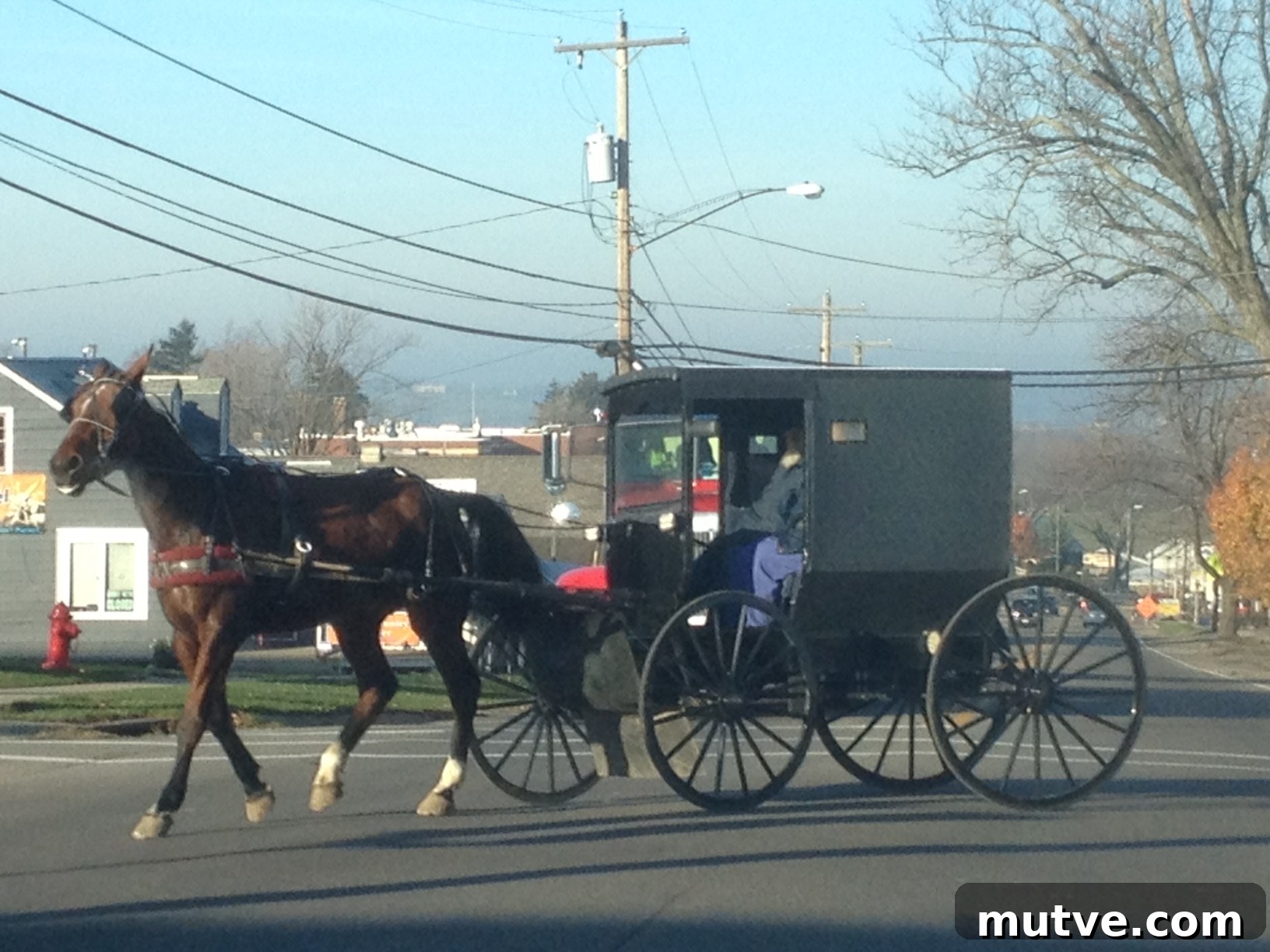
Amish communities are present in many U.S. states and in parts of Canada. Estimates put the North American Amish population at more than 350,000 people. While Pennsylvania, Ohio, and Indiana host the largest settlements, Amish groups also live in more remote locations across the continent. Holmes County, Ohio, is one of the best-known concentrations of Amish residents.
Global Amish Presence: A Closer Look
There is currently no continuous Old Order Amish presence in most of Europe; the historic Swiss and other European congregations largely disappeared during the 20th century. The Amish have also had brief or small settlements in Central America and Belize, and in a few cases communities related to Amish or Old Order traditions have appeared outside North America. Overall, the strongholds remain in the United States and Canada.
Population Growth and Demographics
Amish families tend to be large, with averages often cited at six to seven children per household. High birth rates combined with strong retention of youth in the church contribute to rapid population growth. Retention rates for youth choosing to remain Amish are high, and the population has been doubling roughly every two decades in many settlements.
🚗 Amish People and Technology Today
Technology and the Amish relationship to it is nuanced. Horse-drawn buggies remain a visible symbol, but responses to technology depend on local Ordnung rules. Some communities permit certain technologies for work or selective household use, while others maintain stricter limits.
Understanding the Ordnung
The Ordnung is a community-specific set of expectations. What one congregation allows another may forbid. That variability explains why you might see an Amish family using a generator or solar panels in one settlement and refusing those same items in a neighboring community.
Technology Evaluation Process
Amish decision-making about technology emphasizes social impact: will a device or service strengthen or weaken family and community bonds? Technologies that help sustain livelihood—such as certain farm equipment, business tools, or off-grid power—are sometimes accepted, while technologies that encourage isolation or a worldly lifestyle are often rejected.
Home vs. Work Technology Distinctions
Many Amish households draw a line between home and work. Businesses run by Amish families may use grid power, engines, or modern tools to remain competitive, while those same families avoid those conveniences within their homes. This pragmatic distinction helps preserve community values while supporting economic survival.
🏠 Daily Life in Amish Communities
Family Structure and Household Dynamics
Amish family life centers on shared responsibility. Traditional gender roles are common, with men typically responsible for outside work and income, and women managing the home and children, though both parents contribute to farm or business tasks. Large families work together on chores, meals, and maintenance of the household.
Typical daily rhythm (example):
- Early morning: Chores such as milking and feeding animals
- Morning: Family meal and prayer, children attend one-room school
- Daytime: Work on farms, businesses, or crafts
- Evening: Family meal, prayer, and time together
Education and Youth Development
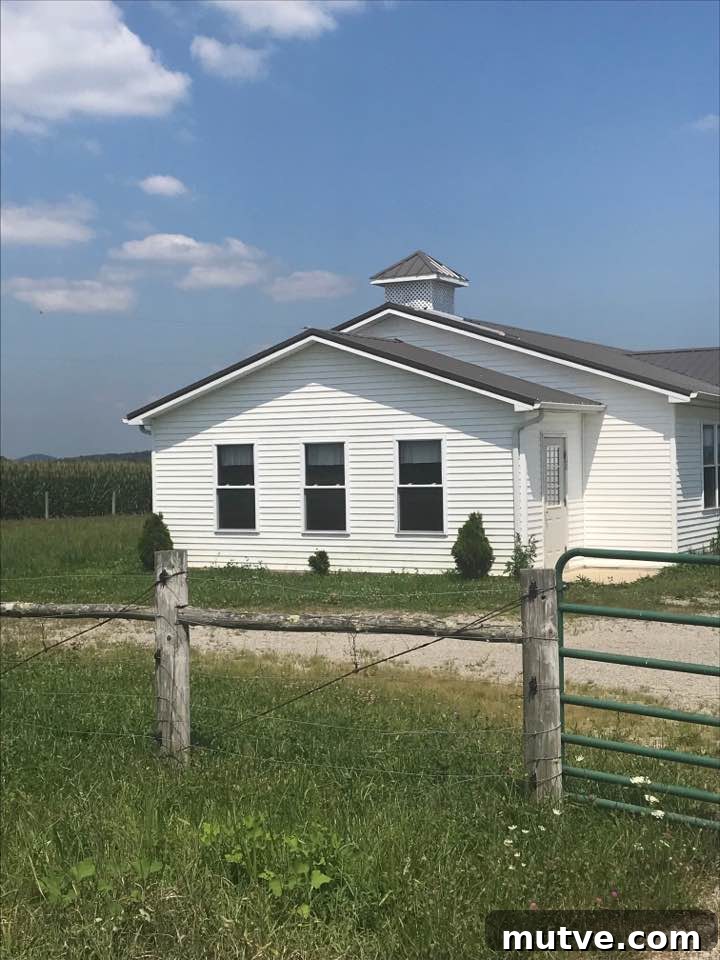
Most Amish children attend local, one-room schools through eighth grade. Instruction emphasizes reading, writing, arithmetic, practical skills, and moral teaching aligned with community values. Formal education beyond eighth grade is rare in Old Order communities, reflecting a belief that extended schooling may introduce influences contrary to Amish life.
Rumspringa: The Misunderstood Tradition
Rumspringa describes a period in adolescence when young people experience a growing independence and sometimes explore life outside the community. It is not a standardized rite of passage across all Amish groups. Many youths remain closely integrated with family and community, and most return to be baptized and commit to church membership.
Care for the Elderly
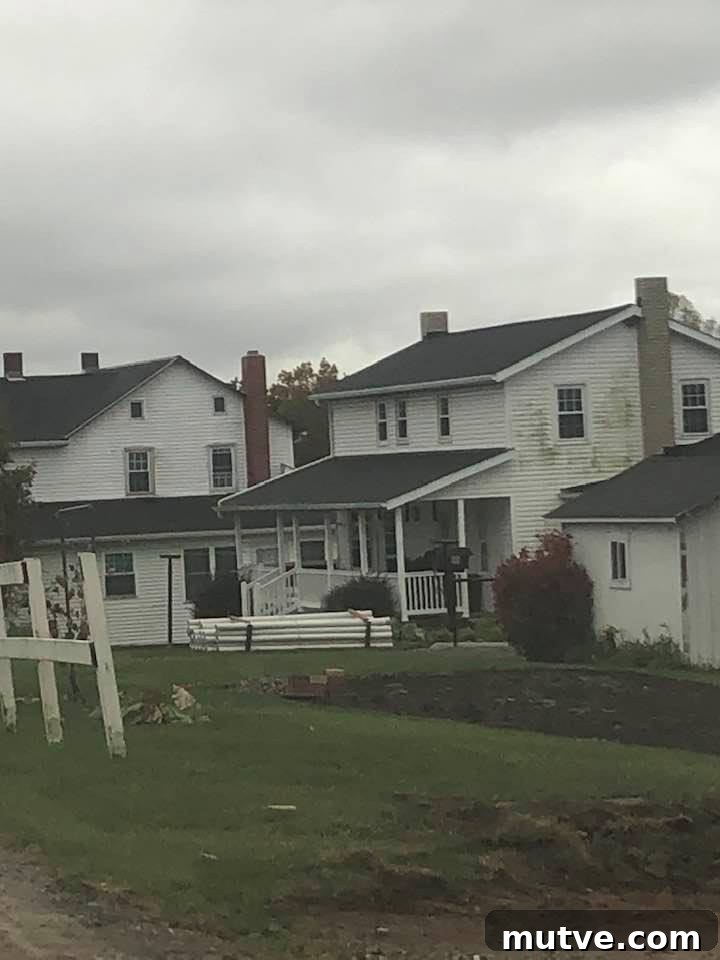
Elderly family members are typically cared for at home by relatives rather than placed in nursing facilities. When some independence is desired, a small nearby cottage—often called a dawdy haus—allows seniors to live close to family support while retaining autonomy.
⛪ Amish Sects and Religious Variations
The Amish are not monolithic; they range from very conservative groups that limit technology and modern comforts to more progressive branches that accept cars or electricity in certain contexts. These differences arise because each congregation sets its own Ordnung and practices.
The Amish Spectrum
On one end are very conservative Old Order communities with strict limitations on electricity and other technologies. On the other end are groups influenced by Amish traditions but more open to modern conveniences, including the Beachy Amish and other fellowship groups that may use cars and grid electricity while maintaining distinct cultural traits such as the Pennsylvania Dutch language and plain dress.
Related Anabaptist Groups
Mennonites and Hutterites share theological roots with the Amish in the Anabaptist tradition. While they have overlapping beliefs—like adult baptism and emphasis on community—each group has its own practices, levels of separation from society, and approaches to technology.
Church Organization
Amish church life is highly decentralized. Each congregation, often around 50 families, is led by locally chosen bishops, ministers, and deacons. This local autonomy is a major reason practices vary so widely from one community to another.
🤝 Can Outsiders Join the Amish?
Yes, outsiders can and do join Amish communities, but conversion is uncommon and requires deep commitment. Researchers estimate that fewer than 100 non-Amish adults join Amish congregations across North America each year.
The Reality of Joining
Prospective converts typically undergo a probationary period to demonstrate sincere commitment. This transition often involves adopting plain dress, learning Pennsylvania Dutch, relinquishing modern possessions, participating in church and community life, and learning practical skills needed for communal living.
Characteristics of Successful Converts
- Strong religious conviction and a desire for simple living
- Practical skills useful on farms or in traditional trades
- Ability to adapt to communal and family-focused life
- Willingness to accept community norms, including plain dress and gender roles
Challenges for Converts
New members face social scrutiny, potential income changes, adjustment to strict gender roles, and possible estrangement from non-Amish family. The community’s close-knit nature means privacy is limited and newcomers must accept public accountability for behavior.
❓ Comprehensive FAQ About Amish Life
Photography and the Amish
Attitudes toward photography vary. Some Amish avoid posed portraits out of concern for vanity, while candid photos or images used for educational or craft documentation may be accepted by certain communities. Practices differ by church and region.
Shunning Practices
Shunning, or Meidung, is a disciplinary practice used by some Amish congregations to encourage repentance when members break community rules. The degree and application of shunning vary widely: some churches apply strict social avoidance, while others maintain family relationships despite church discipline.
Sexuality and Relationships
Premarital sex is generally taboo in Amish communities. Courtship emphasizes family involvement, chaperoned meetings, and the expectation that dating is a step toward marriage. Some conservative groups practice traditional customs designed to keep courtship modest and focused on marriage preparation.
Alcohol and Substance Use
Alcohol is not categorically forbidden among the Amish; many families maintain brewing or wine-making traditions. Community norms favor moderation and responsible use, and public intoxication is discouraged and may lead to discipline.
Financial Obligations
Amish pay ordinary taxes such as federal and state income taxes and property taxes. Self-employed Amish may be exempt from Social Security contributions under certain conditions, which affects benefit eligibility. Business owners follow typical local business tax rules.
Holiday Celebrations
Amish holiday observances focus on religious meaning and family gatherings rather than commercial trappings. Christmas and Easter are celebrated with church services, meals, and practical gift-giving rather than secular symbols or excessive consumerism.
Education and Career Development
Most Amish end formal schooling after eighth grade, concentrating on skills relevant to agricultural life and community participation. Some communities now recognize a need for specialized training in areas like healthcare, business management, and agricultural technology, and a few members pursue vocational training as needed.
Political Participation
Amish generally avoid national political involvement and prefer to resolve matters within their communities. When issues directly threaten their way of life—such as legal challenges to religious practice or education—some Amish may become politically active at local levels.
Diversity Within Amish Communities
Adoption and conversion have introduced greater racial and cultural diversity in some Amish communities. While most Amish remain ethnically similar to historical communities, international adoptions and conversions have resulted in a modest but real presence of people of color in certain settlements.
🎯 Why Do the Amish Fascinate Us?
The Amish capture public imagination because they embody visible alternatives to modern life: plain dress, handmade goods, community rituals, and a slower pace. Tourism, books, and media portrayals have long fed curiosity, but the deeper interest often reflects a search for simplicity, authenticity, community, and sustainable practices.
Modern Appeal
- Simplicity: A life with fewer distractions and material demands
- Community: Strong social bonds and mutual support
- Authenticity: Consistent, values-based living
- Sustainability: Traditional skills and self-reliance
- Craftsmanship: Quality handmade goods and durable tools
📚 Resources for Further Learning
Academic Sources
- Young Center for Anabaptist and Pietist Studies, Elizabethtown College
- “The Amish” by Donald Kraybill, Karen Johnson‑Weiner, and Steven Nolt
- Amish studies programs at major universities and regional archives
Museums and Cultural Centers
- Amish & Mennonite Heritage Center (Ohio)
- The Amish Farm and House (Pennsylvania)
- Mennonite Heritage Center (Pennsylvania)
This guide reflects decades of observation and research into Amish life. The Amish continue to adapt in selective ways while holding fast to core values of faith, family, and community. For the most accurate picture of a particular settlement, visit respectfully and engage with community members and local scholars.
Sources: Young Center for Anabaptist and Pietist Studies; Ohio Amish Library; academic publications on Anabaptist history and Plain communities; demographic studies of Amish populations.