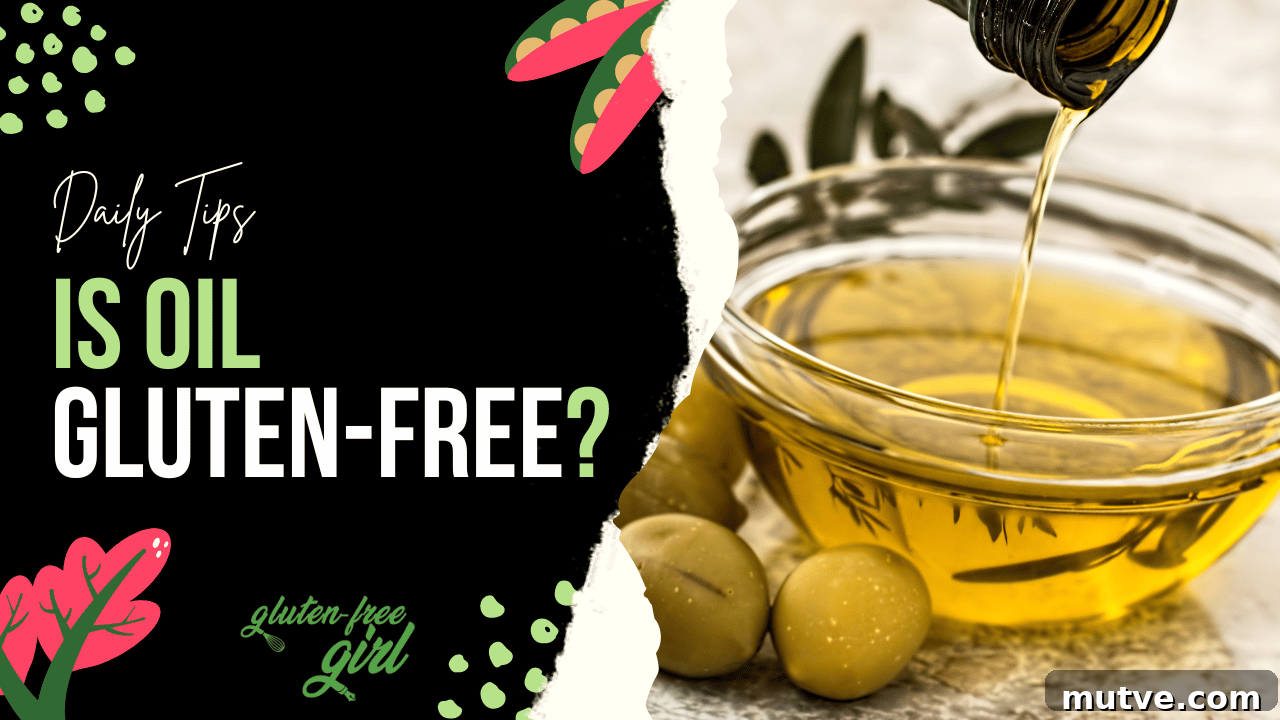
Yes — oil is naturally gluten-free. Oils are extracted from plant or animal sources such as seeds, nuts, fruits, and vegetables and do not contain the gluten proteins found in wheat, barley, and rye. Because gluten is a mixture of proteins found in certain grains, pure oils made from non-grain sources are inherently free of gluten.
Typical extraction methods—pressing, cold-pressing, or solvent extraction—separate lipids from the solid parts of the source material. Gluten, which is a protein found mainly in the starchy endosperm of specific cereal grains, is not soluble in oil and is therefore not present in the finished, pure oil. The main risk for people avoiding gluten is not the oil itself but possible cross-contamination or the addition of gluten-containing flavorings or additives.
Celiac disease is an autoimmune disorder triggered by gluten in genetically predisposed individuals, and it damages the small intestine when gluten is consumed. This damage can lead to nutrient malabsorption, gastrointestinal symptoms, and systemic inflammation. For people with celiac disease or non-celiac gluten sensitivity, avoiding gluten is essential, and using pure, uncontaminated oils supports a safe gluten-free diet.
Chronic inflammation is linked to a variety of health problems, and in people with gluten-related disorders, gluten exposure can increase gut inflammation and worsen symptoms. Choosing gluten-free oils helps reduce the chance of accidental exposure and supports overall dietary management for those with gluten-related conditions.
Olive oil, a cornerstone of the Mediterranean diet, is a naturally gluten-free choice and a good example of how oils can provide heart-healthy fats without gluten. When purchasing any oil, however, read labels and select reputable brands or products labeled gluten-free if you are especially sensitive or concerned about cross-contamination.
Can a Patient with Celiac Have Oil in Their Diet?
Yes. Patients with celiac disease can include oils in their diet. Oils derived from non-grain sources—olive, canola, sunflower, avocado, peanut, soybean, and many others—do not contain gluten. Since gluten is insoluble in fats, the oil extraction process does not transfer gluten proteins into the finished oil. Oils supply important fats and help improve texture and flavor in gluten-free cooking and baking.
That said, celiac patients should remain vigilant about cross-contamination and added ingredients. Flavored or processed oils may include wheat-based ingredients, malt flavoring, or be produced on shared equipment with gluten-containing products. Choosing pure oils and checking labels reduces risk.
What Recipes Can You Prepare with Gluten-Free Oil?
Gluten-free oil is versatile and useful in many recipes, including:
- Gluten-Free Stir-Fry: For sautéing vegetables and proteins like chicken, tofu, or shrimp.
- Roasted Vegetables: Toss vegetables in oil before roasting for caramelization and crisp edges.
- Salad Dressings: Oil is the base for vinaigrettes and creamy emulsions.
- Gluten-Free Baking: Oil adds moisture to muffins, cakes, and brownies made with gluten-free flours.
- Grilled Meats and Fish: Brush oil on proteins to prevent sticking and enhance browning.
- Gluten-Free Pasta: A splash of oil can prevent sticking after cooking gluten-free pasta.
- Homemade Mayonnaise: Oil is the main ingredient for a creamy, gluten-free mayo.
- Frying: Use gluten-free breading and pure oil for frying chicken, vegetables, or fritters.
- Sautéed Greens: Garlic and oil make a quick, flavorful side dish.
- Homemade Croutons: Coat gluten-free bread cubes with oil and bake for salad toppings.
For additional inspiration, consult reputable gluten-free recipe collections labeled for safe, gluten-free preparation.
Is Olive Oil Gluten Free?
Yes. Olive oil is made from olives and contains no gluten. It is a safe choice for people with celiac disease or gluten sensitivity when it is pure and unadulterated. As always, check labels for added ingredients or processing notes that could introduce cross-contamination.
Is Soybean Oil Gluten Free?
Yes. Soybean oil is extracted from soybeans, which are legumes and do not contain gluten. Pure soybean oil is gluten-free. Be cautious with flavored or processed soybean oil products, which can include gluten-containing additives—read ingredient lists carefully.
Is Canola Oil Gluten Free?
Yes. Canola oil is derived from canola seeds and does not contain gluten. It is a neutral-flavored, versatile option for baking and cooking. Verify labels if you have concerns about processing or shared equipment.
Is Sunflower Oil Gluten Free?
Yes. Sunflower oil comes from sunflower seeds and is naturally gluten-free. As with other oils, choose pure products and check for potential cross-contamination or added flavorings.
Is Peanut Oil Gluten Free?
Yes. Pure peanut oil is gluten-free because peanuts are legumes and do not contain gluten. Watch for processed products with flavorings or potential contamination and read labels if you have a gluten-related disorder.
Is Avocado Oil Gluten Free?
Yes. Avocado oil is made from avocado fruit and contains no gluten. Pure avocado oil is safe for gluten-free diets, but check processed products for additives or cross-contact risks.
Is Vegetable Oil Gluten Free?
Generally yes. “Vegetable oil” can refer to blends of plant oils (soybean, canola, corn, etc.) and these pure oils do not contain gluten. Be cautious with flavored or blended products and always read labels to confirm they are free from gluten-containing additives.
What Is the Best Oil for Baking Gluten-Free Recipes?
Canola oil is often a top choice for gluten-free baking because it is neutral in flavor, provides moisture, and performs well at baking temperatures. Other neutral oils like refined sunflower or light olive oil can also work depending on your recipe and flavor preference.
Is Oil Safe for Individuals with Gluten Allergies?
Yes—pure oils are generally safe for people with celiac disease or gluten sensitivity. The primary concern is cross-contamination during processing or the presence of gluten-containing additives. To be safe, choose oils labeled gluten-free or from manufacturers that confirm gluten-free processing practices.
Why Oil Does Not Contain Gluten?
Oil does not contain gluten because gluten is a protein present in certain cereal grains, and protein molecules are not extracted into the lipid fraction during oil production. Extraction separates fats from solids, leaving grain proteins behind. Therefore, when oil is made from non-grain sources, it will not contain gluten unless contaminated afterward.
How Can Oil Become Contaminated with Gluten?
Oil can contain gluten if:
- Cross-contamination: Processing or packaging in facilities that handle gluten-containing ingredients, or use shared equipment that is not fully cleaned.
- Additives: Flavorings, seasonings, or emulsifiers added to the oil that include gluten-based ingredients.
How to Maintain Gluten-Free Status in Recipes That Use Oil
- Choose oils labeled gluten-free or from manufacturers that use dedicated gluten-free facilities.
- Read ingredient lists carefully for any additives or flavorings that might contain gluten.
- Use separate utensils and cookware or thoroughly clean shared equipment to avoid cross-contact.
- Store oils away from gluten-containing products to reduce accidental contamination.
- When preparing food for someone with celiac disease, maintain a clean workspace and verify all ingredients used in the dish are gluten-free.
Cross-contamination can occur in the kitchen when tools or surfaces touch both gluten-containing and gluten-free foods. Staying vigilant with cleaning and ingredient checks helps ensure oils and oil-based dishes remain safe for those avoiding gluten.
Do Pastries That Contain Oil Typically Have Gluten?
Not necessarily. Whether a pastry contains gluten depends on the flour and other ingredients used. Replace wheat flour with gluten-free flour blends (rice flour, almond flour, or commercial gluten-free mixes) and confirm all other ingredients are gluten-free to make pastries safe for people with celiac disease.
Do Commercial Oil Products Often Contain Gluten?
Most commercial pure oils do not contain gluten. However, some processed or flavored oils may include gluten-containing ingredients or be at risk of cross-contamination. Look for gluten-free labeling or contact manufacturers if you need certainty.
Are Alcoholic Beverages with Oil Gluten-Free?
Pure distilled spirits are generally considered gluten-free because distillation removes proteins, but flavored or mixed alcoholic beverages may contain gluten-containing additives. Always check labels and choose mixers and flavorings that are labeled gluten-free if you are avoiding gluten.
What Steps Can Prevent Gluten Contamination in Oils?
Prevent contamination by using dedicated equipment or thoroughly cleaning shared equipment, storing gluten-free oils separately, verifying gluten-free certification on labels, and communicating with suppliers about their gluten-control practices. When transferring bulk oil, ensure containers are clean and free of residue from gluten-containing products. Careful ingredient checks and strict kitchen hygiene are essential to protect those on a gluten-free diet.
Are Gluten-Free Ingredients Common in Desserts Prepared Using Oil Products?
Yes. Many dessert recipes use oil and gluten-free ingredients successfully. Commercial gluten-free mixes and flour blends make it easy to bake cakes, cookies, and brownies without gluten. Homemade desserts should use certified gluten-free ingredients and clean equipment to ensure safety for those with gluten-related disorders.
Are All Oil Products Gluten-Free?
Pure oils derived from nuts, seeds, fruits, and vegetables are naturally gluten-free. However, always check labels for added ingredients and potential cross-contamination. Choosing pure, unadulterated oils and confirming manufacturing practices ensures the safest options for people with celiac disease or gluten sensitivity.