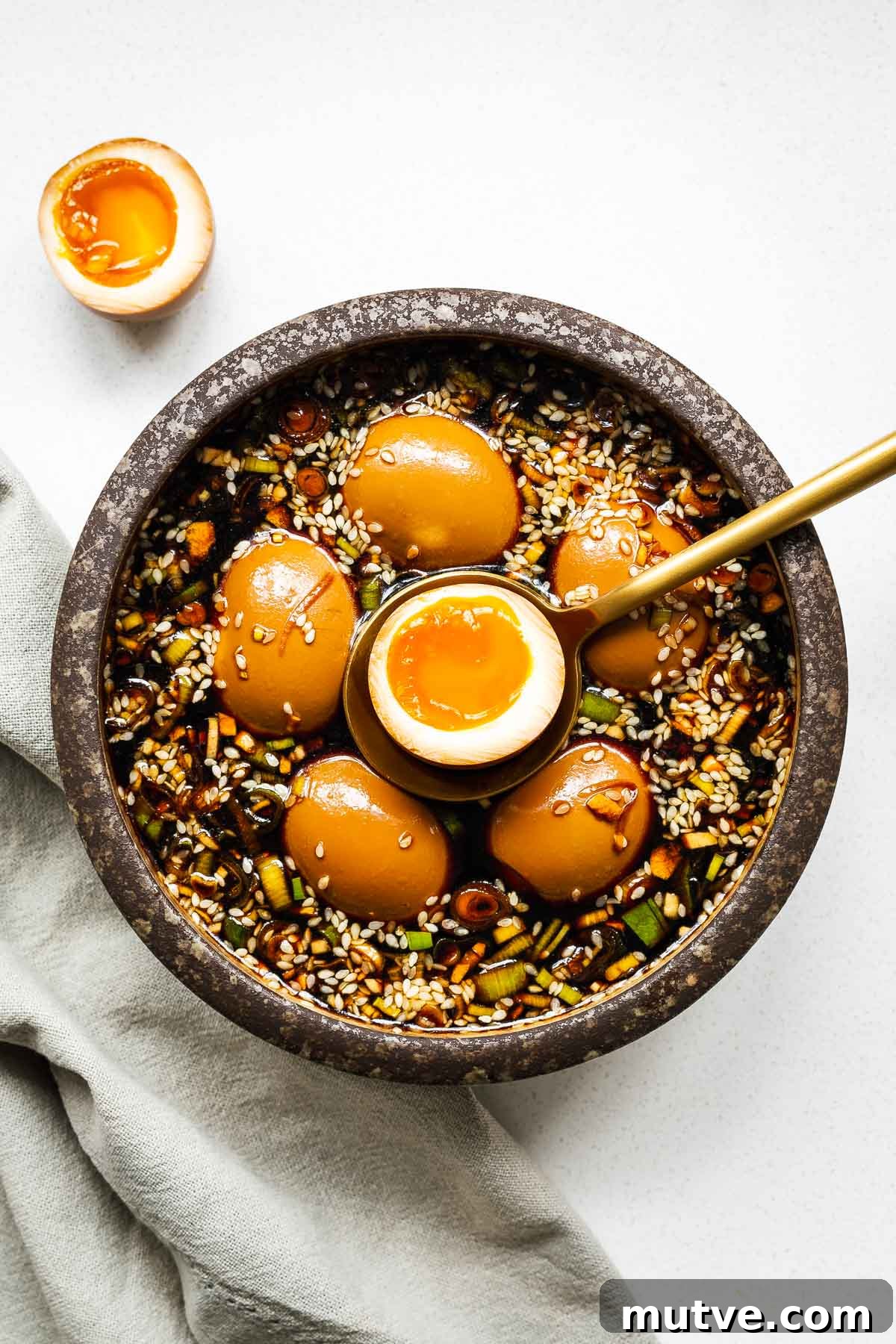
Korean mayak eggs are a tasty and surprisingly simple Korean side dish. These soy-marinated eggs take on a deep brown colour from the soy sauce, balancing salty and sweet flavours while keeping a soft, jammy yolk inside.
I had no idea a boiled egg could be so addictive until I tried mayak eggs.
They’re ideal for meal prep: make a batch, refrigerate, and reach for a ready-to-eat egg for a quick breakfast or snack. They also work beautifully as a side in a Korean-style spread or served over steamed rice.
Any leftover marinade can be reused to add instant flavour to stir-fries, dressings, or rice bowls, so nothing goes to waste.
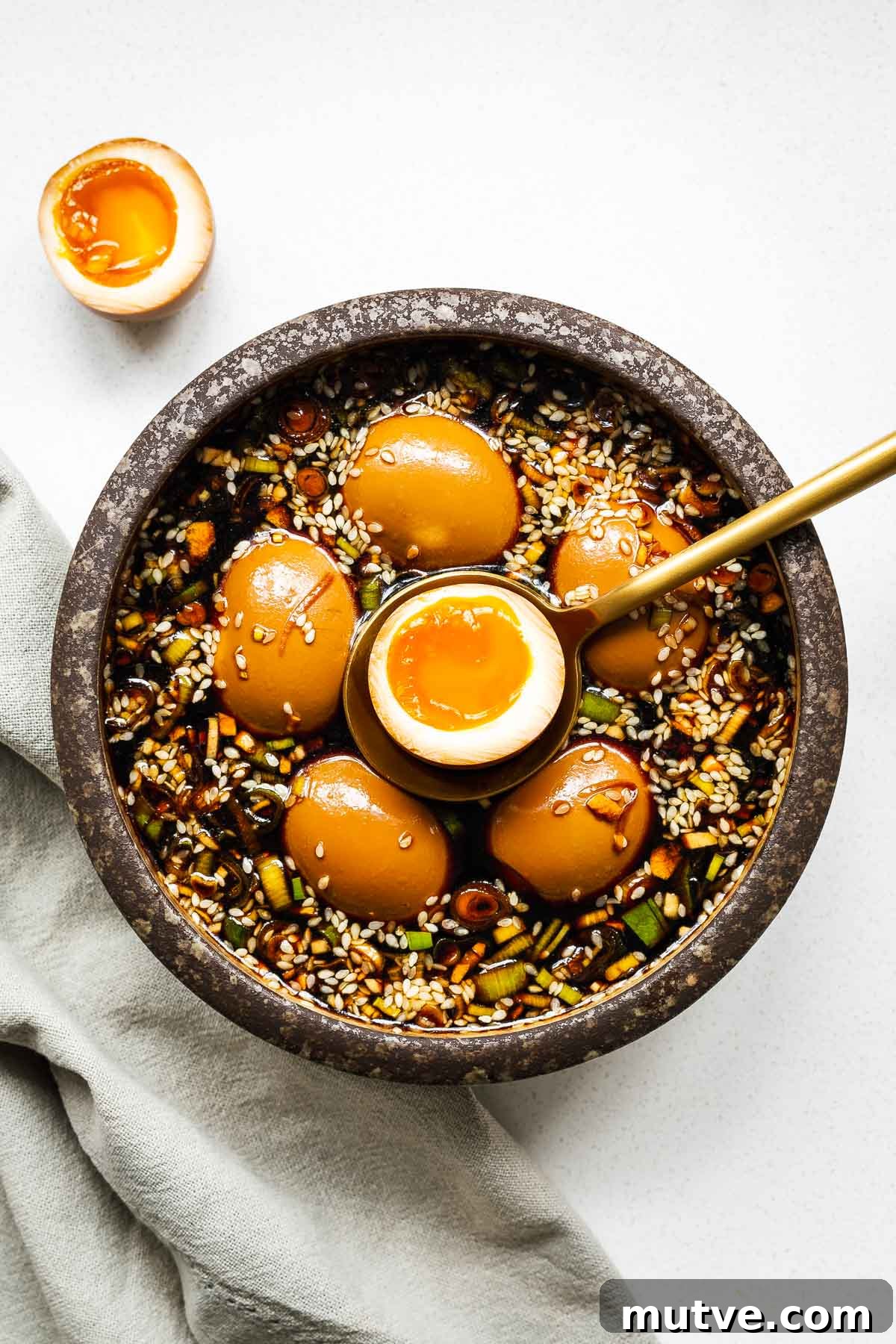
Table of Contents
- Why you’ll love mayak eggs
- What are mayak eggs?
- Ingredients and substitutes
- How to make mayak eggs
- Serving suggestions
- Frequently asked questions
- Recipe card
Why I love this recipe
This Korean classic elevates a simple boiled egg with a savoury-sweet soy marinade. The flavour is rich and satisfying, and the texture of a jammy yolk contrasts perfectly with the seasoned white.
Highlights of this mayak egg recipe:
- Perfect for meal prep: Make a larger batch and enjoy them over several days in breakfasts, ramen, or as snacks.
- Family-friendly: Omit the optional chillies to keep the flavour approachable for kids.
- Easy to prepare: Boil the eggs, whisk a simple marinade, then refrigerate overnight for best results.
- Very versatile: Serve as a side, add to salads, sandwiches, noodle bowls, or simply top rice with a halved egg.
- Delicious umami punch: The marinade gives a balanced sweet and salty taste, and the soy-stained eggs look beautiful sliced open.
What are mayak eggs?
Mayak eggs (Korean: mayak gyeran) are boiled eggs soaked in a soy-based marinade. The basic marinade mixes soy sauce with a sweetener and aromatics such as garlic, green onions, and optional chilli for heat.
They’re commonly served as a banchan (side dish) or snack and are prized for their savoury-sweet taste and attractive dark coating. The name mayak playfully refers to an “addictive” quality—the eggs are so moreish people keep coming back for another one.
Ingredients and substitutes
This recipe is flexible and uses pantry staples common to Asian cooking. Below are the preferred ingredients and easy swaps if you’re missing something.
For the soft-boiled eggs
Use large eggs at room temperature for best results. Cold eggs can crack in boiling water and lower the pot temperature, which may affect the whites. If your eggs are refrigerated, place them in a bowl of warm tap water for a few minutes to bring them closer to room temperature.
I recommend jammy eggs cooked for about 6 minutes for a soft, slightly runny yolk. If you prefer hard-boiled eggs for marinating, cook for about 10 minutes instead.
Egg marinade ingredients
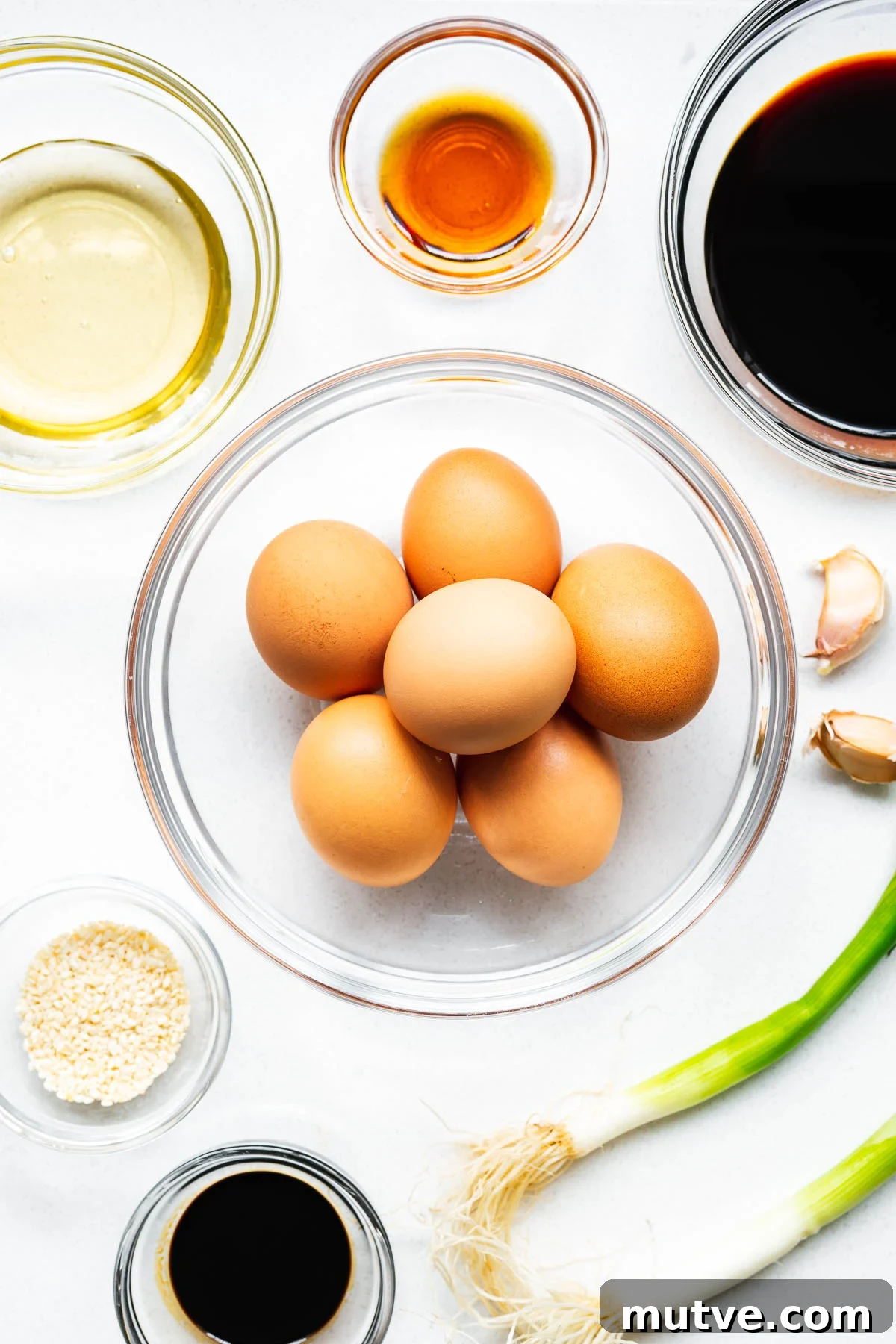
- Soy sauce: Light or all-purpose soy sauce works well. For a deeper colour, add a touch of dark soy sauce. Use tamari or coconut aminos for a gluten-free option.
- Toasted sesame oil: Adds a nutty aroma; optional if you don’t have it.
- Honey: Balances the saltiness with sweetness. Swap for maple syrup, brown rice syrup, or brown sugar if preferred.
- Sesame seeds: Toasted seeds enhance the nutty flavour, especially if you skip sesame oil.
- Garlic: Fresh garlic gives the best flavour.
- Green onions: Scallions add freshness. If unavailable, chives or finely chopped shallot will work.
- Chilli peppers (optional): Fresh chillies or red pepper flakes add heat; omit for a milder version.
Once marinated, remove the eggs from the sauce and store them in an airtight container in the fridge for up to four days. Enjoy cold or bring to room temperature before serving.
How to make Korean mayak eggs
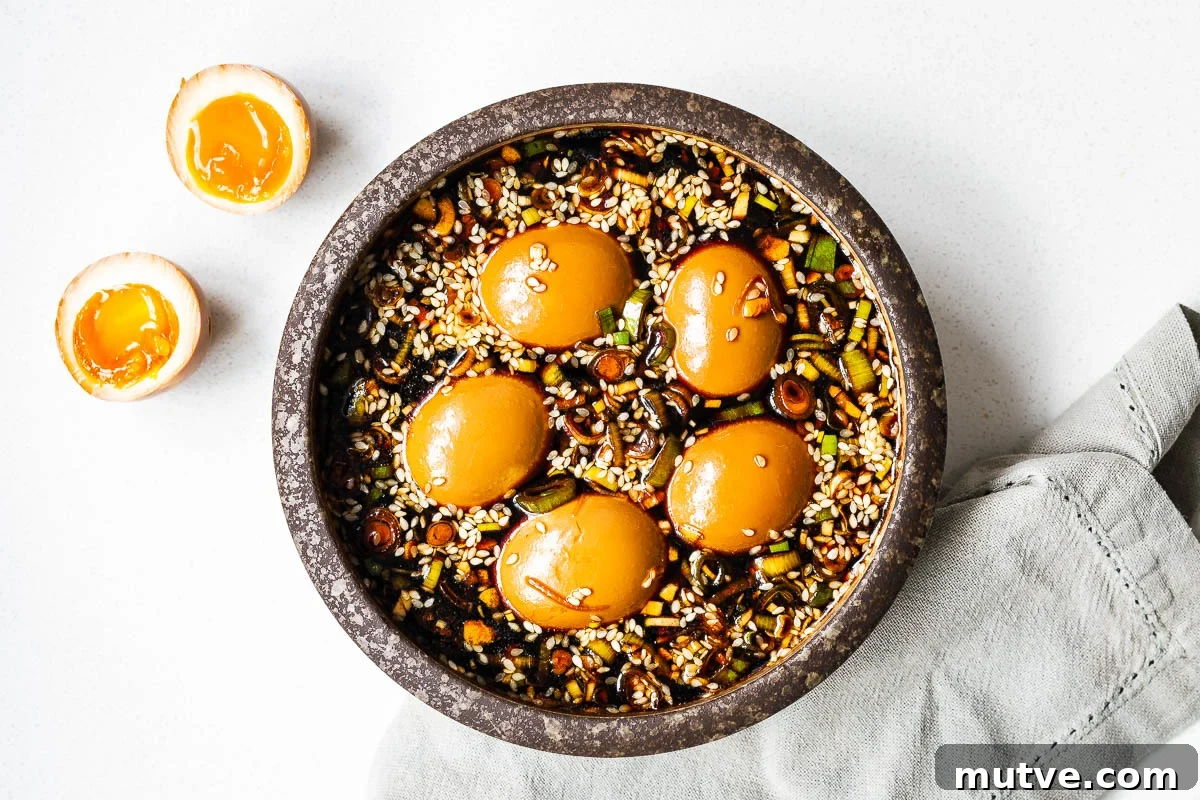
To get perfectly jammy yolks, start with room-temperature eggs and cook for approximately six minutes. Immediately transfer the eggs to an ice bath to stop cooking and make peeling easier.
Step 1: Boil the eggs
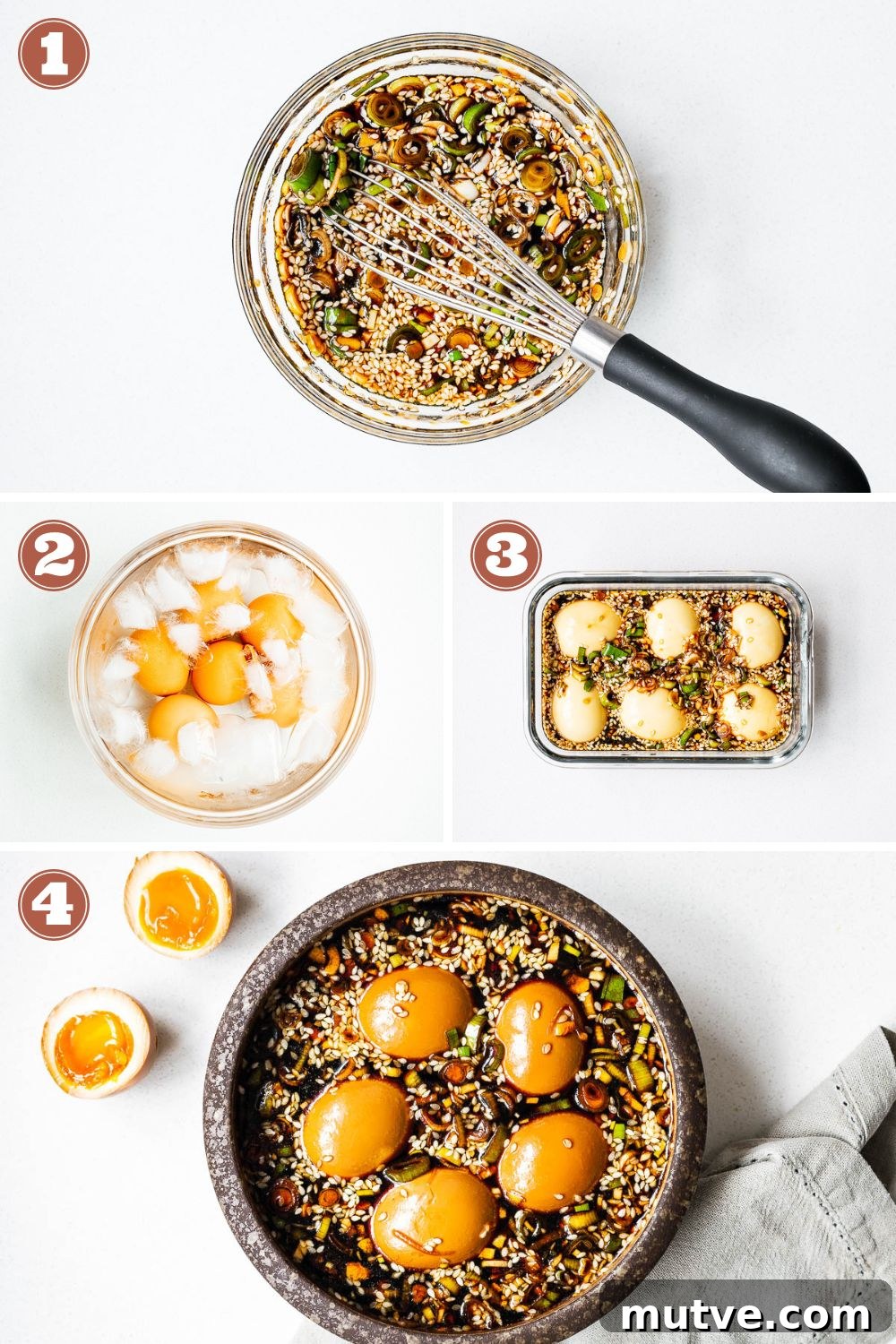
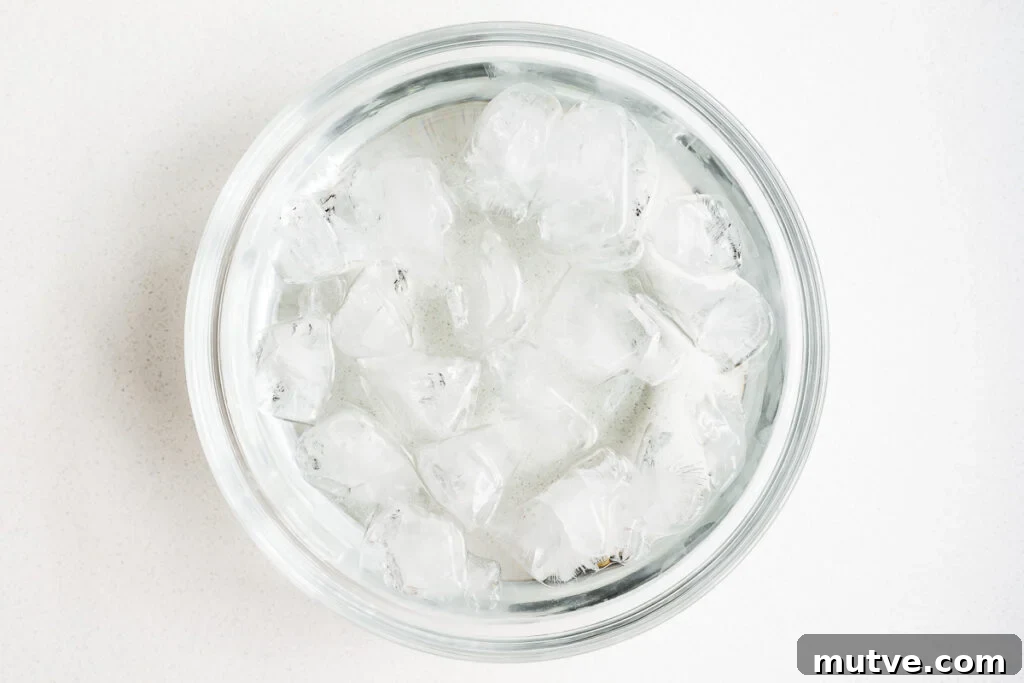
Prepare an ice bath: a large bowl with cold water and plenty of ice to fully submerge the eggs. Set it aside.
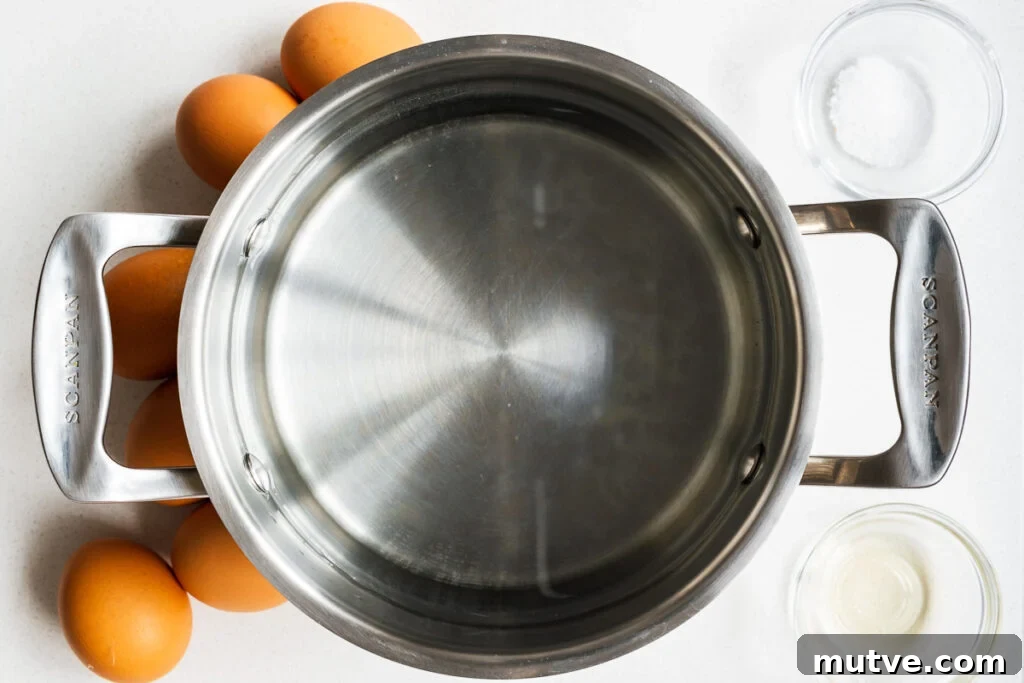
Use a pot that fits the eggs in a single layer. Fill halfway with water and bring to a rolling boil. Add one tablespoon white vinegar and one teaspoon salt. Gently lower room-temperature eggs into the boiling water with a slotted spoon. Start timing when the last egg is in the pot: 6 minutes for jammy yolks, 10 minutes for firm yolks.
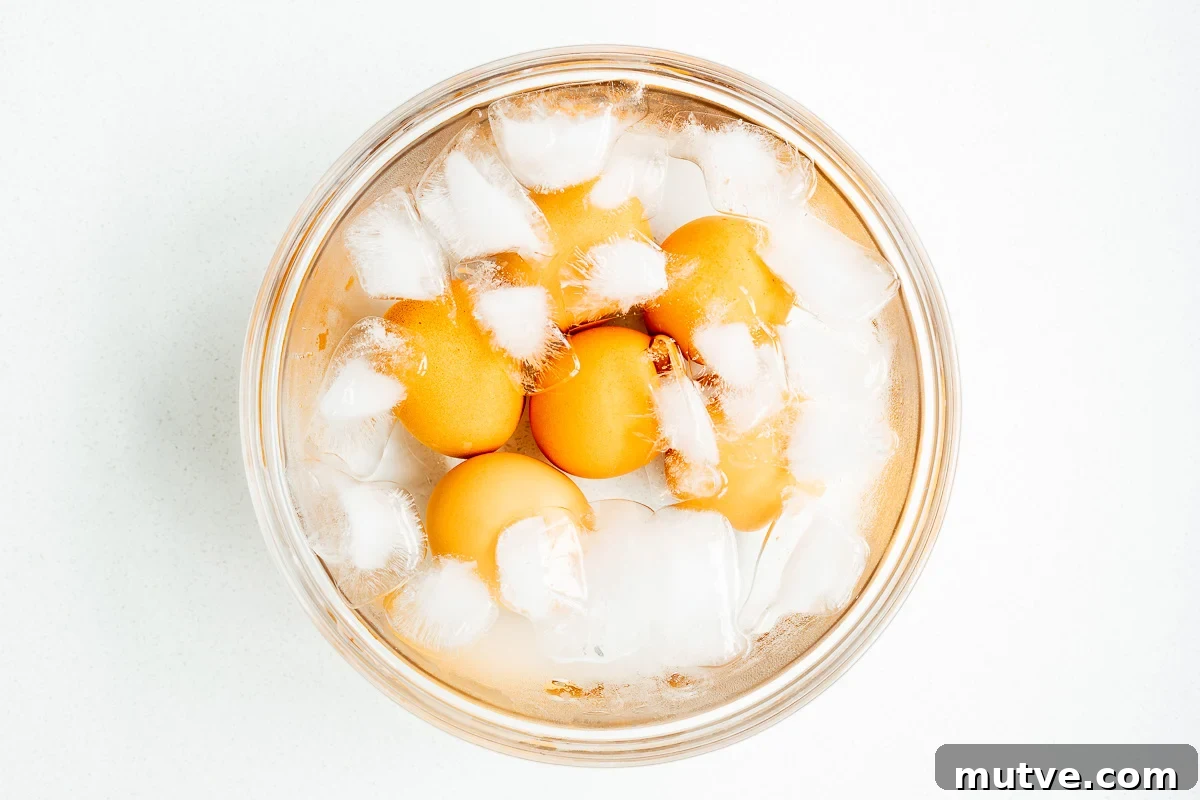
Transfer the eggs to the ice bath and cool them for about five minutes. Tap and gently roll each egg to crack the shell, then peel and rinse away any shell fragments.
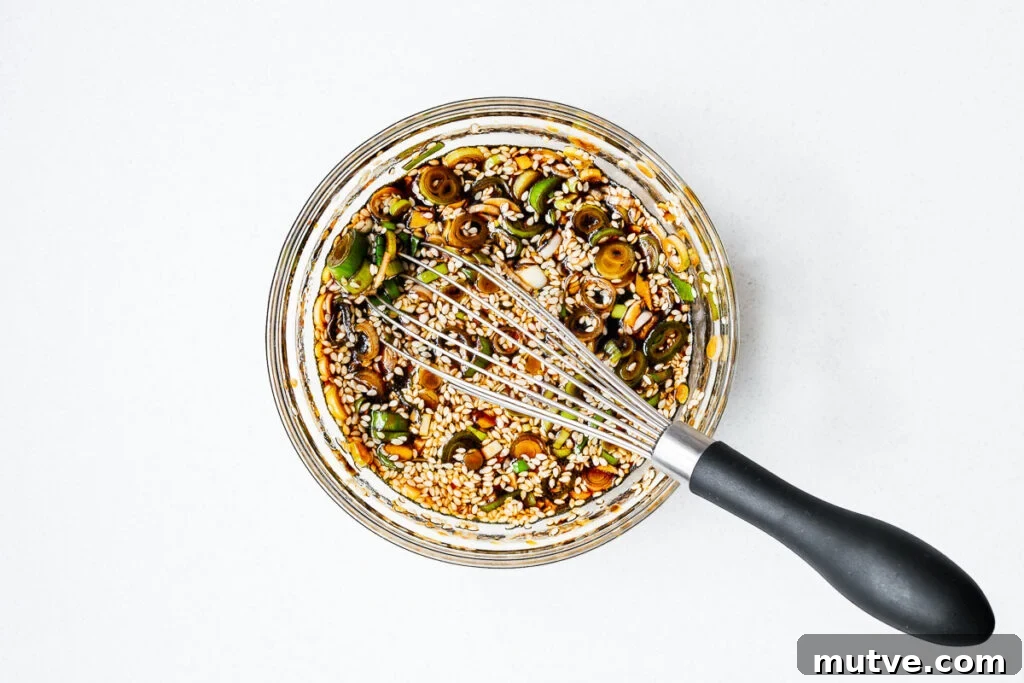
Step 2: Make the egg marinade
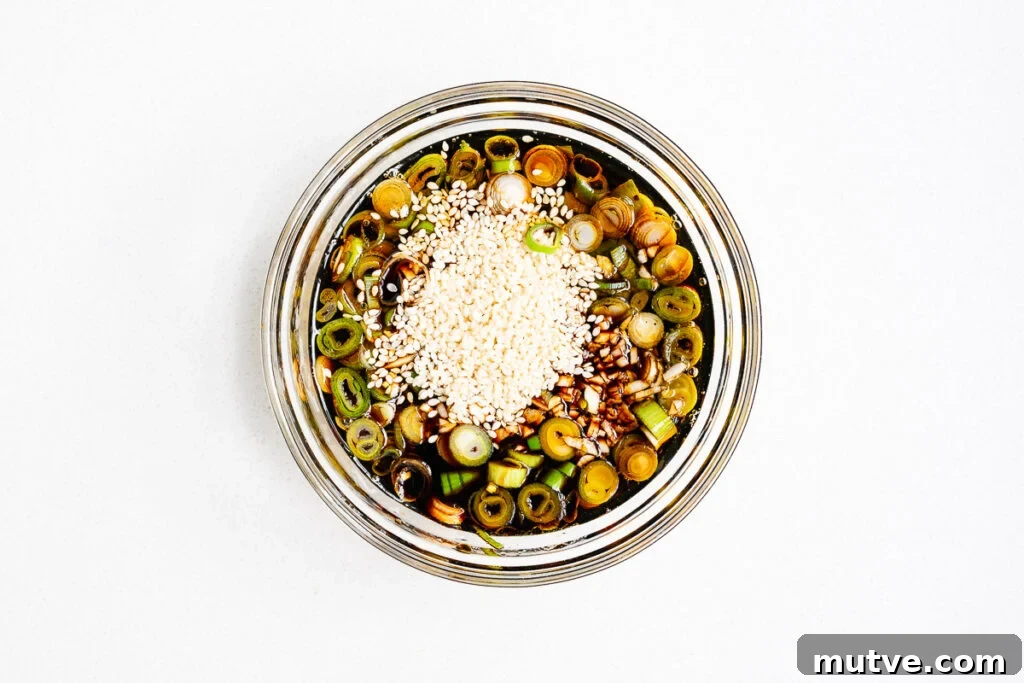
Combine the following in a bowl and whisk until the honey or syrup dissolves:
- ½ cup light or all-purpose soy sauce (or tamari for gluten-free)
- 1 tablespoon dark soy sauce (optional)
- 1 tablespoon toasted sesame oil (optional)
- ¼ cup honey, maple syrup, or brown rice syrup
- 1 tablespoon sesame seeds (toasted if you like)
- 2 minced garlic cloves
- 2 thinly sliced green onions
- 2 sliced chilli peppers (optional)
Step 3: Marinate the eggs
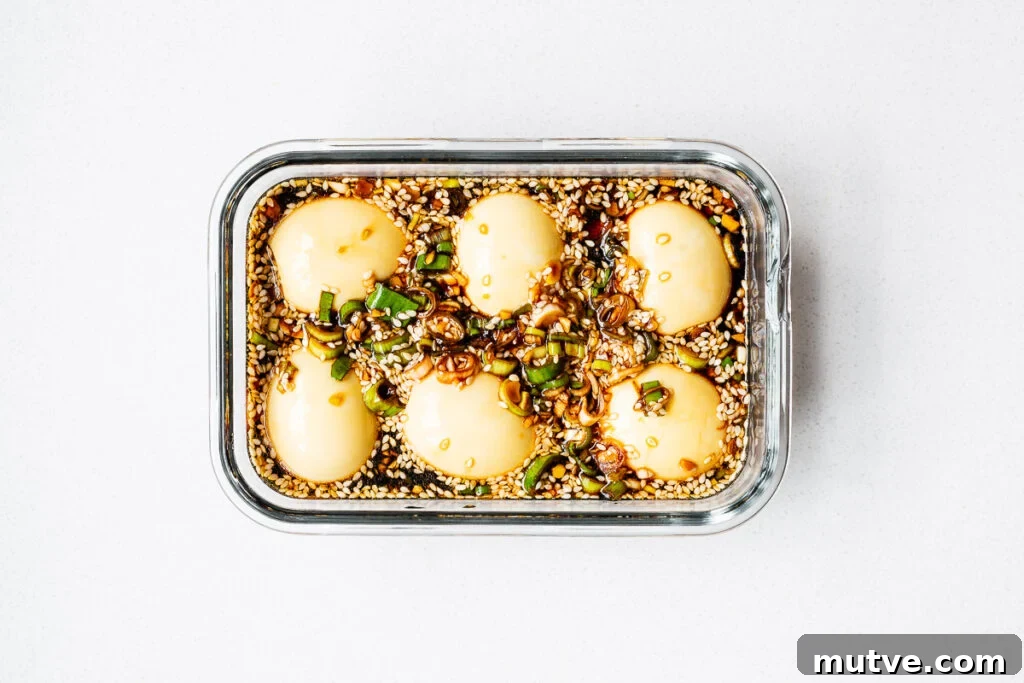
Place peeled eggs in a glass bowl or airtight container that fits them snugly. Pour the marinade over the eggs. If the liquid doesn’t mostly cover the eggs, add a splash of water or turn the eggs occasionally during marinating for even colour.
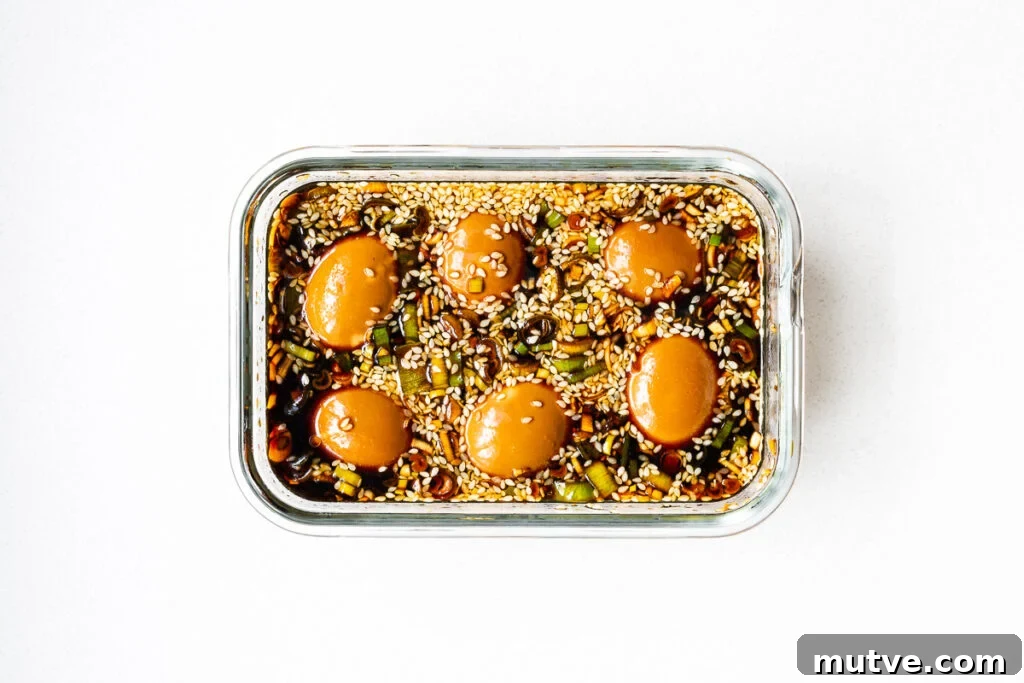
Cover and let the eggs sit at room temperature for at least one hour, or refrigerate overnight for the best flavour.
Step 4: Serve and enjoy
Remove the eggs from the marinade and store them in a clean airtight container in the fridge. While you can keep eggs sitting in the sauce, they tend to become overly salty or rubbery if left too long in the liquid.
Refrigerated, the eggs will keep for up to four days. Serve them halved over rice, in noodle bowls, or as part of a banchan spread.
How to serve
Mayak eggs are a versatile Korean side dish. Here are a few simple ideas:
Breakfast: Serve eggs with steamed rice, kimchi, and a drizzle of toasted sesame oil. Quartered eggs also pair nicely with buttered sourdough or wrapped in nori with a little kimchi for a portable bite.
Noodle bowl: Halve the eggs and add them to ramen or other noodle soups for instant richness. They also complement spicy gochujang-style noodles.
Rice bowl: Top steamed rice with halved mayak eggs and assorted banchan like pickled vegetables, sesame broccoli, or soy-braised potatoes. Finish with shredded seaweed or toasted sesame seeds.
Salad: Wedge the eggs to top a green salad and drizzle with a bit of the leftover marinade turned into a vinaigrette.
These marinated eggs add umami depth and a satisfying texture to many meals.
What about the leftover egg marinade?
Because the marinade contains fresh aromatics, refrigerate any leftover sauce and use it within four days. If you remove the fresh ingredients (garlic, green onion, chillies), the strained sauce can last longer—about two weeks—if you simmer it briefly before use to ensure safety.
Use leftover sauce while fresh as a salad dressing, poke bowl seasoning, marinade, or dipping sauce. You can also freeze small portions in an ice cube tray for later use. If your marinade contains only soy, sweetener, and vinegar (no fresh aromatics), you can reuse it for another batch of eggs.
- Use the fresh leftover marinade as a stir-fry sauce for vegetables, noodles, or fried rice.
- Mix a few tablespoons with gochujang to create a braising sauce for tofu or meats.
- Combine with grated ginger and rice vinegar for a quick Asian-style salad dressing.
- Serve as a dipping sauce for dumplings, spring rolls, or tempura.
Frequently asked questions
Refrigerated and stored in an airtight container, peeled mayak eggs removed from the marinade will keep for up to four days.
They pair well with rice and kimchi, can top noodle soups, salads, or sandwiches, and also make a satisfying snack on their own.
In this context, mayak suggests something addictive or irresistible—a playful nickname for these very moreish marinated eggs.
Korean cuisine uses eggs in many ways: boiled, fried, steamed, or rolled. Mayak eggs are a popular marinated option served as a banchan or snack.
If the marinade includes fresh aromatics, keep it refrigerated and use within four days. If you strain out the fresh ingredients and simmer the sauce, it can last longer—up to two weeks in the fridge.

Mayak Eggs (Korean Marinated Egg Recipe)
Ingredients
- 6 large eggs, room temperature*
- 1 tablespoon white vinegar
- 1 teaspoon salt
Egg marinade ingredients
- ½ cup soy sauce (light or all-purpose; tamari for gluten-free)
- 1 tablespoon dark soy sauce (optional)
- 1 tablespoon toasted sesame oil (optional)
- ¼ cup honey (or maple syrup, brown rice syrup)
- 1 tablespoon sesame seeds
- 2 garlic cloves, minced
- 2 green onions, thinly sliced
- 2 chilli peppers, sliced (optional)
Instructions
- Prep an ice bath: a bowl large enough for the eggs with cold water and plenty of ice. Set aside.
- Bring a medium pot of water to a rolling boil. Add vinegar and salt. Gently lower room-temperature eggs into the water and cook for 6 minutes for jammy yolks. Transfer immediately to the ice bath for 5 minutes.
- Tap and roll cooled eggs to crack the shells, then peel and rinse any shell fragments. Place peeled eggs in a glass bowl or airtight container.
- Whisk the marinade ingredients together until the honey is fully incorporated. Pour the marinade over the eggs so they are mostly submerged. Cover and marinate at room temperature for at least 1 hour, or refrigerate overnight for deeper flavour.
- Transfer the marinated eggs to a clean airtight container and refrigerate. They will keep for up to 4 days.
Notes
- Bring refrigerated eggs to room temperature with a few minutes in warm tap water to avoid cracking.
- For firm yolks, cook eggs for 10 minutes instead of 6.
- Store marinated eggs in an airtight container in the fridge for up to 4 days.
- Total time excludes marinating, which can range from 1 hour to 12 hours for best flavour.
Try more Korean recipes:
- Gochujang tofu (spicy Korean braised tofu)
- Korean Sesame Broccoli Salad
- Spicy Korean Cucumber Salad (Oi Muchim)
- Bibimbap Sauce (Korean Gochujang Sauce)
- Gochujang Noodles (Spicy Korean Noodles)
- Gyeran Bap (Korean Rice With Fried Egg)