Wild Blueberry Press Trip: Exploring Maine’s Barrens
Last week I spent Wednesday through Saturday in Maine with the Wild Blueberry Association of North America. It was a wonderful press trip that brought together registered dietitians, food writers, association staff, and public relations team members to learn about wild blueberries, their harvest, and the communities that grow and process them.
The group included a great mix of professionals and bloggers, and I enjoyed getting to know everyone. Here are the writers and RDs who attended:
- Tammy Lakatos Shames & Lyssie Lakatos – The Nutrition Twins
- Regan Miller Jones – Healthy Aperture
- Danielle Omar – Food Confidence
- Brenda Bennett – Sugar-Free Mom
- Gretchen Brown – Kumquat
- Liz Weiss – Meal Makeover Moms
- Carolyn O’Neil – O’Neil on Eating
- Susan Irby – The Bikini Chef
- Carolyn Tesini – contributing editor, Eating Well Magazine
- Mary Pols – Portland Press Herald
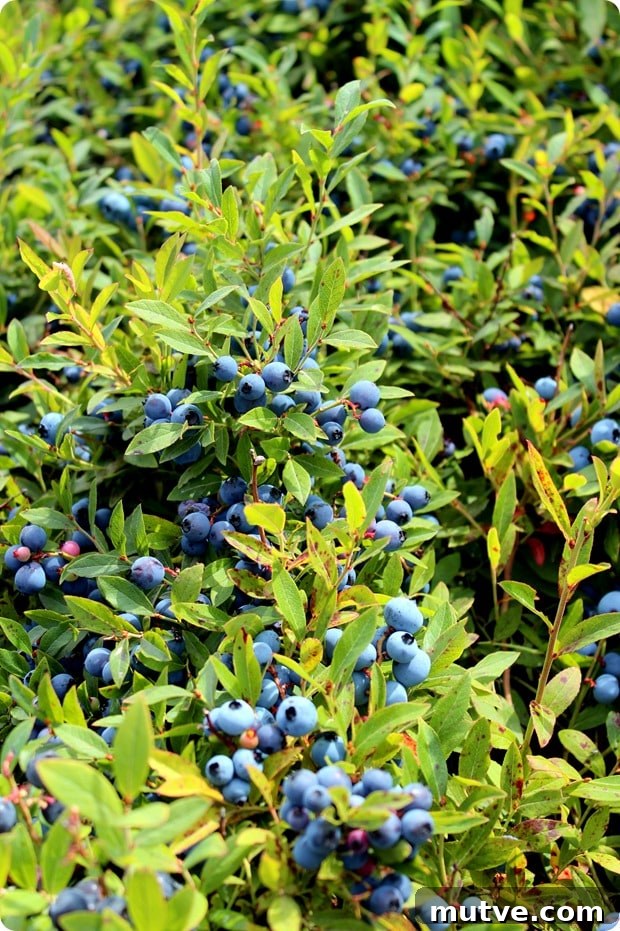
We spent our days in Maine learning about wild blueberries—their history, ecology, harvesting methods, and processing. Wild blueberries thrive in cool, wet climates and are commercially harvested mainly in Maine and parts of eastern Canada. In fact, Maine is the largest producer of wild blueberries in the world, and it was impressive to see the barrens stretching out across the landscape.
Wild blueberries grow naturally in barrens that have existed for thousands of years and are well adapted to cold winters. The plants are low to the ground; snow acts as an insulating blanket that protects them through harsh weather. Most wild blueberry fields in Maine are pruned to the ground every other year. Vegetative and formative growth happen the season after pruning, followed by blooming and pollination in May, and berry ripening in late July to early August.
Harvesting is done by a combination of hand-raking and mechanical raking. Roughly 80% of fields use mechanical rakes, while hand-raking remains important in rocky or hilly areas that machines cannot handle. I tried hand-raking myself and left with a lot of respect for the people who work these fields—it’s physically demanding work.
Processing facilities in Maine clean and flash-freeze the berries quickly after harvest to preserve flavor and nutrition. About 99% of the wild blueberry crop is frozen, since the berries have a thinner skin than cultivated blueberries and are more delicate for fresh transport. Touring a processing plant (we visited a Wyman’s of Maine facility) showed how fast and careful that process needs to be to maintain peak ripeness and quality.
Wild blueberries are nutritionally distinct from cultivated blueberries. They have a higher skin-to-pulp ratio, which contributes to increased fiber, and they contain higher concentrations of the anthocyanin flavonoids that give them deep blue color and antioxidant benefits. They also tend to have a more intense flavor, which I happily confirmed by tasting plenty of berries during the trip.
Because wild blueberries grow in glacial soils and cold climates, they generally face fewer insect and pest pressures than berries grown in warmer regions. The alternate-year pruning and harvest cycle also helps break pest life cycles naturally.
Outside of the educational sessions and farm visits, the trip included time in Bar Harbor. The Wild Blueberry Association hosted us at the Bar Harbor Inn, where I enjoyed waterfront runs and beautiful coastal views.
We enjoyed several excellent meals during the trip. One night we had dinner at Havana in Bar Harbor, a charming spot with great food, and another evening we took a ferry to Cranberry Island for a lobster dinner on the dock. The lobster was a highlight, followed by a wild blueberry crisp for dessert—delicious and fitting after a week focused on blueberries.
I also had a great final morning with another run along the waterfront and breakfast in town at Jeannie’s Great Maine Breakfast, where I enjoyed an omelette with feta, olives, tomato, avocado, and spinach, plus homemade oatmeal bread and fresh jam. It was a lovely way to wrap up the trip.
I’m grateful to the Wild Blueberry Association for inviting me on the press trip and covering my expenses. It was educational to see the barrens in person, learn about the harvest and processing, and connect with fellow writers and dietitians. I returned to DC on Saturday and enjoyed a relaxing weekend with my partner before getting back to work.
Have you ever eaten a wild blueberry?
What’s the coolest celebrity sighting you’ve had?